Support

Higashimatsuyama

About

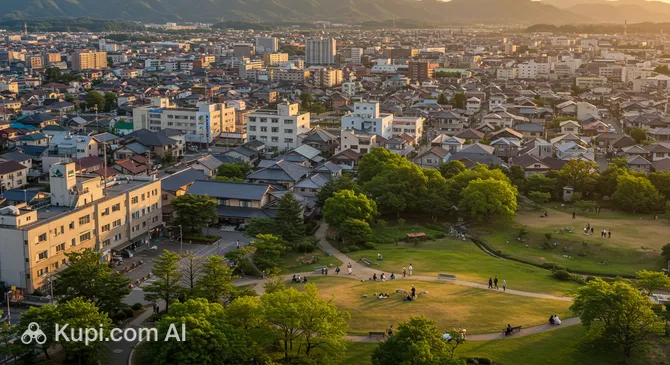
Higashimatsuyama is a charming city located in Saitama Prefecture, on the eastern edge of the picturesque Kanto Plain. Being just an hour's drive from bustling Tokyo, it offers a completely different atmosphere—calm and measured, characteristic of provincial Japan. Here, traditions harmoniously intertwine with modernity, creating a unique space for relaxation and getting to know the country's culture.

With a population of approximately 92,440 people, Higashimatsuyama does not strive to compete with megacities, but instead offers its guests a chance to experience the authentic rhythm of Japanese life. The city plays an important role in the region as a transport and cultural hub, while maintaining its unique coziness and intimacy. Walking along its clean streets, relaxing in numerous parks, and discovering local attractions will leave the most pleasant impressions.

Higashimatsuyama. Illustration.
Source: Kupi.com AI

Higashimatsuyama is particularly attractive for its natural beauty and cultural sites. The city is surrounded by green hills, and nearby are the famous cherry blossom alleys, which turn the surroundings into a real sea of flowers in spring. In addition, you can visit traditional temples and enjoy the peaceful rural landscapes. Numerous well-kept parks are ideal for leisurely walks and family vacations.

Higashimatsuyama is known for its friendly atmosphere and hospitality. This city is an excellent choice for those who want to get acquainted with Japanese culture away from the city bustle, enjoy beautiful nature, and discover the charm of the slow-paced life of the Japanese province.

You can find more interesting facts on the history of Higashimatsuyama page.

Weather Overview

The weather in Higashimatsuyama is characterized by distinct seasons. Summer, especially in July and August, is warm here: the average temperature in July is about 26°C, and in August it rises to 27.2°C. Maximum summer temperatures in August reach 30.5°C, and in July they are 29.3°C. This period also sees the highest amount of precipitation, peaking in July (8 mm and about 20 rainy days).

Winters, from December to February, are quite cool: the average temperature in January is about 4.1°C, with night frosts (minimum temperatures can drop to -0.3°C). Winter months are generally drier, with the lowest amount of precipitation in December (1 mm and approximately 6 rainy days).

Overall, expect a warm summer with occasional rain and cool, relatively dry winters. Spring and autumn offer moderate temperatures and variable amounts of precipitation. For more detailed information about the weather in different months, you can check the detailed forecast: Higashimatsuyama Climate.

Average monthly temperature

Average monthly precipitation

Interesting Facts

In addition to its well-known attractions, Higashimatsuyama holds many surprising stories and features that make it truly unique. Here are a few interesting facts about this Japanese city:

  • Higashimatsuyama is home to the famous Saitama Children’s Zoo, which is considered one of the best in the region. Here, visitors can not only observe animals but also participate in interactive programs, such as petting a llama or feeding a goat.

  • One of the city's most unusual attractions is the Yakyu Inari Shrine, dedicated to the patron saint of baseball. According to legend, athletes and their fans come here to ask for luck before important games, and figurines with baseball attributes can be found on the temple grounds.

  • The city is famous for its colorful spring cherry blossom festivals. During the blooming period, Higashimatsuyama is transformed into a real pink garden, where locals and tourists have picnics and enjoy traditional festivities.

  • In Higashimatsuyama, you'll find the Shoboji Temple, known for its huge bell and peaceful atmosphere. According to legend, sages once gathered here to discuss important city issues, and locals believe that the ringing of the bell brings luck and harmony to the home.

Yakyu Inari Shrine. Illustration.
Source: Kupi.com AI

Traveler photos:

How to Get There

The most convenient way to reach Higashimatsuyama, located in Saitama Prefecture, is by air through the major international airports serving the Tokyo metropolitan region. Although Higashimatsuyama itself does not have its own airport, Japan's well-developed transport network makes it easy to travel from the nearest aviation hubs.

The primary choice for many international travelers heading to Higashimatsuyama is Haneda Airport (HND). This major international airport is located in Tokyo, approximately 64 km from Higashimatsuyama, and is one of the busiest in the world. A trip by car or public transport (with transfers) from here to the city will take approximately 1.5–2 hours.

Another important international hub is Narita International Airport (NRT), which also serves Tokyo. It is located further away, about 94 km from Higashimatsuyama, and the travel time is approximately 2–2.5 hours. Narita offers a wide range of international flights and good transport links.

Alternatively, especially for some Asian or domestic flights, you might consider Ibaraki Airport (IBR). It is located in Ibaraki City, at a distance of about 93 km from Higashimatsuyama. This is a smaller-scale airport, and the journey from it to Higashimatsuyama will take about 2–2.5 hours.

For convenience, here is a summary of the main airports through which you can reach Higashimatsuyama:

AirportPassenger trafficDistance
Haneda Airport85.7 mln64 km
Ibaraki Airport776 06393 km
Narita International Airport40.8 mln94 km
Matsumoto Airport112 618134 km
Fukushima Airport250 000161 km

After arriving at one of the mentioned airports, you can continue your journey to Higashimatsuyama by train, bus, or rental car. Japan has an excellently developed public transport system, facilitating movement between cities. Trains (possibly with transfers to local lines) and intercity buses also run to Higashimatsuyama from major transport hubs like Tokyo. It is recommended to check schedules and routes in advance to plan your trip in the most convenient way.

Main Attractions

Higashimatsuyama, a cozy city in Saitama Prefecture, offers its guests several interesting places to get acquainted with local culture, nature, and gastronomy. Everyone will find something to their liking here, from ancient shrines to picturesque gardens and unique culinary establishments.

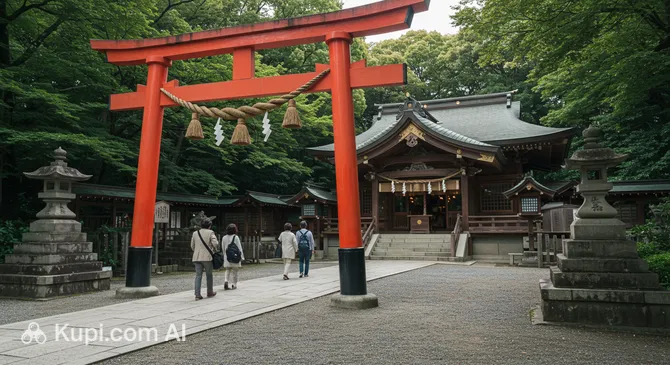
Yakyu Inari Shrine. Illustration.
Source: Kupi.com AI

Traveler photos:

One of the iconic landmarks is the Yakyu Inari Shrine. This place attracts not only pilgrims but also tourists interested in Japanese religion and architecture. The shrine is known for its peaceful atmosphere and beautiful traditional buildings. Visitors can stroll through the grounds, admire the details of the temple structures, and perhaps even catch one of the local festivals or rituals.

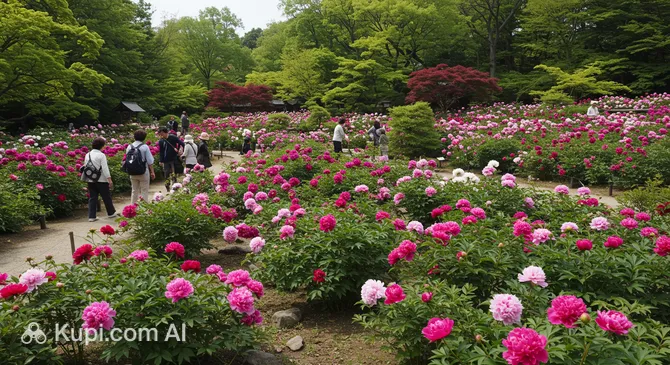
Higashimatsuyama Peony Garden. Illustration.
Source: Kupi.com AI

Traveler photos:

For nature and flower lovers, a mandatory part of the program is the Higashimatsuyama Peony Garden. This garden is especially beautiful during the peony blooming season, when thousands of bright buds create an unforgettable sight. It is an ideal place for leisurely walks, photography, and enjoying the beauty of Japanese flora. The garden is carefully maintained and offers visitors a chance to immerse themselves in a world of harmony and aesthetics.

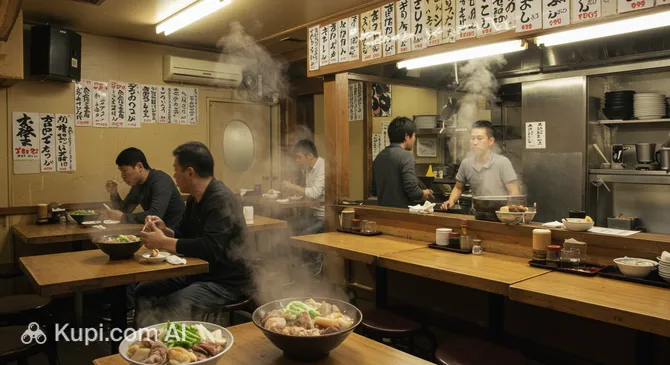
Matsui Offal Stew Restaurant. Illustration.
Source: Kupi.com AI

Traveler photos:

A culinary discovery for many will be the Matsui Restaurant with its offal stew. This establishment is famous for its signature dish—an aromatic and hearty stew prepared according to a special recipe. A visit to this restaurant will allow you to get acquainted with authentic local cuisine and try something truly unique. This is a great opportunity for foodies to expand their culinary horizons and experience the taste of real Japan.

Local Cuisine

The gastronomic scene of Higashimatsuyama will delight connoisseurs of authentic Japanese cuisine, and its main gem is undoubtedly the famous chicken skewers "yakitori." Local masters prepare them according to a special recipe: tender chicken meat is skewered on wooden sticks, grilled over charcoal until golden brown, and generously seasoned with a signature sauce based on soy and spices. "Higashimatsuyama Yakitori" is a real brand for which foodies are willing to travel to the city.

In addition to yakitori, in Higashimatsuyama it is worth paying attention to the crunchy rice crackers "karasena," which are often sold at street stalls and pair perfectly with green tea. Local homemakers are also famous for the art of preparing traditional Japanese sweets "wagashi," and during the cherry blossom season, you can taste desserts with the addition of its delicate petals. At farmers' markets, you can always find fresh seasonal vegetables, fruits, local soy dishes, and dairy products from small family farms.

Popular beverages here include traditional Japanese sake and shochu, as well as local beer. The non-alcoholic favorite is, of course, various types of green tea. Locals and tourists usually enjoy their food in numerous restaurants specializing in yakitori or explore street food at bustling markets. In spring and autumn, gastronomic festivals and street food fairs take place in Higashimatsuyama, offering a unique opportunity to try not only local delicacies but also dishes from across the entire Saitama region.

Although yakitori dominates the gastro scene, there are other interesting establishments in the city. For example, you can visit the Matsui Restaurant with its offal stew to try something different from the famous skewers and get acquainted with the variety of local cuisine. Overall, Higashimatsuyama offers guests a cozy atmosphere for getting to know real Japanese food, where traditions are combined with high-quality local products.

Travel Tips

Welcome to Higashimatsuyama! To make your trip to this charming city in Saitama Prefecture as comfortable and memorable as possible, we have prepared some practical tips. They will help you better navigate and enjoy every moment of your stay.

  1. Clothing and Essentials: In Higashimatsuyama, as in most of Japan, there are four distinct seasons. In summer (June–August), it is hot and humid, so choose light, breathable clothing. In spring (March–May) and autumn (September–November), the weather is pleasant, but evenings can be cool—layered clothing will be useful. In winter (December–February), it can be cold, so warm clothes are a must. Comfortable shoes are your main companion, as you will likely be walking a lot while exploring parks and local attractions. Don't forget an adapter for your electronics (Japan uses 100V, Type A and B plugs). When visiting temples and shrines, it is advisable to wear clothing that covers shoulders and knees out of respect for local traditions.
  2. Transport: The main public transport in Higashimatsuyama and the surrounding areas are trains and buses. Japan's railway network is famous for its efficiency, and you can easily reach the city and move around the region. For fare payment, it is convenient to use rechargeable transport cards such as Suica or Pasmo (check their validity in the region upon arrival). Taxis are available but can be expensive, especially for long distances. Renting a car can be an option for exploring the surroundings, but consider left-hand traffic and potential parking difficulties.
  3. Finances: The national currency is the Japanese Yen (JPY). It is recommended to carry some cash, as not all small shops, cafes, or temples may accept bank cards. You can exchange currency at airports, major banks, or specialized exchange offices. International credit and debit cards are accepted in most hotels, department stores, and many restaurants. ATMs that work with foreign cards can be found in post offices (Japan Post Bank) and convenience stores (e.g., 7-Eleven). Tipping in Japan is not expected and may be perceived as a misunderstanding.
  4. Health and Safety: Japan is one of the safest countries in the world, and Higashimatsuyama is no exception. However, standard precautions are always appropriate. Pharmacies (drugstores) are easy to find and offer a wide range of medicines, but many of them may not have English instructions. It is recommended to have travel medical insurance. In case you need medical assistance, hotel staff will be able to suggest the nearest clinic or hospital.
  5. Communication: The official language is Japanese. The level of English proficiency may be limited, especially outside of major tourist centers. Learning a few basic phrases in Japanese, such as "konnichiwa" (hello), "arigato" (thank you), and "sumimasen" (excuse me/sorry), will make a good impression. For ease of communication, consider purchasing a local SIM card or renting a portable Wi-Fi router. Free Wi-Fi is available in some public places, hotels, and cafes.
  6. Local Etiquette: Japanese people are very polite and value respect for their traditions. Greetings are usually accompanied by a bow; a light nod of the head will suffice for a tourist. In public places, especially on transport, try to keep noise down and avoid talking loudly on the phone. Before entering homes, some temples, and traditional restaurants, it is customary to remove your shoes.
  7. What to Avoid: It is not customary to eat or drink while walking on the street (except in designated areas or during festivals). Also, avoid pointing at people or objects with your finger—use an open palm instead. Sticking chopsticks vertically into rice is considered bad manners, as it is associated with funeral rituals.
  8. Special Feature of Higashimatsuyama: The city is known for its Peony Garden (Higashimatsuyama Botan-en), which is especially beautiful during the peony blooming period (usually from late April to early May). If your trip coincides with this time, don't miss the opportunity to enjoy this magnificent sight. The Saitama Children's Zoo is also popular and can be interesting for a family visit.

We hope these tips help you plan an unforgettable trip to Higashimatsuyama. We wish you pleasant impressions and vivid discoveries in this cozy corner of Japan!

Entertainment & Nightlife

While Higashimatsuyama may not boast the same number of loud nightclubs as Japan's megacities, the city offers its guests cozy and authentic options for evening leisure. The nightlife here is more relaxed and centered around restaurants, traditional Japanese pubs (izakaya), and small local bars where you can have a pleasant time and get to know the local culture.

Most evening establishments are usually located near the Higashimatsuyama railway station and on the main shopping streets. The atmosphere in such places is generally friendly and laid-back, attracting both locals and tourists. You are unlikely to encounter a strict dress code here; the emphasis is on comfort and having a good time. Many establishments are open until late in the evening, but keep in mind that in smaller cities, the last kitchen order may be taken earlier than in the capital.

One of the interesting places for a delicious dinner in the evening is the Matsui Restaurant with its offal stew, which offers local delicacies. Besides it, you can find many other restaurants in the city with Japanese and international cuisine, as well as cozy izakayas serving various snacks and drinks. The average bill in such establishments is usually moderate.

When planning an evening out, keep the last train schedule in mind if you do not plan to use a taxi. Taxis in Japan are safe and reliable; they can be called by phone or found at special stands. Higashimatsuyama, like most Japanese cities, is considered a safe place for night walks, but standard precautions should always be observed.

During the day, Higashimatsuyama also offers interesting leisure options. Nature and Japanese culture enthusiasts can visit, for example, the Yakyu Inari Shrine, known for its peaceful atmosphere. Another popular attraction is the Higashimatsuyama Peony Garden, which is especially beautiful during the blooming period. The city may also have local theaters or exhibition halls offering cultural programs.

Parks & Museums

Higashimatsuyama, snugly situated in Saitama Prefecture, offers its guests a harmonious combination of picturesque natural spots and interesting cultural sites, allowing them to immerse themselves in the region's history and traditions.

One of the main natural gems of the city is the Higashimatsuyama Peony Garden. It is especially beautiful in spring, when thousands of peonies of various types bloom, creating an incredible sight and aroma. This is an ideal place for leisurely walks and flower viewing, a true paradise for photographers and nature lovers.

For lovers of more active recreation and large-scale natural spaces, the vast Musashi Kyuryo National Government Park (Shinrin Park), the largest hilly forest park in Japan, stretches out near the city. It offers visitors many activities: from cycling and walking routes passing through picturesque forests and fields to specially equipped playgrounds, scenic ponds, and various botanical gardens. This is a great place for outdoor recreation for the whole family for a full day.

Another wonderful place for family leisure is the Saitama Children's Zoo, located on extensive park territory. Here, you can not only get acquainted with various representatives of the fauna, including exotic animals like koalas and capybaras, but also simply have a pleasant time walking along well-kept green alleys and enjoying the fresh air.

Among the cultural and historical attractions of Higashimatsuyama, the Yakyu Inari Shrine holds a special place. This unique site is known as the patron shrine of baseball, making it a point of attraction not only for athletes and fans of this sport but also for everyone interested in Japanese Shinto culture and unusual themed shrines. The atmosphere here is peaceful, and the traditional architecture and well-maintained grounds are a delight to the eye.

For curious travelers seeking to learn more about the ancient history of the region, visiting the Higashimatsuyama Museum of Fossils and Nature is highly recommended. Its halls feature fascinating exhibitions telling the story of the area's geological past. Special attention is given to ancient marine life whose remains were found in Saitama Prefecture, including the famous fossilized marine mammal, Paleoparadoxia. Interactive exhibits make visiting the museum interesting for both adults and children.

To dive deeper into local history and culture, it's worth visiting the Higashimatsuyama City Library and Local History Museum. The museum's exhibition includes artifacts, historical documents, and various materials that detail the stages of the city's development and the daily life of its residents throughout the centuries. It is an excellent place for a quiet and thoughtful acquaintance with the rich heritage of Higashimatsuyama.

For a complete impression of Higashimatsuyama, don't miss the chance to walk through its lesser-known streets, where you might accidentally discover charming small temples, traditional craft shops, or cozy local cafes. And after a busy day of exploring, be sure to try the local culinary specialties. For example, the city is popular for its pork dishes like "kashira-yaki" (grilled pork head meat) or the aromatic offal stew that can be tasted at the Matsui Restaurant. This will allow you to experience the true taste of Higashimatsuyama.
Getting Around

When planning your travels around Higashimatsuyama, you will find that public transport here is quite convenient and oriented toward the needs of residents and city guests. The transport system is based on trains and buses that connect various districts of the city and its surroundings.

The main arteries for longer-distance trips are railway lines such as the Tobu Tojo Line and the JR Hachiko Line, passing through Higashimatsuyama Station. They provide connections to other cities in Saitama Prefecture and Tokyo. Intra-city and suburban routes are served by an extensive network of buses. They run on a regular schedule, covering most areas where the railway does not reach.

The fare payment system in Higashimatsuyama is integrated with national transport IC cards, such as Suica or Pasmo. These rechargeable cards are very convenient: simply tap the card on the reader at the railway station turnstile or when entering/exiting a bus. You can purchase or top up an IC card at machines at stations or in some stores. Payment for single trips in cash is also available—train tickets are bought at machines before boarding, and on the bus, payment is made directly to the driver (it is advisable to have small change, as change may be limited). The fare usually depends on the distance.

For tourists, it will be useful to know a few practical points. Train tickets and IC cards are purchased at railway stations. IC cards are validated when entering and exiting the station (for trains) or when entering and/or exiting the bus (depending on the specific bus operator's system). Public transport usually starts operating early in the morning and ends late in the evening, but the frequency of trips may decrease in the evening hours and on weekends. Schedules are available at stations and stops, as well as online.

If public transport is not suitable for some reason, alternative ways of getting around are available in Higashimatsuyama. Taxis can be found at stands near stations or called by phone, but this mode of transport will be significantly more expensive. Bicycles are also popular, especially for short trips around the city; bicycle rental points can be found near railway stations. This is a great way to leisurely get to know the city and its atmosphere.

Accommodation

When planning a trip to Higashimatsuyama, you will find a variety of accommodation options to suit different preferences and budgets. The city features both modern hotels oriented toward business travelers and tourists, and more authentic options such as traditional Japanese guesthouses (ryokans or minshukus) that offer a unique cultural experience. You can also consider renting apartments if you prefer more independence and space, especially for longer stays.

When choosing a place to stay in Higashimatsuyama, you should pay attention to areas located near major transport hubs, such as railway stations, which will ensure easy movement around the city and its surroundings. A popular choice is also accommodation near key attractions, such as the Yakyu Inari Shrine or the picturesque Higashimatsuyama Peony Garden. While there may be few large international hotel chains in the city, local hotels often offer an excellent combination of comfort and hospitality.

The price range for accommodation in Higashimatsuyama varies from budget options to mid-range hotels. Luxury resorts are less common here; the focus is on comfortable and functional accommodation. To guarantee the best choice and prices, especially during peak tourist seasons (such as the cherry blossom season or during the autumn colors), it is recommended to book your accommodation in advance. The main booking methods are popular online platforms and travel aggregators; direct booking through hotel websites is also an option.

Nearby Cities

For those who want to explore the surroundings, Higashimatsuyama serves as an excellent starting point for day trips to several interesting nearby places:

Among such places, Kumagaya is worth noting—one of the nearest cities, known for its impressive Menuma Shodenzen Kangiin Temple, which is a national treasure, as well as its lively summer festivals. Another popular destination is Kawagoe, often called "Little Edo" thanks to its beautifully preserved historical district with merchant houses from the Edo period (kurazukuri), the famous Toki-no-Kane bell tower, and the unique atmosphere of old Japan.

CityPopulationDistance
Namegawa19 8854 km
Yoshimi18 1335 km
Ranzan17 9547 km
Sakado100 8299 km
Hatoyama13 3659 km

These nearby destinations allow for a fuller understanding of the diverse culture, history, and picturesque landscapes of Saitama Prefecture and its surroundings, complementing the experience of visiting Higashimatsuyama.

Shopping & Souvenirs

Higashimatsuyama offers its guests various shopping opportunities, combining traditional Japanese shops with modern stores. Although the city is not a major commercial center, you can find high-quality local products and everyday goods here. Higashimatsuyama does not have a specific specialization in certain goods, but an attentive shopper will always be able to find something interesting.

The main shopping activity in Higashimatsuyama, as in many Japanese cities, is concentrated near the main railway station. Here you will find various shops, from small family enterprises to chain outlets. It is also worth paying attention to local shopping streets or small arcades (shotengai), where you can immerse yourself in the atmosphere of the city's daily life and purchase fresh products or household items.

There may be small shopping complexes or department stores in Higashimatsuyama offering an assortment of clothing, home goods, and food. Large multi-story malls typical of megacities will likely not be found here, but the existing retail outlets will fully satisfy shoppers' basic needs.

While Higashimatsuyama is not famous for any large or famous markets, as in many other locations in Japan, you can find small local markets, especially in the mornings, where farmers sell fresh vegetables, fruits, and other products. Specialized flea markets or large souvenir markets are likely not present, but accidental finds are always possible.

As souvenirs from Higashimatsuyama, you can bring traditional Japanese items. Pay attention to local sweets (for example, mochi or senbei with regional characteristics of Saitama Prefecture) and small ceramic or textile items. Given the presence of the Higashimatsuyama Peony Garden in the city, you may find souvenirs featuring images of these beautiful flowers. Various amulets from local temples, such as the Yakyu Inari Shrine, are also popular and can make a symbolic gift.

Higashimatsuyama Peony Garden. Illustration.
Source: Kupi.com AI

Traveler photos:

Most shops in Higashimatsuyama are usually open from 10:00 or 11:00 AM to 7:00 or 8:00 PM. Small family stores may have their own individual schedules. Regarding payment, most shops and retail outlets accept credit cards. However, it is recommended to always carry some cash, especially for purchases in small shops or at markets.

Tourists shopping in Japan can take advantage of the Tax Free system in participating stores. These are usually large department stores or specialized shops with the appropriate sign. A passport is required to process the tax refund. Check the conditions and the minimum purchase amount directly at the store.

Reached the end of the page?

That means the route is fully explored