Support

Hanno

About

Hanno is an amazing city, a true oasis of nature and tranquility, snugly located in the western part of Saitama Prefecture in Japan. Just a 50-minute train ride from bustling Tokyo, Hanno offers a completely different atmosphere where time flows at a measured pace, and the urban landscape gives way to thick forests and picturesque low mountains. The city's population is just under 80,000 people, which allows it to maintain a sense of coziness and leisure that is rare for a suburb of a metropolis.
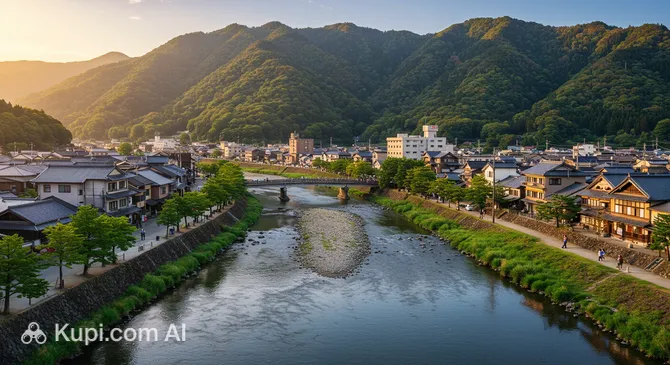
Hanno. Illustration.
Source: Kupi.com AI

Historically, Hanno was known as a timber supplier for Edo (the old name for Tokyo), but today it attracts tourists with its excellent opportunities for outdoor activities. The city is a perfect starting point for fans of walking and hiking along numerous trails. One of Hanno's unique features is its popularity among anime fans: this is where the events of the famous manga and anime series "Encouragement of Climb" (Yama no Susume) take place, which gives the city a special cultural flair and attracts fans from all over the world. Additionally, Hanno takes pride in its well-maintained green parks and the harmonious blend of traditional Japanese architecture with modern infrastructure.

If you are looking for a place to take a break from the city bustle, enjoy the beauty of nature, touch Japanese culture, and perhaps walk in the footsteps of your favorite anime characters, Hanno is an ideal choice. This city offers a rare combination of accessibility, natural splendor, and cultural heritage.

You can find more interesting facts on the history of Hanno page.
Weather Overview

In Hanno, there is a distinct change of seasons, which is typical for this region. Summers, especially from June to August, are warm: the average temperature ranges from 21.1°C (June) to 26.5°C (August), and the maximum can approach 30°C. Rain is frequent in summer, making it humid, although the total monthly precipitation is not high; for example, in July, 8 mm of rain falls over 24 days, indicating primarily light precipitation. Winters (from December to February) in Hanno are cool and much drier, with average temperatures from 3.5°C to 5.6°C and minimal precipitation (1-2 mm). Overall, expect warm summers with frequent but light rain and cool, mostly dry winters. For a more detailed look at the weather conditions by month, visit the Climate in Hanno page.

Average monthly temperature

Average monthly precipitation

Interesting Facts

Beyond its picturesque landscapes and peaceful atmosphere, Hanno holds many surprising stories and features that make it a truly unique destination. Ready to learn some unexpected facts about this charming city?

  • During the Edo period, Hanno played a key role in supplying timber for the construction of Edo, which would later become Tokyo. The dense forests surrounding the city still hold traces of ancient trails once used to transport valuable materials.

  • Hanno is a real find for hiking enthusiasts. The city offers some of the best trails in the Kanto region, while remaining away from major tourist crowds, allowing you to enjoy nature in peace and quiet.

  • One of the gems of Hanno is Noninji Temple, founded during the Momoyama period (1573–1603). Its garden is ranked among the top 100 gardens in Japan and was once patronized by the Shogun himself. Although the temple was burned down during the Boshin War, it was rebuilt and today invites visitors for leisurely walks and meditation.

  • Thanks to the popularity of the anime series "Yama no Susume" ("Encouragement of Climb"), Hanno has become a pilgrimage site for fans of Japanese animation. Throughout the city, you can find themed signs, souvenirs, and even special routes retracing the adventures of the characters.

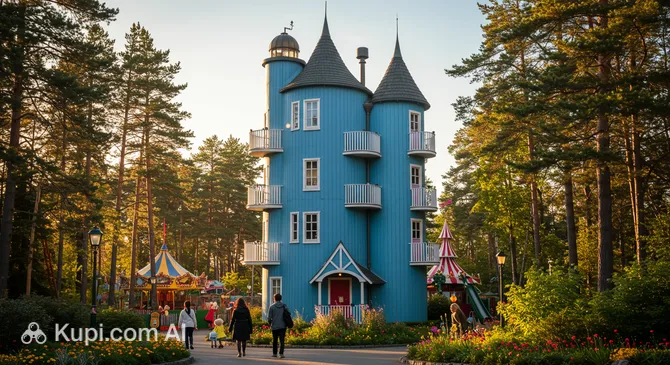
  • In Hanno, you'll find the amazing theme park Moominhouse (Akebono Children's Forest Park), which transports visitors into the fairy-tale world of the famous Finnish characters. It is one of the few places outside Finland where you can get so close to the Moomins and their friends, and admission to the park is completely free.

Moominhouse. Illustration.
Source: Kupi.com AI

Traveler photos:

How to Get There

When planning a trip to Hanno in Saitama Prefecture, keep in mind that the city does not have its own airport. However, thanks to its proximity to Tokyo, getting here is quite easy using the major international airports of Japan's capital region.

The primary air gateways for traveling to Hanno are the two main airports located in Tokyo. The closest is Haneda Airport (HND), one of the largest and busiest airports in the world. It is located in Tokyo, approximately 53 km from the center of Hanno, and the trip from there via public transport (train, bus) or taxi will take roughly 1.5 to 2 hours. The other major international hub is Narita International Airport (NRT), also located in Tokyo, about 96 km from Hanno. The journey from Narita usually takes about 2.5 to 3 hours, depending on the chosen mode of transport.

For convenience, here is a summary of the airports used to reach Hanno:

AirportPassenger trafficDistance
Haneda Airport85.7 mln53 km
Narita International Airport40.8 mln96 km
Ibaraki Airport776 063104 km
Matsumoto Airport112 618131 km
Shizuoka Airport691 274157 km

After arriving at one of Tokyo's airports, you can use Japan's sophisticated public transport system to reach Hanno. The most convenient way is usually by train. Regular electric trains run from central Tokyo to Hanno, such as via the Seibu Ikebukuro Line.

Main Attractions

Hanno, snugly nestled in Saitama Prefecture, offers its guests several charming spots that will make any trip unforgettable. This city, surrounded by nature, is perfect for those seeking a peaceful getaway and unique experiences.

One of the most recognizable and magical attractions in Hanno is the Moominhouse (Akebono Children's Forest Park). This theme park, inspired by Tove Jansson's famous Finnish tales, transports visitors into the world of Moomins. Here you can explore whimsical houses, walk through the forest, and enjoy a magical atmosphere. This place is especially popular with families with children and all fans of these adorable creatures.

For connoisseurs of gourmet delights and craft beer, the Carvaan Brewery & Restaurant is a fascinating spot. This establishment offers unique beers brewed on-site, along with dishes inspired by Middle Eastern and Mediterranean cuisine. Its stylish interior and high-quality food make it a wonderful choice for dinner or lunch in an unusual setting.

Carvaan Brewery & Restaurant. Illustration.
Source: Kupi.com AI

Traveler photos:

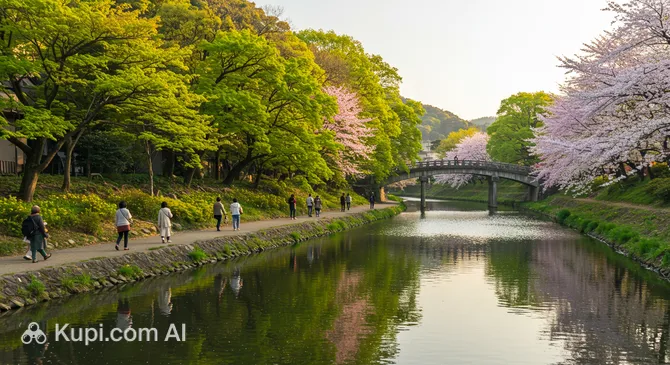
Outdoor enthusiasts should visit the Hanno Riverbed. This picturesque spot along the Iruma River is ideal for leisurely walks, picnics, or simply relaxing by the water. It is especially beautiful here in spring during the cherry blossom season and in autumn when the foliage turns vibrant colors. The riverbed is a popular recreation spot for both locals and tourists alike.

Hanno Riverside. Illustration.
Source: Kupi.com AI

Traveler photos:

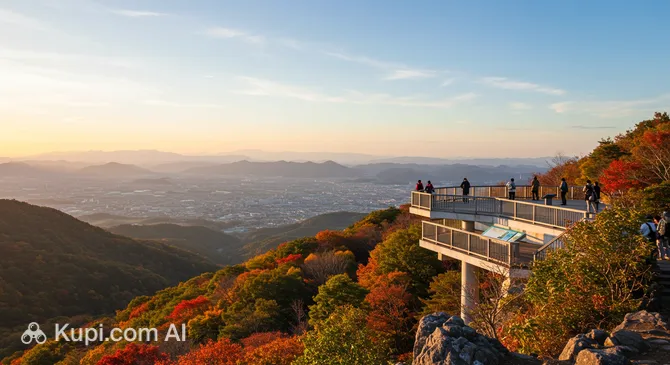
For panoramic views of the city and the surrounding mountains, head to Asahiyama Observation Park. Its observation deck offers breathtaking landscapes that are particularly impressive at sunrise or sunset. The park is also an excellent place for hiking and enjoying nature, offering visitors a chance to escape the city noise and admire the beauty of the Japanese landscape.

Asahiyama Observation Park. Illustration.
Source: Kupi.com AI

Traveler photos:

Local Cuisine

The gastronomy of Hanno is a fascinating journey into the world of traditional Japanese cuisine, enriched by local nature's bounty. The city is famous for its dedication to seasonal products: in spring and autumn, tables are decorated with the freshest vegetables, mountain herbs, and mushrooms gathered from the surrounding forests. Wild plants, aromatic soups, and skillfully prepared pickled vegetables are highlights of many local cafes and restaurants.

Among the dishes you should definitely try in Hanno are yakiniku (grilled meat slices) and yakitori (chicken skewers). These are especially delicious in small family-run establishments where skills are passed down through generations. Don't miss the chance to enjoy fresh udon noodles made from local wheat or river fish dishes caught in clean mountain streams. At street festivals and markets, you'll find appetizing taiyaki (fish-shaped pastries filled with sweet azuki bean paste) and hearty oden (a traditional Japanese stew).

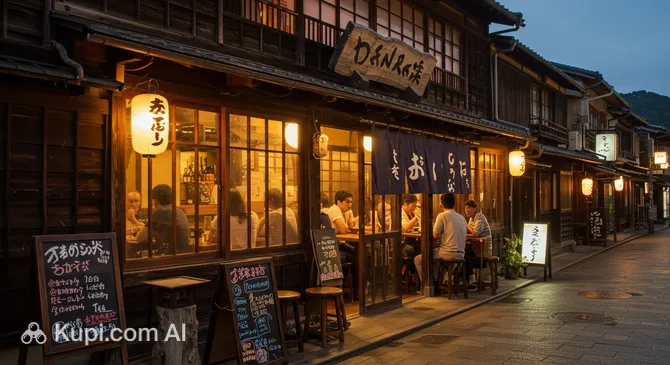
Regarding drinks, in addition to traditional Japanese green tea, which perfectly complements local sweets like mochi with seasonal fruit fillings, Hanno offers something stronger. Beer enthusiasts should visit Carvaan Brewery & Restaurant to try locally produced craft varieties. For those wishing to dive into the atmosphere of local bars, places like Danran are open. Naturally, restaurants also serve sake and shochu, and juices made from local fruits are popular non-alcoholic choices.

Danran. Illustration.
Source: Kupi.com AI

Traveler photos:

The food culture in Hanno combines the coziness of traditional restaurants with a lively street food atmosphere. Residents and tourists alike love dining in small family restaurants serving authentic dishes. Gastronomic festivals held in the city several times a year are a wonderful opportunity to discover local delicacies, meet farmers, and taste the freshest produce. Overall, Hanno's food scene stands out for its emphasis on freshness, seasonality, and local ingredients, offering guests a genuine taste of the region.

Travel Tips

Welcome to Hanno! To make your journey to this charming corner of Japan as comfortable and memorable as possible, we have prepared some practical tips.

  1. Clothing and essentials:

    The climate in Hanno, as in all of Japan, is clearly divided into four seasons. In summer (June-August), choose light, breathable clothing and be prepared for the "tsuyu" rainy season in June-July. Autumn (September-November) and spring (March-May) require layered clothing and a light jacket. In winter (December-February), warm clothing, including a coat, hat, and gloves, is essential. Extremely important is comfortable footwear, as Hanno and its surroundings are perfect for walking, such as through Tove Jansson Akebono Children's Forest Park or Mount Tenran. Don't forget a universal adapter (Japan uses Type A and B sockets, voltage 100V) and a portable charger. When visiting temples and shrines, prefer modest clothing that covers shoulders and knees.

  2. Getting around the city:

    The main way to travel in and around Hanno is by train. The city is well-served by the Seibu Ikebukuro Line. To access areas not covered by the railway, there are local buses. Taxis are available but can be quite expensive; taxi apps are less common than traditional services. Renting a car may be justified if you plan to actively explore Saitama Prefecture, but for Hanno itself, public transport and walking are usually sufficient. Remember that Japan has left-hand traffic.

  3. Financial matters:

    The local currency is the Japanese Yen (JPY, ¥). It is recommended to carry some cash, as not all establishments, especially small shops and temples, accept cards. Credit cards (Visa, Mastercard) are widely accepted in hotels, large stores, and restaurants. You can exchange currency at the airport upon arrival or at banks in major cities; this can be more difficult in Hanno itself. ATMs that accept international cards are most commonly found in 7-Eleven stores (Seven Bank) or post offices (Japan Post Bank). Tipping in Japan is not practiced and may be perceived as impolite, as excellent service is already included in the bill.

  4. Health and safety:

    Hanno, like Japan in general, is a very safe city with a low crime rate. However, always observe basic precautions and watch your belongings. Pharmacies (look for the "薬" - kusuri sign) are easy to find, but staff may not always speak English, and not all are open 24/7. It is recommended to carry a basic medicine kit with you. Travel medical insurance is mandatory. In case of serious problems, contact local hospitals.

  5. Communication and connectivity:

    The official language is Japanese. English proficiency among the local population, especially in small cities like Hanno, can be limited, though staff in tourist areas often speak English. Learn a few basic Japanese phrases: "Konnichiwa" (Hello), "Arigato" (Thank you), "Sumimasen" (Excuse me/Sorry) – this is very much appreciated by locals. For convenience, it is recommended to purchase a tourist SIM card or rent a pocket Wi-Fi router upon arrival at the airport. Free Wi-Fi is available in some hotels, cafes, and public places. Useful apps include HyperDia or Jorudan for planning train routes and Google Maps for navigation.

  6. Local etiquette and traditions:

    Japanese people are very polite and value respect for their culture. Greetings are usually accompanied by a slight bow (ojigi). On public transport, it is customary to speak quietly and not disturb other passengers. Avoid eating and drinking on the go, except in designated areas. It is important to remember to remove your shoes before entering Japanese homes, some temples, traditional restaurants, and ryokans.

  7. What to avoid:

    Never stick your chopsticks vertically into a bowl of rice – this is associated with funeral rituals and is considered bad manners. Also, avoid blowing your nose loudly in public; if necessary, it is better to go to a restroom.

  8. Unique feature of Hanno:

    The city of Hanno is famous for its picturesque nature and its close connection to the world of Moomins thanks to the Tove Jansson Akebono Children's Forest Park. This is a wonderful place to visit, especially if you are traveling with children or are a fan of these characters. Hanno also serves as a starting point for many hiking trails through the surrounding hills and mountains. Check for information on local festivals or seasonal events that may be happening during your visit to make your trip even more fulfilling.

We hope these tips help you plan an unforgettable trip to Hanno and fully enjoy its unique atmosphere and hospitality!

Entertainment & Nightlife

While Hanno may not be famous for the wild nightclubs found in major metropolises, the city offers a cozy and authentic atmosphere for evening relaxation. Here you will find places where you can spend a pleasant time after a busy day, enjoying local cuisine and drinks in a calm setting. Hanno's nightlife is more oriented toward relaxed leisure and socializing than loud parties until dawn.

Most evening establishments are concentrated near Hanno Railway Station and its adjacent streets. Here you can find traditional Japanese izakayas, small bars, and restaurants offering both local and international cuisine. The atmosphere in such places is usually friendly and welcoming, attracting both locals and a few tourists.

One interesting place for an evening visit is the Carvaan Brewery & Restaurant. This venue is known for its craft beer and exotic cuisine inspired by the Middle East and the Mediterranean. Here you can not only try unique beers brewed on-site but also enjoy unusual dishes in a stylish interior. The atmosphere is perfect for a leisurely dinner and pleasant conversation.

Carvaan Brewery & Restaurant. Illustration.
Source: Kupi.com AI

Traveler photos:

Another establishment worth noting is the Danran bar. This place offers a more traditional Japanese atmosphere where you can relax with a drink after a work day or a sightseeing tour. Here you can try sake or other local drinks, as well as light snacks. "Danran" is a good choice for those who want to experience the local flavor.

Danran. Illustration.
Source: Kupi.com AI

Traveler photos:

The best time to visit bars and restaurants in Hanno is during the evening hours, especially on Friday and Saturday when the venues are more lively. Most places close relatively early compared to major cities, usually around midnight or shortly after. Prices in these establishments are generally moderate. For getting around at night, using a taxi is most convenient, as public transport may run less frequently or stop service.

Hanno, like most cities in Japan, is a quite safe place for night walks, especially in the central areas. Nevertheless, it is always wise to observe standard precautions. If you need a taxi, you can call one through your accommodation or find one at designated stands, such as at the railway station.

During the day, there is also plenty to do in Hanno. The city is surrounded by picturesque nature perfect for walks. You can visit the unique theme park Moominhouse (Akebono Children's Forest Park), which will appeal to both children and adults, stroll along the Hanno Riverbed by the Iruma River, or enjoy the views from Asahiyama Observation Park. These spots offer excellent opportunities for outdoor recreation.

Parks & Museums

The city of Hanno invites its guests to enjoy picturesque green corners and discover its unique cultural heritage. Here, everyone will find something for their soul, whether it's a walk in the fresh air or an immersion into a fairy-tale atmosphere.

One of the wonderful spots for outdoor relaxation is Asahiyama Observation Park. This park, located on an elevation, offers visitors magnificent panoramic views of the surrounding landscapes and the city. It is a great place for leisurely walks, picnics, and photography, especially on clear days.

Asahiyama Observation Park. Illustration.
Source: Kupi.com AI

Traveler photos:

For family vacations and fans of unusual experiences, the Moominhouse (also known as Akebono Children's Forest Park) is perfect. This charming theme park, inspired by the Moomin stories, will transport you to the world of Scandinavian fairy tales. Here you can explore whimsical houses, walk in the woods, and simply enjoy the magical atmosphere. Children will especially love this place, but adults will also find its charm.

Moominhouse. Illustration.
Source: Kupi.com AI

Traveler photos:

Another popular spot for walking and relaxing by the water is the Hanno Riverbed. This picturesque location along the river is ideal for picnics, barbecues (in designated areas), and simply for relaxing by the water while enjoying nature. In the warm season, you can often see locals relaxing here with their families.

Hanno Riverside. Illustration.
Source: Kupi.com AI

Traveler photos:

While Hanno may not be famous for large traditional museums or art galleries, its cultural uniqueness is evident in its unique attractions and overall atmosphere. Immersing yourself in the world of the Moominhouse is a cultural experience in itself, introducing visitors to popular children's literature and its creative embodiment. Additionally, the city offers opportunities to learn about local crafts and traditions through small shops and seasonal events that may be held in the city.

For a more authentic experience, stroll through the city's lesser-known streets, away from the main tourist routes. Sometimes the most interesting discoveries await exactly where you don't expect them – it could be a small local shrine, a cozy cafe with traditional cuisine, or a local artisan's workshop.

Getting Around

Getting around the city of Hanno and its surroundings is convenient thanks to a well-developed network of railway connections and bus routes. The main transport arteries are railway lines such as the Seibu Ikebukuro Line and the Seibu Chichibu Line, which connect Hanno with Tokyo and other cities in Saitama Prefecture. Buses, primarily operated by Kokusai Kogyo Bus and Seibu Bus, provide transportation within the city and access to more remote areas, including popular natural attractions.

For paying fares in Hanno, rechargeable smart cards like Suica or Pasmo are widely used. These cards are valid on both trains and most bus routes, making travel very convenient. You can purchase or top up a card at machines in railway stations. Single tickets are also available and can be bought at machines before a train journey or directly from the driver when boarding a bus (sometimes via a special machine inside where you take a ticket with a zone number if fares are zone-based). The fare depends on the distance; a short bus or train trip within the city usually costs a few hundred yen.

Train tickets are purchased at stations from machines or ticket offices before heading to the platform. When using an IC card, you must touch it to the reader at the ticket gate both when entering and exiting the station. On buses, payment with an IC card is also done by touching the reader upon entry or exit (depending on the specific bus company's system – usually upon entry for flat-fare buses and upon exit for zone-based fare buses). Public transport usually starts operating early in the morning (around 5-6 AM) and finishes around midnight; however, schedules can vary, especially for bus routes on weekends and holidays. It is recommended to check the current schedule in advance on transport company websites or at stations, especially if planning a trip to remote areas or natural sites.

In addition to public transport, you can use taxis in Hanno, which usually wait for passengers at railway stations like Hanno or Higashi-Hanno. This is a more expensive but comfortable way to travel, especially with luggage or for groups. Given the picturesque nature around Hanno, such as the Akebono Children's Forest Park, bicycle rentals are popular, especially for exploring parks and the surrounding area in good weather. Some hotels may also offer bicycles for rent to their guests. Car-sharing services in smaller cities like Hanno are less common than in major metropolises.

Accommodation

When planning a trip to Hanno, you will find a variety of accommodation options to suit different budgets and preferences. The city offers both economical options, such as guesthouses and small hotels, and more comfortable mid-range hotels. For those seeking an authentic experience, it may be possible to find traditional Japanese ryokans or minshuku in the surrounding areas.

When choosing a place to stay in Hanno, consider districts located near major attractions or transport hubs. For example, spots near the picturesque Hanno Riverbed are popular for pleasant walks, or areas relatively close to the Moominhouse theme park, especially if traveling with children. Central city areas will also offer convenient access to shops and restaurants, such as the Carvaan Brewery & Restaurant.

While specific data for major hotels is not provided, you can find cozy accommodation options in and around Hanno that meet your expectations. It is recommended to check offers on popular online booking platforms, where you can often find reviews from other travelers and compare prices.

Regarding pricing, Hanno offers accommodation for every wallet: from budget options to mid-range hotels. It is recommended to book your stay in advance, especially if your trip coincides with popular tourist seasons like the cherry blossom period or autumn leaf viewing. The main booking methods are international and local online platforms, as well as direct booking through hotel websites where available.

Nearby Cities

For those who want to explore the surrounding area, Hanno serves as an excellent starting point for day trips to several interesting nearby locations:

CityPopulationDistance
Iruma145 7786 km
Sayama148 4748 km
Ome132 4369 km
Hamura53 97010 km
Mizuho56 10610 km

Among the cities presented in the table, a few deserve special attention for short excursions:

Kawagoe, often called "Little Edo," charms visitors with its beautifully preserved historical street featuring Edo-period warehouses (kuraduzukuri) and the famous Toki-no-Kane bell tower. It is an ideal place for those who want to feel the spirit of old Japan.

Tokorozawa attracts both aviation fans (as the birthplace of Japanese aviation with its own theme park) and nature lovers, thanks to the vast Koku Kinen Park and its proximity to Lake Sayama.

The closest city to Hanno, Iruma, offers shopping opportunities at a large outlet center and allows you to get acquainted with the quieter side of Japanese suburban life by visiting local temples and parks.

These and other nearby destinations provide a wonderful opportunity to better understand the culture, history, and nature of Saitama Prefecture, enriching your trip to Hanno with new impressions.

Shopping & Souvenirs

Hanno, a charming city in Saitama Prefecture, offers its guests a cozy local shopping experience rather than the hustle and bustle of major commercial hubs. The city isn't famous across Japan for specific goods, but you can find unique souvenirs here, especially those related to its natural beauty and its famous theme park. Immerse yourself in the atmosphere of leisurely shopping as you discover local shops and stalls.

The main shopping spots in Hanno are concentrated around Hanno Station and its adjacent streets. Here you will find small shops offering a variety of goods: from clothing and accessories to food and household items. Walking through these areas allows you to experience the local flavor and perhaps find something interesting.

While Hanno doesn't boast giant shopping malls, there are several department stores and small shopping complexes where you can make necessary purchases. For instance, the Maruhiro department store or the Seibu Hanno Pepe shopping center at the station offer a good selection of goods, including clothing, cosmetics, and food. These are convenient places for one-stop shopping.

There are not many large or famous markets in Hanno that serve as major tourist attractions. However, from time to time, local fairs or small markets may be held where farmers sell fresh produce and artisans sell their crafts. It is worth checking for information on such events upon arrival if you are interested in this format of shopping.

The main magnet for souvenir lovers in Hanno is undoubtedly Moomin-related merchandise, thanks to the Moominhouse theme park. Here you can find exclusive toys, dishware, stationery, and much more featuring your favorite characters. Additionally, look out for local crafts, traditional Japanese sweets, and products from Saitama Prefecture. These can make excellent gifts for friends and family.

Moominhouse. Illustration.
Source: Kupi.com AI

Traveler photos:

Most shops in Hanno operate from approximately 10:00 or 11:00 AM to 7:00 or 8:00 PM. Larger shopping centers may have longer hours. Regarding payment, credit cards (Visa, Mastercard) are accepted in many stores, especially in shopping malls and chain outlets. However, in small stalls and markets, it is preferable to carry cash (Japanese Yen).

Tourists in Japan can take advantage of the Tax-Free system when making purchases over a certain amount in participating stores. Usually, these are shops marked with the "Japan Tax-Free Shop" sign. You will need your passport to process the tax refund. Check conditions directly at the stores where you plan to make large purchases.

Reached the end of the page?

That means the route is fully explored