Support

Ome

About

Ome is a charming city nestled among the picturesque mountains west of Tokyo, just 40 kilometers from the bustling metropolis. It is a place where natural beauty, centuries-old Japanese traditions, and a modern way of life intertwine in a surprising way, creating a unique atmosphere of peace and harmony.

Ome. Illustration.
Source: Kupi.com AI

The city is situated on the banks of the crystal-clear Tama River at the foot of the mountains, which provides it with fresh air and magnificent panoramic views. The population of Ome is approximately 132,436 people. Due to its location, Ome is often called the "gateway to nature," as it is easy to set off from here on a journey through national parks and mountain ranges, such as Chichibu-Tama-Kai.

Ome attracts those seeking a retreat from urban bustle without sacrificing Japanese comfort. The city streets preserve the spirit of old Japan: here you can stroll through cozy shopping arcades, visit ancient temples, and explore interesting museums. It is an ideal place for leisurely walks and immersion into the country's culture.

If you want to discover another side of Japan, enjoy its nature, and refresh your soul, Ome will be an excellent choice for your trip.

You can find more interesting facts on the Ome city history page.

Weather Overview

When planning a trip to Ome, it's important to consider the weather conditions typical for this region. Generally, expect warm summers with occasional rain and cool, relatively dry winters, although each season has its own characteristics that could affect your plans.

Summer months, especially July and August, in Ome are quite hot and humid, with an average temperature of about 25-26°C and maximums often reaching 28-29°C. This period also sees the highest number of rainy days – up to 20-24 days per month. Winter, from December to February, brings cool weather: average temperatures hover around 3-5°C, and nighttime temperatures can drop slightly below zero. There is significantly less precipitation in winter (about 1-3 mm per month), and the number of rainy or snowy days decreases to 7-10. Spring and autumn are comfortable transitional seasons with moderate temperatures and changeable weather, when the amount of precipitation and rainy days falls between the summer and winter levels.

For more detailed climate information and a current forecast, we recommend visiting the weather in Ome page.

Average monthly temperature

Average monthly precipitation

Interesting Facts

Beyond its picturesque landscapes and famous temples, Ome holds many surprising details and cultural features that make it a truly unique place. Ready to learn some interesting facts about this charming city in Japan?

  • One of the most unusual "attractions" in Ome is its vintage movie posters. While walking through the city, you will discover many hand-painted posters for classic Japanese and foreign films. This unique "open-air gallery" feels like a journey back to the golden age of cinema.

  • In Ome, you can immerse yourself in the atmosphere of the past by strolling through historical streets. Traditional houses, cozy tea rooms, and shops have been preserved here, many of which have a history spanning several generations, passing on the spirit of old Japan.

  • The city is famous for its craftsmen and artists. Ome carefully preserves the traditions of arts and crafts, and here you can not only purchase unique items but also try your hand at making "washi" Japanese paper or porcelain painting in special workshops.

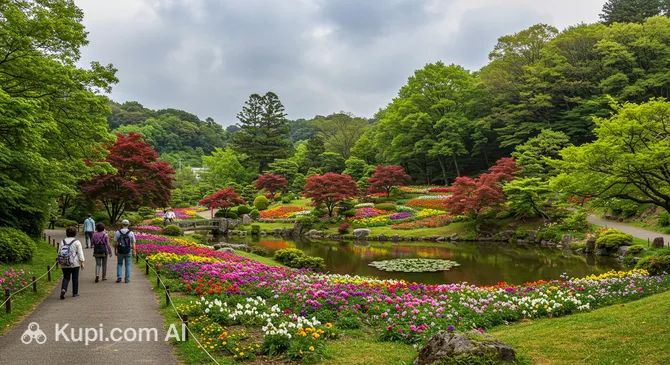
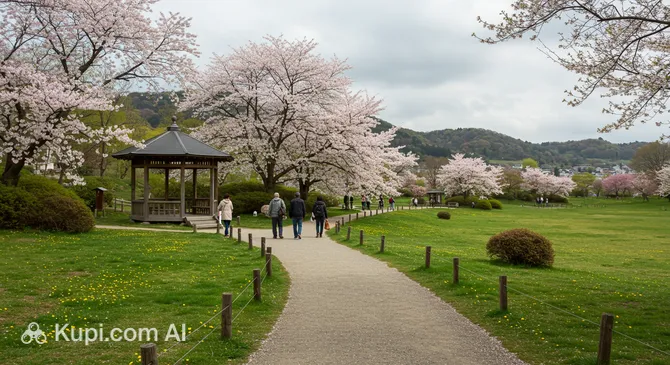
  • Spring in Ome is a special time thanks to the lush cherry blossoms. The city is literally bathed in pale pink petals, and locals and visitors alike host picnics on the banks of the Tama River. One of the favorite spots for hanami (flower viewing) is Kamanofuchi Park.

Kamanofuchi Park. Illustration.
Source: Kupi.com AI

Traveler photos:

How to Get There

There are several ways to reach the city of Ome, comfortably located in the western part of Tokyo Prefecture; however, the most common method for international tourists is an air flight to one of the major airports in the capital of Japan. From there, Ome can be reached by train or car.

The primary gateways for traveling to Ome are Tokyo's two main international airports:

Haneda Airport (IATA: HND), also known as Tokyo International Airport, is one of the busiest airports in the world. It is located in Tokyo, approximately 52.6 km southeast of Ome. It is a major international and domestic hub. A trip by car or taxi from Haneda Airport to Ome will take roughly 1.5-2 hours, depending on traffic conditions. Numerous public transport options are also available from Haneda, including trains and buses that connect the airport with central Tokyo stations, where you can easily transfer to trains bound for Ome.

Narita International Airport (IATA: NRT) is another major international airport serving Greater Tokyo. It is located in the city of Narita (Chiba Prefecture), about 100.4 km east of Ome. Despite the greater distance, Narita handles a vast number of international flights. The drive from Narita to Ome can take about 2.5-3 hours. Narita Airport also has an excellently developed transport network: express trains (such as the Narita Express) and limousine buses will take you to key transport hubs in Tokyo for further transfers to Ome.

For clarity, here is a summary of the main airports through which you can reach Ome:

AirportPassenger trafficDistance
Haneda Airport85.7 mln53 km
Narita International Airport40.8 mln100 km
Ibaraki Airport776 063112 km
Matsumoto Airport112 618129 km
Shizuoka Airport691 274148 km

In addition to flights, Ome is perfectly connected to central Tokyo and other cities in the region by an extensive railway network. After arriving at one of the Tokyo airports and transferring to a major railway station (such as Shinjuku, Tokyo, or Tachikawa), you can easily find a train heading toward Ome. The JR Ome Line directly connects the city with central districts. A train journey from central Tokyo to Ome usually takes between 1 and 1.5 hours, depending on the type of train and the departure station. We recommend using online route planners like HyperDia or Jorudan to check the latest schedules and choose the optimal route.

Main Attractions

The city of Ome, located in the Tokyo Prefecture, offers its guests several interesting sites that allow for a closer look at the region's culture and nature. Here, you will find spots for both history buffs and those who appreciate quiet relaxation in nature.

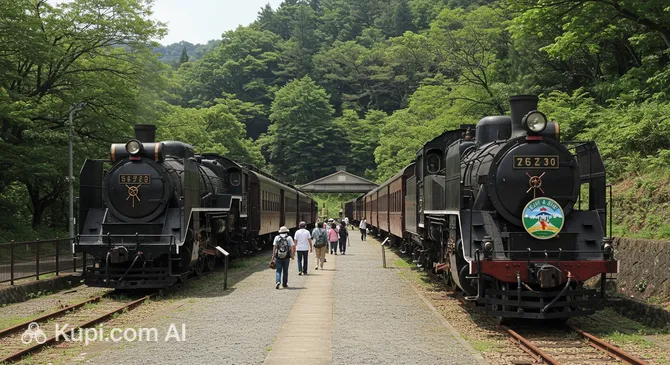
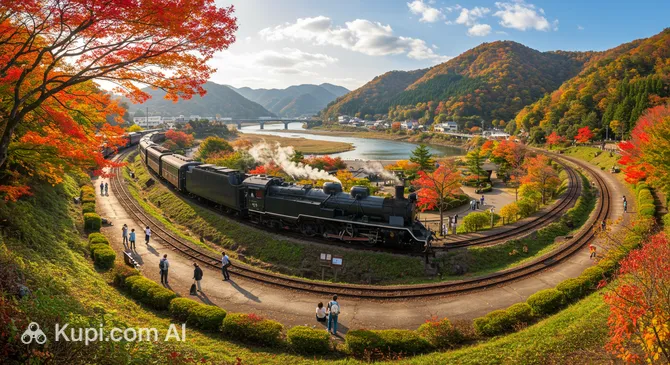
One of the iconic landmarks is the Ome Railway Park. It is a true paradise for anyone interested in trains and the history of rail transport in Japan. The park displays authentic locomotives and carriages, including steam engines, as well as a collection of models and artifacts. Visitors can not only view the exhibits but also learn a lot about the development of railways. This place is especially popular with families with children.

Ome Railway Park. Illustration.
Source: Kupi.com AI

Traveler photos:

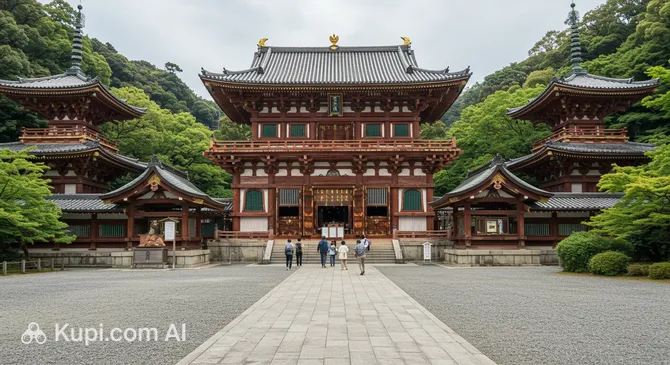
For those seeking spiritual peace and beauty, the Shiofune Kannon-ji Temple is a must-visit. This ancient Buddhist temple is famous for its magnificent gardens, which are particularly impressive during the azalea blooming season in spring when the hillsides are covered in a vibrant carpet of flowers. The temple is also known for its statue of the goddess Kannon and offers visitors a quiet atmosphere for reflection and enjoying natural harmony.

Shiofune Kannon-ji. Illustration.
Source: Kupi.com AI

Traveler photos:

Nature and outdoor activity enthusiasts should check out Kamanofuchi Park. Located along the scenic Tama River, this park is a wonderful place for walks, picnics, and simply relaxing in the fresh air. Here you can enjoy beautiful landscapes, listen to the sound of the river, and take a break from the city noise. The park is especially beautiful in different seasons, offering changing views and colors of nature.

Kamanofuchi Park. Illustration.
Source: Kupi.com AI

Traveler photos:

Another great place for walking and relaxation is Wakagusa Park. This spacious park offers well-kept lawns, playgrounds, and walking paths. It is ideal for family holidays, outdoor sports, or just enjoying peace and quiet away from the city bustle.

Local Cuisine

The gastronomy of Ome is closely linked to its picturesque natural surroundings and offers tourists unique culinary experiences. The city is especially famous for dishes made from fresh river fish caught in the local Tama River. Be sure to try grilled ayu (Japanese sweetfish) and tender eel dishes. These are often served in traditional waterside restaurants where the fish is prepared using old recipes to maximize its natural flavor and freshness.

In addition to fish delicacies, you should taste homemade udon noodles in Ome, which are often prepared by hand here, giving them a special texture and taste. Local cafes and family restaurants will also delight you with seasonal dishes made from fresh vegetables and mushrooms gathered in the surrounding forests. Don't miss the chance to try the famous Japanese manju cakes with various fillings and delightful chestnut treats – they are considered a true delicacy of this region.

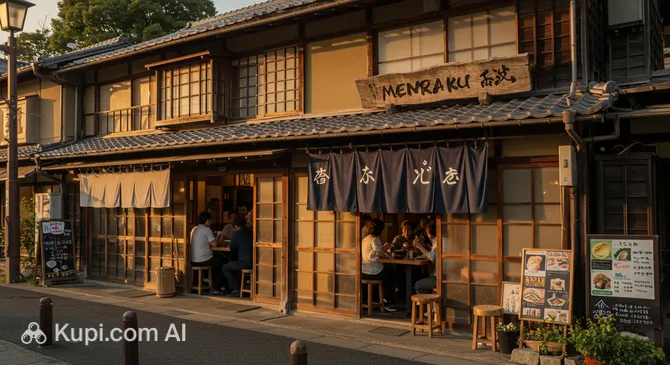
Menraku. Illustration.
Source: Kupi.com AI

Traveler photos:

The food culture in Ome offers a variety of options for both locals and tourists. You will find many cozy cafes and restaurants where you can enjoy authentic local specialties. For example, to get to know the local cuisine, you can stop by the Menraku restaurant. Ome's street markets are always lively, selling fresh fruit, traditional pickles, and various sweets. As for drinks, besides classic Japanese green tea, it's worth paying attention to local sake, especially during food festivals where you can meet the producers.

Ome's culinary scene is particularly vibrant during spring and autumn food festivals. These events are a great opportunity to try rare dishes, discover new flavors, learn about local culinary traditions, and even participate in workshops on making traditional Japanese sweets. A visit to Ome will provide you not only with beautiful views but also with unforgettable gastronomic discoveries.

Travel Tips

Welcome to Ome! To make your journey to this picturesque corner of Japan as comfortable and memorable as possible, we have prepared a few practical tips. We hope they help you better plan your trip.

  1. Clothing and Essentials:

    The climate in Ome is characterized by changing seasons. In summer (June-August), it is hot and humid, so choose light, breathable clothing. In winter (December-February), it can be cold, especially if you plan to walk in the mountains – you will need warm clothes, a hat, gloves, and a scarf. Spring (March-May) and autumn (September-November) are the most pleasant times with moderate temperatures, ideal for outdoor activities; layered clothing is the best choice. Comfortable shoes are an absolute necessity, as you will be doing a lot of walking, especially if you want to explore the nature trails along the Tama River. Don't forget an adapter for your electronics (Japan uses Type A sockets, 100V voltage). When visiting temples and shrines, it is customary to dress modestly (ideally with shoulders and knees covered).

  2. Transport in Ome:

    The main means of transport in and around Ome are JR trains, specifically the JR Ome Line. They provide convenient connection with central Tokyo and key points of interest in the region. Local buses also run, connecting railway stations with more remote areas. Taxis are available but can be quite expensive; taxi apps such as JapanTaxi or Go may come in handy. Renting a car is not mandatory for moving around the city itself but can be convenient if you plan a deeper exploration of the mountainous areas of Tokyo Prefecture. Remember that traffic in Japan is left-hand drive, and you will need an international driving permit.

  3. Finance: All About Money:

    The local currency is the Japanese yen (JPY). It is recommended to exchange currency at the airport upon arrival or at banks in major cities, as exchange options in Ome itself may be limited. Credit and debit cards are accepted in many hotels, large shops, and restaurants; however, cash still plays an important role, especially in smaller establishments, at local markets, and for paying fares on some buses. International cards (Visa, Mastercard) usually work without problems at ATMs in 7-Eleven (Seven Bank) and Japan Post (JP Post Bank) branches, which are easy to find. An approximate daily budget (excluding accommodation) can be 5,000-8,000 JPY for a budget traveler and 10,000-15,000 JPY for a mid-range level of comfort. Tipping is not practiced in Japan and may be perceived as a misunderstanding; good service is already included in the price.

  4. Health and Safety:

    Japan in general, and Ome in particular, is considered one of the safest countries in the world with a very low crime rate. Nevertheless, it is always worth taking basic precautions: keep an eye on your belongings, especially in crowded places. Pharmacies (look for the characters 薬, "kusuri", or the word "drugstore" on signs) are easy to find and offer over-the-counter medicines. Some of them may not be open 24 hours. In case of serious health problems, you should contact a hospital (病院, "byouin"). It is highly recommended to take out travel medical insurance before your trip. Tap water throughout Japan is safe to drink.

  5. Communication and Connectivity:

    The official language is Japanese. The level of English proficiency among the local population in Ome may not be high, especially among the older generation. However, in tourist information centers, hotels, and at some stations, staff often speak English. Learn a few basic Japanese phrases: "Konnichiwa" (Hello/Good afternoon), "Arigato" (Thank you), "Sumimasen" (Excuse me/Sorry) — these are always appreciated by locals. For constant internet access, consider purchasing a tourist SIM card (available at airports and large electronics stores) or renting a pocket Wi-Fi router. Free Wi-Fi can be found in some hotels, cafes, and at railway stations. Useful apps: Google Maps for navigation, Google Translate for translation, and HyperDia or Jorudan for checking train schedules.

  6. Local Etiquette: Respect for Traditions:

    Japanese people are very polite and value respect for their culture. A slight bow is a common form of greeting, apology, and expression of gratitude. In public places, especially on trains and buses, try to speak quietly and refrain from loud phone conversations. Be sure to remove your shoes before entering Japanese homes, many temples, traditional inns (ryokans), and some restaurants with tatami areas. Usually, a special shelf or designated spot is provided for outdoor shoes at the entrance. It is considered impolite to eat or drink while walking on the street; it is better to stop and do so in a designated area or establishment.

  7. Things to Avoid:

    To avoid awkward situations or showing disrespect, remember a few rules. Do not stick your chopsticks vertically into a bowl of rice – this action is associated with funeral rituals. Try not to point at people or objects with your index finger; if you need to indicate a direction, use an open palm. Avoid loud talking and noisy behavior in public places, especially in transport, temples, and shrines – this can be perceived as disrespect to those around you.

  8. Special Tip for Ome:

    Ome is famous for its magnificent nature, especially the scenic Tama River and the surrounding mountains. Be sure to set aside time for hiking the many trails, for example, along the Mitake-Shosen Gorge or climb Mount Mitake, where the ancient Musashi-Mitake Shrine is located. This is a wonderful opportunity to take a break from the city's hustle and bustle, enjoy the fresh air and the beauty of the Japanese landscape. Don't forget to bring water and perhaps a light snack for such hikes.

We hope these tips help you better prepare for your trip to Ome and get the most out of visiting this charming city. We wish you an unforgettable journey through Japan!

Entertainment & Nightlife

Ome, situated in a picturesque part of Tokyo Prefecture, offers its guests a calm and measured evening experience rather than the frantic nightlife of megacities. Here, you won't find noisy districts with neon signs and numerous nightclubs open until dawn. Instead, Ome charms with its cozy atmosphere, the opportunity to enjoy delicious food in traditional establishments, and pleasant conversation in a relaxed setting.

The core of evening entertainment in Ome consists of restaurants and cozy izakayas (Japanese pubs). Many establishments offer local cuisine and are excellent places for dinner and a quiet evening. Here you can enjoy authentic flavors without worrying about excessive costs. For example, the average check for dinner at a local restaurant or izakaya usually ranges from 2,500 to 5,000 yen per person, including drinks. The cost of a single drink in a bar or izakaya is typically 500-1,000 yen. You could visit, for instance, the Menraku restaurant, known for its dishes, or stop by Tantanmen Sugiyama to try their signature offerings. These places are great for getting to know the gastronomic side of Ome.

While there are few large nightclubs or concert venues in Ome, you can spend the evening in one of the local bars or izakayas, often located near Ome Station or on adjacent streets. The atmosphere in such places is usually very friendly and conducive to socializing. The crowd here generally consists of locals and tourists who appreciate authenticity. The dress code in most places is casual. Restaurants typically operate until 9:00 PM - 10:00 PM, while some bars may stay open a bit longer.

Menraku. Illustration.
Source: Kupi.com AI

Traveler photos:

When planning an evening in Ome, it is worth noting that public transport may stop running earlier than in larger cities. Taxis are a reliable option for late-night travel. Japan in general, and Ome in particular, are considered very safe, so nighttime walks along lit streets usually cause no concern. Nevertheless, standard precautions are always recommended. Taxis can be ordered through a hotel desk, at a restaurant, or found at designated stands, such as by the station.

Regarding daytime entertainment, Ome offers plenty for nature and culture lovers. The city is surrounded by mountains and forests, ideal for hiking. You can visit places like Kamanofuchi Park, which offers beautiful views and outdoor relaxation opportunities, or the unique Ome Railway Park, which will be interesting for both adults and children. These attractions will help you better understand this charming corner of Japan.

Parks & Museums

The city of Ome, located in Tokyo Prefecture, offers its guests a harmonious blend of scenic natural spots and interesting cultural sites. Here, you can enjoy the tranquility of parks and gardens, as well as get acquainted with the rich history and traditions of the region through its museums and historical monuments.

Among the green oases of Ome, Kamanofuchi Park particularly stands out. This park, stretching along the Tama River, is a wonderful place for walks, picnics, and admiring nature. Its well-kept paths and picturesque views attract both locals and tourists wishing to take a break from the city's hustle and bustle. Another popular spot for outdoor relaxation is Wakagusa Park, which offers spacious lawns and playgrounds, making it ideal for family time.

Kamanofuchi Park. Illustration.
Source: Kupi.com AI

Traveler photos:

Wakagusa Park. Illustration.
Source: Kupi.com AI

Traveler photos:

A special place among attractions that combine nature and culture is the Shiofune Kannon-ji Temple. This ancient Buddhist temple is famous not only for its historical significance but also for its magnificent azalea garden, which blooms in spring, creating an unforgettable sight. A stroll through the temple grounds allows you to touch the spiritual atmosphere and enjoy the beauty of Japanese landscape design.

Shiofune Kannon-ji. Illustration.
Source: Kupi.com AI

Traveler photos:

For those interested in history and technology, the Ome Railway Park is a must-visit. This is a unique place that houses a collection of vintage trains and artifacts related to the history of railway transport in Japan. The park will be of interest to both adults and children, offering interactive exhibits and the opportunity to learn much about the development of railways.

Ome Railway Park. Illustration.
Source: Kupi.com AI

Traveler photos:

In addition to large parks and museums, Ome hides less famous but equally charming corners. For example, a walk through the old streets of the city might reveal small local galleries or workshops displaying the work of local craftsmen. You should also look out for seasonal festivals, which are often held in the city and introduce local traditions and culture, offering authentic experiences during your visit to Ome.

Getting Around

When planning your travel around Ome, keep in mind that it is not a massive metropolis, and its transport system matches its size while remaining convenient and efficient. The core of public transport here consists of trains and buses, which provide good connectivity both within the city and to other areas of Tokyo.

Main modes of transport:

The city's main transport artery is the JR Ome Line. Trains on this line connect Ome with central Tokyo and other cities in the region. This is the fastest and most convenient way to reach Ome and travel significant distances in its surroundings. The stations are well-equipped, and the train schedule is quite frequent.

The rail service is complemented by a network of local buses. Buses run on various routes, covering areas that trains do not reach and providing access to local attractions, residential neighborhoods, and public institutions. Routes and schedules are usually available at stops and online.

Payment system:

In Ome, as throughout Japan, IC transport cards such as Suica or Pasmo are very popular. These rechargeable smart cards can be used to pay for train and bus fares with a simple tap on the validator at the entrance and exit. Cards can be purchased and topped up at machines in railway stations or in some stores. Typically, IC cards are topped up in amounts of 1,000 yen and up, depending on the planned frequency of travel. Besides convenience, they often provide a small discount compared to buying single tickets.

Of course, you can always purchase single paper tickets. Their cost depends on the distance; a short train or bus trip within the city might cost between 200-300 yen, but the exact amount will vary. Ticket machines are usually located at railway stations. In buses, payment is made upon entering or exiting (depending on the specific bus company's system); you can often use an IC card or pay in cash (it's advisable to have small change, as drivers cannot always give change for large bills).

Practical tips for tourists:

Train tickets and IC cards are easiest to purchase at railway stations. To top up IC cards, you can also use machines or ticket offices at stations and some 24-hour convenience stores (konbini). IC cards are validated at station ticket gates or at special readers on buses. Public transport operating hours in Ome are generally from early morning (around 5-6 AM) until late evening (trains may run until about midnight, while buses finish earlier). It is recommended to check schedules in advance, especially if late-night trips are planned.

Alternative ways of moving around:

Taxis are available in Ome, especially near railway stations and in central areas. This is a more expensive but comfortable option, especially for traveling with luggage or at night. The fare is calculated by the meter.

Given Ome's picturesque nature and surroundings, walking and cycling can be excellent ways to explore the city, especially for short distances and visiting parks or waterfronts. You should check for bike rental options locally, as they may be limited.

Overall, Ome's transport system is simple to understand and use. Having an IC card significantly simplifies the payment process, and trains and buses allow you to reach most interesting places.
Accommodation

In the city of Ome, travelers will find various accommodation options to suit different preferences and budgets. You can stay in traditional Japanese inns, more modern hotels, or consider private rental options, allowing you to find the perfect place for your holiday in this scenic part of Japan.

Ryokans (traditional Japanese inns) and minshuku (family-run guesthouses) are particularly popular, offering a deeper immersion into the local culture and Japanese hospitality. In Ome and its surroundings, you can also find more familiar Western-style hotels, although the choice may not be as wide as in large metropolises. For those who prefer more privacy and independence, apartment or house rentals are available, providing a homey feel.

When choosing a place to stay in Ome, consider areas located near natural attractions, such as Kamanofuchi Park or the picturesque banks of the Tama River. These locations offer beautiful views and walking opportunities. Options near railway stations can also be convenient, making it easier to travel around the city and its environs, including trips to places like Ome Railway Park. Many ryokans and minshukus are located in quiet, secluded spots, offering guests a peaceful retreat.

Kamanofuchi Park. Illustration.
Source: Kupi.com AI

Traveler photos:

When planning a trip to Ome, especially during peak tourist seasons such as the cherry blossom time in spring or the autumn foliage viewing period, it is recommended to book accommodation in advance. This will allow you to choose the most suitable option in terms of location and price, and avoid situations where popular hotels and ryokans are fully booked.

The price range for accommodation in Ome varies from budget options in guesthouses to more expensive offers in high-quality ryokans or full-service hotels. You can book accommodation through popular international online booking platforms, or directly on the websites of hotels or ryokans if available. Some small traditional establishments may take bookings by phone or email, offering a more personalized approach.

Nearby Cities

For those who want to explore the surrounding area, Ome serves as an excellent starting point for day trips to several interesting nearby locations:

CityPopulationDistance
Hamura53 9704 km
Hinode17 0165 km
Akiruno79 6007 km
Mizuho56 1067 km
Fussa56 7137 km

Among these cities, a few are particularly attractive for short trips. Hachioji, located just 14 km away, attracts nature lovers with the famous Mount Takao, which offers scenic hiking trails and panoramic views. You can also visit the Musashi Imperial Graveyard here. Tokorozawa, 17 km away, will be of interest to families with children and aviation enthusiasts thanks to the Tokorozawa Aviation Museum and the Seibuen Amusement Park. Nearby is Lake Sayama, where you can enjoy a quiet retreat. The city of Tachikawa (15 km from Ome) is famous for its vast Showa Kinen National Park, an ideal place for picnics, cycling, and admiring seasonal flowers. The city also has modern shopping centers and restaurants.

These nearby destinations provide insight into the diverse culture and landscapes of the region.

Shopping & Souvenirs

Shopping in Ome offers travelers the chance to immerse themselves in the local flavor, far from the bustle of Tokyo's massive shopping centers. The city is not known as a major shopping hub; however, you can find unique local goods and souvenirs reflecting the culture and nature of the region. The main focus is on small private shops, craft stalls, and food stores offering fresh local delicacies.

The primary shopping points in Ome are generally concentrated around Ome railway station and along the city's main streets. Here you will find small shops offering clothing, household goods, and traditional Japanese items. A walk along these streets allows you to better feel local life and perhaps discover interesting stalls with unique products.

In Ome, you are unlikely to encounter the giant modern shopping centers typical of megacities. Shopping here has a more intimate character. Instead of large malls, small specialized shops and family businesses predominate, where you can expect personal service and find items not found in mass-market chains.

While Ome may not have large permanent markets like those in Tokyo, tourists should look out for possible seasonal fairs or local festivals. During such events, farmers and artisans often set up stalls to sell their produce, including fresh vegetables, fruits, homemade preserves, and handcrafted items. Sometimes small shopping rows can be found near local temples during holidays.

As souvenirs from Ome, you can bring back traditional Japanese items such as ceramics, textiles, wooden crafts, or local sweets. Given the region's picturesque nature, items related to outdoor activities and nature can be popular. It is also worth paying attention to local food products – for example, locally produced sake or traditional Japanese snacks.

Most shops in Ome operate on a standard Japanese schedule: approximately from 10:00-11:00 AM to 7:00-8:00 PM. Small private shops may have their own schedules and closing days. Regarding payment, while credit cards are becoming more common, cash is often preferred in small shops and at local markets. It is recommended to carry a sufficient amount of yen.

Japan has a Tax-Free system for foreign tourists. This service is available at stores with the appropriate license (usually marked with a "Japan Tax-Free Shop" logo) when purchasing goods totaling over 5,000 yen (excluding tax). You will need to present your passport to process the refund. In Ome, the number of shops providing Tax-Free may be limited compared to larger cities, but it is worth checking this possibility when making purchases.

Reached the end of the page?

That means the route is fully explored