Support

Tachikawa

About

Tachikawa is a vibrant and dynamic city nestled on the island of Honshu, just 40 kilometers west of Tokyo. It occupies a strategic position on the banks of the Tama River, which not only beautifies the city but also serves as a natural border with neighboring Hino. Despite its proximity to the metropolis, Tachikawa has retained its own character and charm: modern urban infrastructure, the tranquility of residential areas, and picturesque natural corners blend here in surprising harmony.
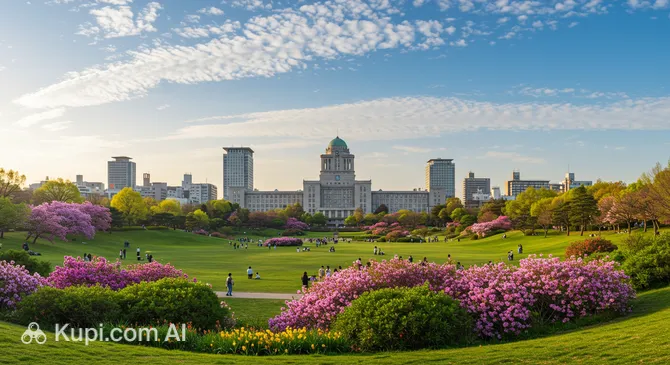
Tachikawa. Illustration.
Source: Kupi.com AI

With a population of about 181,000, Tachikawa is considered one of the key cities in the western part of Tokyo Prefecture in Japan. Thanks to a well-developed transport system—from traditional railways to the monorail express—the city is ideal for travelers who want to quickly reach the capital's center while enjoying the more relaxed atmosphere of the suburbs.

Tachikawa has a wonderfully warm and friendly atmosphere. It's easy to feel like a local here: stroll through cozy streets, sit in a cafe overlooking the river, stop by a farmers' market, or have a picnic in one of the city parks. The city is famous for its shopping centers, stylish department stores, and rich cultural life—from jazz clubs to street festivals. Popular places for relaxation and shopping include Showa Kinen Park and the Green Springs complex.

It is worth coming to Tachikawa for its unique combination of urban energy and natural beauty. Here you can take a break from the hustle and bustle of Tokyo, get inspired by Japanese design and architecture, make unexpected gastronomic discoveries, and simply enjoy life in the Japanese "slow life" style.

You can find more interesting facts on the history of Tachikawa page.
Weather Overview

The weather in Tachikawa is characterized by warm summers with periodic rains, where the average temperature in August is about 26.4°C, and the maximum can reach 29.5°C. Winters here are cool and drier, with an average January temperature of about 3.5°C, while minimum temperatures can drop to -0.8°C. The highest amount of precipitation and rainy days occur during the summer months, especially July and August, while winter, particularly January and December, is the driest period. For detailed information on the climate of Tachikawa, including data by month, please go to the corresponding page.

Average monthly temperature

Average monthly precipitation

Interesting Facts

Beyond its well-known landmarks, Tachikawa hides many interesting stories and unique features that make this city truly special. Here are just a few little-known facts that will help you look at Tachikawa from a new perspective.

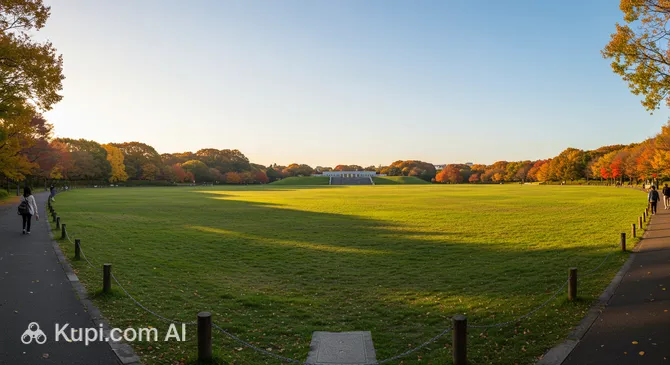
Showa Memorial Park Open Field. Illustration.
Source: Kupi.com AI

Traveler photos:

  • The city of Tachikawa historically grew on the path of the ancient Koshu Kaido postal road. For centuries, this road was an important artery connecting Edo (the old name for Tokyo) with other regions of Japan. Although a modern highway runs in its place today, echoes of the past can still be found in street names and some old buildings.

  • On the site of a former military airbase, the massive Showa Memorial Park now stretches out. This park, which includes areas such as the Open Field in Showa Park and the Showa Kinen Park BBQ Garden, has become a true green oasis for citizens and a popular spot for cyclists, families with children, and everyone who values outdoor recreation.

  • In Tachikawa, there is a unique zelkova tree around which a kindergarten has been operating for over half a century. This amazing place has become a true symbol of the city, illustrating a harmonious combination of nature and a modern approach to raising and educating children.

  • One of the most unusual and atmospheric places in Tachikawa is considered to be the quarter located around the "Half Town" jazz club. This area is known for its special aura of freedom, creative energy, and lively nightlife, which attracts not only locals but also curious tourists.

How to Get There

The most convenient way to get to Tachikawa, located in Tokyo Prefecture, is by air through one of the major international airports serving the capital of Japan. Tachikawa itself does not have its own airport, but thanks to the country's developed transport system, the journey from the nearest air hubs will not take long.

The primary option for many travelers is Haneda Airport (HND), officially known as Tokyo International Airport. It is located in Tokyo, approximately 38 km southeast of Tachikawa. This is one of the busiest airports in the world, offering many domestic and international flights. A trip from Haneda to Tachikawa by taxi or limousine bus usually takes from 1 hour 15 minutes to 1 hour 45 minutes, depending on traffic. You can also reach Tachikawa from Haneda Airport by train with one or more transfers, which is often a fast and convenient option.

Another significant international airport is Narita International Airport (NRT). It is also in the metropolitan region but further from Tachikawa, about 89 km to the east (formally in Chiba Prefecture, but it serves Tokyo). Narita International Airport serves a large number of international destinations. The journey from there to Tachikawa will take longer: about 2-3 hours by car (taxi, bus) or train (for example, the Narita Express to one of Tokyo's central stations, followed by a transfer to a line to Tachikawa).

For clarity, here is summary information on the main airports through which you can reach Tachikawa:

AirportPassenger trafficDistance
Haneda Airport85.7 mln38 km
Narita International Airport40.8 mln89 km
Ibaraki Airport776 063105 km
Matsumoto Airport112 618143 km
Shizuoka Airport691 274151 km

In addition to taxis and buses, Tachikawa can be reached from both major airports (Haneda and Narita) using Japan's extensive railway network. This is often the most efficient way to travel, especially during peak hours. It is recommended to research train routes and schedules in advance to plan your transfer most conveniently.

Main Attractions

Tachikawa, comfortably located in Tokyo Prefecture, offers its guests diverse opportunities for relaxation and educational excursions. The city is rich in both natural beauty and cultural sites capable of interesting even the most discerning traveler.

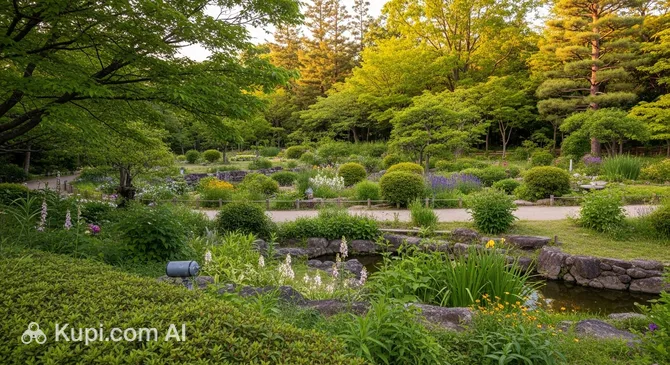
One of the main places for walks and relaxation is Tachikawa Park. This is a wonderful place to enjoy nature, have a picnic, or simply take a break from the city bustle. The park offers well-kept alleys, playgrounds, and seasonal flower arrangements, making it attractive for visitors of all ages at any time of year.

Tachikawa Park. Illustration.
Source: Kupi.com AI

Traveler photos:

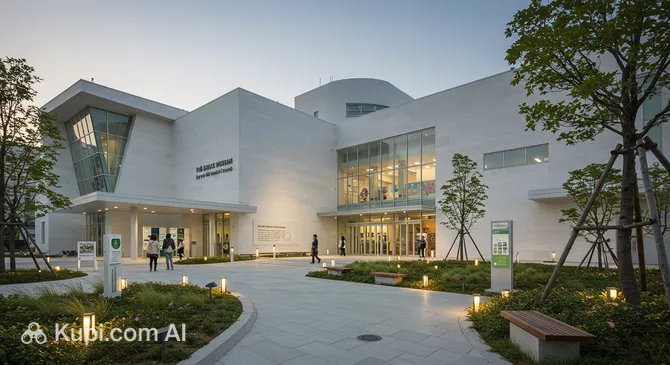
For those interested in science and research, a visit to the Museum of Polar Science is a must. This unique museum tells the story of history and modern achievements in the study of the Arctic and Antarctic. The exhibits include polar explorers' equipment, samples of flora and fauna from the polar regions, and interactive stands that make the visit particularly exciting for children and adults.

Polar Science Museum. Illustration.
Source: Kupi.com AI

Traveler photos:

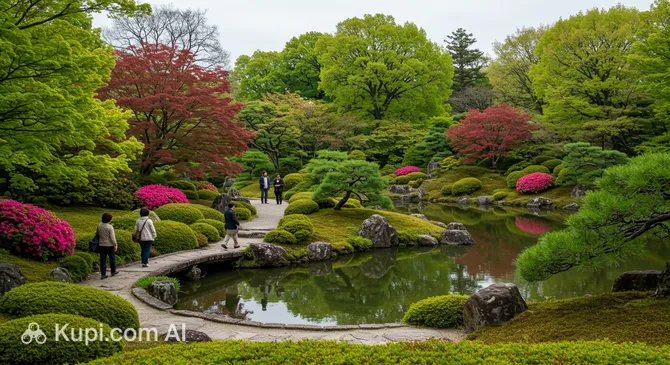
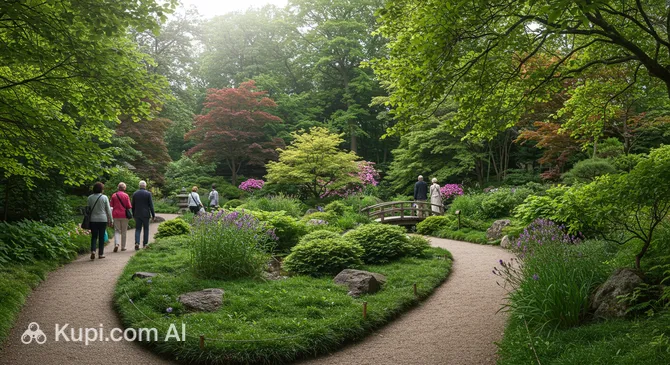
Fans of traditional Japanese culture should definitely stop by the Tachikawa Japanese Garden. This is an oasis of peace and harmony where you can admire classic elements of Japanese landscape design: ponds with koi carp, stone lanterns, elegant bridges, and carefully selected plants. The garden is especially beautiful during the cherry blossom season in spring and the changing autumn colors.

Tachikawa Japanese Garden. Illustration.
Source: Kupi.com AI

Traveler photos:

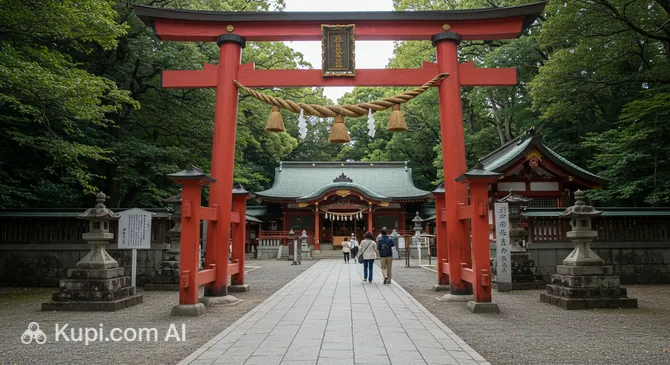
Another important cultural landmark is the Azusamiten Shrine. This Shinto shrine with a rich history attracts pilgrims and tourists with its peaceful atmosphere and beautiful architecture. A visit to the shrine provides an opportunity to touch the spiritual traditions of Japan and enjoy the silence surrounded by centuries-old trees.

Azusamiten Shrine. Illustration.
Source: Kupi.com AI

Traveler photos:

Tachikawa also offers other interesting places, such as the Tokyo Metropolitan Medicinal Plant Garden, where you can learn many new things about the world of flora, or the lively GREEN SPRINGS shopping center for shopping enthusiasts. Everyone will find something to their taste in this city.

Local Cuisine

The gastronomic scene of Tachikawa, like many cities in Japan, will delight travelers with its variety and quality. Although the city may not have world-famous unique dishes, here you can enjoy authentic Japanese cuisine in all its glory. This is a wonderful opportunity to get acquainted with the culinary traditions of the Kanto region and the entire country.

Be sure to try classic Japanese dishes. Numerous ramen shops await you, offering hearty and aromatic ramen with various broths and toppings. Don't miss the chance to enjoy the freshest sushi and sashimi prepared from high-quality seafood. It is also worth paying attention to tempura—tender pieces of vegetables and seafood in a light batter, and tonkatsu—a juicy breaded pork cutlet.

Regarding drinks in Tachikawa, as throughout Japan, green tea (sencha, matcha) is popular and served everywhere. In hot weather, mugicha (barley tea) is refreshing. Among alcoholic beverages, various types of sake (rice wine), shochu (a strong drink distilled from barley, rice, or sweet potato), and, of course, local Japanese beer are traditionally in demand.

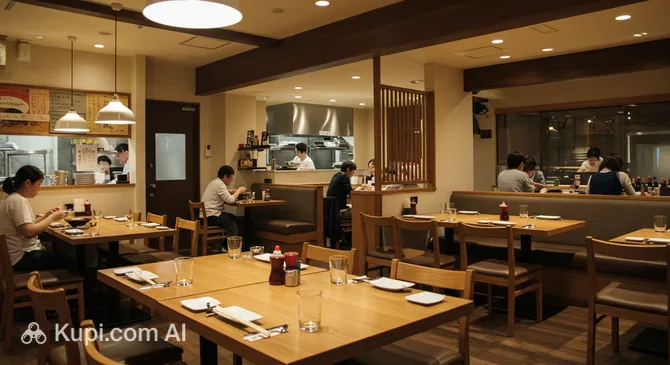
Mothers Oriental. Illustration.
Source: Kupi.com AI

Traveler photos:

Dining culture in Tachikawa is centered around numerous restaurants, cafes, and izakayas (Japanese pubs). Locals and tourists can find establishments for every taste and budget—from small family restaurants serving home-style food to more refined places. Izakayas are particularly popular for dinner with friends, offering a wide choice of dishes and drinks in a relaxed atmosphere. One example of an establishment where you can get to know the local cuisine is Mothers Oriental.

The gastronomic features of Tachikawa lie in the high quality of ingredients, attention to detail in food preparation, and a wide choice of venues. Even if you are not looking for specific local delicacies, the very experience of visiting Japanese restaurants, whether it's a bustling ramen shop or a cozy izakaya, will be a highlight of your trip. The city offers an excellent opportunity to immerse yourself in the everyday culinary life of Japan.

Travel Tips

Planning a trip to Tachikawa? Wonderful! To ensure your journey through this interesting city in Japan is as comfortable as possible and leaves only pleasant impressions, we have prepared some practical tips.

  1. What to bring with you: The climate in Tachikawa, as in all of Japan, is clearly divided by seasons. In summer, it is hot and humid here—choose light, breathable clothing. Spring and autumn will delight you with comfortable temperatures, ideal for layered outfits. In winter, it can be cool, sometimes with snow, so warm clothes are a must. A key wardrobe element is comfortable shoes for long walks. Don't forget a universal adapter (in Japan, type A and B sockets are used, voltage 100V) and a portable charger. When visiting temples and shrines, choose modest clothing that covers shoulders and knees.
  2. Transport in the city: Tachikawa is excellently connected to the Tokyo transport system. The main way to get around is by JR trains, and local buses also run. For travel within the metropolitan region, it is convenient to use IC cards (Suica or Pasmo), which can be topped up and used on most types of transport. Taxis are available but relatively expensive; you can use apps like JapanTaxi or Go. Renting a car for getting around the city and Tokyo's outskirts is generally not recommended due to excellent public transport, heavy traffic, and parking difficulties.
  3. Finances – money and payment: The official currency is the Japanese yen (JPY, ¥). Although the popularity of bank cards is growing, Japan remains largely a cash country, especially in small shops and cafes. It is best to exchange currency at the airport or authorized points. International cards (Visa, Mastercard) are accepted in large hotels, shops, and restaurants, and you can withdraw cash from ATMs at 7-Eleven, Japan Post Bank (post offices), and some other international banks. Tipping is not practiced in Japan and may be perceived as a misunderstanding. An approximate daily budget (excluding accommodation) could be 7,000-15,000 yen.
  4. Health and safety: Japan is a very safe country, and Tachikawa is no exception. The crime rate is low. Pharmacies (marked as "drugstore" or クスリ) are easy to find, but not all are open 24/7, and pharmacists do not always speak English. It is recommended to have travel insurance. In emergencies, you can contact large hospitals with English-speaking staff or use tourist assistance services. Follow common precautions, especially in crowded places.
  5. Language and communication: The official language is Japanese. English is common in tourist areas, hotels, and among young people, but not everywhere. Learn a few basic phrases: "konnichiwa" (hello), "arigato" (thank you), "sumimasen" (excuse me/sorry). For communication, renting a pocket Wi-Fi router or buying a tourist SIM card (available at airports and electronics stores) is very convenient. Free Wi-Fi exists but not everywhere. Useful apps: Google Maps (works great for navigation and transport schedules), JapanTravel by Navitime.
  6. Local etiquette – how to behave: Japanese people highly value politeness and respect for others. A greeting is often accompanied by a bow (a slight nod of the head will suffice for a tourist). In public places, especially on transport, try to speak quietly and not disturb others. Avoid eating and drinking on the go unless it is in a specially designated area. It is important to remove your shoes when entering homes, some temples, and traditional restaurants.
  7. What not to do: Never stick your chopsticks vertically into a bowl of rice—this is associated with funeral rituals. Also, try not to blow your nose loudly in public; it's better to step away to a restroom. Demonstratively counting your change can be perceived as a lack of trust.
  8. Tachikawa's specialty: Be sure to visit Showa Kinen Koen (Showa Kinen Park)—it is a huge and beautiful green zone where you can enjoy seasonal flowers, autumn leaves, rent a bicycle, or simply take a break from the city bustle. This is one of Tachikawa's main attractions and a wonderful place to spend the whole day.

We hope these tips help you better prepare for your trip and get the most out of your stay in Tachikawa. This city, combining modernity and proximity to nature, is sure to impress you. Enjoy your trip!

Entertainment & Nightlife

When the sun goes down, Tachikawa is transformed, offering its guests and residents various opportunities for evening and night recreation. While the city may not be as grand as some districts of Tokyo, there is certainly plenty of fun to be had after dark. The main concentration of nightlife venues is around Tachikawa Station, on both the north and south sides.

The nightlife atmosphere in Tachikawa is quite diverse: from traditional Japanese izakayas, where you can enjoy sake and local snacks in a cozy setting, to stylish bars and small clubs. The crowd here is a mix of locals, workers from the numerous offices, and, of course, tourists. Most establishments stay open until late at night, especially on Fridays and Saturdays. The dress code is generally casual or smart-casual, except for some more high-end places.

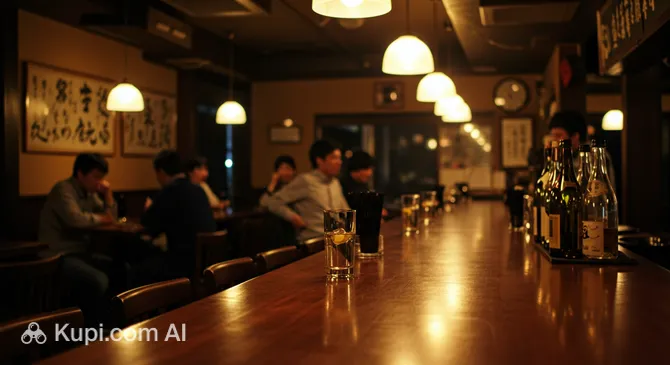
Osusumeya Tachikawa. Illustration.
Source: Kupi.com AI

Traveler photos:

Among the popular spots for evening pastimes, several interesting venues stand out. For example, the bar Osusumeya Tachikawa offers a good selection of drinks in a pleasant setting. If you are looking for something more dynamic, pay attention to Amusement Bar D.P.S Tachikawa, which falls into the night club category and promises an exciting program. Another option is MOTHERS at Tachikawa Station South Exit, also known as a great bar for meeting friends.

When planning an evening out, it is best to arrive at popular places closer to late evening, especially on weekends when they are most lively. Prices in the bars and clubs of Tachikawa are generally moderate but can vary depending on the level of the establishment. Getting to the center of nightlife is easy, as most venues are located near Tachikawa Station. However, remember that trains in Japan stop running late at night, so think ahead about how you will return to your hotel—taxis are always available at the station.

As for safety, the areas around Tachikawa Station are well-lit and considered safe for night walks. Nevertheless, as in any other city, common precautions should be observed. You can call a taxi at special stands near the station or ask the staff at a bar or restaurant to do it for you. Many taxi drivers do not speak English, so it is helpful to have your hotel address written in Japanese with you.

During the day, Tachikawa also offers plenty of interest. You can visit the expansive Tachikawa Park (Showa Kinen Park) with its beautiful gardens, such as the Tachikawa Japanese Garden, or explore the exhibits at the Museum of Polar Science. For shopping lovers, there are large shopping centers like GREEN SPRINGS or Tachikawa Tachihi. However, it is with the onset of evening that the city reveals its other, equally attractive side.

Parks & Museums

Tachikawa, a city with a rich cultural heritage and pleasant green zones, offers its guests diverse opportunities for relaxation and discovery. Here you can enjoy the tranquility of parks, immerse yourself in history in museums, and touch upon local traditions.

One of the main places for outdoor recreation in Tachikawa is the famous Showa Kinen Park. This vast park offers many activities: from walking along picturesque alleys and relaxing on the Open Field in Showa Park to picnics in the specially equipped Showa Kinen Park BBQ Garden. The park also houses the beautiful Tachikawa Japanese Garden, where you can admire traditional landscape design and enjoy peace. Another popular place for walks and relaxation is Tachikawa Park, offering a pleasant atmosphere for family time. For botany lovers, an interesting place will be the Tokyo Metropolitan Medicinal Plant Garden, which features an impressive collection of various healing herbs and plants used in traditional medicine.

Showa Memorial Park Open Field. Illustration.
Source: Kupi.com AI

Traveler photos:

Tachikawa Japanese Garden. Illustration.
Source: Kupi.com AI

Traveler photos:

Tokyo Metropolitan Medicinal Botanical Garden. Illustration.
Source: Kupi.com AI

Traveler photos:

For those interested in science and research, a visit to the Museum of Polar Science is mandatory. Unique exhibits telling the story of the exploration of the Arctic and Antarctic are presented here, including authentic expedition equipment, dioramas, and materials about the flora and fauna of the polar regions. This is a wonderful opportunity to learn more about the harsh but incredibly fascinating corners of our planet and the contribution of researchers to their study.

Polar Science Museum. Illustration.
Source: Kupi.com AI

Traveler photos:

You can touch the spiritual side of Japanese culture by visiting the Azusamiten Shrine. This Shinto shrine with its traditional architecture, centuries-old trees, and peaceful atmosphere is an important spiritual center for local residents. For tourists, this is a great chance to get acquainted with the religious traditions of Japan and enjoy the tranquility of this place.

Azusamiten Shrine. Illustration.
Source: Kupi.com AI

Traveler photos:

In addition to large parks and well-known attractions, pay attention to small green corners and local temples often found in Tachikawa's residential areas—they can provide authentic experiences and peace away from busy tourist routes. If you are looking for a modern space for relaxation, shopping, and gastronomic discoveries, stop by GREEN SPRINGS—a multifunctional complex with shops, restaurants, a hotel, and beautiful green areas.

Getting Around

Getting around Tachikawa is quite convenient thanks to a well-developed public transport system. The backbone of the transport network is made up of trains and the monorail, complemented by bus routes that connect various city districts and railway stations.

The city's main arteries are the Japan Railways (JR) lines, such as the Chuo Line, Ome Line, and Nambu Line, which connect Tachikawa with central Tokyo and other cities. One of the city's hallmarks is the Tama Toshi Monorail Line, which not only provides convenient communication but also offers scenic views during the journey. Buses serve areas not reached by rail transport and are an important link in urban mobility.

The payment system in Tachikawa, as in all of Japan, is very convenient. The most popular method of payment is rechargeable smart cards, such as Suica or Pasmo. These cards can be used to pay for travel on trains, the monorail, and buses not only in Tachikawa but also in many other Japanese cities. Cards can be purchased and topped up at station machines. Single-trip tickets are also available, with the cost depending on the distance. For tourists planning to travel a lot, daily or special passes may be beneficial if offered by specific transport companies.

Tickets for trains and the monorail are usually bought at machines before entering the platforms. To validate a smart card, simply touch it to the reader on the turnstile when entering and exiting the station. When using a paper ticket, it must be inserted into a special slot in the turnstile. Public transport in Tachikawa operates from early morning until late evening, but keep in mind that service stops at night. Schedules are usually followed with high precision.

As an alternative to public transport, taxis are always available in Tachikawa. They are comfortable but are a more expensive travel option. Taxi stands are usually located at the exits of railway stations and large shopping centers. In some areas, bicycle rentals may be available, which is a great way for leisurely exploration of the surroundings, especially in good weather.

Accommodation

In the city of Tachikawa, tourists will find a variety of accommodation options to suit different preferences and budgets. The choice of housing ranges from modern hotels to more traditional Japanese inns, as well as apartments for short-term rental, allowing you to find the optimal choice for solo travelers, families, or groups.

The areas located near Tachikawa Railway Station are considered the most convenient for staying. This is a major transport hub providing easy access to both local attractions and other districts of Tokyo. Staying here saves time on commuting and puts you in the center of urban life. Many shops, restaurants, and entertainment venues are concentrated around the station.

GREEN SPRINGS. Illustration.
Source: Kupi.com AI

Traveler photos:

Although specific famous hotels were not mentioned in the information provided, you can find both middle-class hotels in Tachikawa offering comfortable accommodation with all necessary amenities and more budget-friendly options. In general, the price range can vary from economy class to more expensive offers, depending on the hotel level and the season. It is recommended to book accommodation in advance, especially if your trip falls during peak tourist season or major local events. For searching and booking, it is convenient to use popular online platforms or contact your chosen hotel directly.

Nearby Cities

For those who want to explore the surrounding area, Tachikawa serves as an excellent starting point for day trips to several interesting nearby locations:

Among them, Hachioji stands out, attracting nature lovers and hikers thanks to the famous Mount Takao with its scenic trails, temples, and monkey park. It is a wonderful place to enjoy panoramic views and fresh air. Nearby is Fuchu, a city with a rich history, home to one of the oldest and most revered shrines in the Kanto region—Okunitama-jinja. Fuchu is also known for its racecourse, attracting equestrian sports enthusiasts. Another interesting option is Tokorozawa, which is considered the cradle of Japanese aviation; here you can visit the Tokorozawa Aviation Museum. Additionally, the city offers relaxation at Lake Sayama and entertainment at Seibuen Park.

CityPopulationDistance
Higashiyamato84 2604 km
Kunitachi75 1334 km
Hino190 5985 km
Kokubunji129 6195 km
Akishima112 1105 km

These nearby destinations provide an insight into the diverse culture and landscapes of the region.

Shopping & Souvenirs

Tachikawa offers diverse shopping opportunities, catering to both everyday needs and the requests of tourists looking for something special. As an important transport hub and commercial center in western Tokyo, the city boasts modern shopping complexes and department stores. While Tachikawa might not be famous for unique crafts to the same extent as historical centers, it is easy to find high-quality Japanese goods, fashion clothing, electronics, and cosmetics here.

The main shopping activity is concentrated around Tachikawa Station, especially at its north and south exits. Large department stores such as Lumine and Isetan are located here, along with many small shops, boutiques, and specialized retail outlets stretching along the adjacent streets. These areas are always bustling and offer a wide selection of goods for every taste and budget.

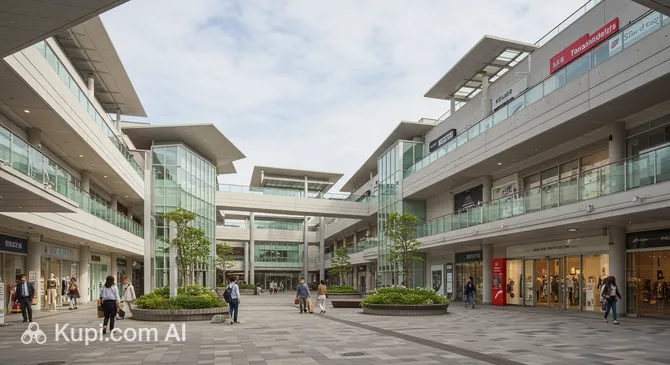
Among the major shopping centers, GREEN SPRINGS stands out—a modern multifunctional complex combining shops, restaurants, a hotel, and even a concert hall. This place attracts not only with its shopping opportunities but also with its pleasant atmosphere and green zones. Another popular shopping center is Tachikawa Tachihi, offering a wide range of goods and services.

Tachikawa Tachihi. Illustration.
Source: Kupi.com AI

Traveler photos:

While Tachikawa may not have the large traditional markets characteristic of some older Japanese cities, interesting finds can be made in the food departments of department stores (known as "depachika"), which present a huge selection of delicacies, sweets, and prepared dishes. Occasionally, seasonal fairs or small local markets are held in the city, where you can find farm products or handmade items.

As souvenirs from Tachikawa, you can bring popular Japanese goods: high-quality cosmetics, interesting stationery, items featuring anime characters (especially if you visit specialized stores), as well as various snacks and sweets with local flavors. More traditional Japanese souvenirs, such as ceramics, textiles, or tea, can also be found in department stores and specialty shops.

Most shops in Tachikawa are open from approximately 10:00-11:00 until 20:00-21:00. Large shopping centers and department stores may stay open a bit longer. Cash (Japanese yen) is accepted for payment, as well as credit cards (Visa, Mastercard, JCB, American Express are usually accepted in most places) and electronic payment systems popular in Japan, such as Suica or Pasmo.

For foreign tourists in Japan, a Tax Free system is in operation. In shops participating in this program (they usually have a corresponding sign), when purchasing goods for a certain amount (most often over 5000 yen excluding tax) and presenting a passport, you can arrange for a consumption tax refund. The procedure is usually handled right in the store at a special counter.

Reached the end of the page?

That means the route is fully explored