Support

Tama

About

Tama is a cozy and dynamic city located in the western part of the Tokyo metropolis, Japan. The city occupies a strategic position on southern slopes surrounded by picturesque hills and forests, and its surroundings are famous for clean air and a harmonious blend of nature and modern infrastructure. The Tama River flows along the city, which not only adds special charm to the local landscapes but has also historically served as an important waterway for the region.
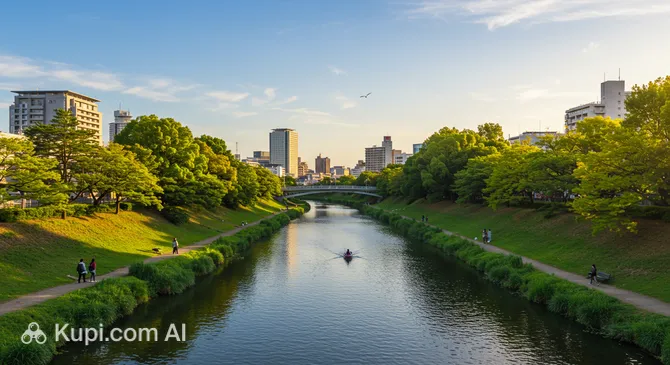
Tama. Illustration.
Source: Kupi.com AI

With a population of about 147,000 people, Tama is considered one of the key cities of the "Tama New Town" project—a large-scale urban initiative of the 1970s designed to create modern and convenient residential areas. Today, the city represents an ideal combination of comfort, innovation, and traditional Japanese lifestyle. The atmosphere of Tama is remarkably welcoming: it’s easy to feel like part of a large, friendly community here.

Tama attracts travelers with its numerous parks, diverse opportunities for family recreation, and unique cultural sites. One of the most famous attractions is the Sanrio Puroland theme park, dedicated to Hello Kitty and other popular characters. In addition, the city offers picturesque nature reserves for walks, cozy cafes, and traditional markets that allow for a deeper dive into local life. It is an excellent place for those who want to experience Japan off the standard tourist routes.

A visit to Tama is a wonderful opportunity to relax your soul, enjoy the harmony of nature and modern cityscapes, and discover new facets of Japanese culture. This city will undoubtedly leave you with warm and bright impressions.

You can find more interesting facts on the history of Tama city page.
Weather Overview

The weather in Tama shows noticeable seasonal variations. Summer, especially during the peak months of July and August, is typically warm, with average daytime temperatures around 25-26°C, and highs can reach 28-29°C. This period is also characterized by the highest humidity and rainfall, with approximately 18-21 rainy days per month. In contrast, winters are cool and drier. The average temperature in January stays around 3.8°C, occasionally dropping below freezing, while precipitation is minimal (about 2 mm per month) and the number of rainy days decreases to 8-10.

Thus, in Tama, you can expect a warm and rather humid summer followed by a cool and relatively dry winter. For more detailed information and to better prepare for your trip, we recommend checking the Tama climate page.

Average monthly temperature

Average monthly precipitation

Interesting Facts

Beyond its modern quarters and famous entertainment centers, Tama hides many interesting details and stories that make this city truly unique. Here are just a few of them:

  • "Tama New Town" – A Model of Urbanism: This massive project was one of Japan's largest initiatives to create residential zones. "Tama New Town" was originally conceived as an ideal space where modern urban development harmoniously blends with nature, which is reflected in numerous green zones like Tama Central Park.

  • World Capital of Hello Kitty: Tama is home to the world-famous Sanrio Puroland theme park. This is a true paradise for fans of Hello Kitty and other iconic characters of Japanese pop culture, attracting thousands of guests every year.

  • Zoo with Rare Inhabitants: The city of Tama boasts one of the most interesting zoos in the Kanto region. Here, visitors can not only see rare animals but also participate in interactive programs dedicated to nature conservation.

  • Legends of Ancient Sages: There are legends that in ancient times, the banks of the Tama River served as a haven for hermits and sages. They sought solitude and enlightenment here amidst the silence and picturesque landscapes, which adds a special atmosphere to the area.

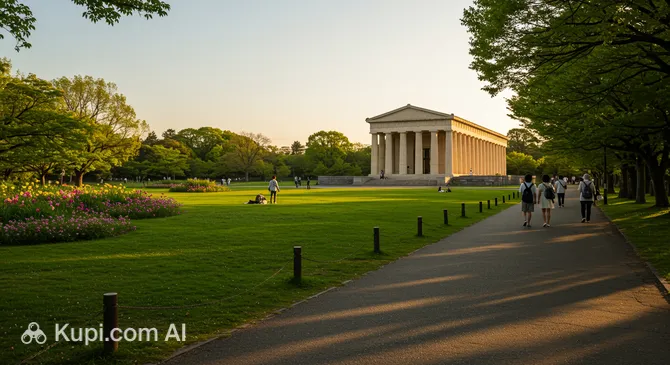
Tama Central Park. Illustration.
Source: Kupi.com AI

Traveler photos:

How to Get There

The most convenient way to reach Tama, located in Tokyo Prefecture, is through the major international airports serving the Japanese capital. The nearest and most significant are Haneda Airport and Narita International Airport.

Haneda Airport (IATA: HND), one of the world's busiest airports, is located in Tokyo, about 31.6 km from the center of Tama. A taxi ride from here to Tama will take about 1–1.5 hours, depending on traffic. Numerous public transport options are also available, including trains and buses that connect the airport to various Tokyo districts, from where you can reach Tama.

Another major international hub is Narita International Airport (IATA: NRT), also located in Tokyo but at a greater distance—about 86.2 km from Tama. Travel time by taxi can range from 2 to 2.5 hours. Narita also has well-developed connections to the city via express trains (such as the Narita Express) and limousine buses, which will take you to major Tokyo transport hubs where you can easily transfer to local lines to Tama.

For convenience, here is a summary of the main airports from which you can reach Tama:

AirportPassenger trafficDistance
Haneda Airport85.7 mln32 km
Narita International Airport40.8 mln86 km
Ibaraki Airport776 063106 km
Shizuoka Airport691 274148 km
Matsumoto Airport112 618150 km

Tama, being part of Greater Tokyo, is integrated into the region's extensive railway network. Although specific data for the main railway stations directly in Tama is not provided, the city is served by several lines, including lines of private railway companies Keio Corporation and Odakyu Electric Railway, as well as the Tama Toshi Monorail Line. These lines provide convenient connections to central Tokyo districts and neighboring cities. To plan a train trip, it is recommended to use online route planners or navigation apps, which provide up-to-date information on stations, schedules, and transfers.

Main Attractions

Tama, a charming city in the Tokyo Prefecture, offers its visitors several wonderful places for relaxation and getting to know the local culture. Here you can find both serene traditional gardens and modern park areas, as well as places to enjoy authentic Japanese cuisine.

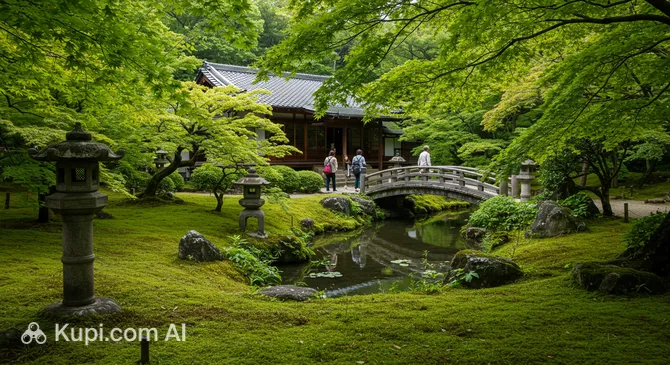
One of the main attractions in Tama is the Mogusaen Garden. This ancient garden is particularly famous for its ume plum trees, which bloom lushly in late winter and early spring, creating a truly magical sight. Visitors can take a leisurely stroll along picturesque paths, admire traditional Japanese buildings and ponds, while enjoying the peace and beauty of nature. It is a wonderful place to feel the spirit of old Japan.

Mogusaen Garden. Illustration.
Source: Kupi.com AI

Traveler photos:

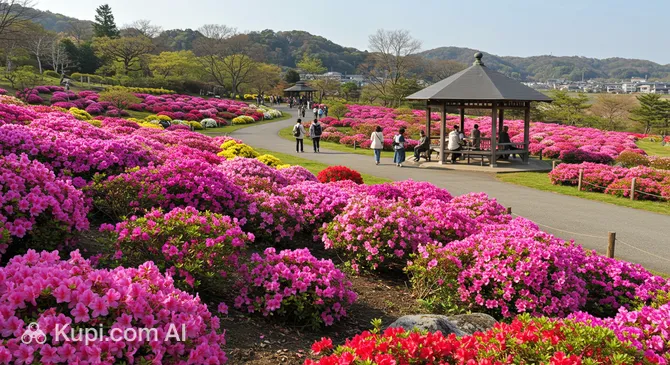
Nature lovers and spring blossom enthusiasts should definitely visit Sakuragaoka Park. Its name, which translates as "Cherry Blossom Hill," speaks for itself. In spring, the park's slopes are covered with a soft pink carpet of blooming cherry blossoms, attracting many who wish to enjoy this magnificent sight. The park also features spacious lawns perfect for picnics and playgrounds, making it a popular spot for family recreation.

Sakuragaoka Park. Illustration.
Source: Kupi.com AI

Traveler photos:

Another significant green corner of the city is Tama Central Park. This is a vast territory with diverse landscape zones, a large picturesque pond inhabited by waterfowl, and numerous paths for walking, running, or cycling. The park offers both opportunities for active recreation and secluded spots for quiet contemplation of nature, attracting visitors of all ages.

Tama Central Park. Illustration.
Source: Kupi.com AI

Traveler photos:

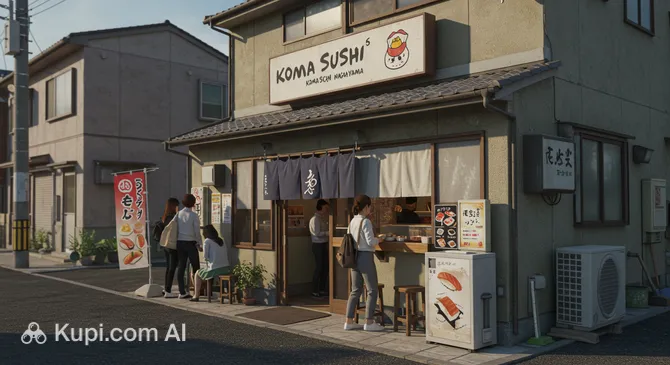
For those wishing to get acquainted with the local gastronomy, Koma Sushi Nagayama can be an interesting choice. This establishment is known for its fresh sushi and other traditional Japanese dishes prepared with great skill. A visit to this restaurant is an excellent opportunity to taste the authentic flavors of the region and enjoy high-quality Japanese cuisine in a pleasant atmosphere.

Koma Sushi Nagayama. Illustration.
Source: Kupi.com AI

Traveler photos:

Local Cuisine

The gastronomy of Tama is an exciting journey where centuries-old culinary traditions of the Kanto region harmoniously blend with modern gastronomic trends. The foundation of local cuisine is the freshest seasonal products, including vegetables and fish from nearby bodies of water, which makes every dish especially tasty and authentic.

Be sure to try classic dishes such as udon and soba—hearty noodles made from wheat and buckwheat flour respectively, which are prepared in a special way here. Equally popular are yakitori—appetizing grilled chicken skewers, which are often served in cozy izakaya (traditional Japanese pubs), where you can dive into the atmosphere of local hospitality. In such establishments, it is also worth paying attention to seasonal dishes made from mushrooms and wild herbs, especially those gathered around Okutama.

Among the local drinks, fragrant Japanese tea, brewed according to ancient recipes, stands out. For those who prefer something stronger, local sake and various fruit liqueurs, which the western part of Tokyo is famous for, will be to your liking. For dessert, don't miss the chance to try mochi—delicate rice dough cakes filled with sweet azuki bean paste or seasonal fruits.

The food culture in Tama is diverse. Locals and tourists love visiting lively farmers' markets where you can find fresh fruit, local pickles, and sweets. The city is also known for its culinary festivals and fairs. If you want to enjoy the freshest seafood and classic Japanese dishes, a great choice would be the Koma Sushi Nagayama restaurant, where you can taste masterfully prepared sushi and other delicacies.

Travel Tips

Welcome to Tama! To make your trip to this charming corner of Japan as comfortable and pleasant as possible, we have prepared some practical tips for you. They will help you navigate the area better and avoid typical tourist mistakes.

  1. Clothing and seasonal items: The climate in Tama, as in the entire Tokyo region, is temperate with four distinct seasons. In summer (June-August), it can be hot and humid, so choose light, breathable clothing. In winter (December-February), it's cool, but severe frosts are rare—a warm jacket, sweater, hat, and gloves will come in handy. Spring and autumn are the most comfortable times with pleasant temperatures, ideal for layered clothing. Be sure to bring comfortable shoes, as you will be doing a lot of walking. Don't forget an adapter for electrical appliances (Japan uses Type A and B sockets, 100V voltage).

  2. Getting around the city: Tama is perfectly integrated into the Greater Tokyo transport system. The main ways to get around are trains (Keio and Odakyu lines) and the city monorail (Tama Toshi Monorail Line). Purchase a transport card like Suica or Pasmo—it is very convenient for fare payment and small purchases. Taxis are available but quite expensive. Renting a car is usually impractical due to excellent public transport, left-hand traffic, and parking difficulties.

  3. Financial matters: The local currency is the Japanese yen (JPY). Credit and debit cards are accepted in many hotels, large shops, and restaurants, but cash is still very important, especially in small establishments and temples. You can withdraw cash at 7-Eleven ATMs, post offices (Japan Post Bank), and some other banks that support international cards. Tipping in Japan is not customary and can even be perceived as an insult.

  4. Health and safety: Japan is one of the safest countries in the world, and Tama is no exception. The crime rate is very low. Pharmacies (look for the 薬 "kusuri" sign) are everywhere, but many medicines may be prescription-only or different from what you're used to. For serious medical assistance, it's better to go to large hospitals where there's a higher chance of finding English-speaking staff. The standard emergency number for an ambulance is 119.

  5. Communication and connectivity: The official language is Japanese. In tourist centers and hotels, staff may speak English, but overall, the level of English proficiency is not very high. Learning a few basic Japanese phrases (e.g., "konnichiwa" – hello, "arigato" – thank you, "sumimasen" – excuse me) will be greatly appreciated by the locals. For convenience, it is recommended to purchase a local SIM card or rent a pocket Wi-Fi router. Free Wi-Fi is available in some public places but is not always stable.

  6. Local etiquette and traditions: Japanese people are very polite and value respect for tradition. A slight bow is the accepted form of greeting. In public transport, try not to make noise or speak loudly on the phone. When entering a private home, some temples, and traditional restaurants (especially those with tatami), it is customary to remove your shoes. It is not polite to point at people or objects with a finger; use an open palm instead.

  7. What to avoid: Try not to eat or drink while walking on the street, especially in crowded places (exceptions are areas near vending machines or food courts). Smoking on the streets is allowed only in designated areas. Categorically do not stick chopsticks vertically into rice—this is associated with funeral rituals. Also avoid blowing your nose in public; it's better to step away to a restroom.

  8. A special tip for Tama: If you are traveling with children or just love cute characters, be sure to plan a visit to Sanrio Puroland—a theme park dedicated to Hello Kitty and her friends, located right in Tama! The city is also famous for its green zones; take a walk in one of the many parks, such as the picturesque Tama Central Park, to relax from the city bustle.

We hope these tips help you plan an unforgettable trip to Tama and enjoy every moment of your stay in this interesting city. Have a pleasant trip!

Entertainment & Nightlife

The city of Tama, located in Tokyo Prefecture, offers its guests a more quiet and measured evening leisure rather than the bustling nightlife of a metropolis. Here, you won't find noisy blocks with neon club signs operating until dawn, as seen in the central districts of the Japanese capital. However, this doesn't mean there is nothing to do in Tama in the evening. The focus shifts to cozy restaurants, local bars, and the opportunity to spend time in a more intimate setting.

For those looking for a place to have dinner or spend the evening, Tama offers a variety of options. For example, you can visit the Koma Sushi Nagayama restaurant to enjoy fresh sushi and other Japanese dishes. The main concentrations of restaurants and small bars can be found near railway stations, such as Tama-Center. Traditional Japanese pubs—izakaya—are also located here, where you can try local beer, sake, and a variety of snacks. Izakayas are usually open until late evening, and they are great places to feel the local flavor.

Evening establishments in Tama are usually oriented toward locals, so the atmosphere in them is quite authentic and welcoming. Most of them operate until approximately 22:00-00:00. As a rule, no special dress code is required—comfort and a relaxed setting are valued. The crowd here is mixed—from students to office workers enjoying their time off after a workday.

If your goal is to dive into the world of large nightclubs, visit concerts by famous DJs, or wander through lively bar streets, it’s worth heading to central Tokyo districts such as Shinjuku, Shibuya, or Roppongi. You can reach them from Tama by train; however, it’s important to remember that trains stop running around midnight or 1:00 AM.

Practical tips for an evening in Tama:

Night transport: After the trains stop running, the main way to get around becomes taxis. Taxi stands are located at major stations, and you can also ask to have a car called from a restaurant or bar. If you plan to return from central Tokyo late, check the schedule for the last train to Tama in advance.

Safety: Tama, like Japan as a whole, is considered a very safe city. Nevertheless, you should always observe basic precautions during the dark hours.

Prices: Prices for food and drinks in Tama can be slightly lower than in the more tourist-heavy central districts of Tokyo, making evening relaxation here even more attractive.

As for daytime entertainment, Tama offers pleasant walks in the fresh air and an introduction to nature. The city is known for its green zones. For example, you can visit Tama Central Park, stroll through Sakuragaoka Park, or enjoy the beauty of Mogusaen Garden. These places are excellent for taking a break from the city bustle.

Mogusaen Garden. Illustration.
Source: Kupi.com AI

Traveler photos:

Parks & Museums

The city of Tama, located in Tokyo Prefecture, offers guests and residents wonderful opportunities for outdoor relaxation and exploring the local atmosphere. While the city might not be famous for a large number of major museums, its charm lies in well-maintained parks, gardens, and modern urban spaces perfectly suited for leisurely walks and family leisure.

Among the green gems of Tama, Tama Central Park stands out especially. This vast space is a favorite spot for picnics, sports, and simply relaxing away from the city bustle. Here you can find playgrounds for children, picturesque ponds, and well-kept alleys conducive to long walks at any time of year. The park serves as an important community center and often hosts various local events.

Tama Central Park. Illustration.
Source: Kupi.com AI

Traveler photos:

For connoisseurs of traditional Japanese landscape art, a visit to Mogusaen Garden is a must. This historic garden is known for its beauty, particularly during the blooming season of plums and other seasonal plants. A stroll along its winding paths, past old buildings and peaceful bodies of water, will provide a sense of calm and harmony. The garden offers a unique opportunity to experience Japanese culture and aesthetics.

Mogusaen Garden. Illustration.
Source: Kupi.com AI

Traveler photos:

Another wonderful place for outdoor relaxation is Sakuragaoka Park. As the name suggests ("Sakura Hill"), the park is especially popular in spring during the cherry blossom season, when its slopes are covered in a delicate pink carpet. However, it remains attractive in other seasons as well, thanks to its hilly landscapes, observation decks with city views, and opportunities for active recreation.

Sakuragaoka Park. Illustration.
Source: Kupi.com AI

Traveler photos:

Regarding museums and galleries, Tama is more focused on providing quality recreational areas and natural spaces. You can find small local exhibitions or cultural centers reflecting local history in the city. However, for a wider selection of major art, historical, or scientific museums, tourists typically head to central Tokyo districts, which are easily accessible thanks to the developed transport system.

Although there may not be many ancient architectural monuments in Tama, the layout of the city itself as a "New Town" is of interest from a modern urban planning perspective. The harmonious combination of residential areas, commercial zones, and extensive green spaces is a characteristic feature of Tama. An attentive traveler may also discover small local temples and shrines that add flavor to walks around the city.

For an authentic experience, try turning off the main tourist routes and exploring lesser-known parks, such as Wakabadai Park, or taking a stroll along the Tama River. This will allow you to better feel the daily life of local residents and enjoy the calm atmosphere of this green corner of Greater Tokyo.

Getting Around

Public transport in Tama is well-developed and integrated into the extensive Greater Tokyo transport network, allowing for easy movement within the city and to neighboring areas. The foundation of the transport system consists of trains and buses, along with a notable monorail.

Railway lines play a key role in getting around Tama. Major private railway companies operate through the city, such as Keio Corporation (Keio Sagamihara Line) and Odakyu Electric Railway (Odakyu Tama Line). These lines provide direct connections to central Tokyo districts and other important points. A special feature of the city's transport system is the Tama Toshi Monorail Line, which connects northern and southern parts of the city, providing convenient access to many institutions and residential areas. While there is no traditional subway system in Tama like in central Tokyo, the existing railway and monorail lines effectively perform its functions. Trams and trolleybuses are not present in the city.

The bus network in Tama is also well-developed. Numerous bus routes serve local destinations, linking residential quarters with railway stations, shopping centers, and public facilities. Buses are a convenient way to reach places where the train or monorail does not go.

The fare payment system in Tama, as in the entire Kanto region, is very convenient thanks to the use of rechargeable smart cards like Suica or Pasmo. These cards can be purchased and topped up at machines at most railway stations. They are accepted on all types of transport—trains, monorails, and buses. Simply tap the card on the reader at the turnstile when entering and exiting the station, or when boarding/exiting a bus, and the correct amount will be deducted automatically. Fares depend on the distance. Single-trip tickets can also be purchased at station machines, but using IC cards significantly saves time and simplifies travel.

Tourists are recommended to purchase a Suica or Pasmo card immediately upon arrival. Tickets for trains and the monorail are sold at station machines; for buses, payment is usually made upon boarding (sometimes upon exiting), either by card or in cash (it is advisable to have small change). Public transport in Tama operates from early morning until late evening, usually from around 5:00-6:00 to 23:00-00:00, but exact schedules can vary depending on the line and day of the week. It is recommended to check the current schedule, especially if you plan late trips.

As an alternative to public transport, taxis are available in Tama. They can be found at station stands or called by phone. However, taxis are a more expensive travel option. Bicycle rental can also be a convenient way to explore individual city areas, especially park zones. Information about rental points can be found on tourism websites or directly in the city.

Accommodation

In the city of Tama, travelers can find a variety of accommodation options suitable for different budgets and preferences. While Tama is not as saturated with large international hotel chains as central Tokyo, there is a good selection of mid-range hotels, business hotels, as well as the possibility of renting apartments or rooms, which is especially convenient for families or long-term stays.

When choosing a place to stay, you should pay attention to areas located near major transport hubs, such as Tama-Center station. This will provide easy access to local attractions like Tama Central Park or Mogusaen Garden, as well as convenient connections to other parts of Tokyo. Some tourists prefer to stay in quieter residential neighborhoods to immerse themselves deeper in the local atmosphere.

The price range varies from relatively budget options to more comfortable mid-level hotels. Overall, accommodation prices in Tama may be slightly lower than in the heart of Tokyo. It is recommended to book your stay in advance, especially if your trip coincides with popular tourist seasons like the cherry blossom period or autumn holidays. To find and book accommodation, it is convenient to use popular online platforms, as well as to consider direct booking through hotel websites.

Nearby Cities

For those looking to explore the surroundings, Tama serves as an excellent starting point for day trips to several interesting nearby locations.

For instance, Fuchu, located just 5 kilometers away, attracts visitors with its historical temples and extensive parks. A bit further, in Sagamihara (10 km), you can find both modern urban spaces and corners of nature for relaxation. And Hachioji (12 km) is famous for the magnificent Mount Takao, a popular destination for hiking and enjoying the views. These and other cities in the region offer diverse opportunities for short trips.

CityPopulationDistance
Wakabadai33 0363 km
Kunitachi75 1335 km
Inagi92 6045 km
Fuchu263 0935 km
Hino190 5986 km

These nearby destinations provide a glimpse into the diverse culture and landscapes of the region.

Shopping & Souvenirs

Tama offers pleasant shopping opportunities, primarily oriented toward the daily needs of locals and city guests. Although the city is not a major center for fashion or luxury, you can find everything you need here, as well as interesting local goods and souvenirs. It is difficult to single out specific goods that this city is uniquely famous for, but as everywhere in Japan, quality and attention to detail are valued here.

The main shopping points in Tama are usually concentrated around railway stations such as Tama-Center, Nagayama, or Seiseki-Sakuragaoka. In these areas, you will find a variety of shops, from small boutiques to chain department stores offering clothing, electronics, cosmetics, and household goods. A stroll through these lively streets will allow you to immerse yourself in the local atmosphere and find interesting purchases.

There are several shopping centers and department stores in Tama that are popular shopping destinations. For example, in the Tama-Center station area, there are complexes where clothing stores, restaurants, cafes, and entertainment venues are all gathered under one roof. Also, look out for department stores at major stations, which often offer a wide range of goods, including food products on the basement floors.

Specialized large tourist markets similar to Tokyo's Tsukiji or Ameyoko may not be present in Tama. However, you might come across small local grocery stalls offering fresh vegetables, fruits, and other local products. Sometimes the city hosts seasonal fairs or festivals where you can purchase handmade crafts and local delicacies.

As souvenirs from Tama and Japan in general, you can bring back many interesting things. Traditional Japanese sweets (wagashi), high-quality green tea, ceramics and porcelain, and textile products (such as tenugui towels or furoshiki) are popular. Given that Tama is home to the famous Sanrio Puroland theme park, goods featuring Hello Kitty and other popular Sanrio characters make excellent souvenirs. You can also find stationery with unique Japanese designs and various cute trinkets (kawaii items).

Most shops in Tama are open from approximately 10:00-11:00 to 20:00-21:00. Large shopping centers may stay open slightly longer. Regarding payment, credit cards (Visa, Mastercard, JCB, American Express) are accepted in many shops, especially in shopping centers and chain outlets. However, in small private shops or at markets, it is preferable to have cash (Japanese yen) with you.

Foreign tourists in Japan can take advantage of the Tax-Free Shopping system when making purchases over a certain amount (usually over 5,000 yen excluding tax) in participating stores. Look for special "Tax Free" signs. You will need your passport to process the tax refund. Typically, the refund procedure takes place directly in the store when paying for the goods.

Reached the end of the page?

That means the route is fully explored