Support

Hino

About

Hino is a charming city located in the western part of Tokyo Prefecture, on the banks of the picturesque Tama River. It is a unique place that harmoniously combines proximity to the dynamic metropolis of Tokyo with the peaceful atmosphere of a Japanese suburb. Hino attracts those seeking a balance between urban life and the natural serenity of the Kanto region.

With a population of about 190,000 people, Hino maintains a cozy and intimate atmosphere without sacrificing modern amenities. The city is part of the Tokyo Metropolitan area and enjoys excellent rail connections to the center of Japan's capital, making it a convenient base for exploring both Tokyo and its surroundings.
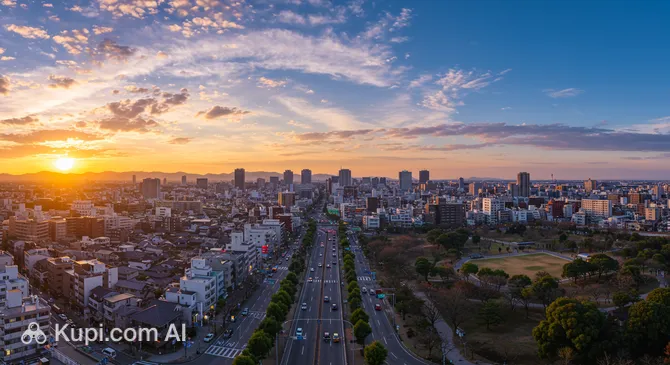
Hino. Illustration.
Source: Kupi.com AI

Hino is famous for its calm and friendly atmosphere. The city offers visitors many green parks, perfect for leisurely strolls, as well as ancient temples and interesting museums that introduce the region's rich historical heritage. Here, you can immerse yourself in the measured pace of daily Japanese life, walk through cozy streets, and discover a unique local culture.

If you want to discover a different side of Tokyo, enjoy the quiet, get to know local traditions, and take a break from the hustle and bustle of major tourist centers, Hino is an excellent choice for your trip. This city is ideal for family vacations, leisurely walks, and deep immersion into Japanese culture away from noisy tourist routes.

You can find more interesting facts on the Hino city history page.
Weather Overview

In Hino, a climate with clearly defined seasons awaits you. The summer here is warm, with the average temperature in August reaching 26.3°C, and it is characterized by occasional, though not overly heavy, rains—for example, there are up to 22 rainy days in July. Winters are cool, with an average January temperature of about 3.6°C (sometimes dropping below 0°C), and are generally drier with less precipitation. Spring and autumn offer mild weather, comfortable for travel. For detailed weather information by month, including precipitation and the number of rainy days, visit the Hino Climate page.

Average monthly temperature

Average monthly precipitation

Interesting Facts

The city of Hino, known for its role in samurai history and its picturesque temples, holds other less obvious but equally fascinating secrets. Here are some interesting facts that will help you see Hino in a new light:

Takahata Fudoson. Illustration.
Source: Kupi.com AI

Traveler photos:

  • Birthplace of the Shinsengumi: Hino is rightfully considered the cradle of the legendary Shinsengumi squad, which left a bright mark on Japan's turbulent 19th-century history. Visitors can delve deeper into this era at the Shinsengumi Hometown History Museum and the Toshizo Hijikata Museum, dedicated to one of its most famous commanders.

  • Historical Stop on the Koshu Kaido: Hino-shuku Honjin has been preserved in the city to this day—an ancient inn that served as a resting place for daimyo (feudal lords) and other noble travelers journeying along the strategically important Koshu Kaido road during the Edo period. This site allows you to feel the atmosphere of old Japan.

  • Giant Zoo with a Unique Garden: The city boasts one of Japan's largest zoological parks—Tama Zoo. In addition to many animals from around the world, it features the amazing Insectarium, where you can admire rare butterflies and other insects in near-natural conditions.

  • One of the Three Great Fudo Temples: Hino is home to Takahata Fudoson (full name Takahata Fudoson Kongo-ji), which is one of the three main temples of the deity Fudo Myo-o in the Kanto region. This ancient temple is famous for its impressive five-story pagoda and numerous cultural treasures.

How to Get There

To reach Hino, located in the Tokyo Metropolitan area, it is most convenient to travel through the major international airports serving the Japanese capital. After arriving at one of the airports, you can use Japan's advanced transportation system to travel directly to Hino.

The primary and closest option is Haneda Airport (HND), officially known as Tokyo International Airport. It is located in Tokyo, approximately 37 km from the center of Hino. It is one of the world's busiest airports, offering many domestic and international flights. A taxi ride from Haneda Airport to Hino may take about 1 hour 15 minutes to 1 hour 30 minutes, depending on traffic. Trains and buses are also available to various points in Tokyo, where you can transfer to lines leading to Hino.

Another major international airport is Narita International Airport (NRT), located in Tokyo, about 90 km east of Hino. Although it is further than Haneda, Narita also serves a vast number of international flights. A taxi journey from Narita to Hino will take approximately 2.5 to 3 hours. More popular and economical options include express trains (such as the Narita Express) or limousine buses that will take you to major Tokyo transport hubs, from where you can continue to Hino on suburban trains.

For your convenience, here is a summary of the main airports used to reach Hino:

AirportPassenger trafficDistance
Haneda Airport85.7 mln37 km
Narita International Airport40.8 mln90 km
Ibaraki Airport776 063108 km
Matsumoto Airport112 618144 km
Shizuoka Airport691 274147 km

In addition to air travel, Hino is excellently connected to other areas of Tokyo and neighboring cities by rail. The city is served by several railway lines, including the JR Chuo Line. From central Tokyo stations like Shinjuku or Tokyo, Hino is easily and quickly reached by train. We recommend using online maps or route-planning apps to find the most convenient public transport option upon arrival in Japan.

Main Attractions

Hino, a city with a rich history and picturesque nature, offers tourists many interesting places to visit. Everyone will find something to their liking here, from ancient temples to unique museums telling the story of a glorious past.

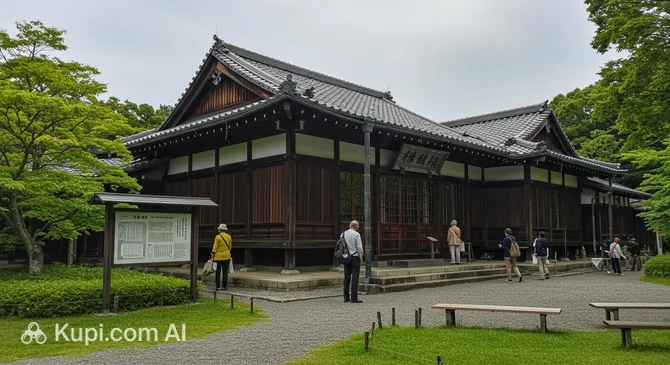
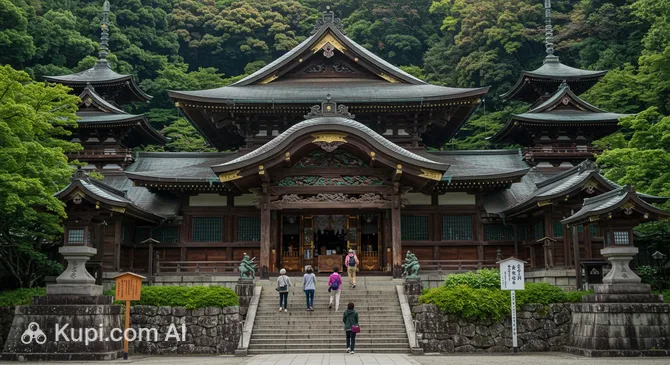
One of the city's main gems is Takahata Fudoson. This majestic Buddhist temple, known for its impressive architecture and beautiful hydrangea garden, attracts pilgrims and tourists year-round. It is particularly famous for its five-story pagoda and numerous statues of Fudo Myo-o, a wrathful guardian deity. A visit to the temple allows you to touch the spiritual culture of Japan and enjoy a peaceful atmosphere.

Takahata Fudoson. Illustration.
Source: Kupi.com AI

Traveler photos:

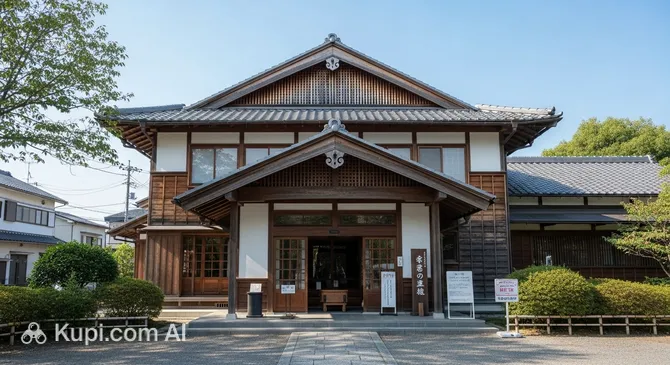
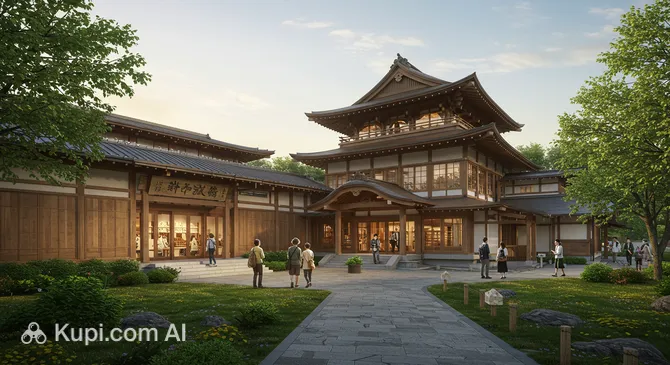
For history buffs, Hino offers a unique opportunity to dive into the samurai era. The city is closely linked to the Shinsengumi—the famous squad of ronin who served the Tokugawa shogunate in its final years. The Shinsengumi Hometown History Museum tells the detailed story of this legendary formation, its members—including Isami Kondo and Toshizo Hijikata—and their role in Japan's history. The exhibition includes authentic artifacts, documents, and reconstructions that bring the turbulent past to life.

Shinsengumi Hometown History Museum. Illustration.
Source: Kupi.com AI

Traveler photos:

Another landmark site associated with the Shinsengumi is the Toshizo Hijikata Museum. Dedicated to one of the most famous and charismatic commanders of the Shinsengumi, this museum offers a deep look into the life and activities of Hijikata Toshizo, the "Demon of the Shinsengumi." Here, you can see his personal belongings, letters, weapons, and other exhibits related to this legendary historical figure.

Hijikata Toshizo Museum. Illustration.
Source: Kupi.com AI

Traveler photos:

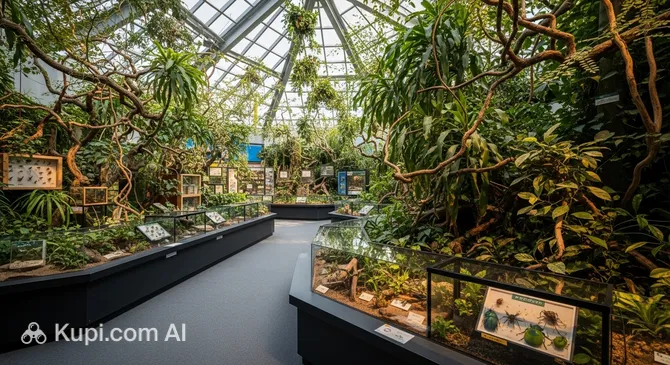
If you are traveling with children or simply love nature and the world of insects, be sure to visit the Tama Zoo Insectarium. This amazing garden, part of the famous Tama Zoological Park, is a true paradise for entomologists and curious visitors alike. Here, you can see thousands of butterflies fluttering freely in a huge greenhouse and meet other fascinating representatives of the insect world. It is an educational and exciting place for the whole family.

Tama Zoological Park Insectarium. Illustration.
Source: Kupi.com AI

Traveler photos:

Local Cuisine

The gastronomy of Hino is a fascinating journey into the culinary traditions of the Kanto region, where special attention is paid to the freshness of seasonal products and the mastery of preparation. Here you will find both classic Japanese dishes and interesting local specialties that can surprise any gourmet.

Among the dishes that you should definitely try in Hino are eel (unagi) delicacies. This is a true culinary symbol, prepared in many restaurants, such as the popular Unagi Takase. Also, don't miss the chance to enjoy hearty and aromatic ramen and udon soups, prepared according to time-tested recipes. In numerous cozy izakayas (traditional Japanese pubs), popular snacks await you, such as karaage fried chicken and yakitori skewers, which perfectly complement local drinks.

Unagi Takase. Illustration.
Source: Kupi.com AI

Traveler photos:

Speaking of drinks, one cannot fail to mention traditional green tea, which is served everywhere. Izakayas and restaurants will also offer a wide selection of sake and Japanese beer. Among non-alcoholic options, seasonal drinks are popular, especially refreshing ones in summer.

The food culture in Hino is diverse. Locals and tourists often visit restaurants offering not only Japanese but also Indian, Nepalese, and other Asian cuisines. Farmers' markets are also popular, where you can always find fresh vegetables, fruits, and homemade sweets that change with the season: strawberry desserts in spring, and sweet potato and chestnut treats in autumn. A special atmosphere prevails during city festivals, when stalls with traditional street food appear—takoyaki (dough balls with octopus), okonomiyaki (savory pancakes), and sweet taiyaki (fish-shaped waffles with filling). Hino's gastronomic scene attracts with its combination of authentic flavors and hospitality, offering something for every traveler.

Travel Tips

Planning a trip to Hino? Wonderful! To ensure your journey through this interesting corner of Japan goes smoothly and leaves only pleasant impressions, we have prepared some practical tips.

  1. Clothing and items by season: The climate in Hino, as in all of Japan, has clearly defined seasons. In summer (June-August), take light, breathable clothing, as it can be hot and humid. In spring (March-May) and autumn (September-November), layered clothing and a light jacket are useful. In winter (December-February), dress warmly: coat, hat, gloves. Be sure to bring comfortable shoes—you will be doing a lot of walking! Don't forget an adapter for electrical appliances (Japan uses type A, two flat pins, 100V). When visiting temples and shrines, choose modest clothing; be prepared to remove your shoes before entering certain areas.
  2. Moving around the city: The primary way to get around Hino and its surroundings is the efficient train system (JR lines, Keio). For convenience, purchase an IC card (Suica or Pasmo)—it can be used not only for transport but also in shops. Buses serve local routes, complementing the rail network. Taxis are available but are a more expensive option; you can use apps like JapanTaxi or Go. Renting a car is generally not recommended for city travel due to parking difficulties, heavy traffic, and left-hand driving if you lack such experience.
  3. Financial matters: The local currency is the Japanese yen (JPY, ¥). It is best to exchange money at banks or official exchange offices; the rate at the airport may be less favorable. Credit and debit cards are accepted in many hotels, large shops, and restaurants. However, cash is still very important, especially in small establishments, temples, and for buying tickets at some machines. Not all ATMs accept foreign cards; look for ATMs in 7-Eleven (Seven Bank), Japan Post Bank, or Aeon Bank. Tipping in Japan is not practiced and can be perceived as strange. Excellent service is already included in the bill.
  4. Health and safety: Japan is a very safe country, and Hino is no exception. Follow standard precautions: watch your belongings, especially in crowded places. Pharmacies (look for the "薬" (kusuri) sign or a green cross) are easy to find, but not all are open 24/7; it's better to carry basic medicine with you (with a prescription if necessary). Be sure to take out travel medical insurance before your trip. If needed, large hospitals may have English-speaking staff. Write down your hotel address in Japanese—it may come in handy.
  5. Language and communication: The official language is Japanese. In tourist areas, hotels, and at major stations, staff may speak English, but overall English proficiency among the population is limited. Learn a few basic phrases: "Konnichiwa" (Hello), "Arigato" (Thank you), "Sumimasen" (Excuse me/Sorry). This is always appreciated. For constant internet access, consider buying a travel SIM card or renting a pocket Wi-Fi router. Free Wi-Fi is available in many hotels, cafes, and stations. Useful apps: Google Maps for navigation, HyperDia or Jorudan for train schedules, Google Translate for translation.
  6. Local etiquette and traditions: A greeting is usually accompanied by a slight bow (o-jigi). In public places, especially on transport, avoid loud phone conversations. It is not common to eat or drink on the go (it's better to find a place to sit). Be prepared to remove your shoes when entering Japanese homes, some temples, and traditional restaurants. Politeness is the key to pleasant communication.
  7. What to avoid: Never stick chopsticks vertically into a bowl of rice—this is associated with funeral rituals. Try not to blow your nose loudly in public; if necessary, it's better to go to the restroom. Do not point at people or objects with your finger; use an open palm instead.
  8. Special feature of Hino: Hino is closely linked to the history of the Shinsengumi, the famous samurai squad, and particularly its vice-commander Hijikata Toshizo, who was a native of these parts. If you're interested in samurai history, visit the Hijikata Toshizo Museum. Not far from Hino is Tama Zoological Park—a great place for a family outing. Enjoy the calmer and more relaxed atmosphere of a Tokyo suburb while exploring local parks and shrines.

We hope these tips help you better prepare for your trip and enjoy every moment of your stay in Hino. Have a pleasant journey!

Entertainment & Nightlife

While Hino may not boast the bustling night districts of central Tokyo, it still offers pleasant places for evening relaxation and entertainment. The city's nightlife is mainly concentrated around railway stations, such as Hino Station and Takahatafudo Station, where most bars, restaurants, and izakayas (traditional Japanese pubs) are located.

The atmosphere in Hino's evening establishments is generally calmer and cozier, catering mostly to locals. You won't find massive nightclubs with loud music until dawn here, but you can enjoy conversation in a friendly setting. Most bars and restaurants stay open until midnight or slightly later, especially on weekends. There is usually no specific dress code; casual attire is welcome.

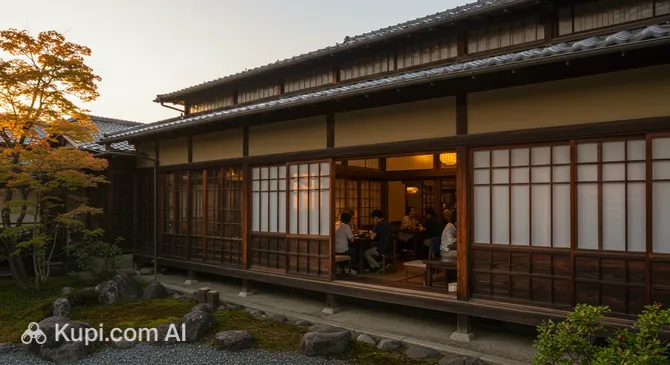
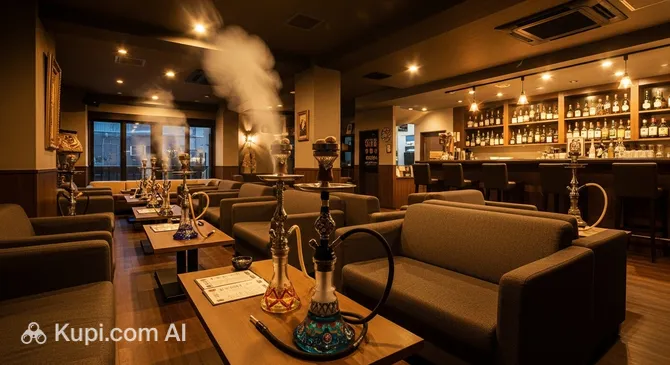
One interesting spot for an evening is Shisha Cafe and Bar 4T4, where you can relax in a pleasant environment. If you're looking for dinner, check out restaurants like Kakujo Gyorui Hino or Unagi Takase, which offer local cuisine and stay open late. Prices in Hino are generally moderate, especially compared to central Tokyo. It is best to visit bars and restaurants after 7:00 PM - 8:00 PM when the main crowd gathers.

Shisha Cafe & Bar 4T4. Illustration.
Source: Kupi.com AI

Traveler photos:

Regarding night transportation, keep in mind the schedule of the last trains, as public transport in Japan does not run 24/7. If you plan to stay out late, taxis are always available. Hino is considered quite safe, and walking at night in busy areas near stations is usually not a concern, though standard precautions should always be taken.

During the day, there is also plenty to do in Hino. The city has a rich history tied to the Shinsengumi samurai militia. You can visit the Shinsengumi Hometown History Museum or the Toshizo Hijikata Museum to learn more about this period. For nature lovers and family outings, places like Suwanomori Park or the Tama Zoo Insectarium offer pleasant walks and encounters with local flora and fauna.

Parks & Museums

The city of Hino, located in the Tokyo Metropolitan area, offers its guests a harmonious blend of peaceful green zones and a rich cultural heritage. Every traveler will find something here, whether it's walking in nature or diving into the region's fascinating history.

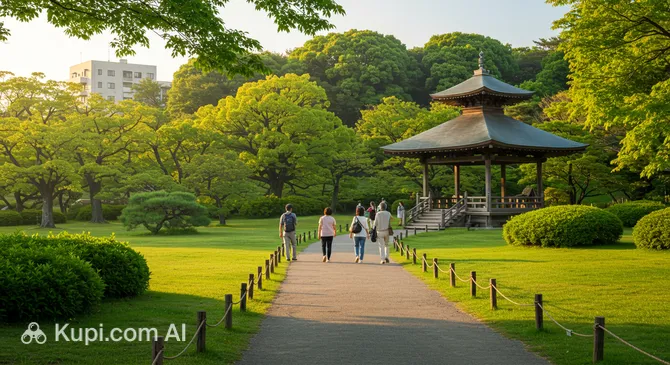
Among Hino's green corners, Suwanomori Park stands out. It is a wonderful place for leisurely strolls, outdoor relaxation, and admiring nature. The park attracts locals and tourists with its calm atmosphere and well-kept landscapes, offering a break from the urban rush.

Suwanomori Park. Illustration.
Source: Kupi.com AI

Traveler photos:

For family vacations and active pastimes, Asobi-no-Mori HAGUHAGU is ideal. This "play forest" offers various outdoor entertainment for children, promoting their development through play and contact with the environment. It is a great place for children to have plenty of fun while adults enjoy the fresh air.

Asobi no Mori HUGHUG. Illustration.
Source: Kupi.com AI

Traveler photos:

Nature and entomology lovers should visit the Tama Zoo Insectarium. It features an impressive collection of insects, including many species of butterflies fluttering in a special pavilion. This is a unique place where you can learn a lot about the insect world and admire its beauty.

The city of Hino is closely linked to the history of the Shinsengumi—the famous samurai militia. To dive deeper into this era, visit the Shinsengumi Hometown History Museum. The museum's exhibition tells the story of the formation and activities of the squad, its role in Japanese history, and the key figures associated with Hino.

Another important site for those interested in Shinsengumi history is the Toshizo Hijikata Museum. It is dedicated to the life and activities of Toshizo Hijikata, the vice-commander of the Shinsengumi, who was born and raised in Hino. The museum offers a personal look at this legendary warrior through artifacts and documents.

Among the significant historical and architectural sites of the city is the Takahata Fudoson temple. This ancient Buddhist temple is one of the three largest Fudo Myo-o temples in the Kanto region and attracts pilgrims and tourists with its majestic architecture, beautiful grounds, and rich history dating back over a thousand years.

For a complete impression of Hino, don't limit yourself to just the famous sights. Stroll through the quiet streets of the city to discover small local shrines or cozy cafes where you can feel the authentic atmosphere of this historic place. Also, if time permits, explore the scenic trails along the Tama River, which offer beautiful views and an opportunity for peaceful relaxation.

Getting Around

Public transport in Hino offers convenient ways to move around the city and its surroundings, typical of cities within the Tokyo Metropolitan area. The transport system's core consists of trains and buses, providing good connections both within the city and to other parts of Tokyo.

The main form of transport in Hino is trains. Important railway arteries pass through the city, including Japan Railways (JR) lines such as the Chuo Line, which connects Hino with central Tokyo and cities to the west. Additionally, transport accessibility is provided by the Keio Line and the Tama Toshi Monorail, which play an important role in connecting different parts of the city and popular attractions. Stations are well-equipped and have clear navigation, including in English. Trains run frequently and on schedule.

Buses complement the rail network, providing access to areas far from stations and running on local routes. Bus stops are usually located near railway stations and key city facilities. Routes and schedules can be found at stops or on the websites of transport companies.

The fare payment system in Hino, as in the entire Kanto region, is very convenient thanks to the use of rechargeable IC cards such as Suica or Pasmo. These cards can be purchased at station vending machines or ticket offices and topped up as needed. They can be used to pay for travel on trains and buses, as well as for purchases in some shops and vending machines. Single-trip tickets are also available for purchase at station machines before travel. The fare depends on the distance.

Practical tips for tourists: Train tickets and IC cards can be purchased at vending machines at railway stations. To enter and exit the platform, you must tap your IC card on the reader at the turnstile or insert a paper ticket. On buses, payment by IC card is usually made when boarding or exiting (depending on the type of bus), and cash is paid to the driver upon boarding. Public transport usually operates from early morning (around 5:00-6:00 AM) until midnight, but it's best to check the exact schedule in advance, especially for the last trips.

Among alternative ways of getting around in Hino, taxis are a notable option. Taxi stands are typically located near railway stations. This is a more expensive but comfortable option, especially for trips with luggage or at night. In some areas, bicycle rentals may be available, which is a great way for a leisurely exploration of the city and its parks.

Accommodation

When planning a trip to Hino, you will find a variety of accommodation options to suit different preferences and budgets. Being part of Greater Tokyo, the city offers both local hotels and easy access to a wider range of housing in the metropolitan region.

In Hino and its surroundings, tourists can expect choices ranging from budget options such as guest houses or hostels (though the latter may be less common directly in the city compared to central Tokyo) to more comfortable mid-range hotels, including typical Japanese business hotels that offer good value for money. It's also worth considering apartment or room rentals through online platforms, which can be a convenient option for long stays or family travel.

When choosing a place to stay, pay attention to areas near railway stations, such as Hino Station or Takahatafudo Station. This will provide easy access not only to local attractions like Takahata Fudoson or the Shinsengumi Hometown History Museum but also to other parts of Tokyo. Staying near transport hubs will significantly simplify your travel around the region.

While specific hotels are not in the provided list of attractions, standard Japanese business hotels known for their service and cleanliness can be found in Hino and neighboring districts. For searching and booking accommodation, it is recommended to use popular online booking platforms or, in some cases, contact hotel websites directly. The price range varies from affordable to mid-range, with luxury options more frequently found in central Tokyo.

To guarantee the best choice and prices, especially if your trip coincides with popular tourist seasons (such as cherry blossom season in spring or autumn foliage viewing), it is recommended to book your accommodation in advance. This will help avoid limited choices and inflated last-minute prices.

Nearby Cities

For those who want to explore the surrounding area, Hino serves as an excellent starting point for day trips to several interesting nearby locations:

CityPopulationDistance
Kunitachi75 1334 km
Tachikawa181 1155 km
Akishima112 1105 km
Tama147 2526 km
Fuchu263 0937 km

Among the closest cities worth visiting is Tachikawa, just 5 km from Hino, which attracts visitors with its magnificent Showa Kinen Park, where you can enjoy seasonal flowers, vast green areas, and various outdoor activities. In Hachioji (7 km away), the main attraction is Mount Takao, a popular hiking spot with scenic trails, temples, and panoramic views of the surroundings. The city of Fuchu, also 7 km away, is known for its historic Okunitama Shrine and the famous Tokyo Racecourse, offering a blend of cultural heritage and modern entertainment.

These nearby destinations provide a glimpse into the diverse culture and landscapes of the region.

Shopping & Souvenirs

While Hino may not be a major shopping destination in Japan compared to central Tokyo districts, it offers a pleasant local shopping experience. Here you will find a mix of small specialty shops, supermarkets, and convenience stores that cater to the needs of locals and curious tourists. The city isn't famous for globally unique goods, but you can find high-quality Japanese products and items here.

The main shopping areas in Hino, as in many Japanese cities, are usually concentrated around railway stations such as Hino Station or Takahata-Fudo Station. In these areas, you can find a variety of shops, from food stalls and pharmacies to small clothing boutiques and bookstores. A walk through the streets adjacent to the stations will allow you to discover local retail outlets.

In Hino, you are unlikely to find the giant shopping malls characteristic of Shinjuku or Shibuya, but there may be small shopping complexes or department stores integrated into station buildings or located nearby. They offer a convenient set of goods and services, including clothing, household items, and restaurants.

Specialized markets, such as large food or flea markets, are not a dominant feature of shopping in Hino. However, you may stumble upon small local markets or fairs, especially on weekends or during festivals, where farmers sell fresh produce and artisans sell their crafts. It's also worth paying attention to the shops near temples, such as at Takahata Fudoson, where traditional amulets and souvenirs may be sold.

As souvenirs from Hino, you can bring back traditional Japanese sweets, local tea, or sake. Given the city's historical connection to the Shinsengumi, merchandise related to this theme can be popular. You can look for them in souvenir shops or at museum stores, such as the Shinsengumi Hometown History Museum or the Toshizo Hijikata Museum. Local handicraft items may also be interesting if you are lucky enough to find them.

Shops in Hino typically operate from 10:00 AM or 11:00 AM to 8:00 PM or 9:00 PM. Large supermarkets may open earlier and close later. Credit cards are accepted in many places, especially in chain stores and department stores. However, in small private shops or markets, cash may be preferred, so it's always useful to have some yen on hand.

For foreign tourists in Japan, a tax-free shopping system is available for many goods when purchased for a certain amount at participating stores. Look for the "Japan Tax-free Shop" sign. This usually applies to electronics, clothing, and bags, but may not apply to food and drinks in some cases. You will need your passport to process the refund.

Reached the end of the page?

That means the route is fully explored