Support

Iruma

About

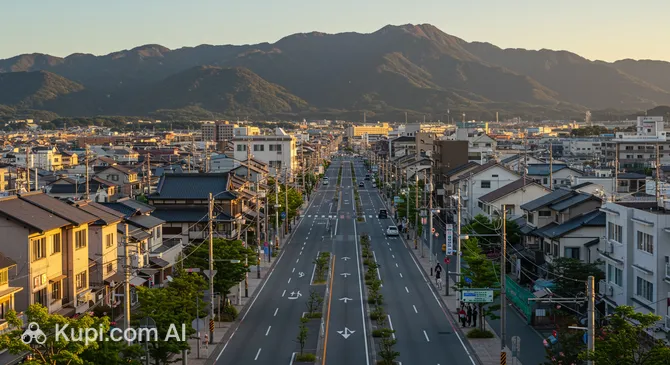
Iruma is a charming city nestled in Saitama Prefecture, on the northwestern outskirts of the vast Tokyo metropolitan area. It represents a beautiful blend of quiet suburban life and proximity to one of the world's largest metropolises. Geographically, Iruma is ideally situated: it is only about an hour's drive from central Tokyo, yet the city is surrounded by picturesque green hills and rural landscapes, making it attractive for those seeking seclusion without losing connection to the urban infrastructure of Japan.

With a population of about 145,778 people, Iruma maintains a balance between the steady pace of a provincial town and the energy of a modern Japanese settlement. The city plays a notable role in the life of the western part of Saitama Prefecture, offering its residents and guests a harmonious combination of modern residential quarters, historical corners, and spacious park areas. The atmosphere of Iruma is permeated with friendliness, the streets are clean, and special attention is paid to well-maintained green spaces.
Iruma. Illustration.
Source: Kupi.com AI

For tourists, Iruma is an opportunity to get to know a more authentic side of the country, away from the noisy tourist routes. One of the city's unique features is the Johnson Town neighborhood. This unusual district, with an American touch in its architecture and atmosphere, transports visitors back to post-war Japan, creating a striking contrast with traditional Japanese landscapes. A walk through Johnson Town is like a little journey through time and space. Furthermore, the city offers an introduction to local traditions and the opportunity to relax in nature.

If you want to see a different Japan, feel its calm rhythm, and discover something new beyond Tokyo, Iruma will be an excellent choice for your trip.

You can find more interesting facts on the history of Iruma page.
Weather Overview

The weather in Iruma is characterized by noticeable seasonal changes. Expect warm and humid summers, especially in July and August, when the average temperature rises above 25°C. July is one of the wettest months both in terms of precipitation volume (8 mm) and the number of rainy days (23 days), while August is also characterized by high humidity and frequent rain. Winters, by contrast, are cool and relatively dry. The average temperature in January is around 3.7°C. December is the driest month of the year with only 1 mm of precipitation, while January also sees a small amount of precipitation (2 mm). Spring and autumn are transitional seasons with moderate temperatures and variable weather.

For a more detailed forecast and information about weather by month, you can visit the Iruma Climate page.

Average monthly temperature

Average monthly precipitation

Interesting Facts

Beyond its well-known routes, Iruma hides many curious details and unexpected discoveries that make this city truly special. Here are just a few of them:

  • Perhaps the most unusual corner of Iruma is Johnson Town. On the site of a former American military base, a neighborhood recreating the atmosphere of 1950s American suburbia now stands. Here, you can stroll among authentic houses and visit stylized cafes and shops, as if taking a journey through time and space.

  • Iruma is famous throughout Japan for its Sayama green tea (Sayama-cha). This tea, grown in the city's outskirts, is valued for its deep, rich flavor. Every year, Iruma hosts a large-scale tea festival where you can not only taste the famous drink but also learn about the region's tea traditions.

  • While Iruma is a modern city, it carefully preserves its traditions. For example, at the ancient Enshoji Temple, visitors can not only admire the architecture but also take an active part in colorful seasonal festivals and rituals, touching the living culture.

How to Get There

When planning a trip to Iruma, a city in Saitama Prefecture, it is helpful to know the most convenient ways to get here. The main transport gateways to this region are the large international airports serving Tokyo, from which Iruma can be reached by ground transport.

The nearest and largest international airport is Haneda Airport (HND), located in Tokyo. The distance from Haneda to central Iruma is approximately 47.2 km. It is one of the busiest airports in the world, offering many international and domestic flights. A trip by car or taxi from the airport to Iruma will take about 1.5 hours, depending on traffic conditions. Options using public transport, including trains and buses, are also available and will require several transfers.

Another major international hub is Narita International Airport (NRT), also located in the Tokyo area but further from Iruma, about 90.3 km away. Narita serves a huge number of international destinations. The journey from Narita to Iruma by car or taxi can take from 2.5 to 3 hours. As with Haneda, you can reach Iruma from Narita by train (for example, the Narita Express to one of Tokyo's major hubs, followed by a transfer to a line heading to Iruma) or by limousine buses.

For clarity, here is a summary of the main airports that can be used for traveling to Iruma:

AirportPassenger trafficDistance
Haneda Airport85.7 mln47 km
Narita International Airport40.8 mln90 km
Ibaraki Airport776 063100 km
Matsumoto Airport112 618137 km
Shizuoka Airport691 274159 km

Regarding rail connections, Japan is famous for its excellent and extensive railway network. Although the provided data does not mention major railway stations for long-distance trains directly in Iruma, the city, being in Saitama Prefecture and near Tokyo, is certainly served by local and regional railway lines. Upon arriving at one of Tokyo's major transport hubs (such as Shinjuku, Ikebukuro, or Tokyo Station), you can easily transfer to a train heading towards Iruma or its nearest stations. We recommend checking routes and schedules in advance on the websites of Japanese railway operators like JR East or private lines such as Seibu Railway, which serves this region.

Additionally, Iruma can be reached by car using Japan's well-developed highway network. If you plan to travel around the region by car, this can be a convenient option.

Main Attractions

Iruma, nestled in Saitama Prefecture, offers its guests diverse opportunities for relaxation and exploration of Japanese culture. Here are several key attractions to include in your itinerary:

Iruma City Museum ALIT – a great place to start your acquaintance with the region. Here, you will immerse yourself in the history and culture of Iruma and the surrounding Sayama Hills. The museum is particularly proud of its exhibits dedicated to the famous local Sayama tea—one of the three great teas of Japan. Visitors can expect archaeological finds, ethnographic materials, and interactive exhibitions that make the visit interesting for all ages.

Johnson Town – a surprising slice of America in the heart of Japan. This residential area consists of original 1950s American houses that were once part of a US Air Force base. Today, Johnson Town attracts visitors with its unique atmosphere, featuring stylish cafes, restaurants serving American and other cuisines, as well as unique shops and galleries. It is a wonderful place for a leisurely stroll and a photo session.

For shopping enthusiasts, a mandatory stop is Mitsui Outlet Park Iruma. It is one of the largest outlet malls in the Kanto region, featuring hundreds of Japanese and international brands. Here you can find clothing, shoes, accessories, home goods, and sportswear at attractive prices. In addition to shops, the complex has many restaurants and cafes where you can relax and have a snack.

Nature lovers and those seeking beautiful views should visit Sakurayama Park, located on the picturesque Sayama Hills. The park is especially beautiful in spring during the cherry blossom season, which is reflected in its name. The observation deck offers panoramic views of the surroundings, and well-maintained paths invite you for a pleasant walk. The Sayama Hills are also known as the "Totoro Forest," adding a fairytale charm to this location.

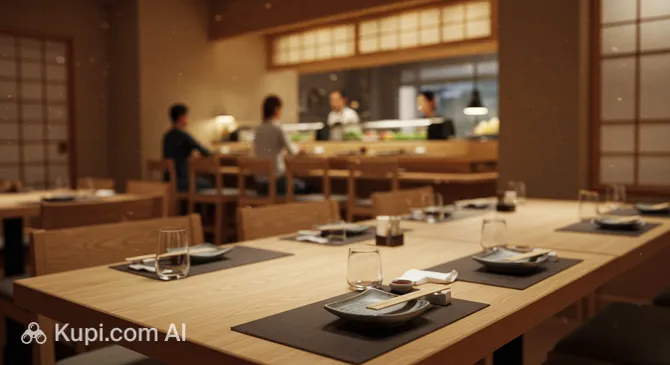
Among the gastronomic establishments in Iruma, the Flying Garden restaurant stands out. This popular spot is where you can enjoy delicious meals in a pleasant atmosphere. The restaurant offers a diverse menu capable of satisfying various tastes and is a good choice for lunch or dinner after a busy day of sightseeing.

Flying Garden. Illustration.
Source: Kupi.com AI

Traveler photos:

Local Cuisine

The gastronomic soul of Iruma is undoubtedly the famous Sayama tea. This fragrant beverage is more than just a thirst-quencher—it has become the foundation for many culinary delights. In local cafes and teahouses, you will be invited to try unique varieties of green tea, as well as enjoy desserts where tea plays the starring role: from delicate ice cream and lattes to traditional Japanese mochi sweets infused with tea leaves. This is a true immersion into the region's tea culture.

In addition to tea traditions, Iruma's cuisine is famous for using the freshest seasonal vegetables grown on nearby farms. In cozy family-run eateries and restaurants like Flying Garden, you can sample light and healthy dishes based on rice, fresh vegetables, and fish, as well as various soups and hearty stews that reflect the true taste of Japanese home cooking. The city's farmers' markets are excellent places not only to buy fresh produce but also to participate in tastings.

Flying Garden. Illustration.
Source: Kupi.com AI

Traveler photos:

For a quick and authentic snack, check out Iruma's street food. Popular classic Japanese snacks here include takoyaki (savory dough balls filled with octopus) and yakisoba (flavorful stir-fried noodles with vegetables and meat). The Johnson Town district adds a special flair to the city's gastronomic scene, where you can find cafes with American menus—from burgers with Japanese twists to homemade pies, creating an interesting fusion of flavors.

The food culture in Iruma involves visiting both small family restaurants and lively street stalls. Throughout the year, the city hosts charming gastronomic festivals dedicated to Sayama tea, seasonal fruits and vegetables, and traditional Japanese dishes. This is a wonderful opportunity to delve deeper into Iruma's culinary traditions in a warm and festive atmosphere, trying rare delicacies and enjoying the hospitality of the locals.

Travel Tips

Welcome to Iruma! To make your journey to this interesting corner of Japan as comfortable and memorable as possible, we have prepared some practical tips. They will help you better navigate and enjoy every moment of your stay.

  1. Clothing and Useful Items: The climate in Iruma, as in all of Japan, has distinct seasons. In summer (June-August), it is hot and humid—choose light, breathable clothing. In winter (December-February), it can be chilly, sometimes with snow, so warm clothes are essential. Spring and autumn are the most comfortable seasons with moderate temperatures. A key tip is to dress in layers. Don't forget comfortable shoes for walking, an adapter for electrical appliances (Japan uses type A and B sockets, 100V), and a portable power bank. When visiting temples and shrines, choose modest clothing that covers shoulders and knees.

  2. Getting Around: Iruma, as part of Saitama Prefecture, has good transport links. The main types of public transport are trains and buses. Use apps like HyperDia or Google Maps to plan your train routes. Taxis are available but can be expensive; you can use apps to call them, such as JapanTaxi or Go. Car rental is possible if you have an international driving permit, but keep in mind that driving in Japan is on the left side, and parking can be expensive and limited.

  3. Financial Matters: The national currency is the Japanese yen (JPY, ¥). You can exchange currency at the airport, banks, or specialized exchange offices. While credit and debit cards (Visa, Mastercard) are being accepted more widely, especially in large stores and hotels, cash remains very important, particularly in small establishments and temples. ATMs that accept international cards can be found at post offices (Japan Post Bank) and 7-Eleven stores. Tipping in Japan is not practiced and can be perceived as an insult—good service is already included in the bill.

  4. Health and Safety: Japan is one of the safest countries in the world, and Iruma is no exception. Pharmacies (marked with "薬" or "kusuri") are everywhere, but pharmacists do not always speak English. It is recommended to carry a basic set of medicines. Medical care for tourists is available but can be expensive, so having travel insurance is highly desirable. Dial 119 to call an ambulance or the fire department. Follow usual precautions, especially in crowded places.

  5. Language and Connectivity: The official language is Japanese. The level of English proficiency among the local population may not be high, especially outside tourist areas. Learn a few basic phrases: "konnichiwa" (hello), "arigato" (thank you), "sumimasen" (excuse me/sorry). For ease of communication and navigation, consider buying a local SIM card or renting a portable Wi-Fi router—this can be done at the airport. Free Wi-Fi is available in some hotels, cafes, and public places. Useful apps: Google Maps, Japan Travel by NAVITIME.

  6. Local Etiquette: Japanese people value politeness and respect for rules. Greetings are accompanied by a bow. In public places, especially on transport, try to be quiet and not talk loudly on the phone. Remove your shoes when entering homes, some temples, and traditional restaurants. Do not eat or drink while walking on the street unless it is in a specifically designated area (e.g., street festivals).

  7. What to Avoid: Never stick your chopsticks vertically into a bowl of rice—this is associated with funeral rituals. Also, avoid passing food with chopsticks to another person (from chopsticks to chopsticks). It is considered impolite to blow your nose loudly in public; it is better to go to a restroom.

  8. Special Feature of Iruma: The city of Iruma is known for its air base of the Japan Air Self-Defense Force, where an impressive air show is held annually (usually in November). If your visit coincides with this event, it can be a unique experience, but be prepared for large crowds. Also, Saitama Prefecture is famous for its Sayama tea (Sayama-cha)—be sure to try this local variety.

We hope these tips make your stay in Iruma even more pleasant and fulfilling. We wish you an unforgettable journey and bright impressions from exploring this city and the culture of Japan!

Entertainment & Nightlife

The nightlife in Iruma is noticeably different from the neon madness of Tokyo. It is a quiet city in Japan, where evening entertainment has a more intimate and local character. You won't find massive dance clubs operating until dawn here, but you can immerse yourself in the authentic atmosphere of a Japanese suburb. The main activity is concentrated around Irumashi Station, where the red lanterns of traditional izakaya bars light up after sunset.

The primary format for evening leisure here is dinner and drinks in the company of friends or colleagues. In the station area and along the shopping streets, there are establishments serving yakitori (chicken skewers), sashimi, and local beer. The atmosphere in such places is very casual and friendly, there is no dress code, and the crowd consists mostly of locals relaxing after a workday. If you want to continue the fun, numerous karaoke boxes are at your service, often operating late into the night or even 24/7.

For lovers of hearty food and a relaxed setting, the Flying Garden restaurant is an excellent choice. This popular establishment is known for its meat dishes, particularly its famous hamburger steaks. It's a great place to spend an evening with the whole family or a large group, enjoying a comfortable atmosphere and delicious food at reasonable prices.

Flying Garden. Illustration.
Source: Kupi.com AI

Traveler photos:

Another interesting location for an evening walk and dinner is the Johnson Town district. This former American military housing quarter has been transformed into a stylish neighborhood with white wooden houses, cafes, and shops in a 1950s American style. In the evening, a special romantic atmosphere reigns here, with cozy eateries and small bars where you can try burgers and craft beer.

In terms of safety, Iruma is an ideal place. Even at night, you can safely walk the streets; the crime rate is extremely low. However, it is worth remembering the transport: trains and buses stop running around midnight. If you stay later, you will have to take a taxi. Taxi stands are located at the station exits, and drivers are polite and work strictly by the meter, although the night fare will be slightly higher than usual.

During the day, the city offers more peaceful types of recreation. Tourists often visit the famous Mitsui Outlet Park for shopping, walk through picturesque parks, or study the history of Sayama tea production at the local museum. Theaters and large concert venues are rare here, so for large-scale cultural events, locals usually head to neighboring major cities or the capital.

Parks & Museums

The city of Iruma, located in Saitama Prefecture, offers its guests a pleasant combination of green oases for relaxation and places where one can touch local culture and history. Even if Iruma does not boast world-famous museum complexes, there are many corners here capable of charming a traveler seeking authentic experiences.

For lovers of nature and quiet walks, Iruma offers several wonderful parks. One popular spot is Irumashi Kasumigaseki Park, known for its well-kept alleys and sports fields, often serving as a venue for city events. Another significant green zone is the park spreading next to the Iruma City Museum "ALIT". This proximity allows for a harmonious combination of cultural enrichment with outdoor recreation. The picturesque banks of the Iruma River also attract connoisseurs of leisurely strolls, offering beautiful views and the chance to observe local nature.

The central hub for exploring the region's heritage is the Iruma City Museum "ALIT". Its exhibitions are dedicated to the city's history, archaeological finds, and, most interestingly, tea culture, as Iruma is located in the famous Sayama tea production area. Here, visitors can learn much about the traditions of cultivation and the ceremonies of brewing this drink. In addition to the main museum, small local galleries and exhibition spaces can be found in the city, showcasing works by local artists and craftsmen that reflect the unique spirit of Iruma.

Like many Japanese cities, Iruma carefully preserves its history in the silence of ancient temples and shrines. Visiting places like Enshō-ji Temple or Chōsen-ji Temple can be a fascinating experience for those seeking the atmosphere of traditional Japan. These sanctuaries are often surrounded by peaceful gardens and offer a quiet retreat away from the city bustle.

To deeply feel the atmosphere of Iruma, be sure to walk through the local shopping streets. Here, you can find small shops and cozy cafes that convey the flavor of the city's daily life. Also, look out for seasonal festivals and fairs—they are a wonderful opportunity to get acquainted with local traditions and try regional delicacies, especially those related to the famous Sayama tea.

Getting Around

Getting around Iruma is quite convenient thanks to its well-developed public transport system, primarily consisting of trains and buses. The city is served by railway lines such as the Seibu Ikebukuro Line and the JR Hachiko Line, connecting Iruma with other districts and neighboring cities. There is no metro, tram, or trolleybus system in Iruma; their roles are filled by an extensive bus network covering most of the city and its surroundings.

The primary and most convenient method for paying fares is using rechargeable smart cards, such as Suica or Pasmo. These cards are accepted on both trains and buses and can be purchased and topped up at machines at railway stations or in some convenience stores. For those who do not plan to use transport frequently, one-time paper tickets are also available, with the price usually depending on the distance. On buses, payment by card or cash (exact change is often required) is made upon boarding or exiting, depending on the specific bus operator's system.

Train tickets can be bought from machines at stations, which usually have a multi-language interface, including English. To use a smart card, simply tap it against the reader at the ticket gate when entering and exiting the station. On buses, you also tap the card against the validator. Public transport in Iruma operates from early morning until late evening; however, the exact schedule can vary depending on the route and the day of the week, so it is recommended to check it in advance, especially if planning a trip late at night.

In addition to public transport, other ways of getting around are available in Iruma. Taxis can be found at stations or called by phone; this is a more expensive but comfortable option. For short trips around the city or walks in the vicinity, you might consider bicycle rental—in some areas, this can be a pleasant and convenient way to explore the locality. Of course, many interesting places in the city center are quite accessible on foot.

Accommodation

In Iruma, a city with a measured pace of life in Saitama Prefecture, travelers will find several options for a comfortable stay. Although the city is not a major tourist center, you can find accommodation to suit various tastes and budgets: from practical business hotels, ideal for business trips or short stays, to cozy guest houses or apartments if you prefer a more home-like environment. Luxury resort complexes are less common here, as the primary focus is on functionality and convenience.

When choosing an area to stay in Iruma, look for those near key transport hubs, such as Irumashi railway station. This will not only simplify moving around the city itself but also allow for easy access to the capital of Japan, Tokyo, or other interesting spots in Saitama Prefecture. Central areas of the city can also be convenient due to the proximity of shops and restaurants within walking distance.

Although Iruma does not typically experience the same influx of tourists as major metropolises, it is still recommended to book your accommodation in advance. This is especially relevant if your trip coincides with major local events or national holidays in Japan. Pre-booking not only guarantees availability but often allows you to secure more favorable rates.

The price range for accommodation in Iruma mainly covers the budget and mid-range segments, making the city attractive for budget-conscious travelers. The most common way to search for and book accommodation is through international online platforms and aggregators. Some local hotels and guest houses may also offer direct booking through their own websites.

Nearby Cities

For those who want to explore the surroundings, Iruma serves as an excellent starting point for day trips to several interesting nearby locations:

CityPopulationDistance
Sayama148 4743 km
Hanno79 1696 km
Mizuho56 1068 km
Tokorozawa341 2898 km
Kishi18 2048 km

These nearby destinations provide insight into the diverse culture and landscapes of the region, complementing the experience of visiting Iruma.

Shopping & Souvenirs

Iruma, a cozy city in Saitama Prefecture, offers its guests pleasant shopping opportunities that combine the convenience of modern stores with the charm of local shops. While the city is not a major center for fashion or luxury, you can find everything you need here, as well as interesting Japanese goods and souvenirs.

The main shopping areas in Iruma are usually concentrated around railway stations, such as Irumashi Station, and on the adjacent streets. Here you will find a variety of shops: from small family businesses selling local products and daily necessities to branches of well-known Japanese chain stores for clothing, electronics, and cosmetics. A walk through these streets will allow you to feel the atmosphere of everyday life in a Japanese city.

For those who prefer one-stop shopping, there are modern shopping complexes in and around Iruma. One of the most famous is Mitsui Outlet Park Iruma, a large outlet center offering well-known brand goods at discounted prices. In addition to outlets, you can find other shopping centers with a wide selection of clothing, shoes, accessories, home goods, and electronics. Such centers often include food courts, restaurants, and entertainment zones, making them convenient places for shopping and family relaxation.

Although Iruma is not famous for large tourist markets, you can find small local markets where farmers offer fresh seasonal fruits and vegetables. Occasionally, the city hosts fairs or festivals where you can buy handmade items, local delicacies, and souvenirs. This is a great opportunity to get to know the local culture and purchase something unique.

An excellent souvenir from Iruma and the Saitama region is the famous local green tea, known as "Sayama-cha." it is valued for its rich taste and aroma. It is also worth paying attention to traditional Japanese sweets (wagashi), which are often beautifully packaged and make wonderful gifts. In the shops, you can find other typically Japanese souvenirs: ceramics, textiles, high-quality stationery, chopsticks, or small items with local symbols.

Most shops in Iruma are open from 10:00 or 11:00 AM to 8:00 or 9:00 PM. Large shopping centers, including outlets, may have longer operating hours and work seven days a week. Regarding payment, Japanese yen cash is still widely used, especially in smaller shops and markets. In most medium and large stores, as well as in shopping centers, credit cards (Visa, Mastercard, JCB, American Express) are accepted without issues. Payments using Japanese IC cards (e.g., Suica, Pasmo) are also common.

Foreign tourists can take advantage of the tax refund system (Tax Free) in Japan. Look for stores with the "Japan Tax-Free Shop" logo. Usually, to process a tax refund, you must make a purchase exceeding 5,000 yen (excluding tax) in one store on one day and present your passport at the checkout or a special Tax Free counter. Conditions may vary slightly, so it is recommended to clarify them on the spot.

Reached the end of the page?

That means the route is fully explored