Support

Omiya

About

Omiya is a picturesque and surprisingly cozy district within Saitama City, located north of Tokyo in the heart of Honshu Island, Japan. Thanks to excellent transport links that allow you to reach central Tokyo in just 30 minutes by train, Omiya is rightfully considered the "gateway" to Saitama Prefecture and the entire Kanto region. The city is literally immersed in greenery, with well-kept parks, traditional Japanese gardens, and scenic landscapes at every turn.
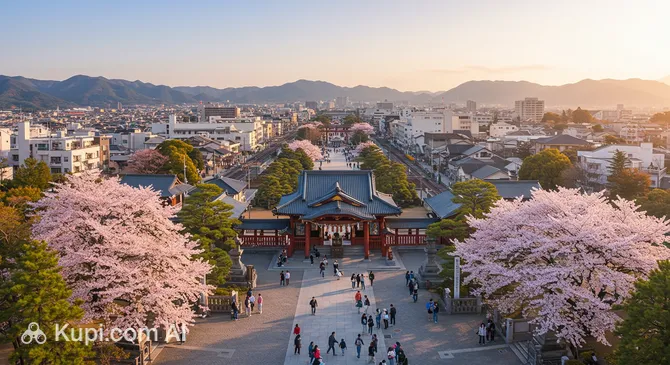
Omiya. Illustration.
Source: Kupi.com AI

Despite its important role as a transport and cultural hub, Omiya, with a population of about 127,000 people, retains the charm and tranquility of a provincial town. You won't find the frantic pace of a megacity here; instead, there are many quiet streets where you can encounter master craftsmen, admire well-tended private homes, and enjoy the blossoms of numerous gardens.

Omiya is famous for its unique harmony between modernity and age-old traditions. One of the city's main gems is the famous Bonsai Village—a true paradise for connoisseurs of this ancient Japanese art. It sits alongside ultra-modern shopping complexes, ancient temples, and fascinating museums that offer a deep dive into the region's rich culture.

Omiya is the perfect place for leisurely walks, discovering authentic Japanese culture, and finding inspiration. Like an oasis of calm, this city invites travelers to discover its unique atmosphere and take a piece of the true spirit of Japan home with them.

You can find more interesting facts on the Omiya city history page.
Weather Overview

The climate in Omiya is characterized by clearly defined seasons. Summers are generally warm and quite humid, with average temperatures in the hottest month, August, reaching around 27.4°C. The highest rainfall typically occurs in July and October (approximately 8 mm each). Winters in Omiya are cool and noticeably drier: the average January temperature is around 4.2°C, and December is the driest month, with only about 1 mm of precipitation. Overall, expect a warm summer with occasional rain and cool, relatively dry winters. To find more details about the weather by month, visit the Omiya Climate page.

Average monthly temperature

Average monthly precipitation

Interesting Facts

The city of Omiya, known to many tourists, actually hides much more than meets the eye. Beyond the popular routes lie surprising stories and unique locations. Here are a few interesting facts that will help you see Omiya in a new light:

  • Omiya is the recognized capital of bonsai art in Japan. It is home to the famous Omiya Bonsai Village, founded in 1925 by masters who moved from Tokyo after the Great Kanto Earthquake. This unique district still preserves the traditions and secrets of growing miniature trees.

  • The city hosts the country's only specialized museum for this craft—the Omiya Bonsai Art Museum, Saitama. Its collection includes hundreds of magnificent bonsai specimens, including trees several centuries old. Visitors can also attend themed exhibitions and workshops.

  • Hikawa Shrine (Musashi Ichinomiya Hikawa Shrine) in Omiya is one of the oldest and most significant Shinto shrines in the Kanto region. Its history spans over two millennia, and the picturesque, very long approach (sando) to the shrine is an attraction in itself.

  • Omiya Park is a favorite getaway for locals and one of the region's most popular spots for hanami, the traditional Japanese custom of viewing cherry blossoms. Every spring, thousands of cherry trees turn the park into a magical pink cloud. In addition to sakura, the park features a small zoo and a beautiful Japanese garden.

How to Get There

There are several convenient ways to reach the city of Omiya, an important transport hub and cultural center of Saitama Prefecture. The main entry points for international travelers are Tokyo's major airports, from which Omiya is easily accessible by train or bus.

The closest and most convenient arrival points for Omiya are the two main international airports of the Japanese capital. Haneda Airport (IATA: HND), located in Tokyo, is about 42 km from Omiya. It is one of the busiest airports in the world, offering many domestic and international flights. A train or bus ride from Haneda to Omiya usually takes about 1-1.5 hours.

The other major international hub is Narita International Airport (IATA: NRT), also located in the Tokyo area, approximately 70.6 km from Omiya. Narita serves a huge number of international destinations. The journey from here to Omiya by express train or bus takes about 1.5-2 hours. The smaller Ibaraki Airport (IATA: IBR), located in Ibaraki city about 77 km away, can also be an option, especially for certain regional or budget airlines. From Ibaraki Airport, Omiya can be reached in about 2-2.5 hours by public transport.

For convenience, here is a summary of the main airports used to reach Omiya:

AirportPassenger trafficDistance
Haneda Airport85.7 mln42 km
Narita International Airport40.8 mln71 km
Ibaraki Airport776 06377 km
Matsumoto Airport112 618156 km
Fukushima Airport250 000163 km

Beyond air travel, Omiya is a vital railway hub in Japan. Omiya Station is one of the largest in the Kanto region, served by several Shinkansen high-speed lines as well as numerous suburban and regional trains. This makes Omiya easily accessible from Tokyo (a 25-30 minute journey by Shinkansen or local train) and other major cities like Osaka, Kyoto, Nagoya, and Sendai. Direct rail service is often the fastest and most convenient way to get to Omiya, especially if you are already in Japan.

For those who prefer traveling by car, Omiya is well-connected to Japan's main highway network, making it accessible by road from Tokyo and other regions. However, travelers should consider potential tolls and parking challenges in urban settings.

Main Attractions

The city of Omiya, located in Saitama Prefecture, offers guests a chance to discover unique cultural and natural sites. Instead of looking at distant attractions, we will focus on the treasures found right here in the heart of Omiya or its immediate surroundings. These places will undoubtedly enrich your journey and leave you with lasting impressions.

One of the most iconic spots in Omiya is the Omiya Bonsai Village. This is a unique neighborhood home to several bonsai nurseries, some of which boast a century-long history. Visitors can stroll through quiet streets, admire exquisite miniature trees, and learn more about this ancient art. This place is a true paradise for connoisseurs of Japanese culture and gardening, offering a deep immersion into the philosophy of bonsai.

In addition to the Bonsai Village, be sure to visit the Saitama City Omiya Bonsai Art Museum. It is the world's first public museum dedicated exclusively to the art of bonsai. Its collection features bonsai masterpieces, including very old and valuable specimens, as well as historical materials and tools. The museum offers educational programs and exhibitions covering the history, techniques, and aesthetics of this ancient craft. It is a wonderful opportunity to deepen your knowledge and admire the skill of bonsai creators.

An equally important landmark in Omiya is the Hikawa Shrine. This is one of the oldest and most revered Shinto shrines in the Kanto region, with a history traditionally said to span over two thousand years. The shrine is set on vast grounds surrounded by a dense forest, creating an atmosphere of peace and serenity. The long, tree-lined approach (sando) leading to the main sanctuary is particularly picturesque. Hikawa Shrine is a major spiritual center and attracts many visitors, especially during traditional festivals.

For outdoor relaxation and active leisure, Omiya Park is an ideal choice. This large and popular city park is famous for its century-old red pines and abundant cherry blossoms in the spring, making it one of the best spots for hanami (cherry blossom viewing) in Saitama Prefecture. The park also features a small free zoo, a Japanese garden, a pond where you can rent a boat, and various sports facilities. Omiya Park is an excellent place for walks, picnics, and family vacations at any time of year.

Local Cuisine

The culinary scene in Omiya is a pleasant surprise, featuring a harmonious blend of classic Japanese cuisine and unique local specialties. Travelers should definitely try the fresh udon and soba noodles, which are prepared here with exceptional skill. However, the true gastronomic symbol of the city is Omiya-manju—delicate steamed buns filled with sweet bean paste that leave a lasting impression.

The cuisine of Omiya is also marked by a strong sense of seasonality. In the spring, local chefs delight diners with dishes featuring young bamboo shoots and even sakura petals. Summer brings refreshing desserts based on matcha green tea and juicy local fruits. In autumn, tables are graced with fragrant dishes made from chestnuts and sweet potatoes grown on nearby farms. Every season offers its own unique flavors.

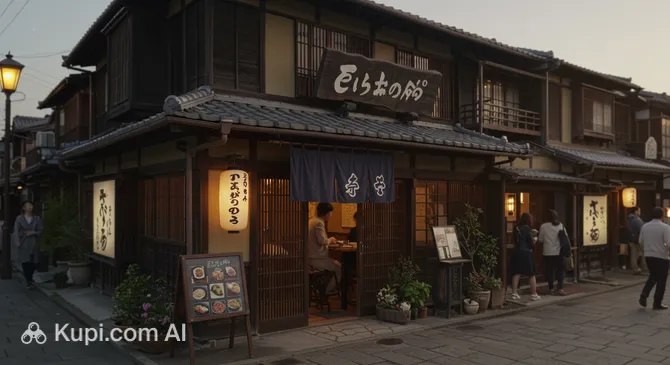
You can immerse yourself in the local food culture at numerous family-run restaurants and cozy eateries scattered throughout the city. For example, you can visit Gohan-ya Sakura (Sakura Ebi) to sample local culinary delights. For foodies, Omiya's lively markets are a true adventure. Here, you can find not only fresh vegetables and fish but also enjoy popular street foods: mouth-watering takoyaki (octopus balls), hearty yakisoba fried noodles, or taiyaki—sweet fish-shaped waffles filled with red bean paste.

Gohan-ya Sakura (Sakura Shrimp). Illustration.
Source: Kupi.com AI

Traveler photos:

In terms of drinks, look out for local sake produced in nearby breweries. Tastings of this traditional Japanese beverage are often part of the food festivals regularly held in the city. Besides alcoholic drinks, you can always enjoy a variety of Japanese teas, from classic green tea to fragrant hojicha or genmaicha. These festivals also provide a wonderful opportunity to attend workshops on making traditional Japanese sweets.

Overall, the gastronomic world of Omiya is a kaleidoscope of flavors where tradition meets modernity and seasonal products take center stage. The hospitality of the locals and the variety of culinary offerings will make your food journey through Omiya truly unforgettable.

Travel Tips

Welcome to Omiya! To ensure your trip to this interesting Japanese city goes smoothly and leaves only pleasant impressions, we have prepared some practical tips. They will help you navigate the area better and avoid potential inconveniences.

  1. Clothing and Essentials:

    The climate in Omiya, as in all of Japan, is temperate with four distinct seasons. In summer (June–August), it is hot and humid, so bring light, breathable clothing. In winter (December–February), it can be chilly, sometimes with snow, so a warm jacket, sweater, hat, and gloves will come in handy. Spring and autumn are the most comfortable times with moderate temperatures. Be sure to bring comfortable shoes, as you will be doing a lot of walking. Don't forget an adapter for your electronics (Japan uses Type A and B sockets, 100V voltage). When visiting shrines, such as Musashi Ichinomiya Hikawa, choose modest clothing that covers shoulders and knees.

  2. Transport:

    Omiya is a major transport hub, and getting around the city and its surroundings is quite convenient. The primary mode of transport is trains; Omiya Station is one of the largest in the region. Lines from JR East, Tobu Railway, and Saitama New Urban Transit (New Shuttle) intersect here. Buses also run throughout the city. Taxis are available but are a more expensive option; you can use apps like JapanTaxi. Renting a car for travel strictly within Omiya is usually unnecessary, but it can be useful for exploring Saitama Prefecture. Remember that Japan has left-hand traffic, and an international driving permit is required for rentals.

  3. Finances:

    The official currency is the Japanese Yen (JPY). You can exchange money at airports, banks, and some large hotels. It is recommended to carry some cash with you, as not all establishments—especially small cafes and shops—accept credit cards. Major stores, restaurants, and hotels usually accept international credit cards (Visa, Mastercard). ATMs for withdrawing cash from foreign cards are available at 7-Eleven, Family Mart, and Lawson convenience stores, as well as at post offices (Japan Post Bank). Tipping in Japan is not practiced and may even be viewed as a misunderstanding of local customs.

  4. Health and Safety:

    Omiya, and Japan in general, is considered a very safe city. However, standard precautions like keeping an eye on personal belongings are always a good idea. Pharmacies (薬, kusuri) are easy to find, but many medications require a prescription, and pharmacists may not always speak English. It is better to bring a basic first-aid kit with you. There are few 24-hour pharmacies. Should you need medical assistance, there are hospitals in the city, some of which cater to foreigners; be sure to arrange travel medical insurance before your trip.

  5. Communication:

    The official language is Japanese. In tourist areas, major stations, and hotels, staff may speak English, but overall, the level of English proficiency among the population is not very high. Learn a few basic phrases: "Konnichiwa" (Hello), "Arigato" (Thank you), "Sumimasen" (Excuse me/I'm sorry). For connectivity, we recommend buying a tourist SIM card or renting a pocket Wi-Fi router (this can be done at the airport). Free Wi-Fi is available in many hotels, some cafes, and at major railway stations. Apps like Google Maps for navigation and HyperDia/Jorudan for planning train routes will be very helpful.

  6. Local Etiquette:

    Japanese people highly value politeness and respect for others. Greetings are usually accompanied by a slight bow. On public transport, try not to talk loudly on your phone. Eating while walking on the street is considered impolite, except in designated areas or during festivals. Be sure to remove your shoes when entering Japanese homes, some temples, and traditional restaurants (there is usually a special shelf or area for this). Do not point your finger at people.

  7. What to Avoid:

    Never stick your chopsticks vertically into a bowl of rice—this is associated with funeral rituals and is considered a bad omen. Also, try not to blow your nose loudly in public; it is better to go to a restroom or do it discreetly.

  8. Highlights of Omiya:

    Omiya is famous for its Railway Museum—one of the best in Japan, which will interest both train fans and families with children. The city is also known for Omiya Park, particularly beautiful during cherry blossom season, and the unique Omiya Bonsai Village, where you can see centuries-old miniature trees and learn about the art of growing them.

We hope these tips help you feel more confident and enjoy every moment of your stay in Omiya. Have a wonderful trip!

Entertainment & Nightlife

When the sun sets, Omiya, a vibrant district of Saitama City, offers its guests a variety of options for evening relaxation and entertainment. While it may not be a 24-hour metropolis, you can find many pleasant places to unwind after a busy day and soak up the local atmosphere.

The main nightlife in Omiya is concentrated in several key areas, with Minami Ginza (South Ginza) standing out in particular. This lively street and its adjacent alleys are packed with bars, traditional Japanese izakaya pubs, restaurants for every taste, and karaoke boxes. The atmosphere here is usually energetic, especially on weekend evenings, attracting both locals and visitors. The dress code in most establishments is casual, so neat everyday clothing is perfectly appropriate.

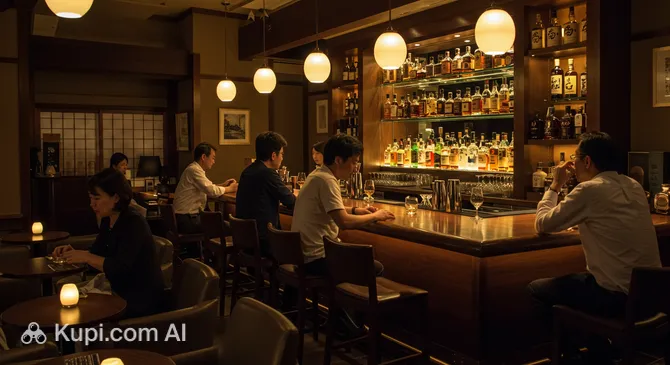
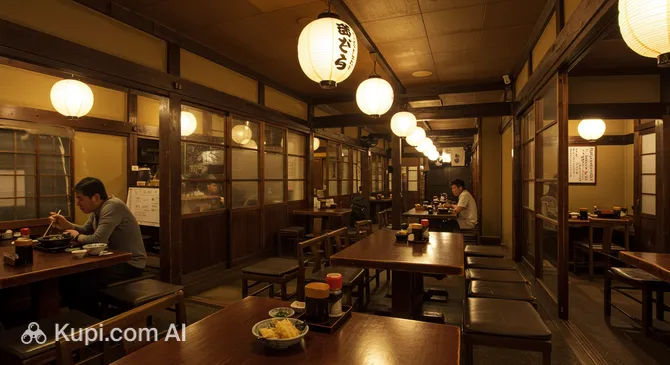
In Omiya, you will find a wide range of venues for evening leisure. These include numerous izakayas where you can try local snacks and sake in a relaxed setting, and stylish bars with diverse cocktail menus, such as the bar Apresio. For dinner, you can choose from many restaurants offering both traditional Japanese and international cuisine; among them, the restaurant Eishodo is worth a visit to enjoy exquisite dishes. Karaoke is a popular pastime in Japan, and Omiya also has plenty of places to have fun with friends. Most bars and restaurants stay open until late at night or midnight, but it is always best to check the specific venue's hours in advance. The liveliest atmosphere is usually found on Friday and Saturday nights.

Aprecio. Illustration.
Source: Kupi.com AI

Traveler photos:

Eishodo. Illustration.
Source: Kupi.com AI

Traveler photos:

Practical Tips: When planning your evening out, keep in mind that peak activity in bars and restaurants usually occurs after 8:00 PM or 9:00 PM. Average prices for food and drink in Omiya are comparable to the average level for Japanese cities of this size. For getting around the city at night, it is most convenient to use taxis, which can be found at designated stands or called by phone. Omiya, like most cities in Japan, is considered safe, though standard precautions—especially at night and in crowded areas—remain a good idea.

During the day, Omiya also offers interesting leisure options. Culture lovers can visit, for example, The Railway Museum, one of the largest and most fascinating railway museums in Japan, located right here. For fresh air and nature, Omiya Park is perfect, known for its plum and cherry blossoms, as well as its zoo and the Saitama Prefectural Museum of History and Folklore.

Parks & Museums

The city of Omiya, located in Saitama Prefecture, delights its guests with a harmonious combination of lush green recreation zones and significant cultural institutions. Everyone will find something to enjoy here, from quiet strolls through ancient parks to fascinating dives into history and art at local museums.

One of Omiya's main highlights is Omiya Park (Ōmiya Kōen). This expansive park is especially beautiful in the spring when over a thousand cherry trees are in bloom. Besides scenic paths, the park features a free zoo, a traditional Japanese garden, a pond for boat rides, and several sports fields. It also adjoins the historic Hikawa Shrine, making it a popular spot for both relaxation and cultural leisure.

For connoisseurs of refined Japanese art, a visit to the Omiya Bonsai Village (Ōmiya Bonsai-mura) and the Omiya Bonsai Art Museum is a must. This unique district allows you to explore the centuries-old tradition of growing miniature trees, see impressive bonsai specimens, and even participate in workshops. Walking through the quiet streets of the village with its many nurseries is an unforgettable experience.

The Railway Museum (Tetsudō Hakubutsukan) is a true gem of Omiya and one of the best railway museums in Japan. It offers an exciting journey through the history of Japanese railways, featuring a vast collection of real locomotives and carriages, interactive displays, dioramas, and even train driving simulators. This venue is equally interesting for both adults and children.

Those who want to gain a deeper understanding of the region's history and culture should visit the Saitama Prefectural Museum of History and Folklore. Located within Omiya Park, the museum houses artifacts and exhibits that tell the story of Saitama Prefecture's development from ancient times to the present day. It is an excellent opportunity to learn more about the local heritage.

An integral part of Omiya's cultural landscape is the Musashi Ichinomiya Hikawa Shrine. This is one of the oldest and most revered Shinto shrines in the Kanto region, with a history spanning over two millennia. The shrine's majestic buildings, surrounded by ancient trees, create an atmosphere of calm and serenity. It is located right next to Omiya Park, allowing visitors to easily combine a trip to both landmarks.

To feel the authentic atmosphere of Omiya, visit one of the local markets, such as the one around Omiya Station, where you can find fresh produce and local delicacies. Also, if your trip coincides with one of the many festivals held at Omiya Park or Hikawa Shrine, don't miss the chance to become part of a vibrant local celebration.

Getting Around

Public transport in the city of Omiya is well-developed and offers tourists convenient ways to get around. Trains form the backbone of the transport system, as Omiya is a vital railway hub. The city's main terminal, Omiya Station, serves numerous Japan Railways (JR East) lines, including Shinkansen high-speed trains, as well as several private railway lines. These trains provide fast connections both within the city and to other regions and cities.

In addition to trains, Omiya is served by city buses that cover areas less accessible by rail. The bus network is quite extensive and can be useful for reaching specific attractions or residential neighborhoods. Routes and schedules are usually posted at stops, but tourists may find it more convenient to use navigation apps.

For paying fares, the most convenient and common method is using rechargeable smart cards such as Suica or Pasmo. These cards can be purchased at vending machines in railway stations and used for travel on most trains and buses not only in Omiya but in many other cities across Japan. Simply tap the card on the reader when entering and exiting platforms or buses. You can also buy single tickets at station vending machines, but this is less convenient if you plan to move around a lot. Fares are calculated based on distance.

Practical tips for tourists: Buy an IC card as soon as you arrive to save time and simplify your travels. Most ticket and card machines have an English interface. Transport in Omiya is very punctual, typically running from early morning (around 5:00–6:00 AM) until late evening (around midnight), but it's best to check the exact schedule in advance, especially for the last departures.

Alternative modes of transport include taxis, which can be found at stations or called by phone. However, taxis in Japan are a relatively expensive way to travel. In some areas, bicycle rentals may be available, providing a pleasant way to explore the city in good weather. One interesting transport-related feature is the Railway Museum in Omiya, which will appeal not only to train enthusiasts but to anyone interested in the history of rail travel.

Accommodation

When planning a trip to Omiya, you will find a variety of accommodation options to suit different preferences and budgets. The city offers budget-friendly choices like guesthouses and hostels, ideal for backpackers and those seeking affordable stays, as well as comfortable mid-range hotels that offer a good balance of price and quality. For more discerning travelers, high-end hotels with an expanded range of services are available. You might also consider renting an apartment, which is particularly convenient for families or extended stays.

When choosing where to stay in Omiya, look for areas near major transport hubs like railway stations, which will ensure easy access to other parts of the city and the surrounding region. Areas with a high concentration of restaurants, shops, and cultural attractions are also popular. This allows you to stay in the heart of the action and save time on travel.

To ensure the best selection and prices—especially if your trip coincides with peak tourist season or major local festivals—it is recommended to book your accommodation in advance. This helps avoid situations where all suitable options are booked up or prices have risen significantly. The price range for accommodation in Omiya varies from budget to high-end, depending on the type of accommodation, its location, and the amenities offered. Most hotels and apartments can be easily booked through popular online platforms or directly on hotel websites.

Nearby Cities

For those looking to explore the surrounding area, Omiya serves as an excellent starting point for day trips to several interesting nearby locations:

CityPopulationDistance
Saitama1 325 8436 km
Nakao9 2727 km
Ageo226 6168 km
Fujimi111 8589 km
Fujimino112 74510 km

For instance, a trip to Saitama, the prefectural capital, allows you to experience a modern Japanese city. Here, you can visit the famous multipurpose Saitama Super Arena, which hosts international concerts and major sporting events, or explore other districts like Urawa with its bustling shopping streets and the Museum of Modern Art, Saitama (MOMAS), offering a look at Japanese and international art. Another attractive option is Kawagoe, often called "Little Edo" for its beautifully preserved historical streets with Kurayashiki warehouses, the Toki-no-Kane bell tower, and traditional confectionery shops. It is a wonderful opportunity to dive into the atmosphere of old Japan.

These nearby destinations provide a great overview of the diverse culture and landscapes of the region.

Shopping & Souvenirs

Shopping in Omiya offers tourists a pleasant mix of modern retail opportunities and the chance to find unique local goods. While Omiya may not be a global fashion capital, it provides excellent shopping conditions, especially given its status as a major transport hub in Saitama Prefecture. The city is famous for its connection to the art of bonsai, which is often reflected in its souvenir products.

The main shopping opportunities in Omiya are concentrated around Omiya Station. This is a bustling area where you will find large department stores, specialty shops, and boutiques. Stroll through the surrounding streets to discover many small stores offering clothing, accessories, electronics, and more. You may also encounter traditional "shotengai" shopping arcades, where you can soak up the local atmosphere.

Located near Omiya Station are large shopping complexes that serve as the main magnets for shoppers. Notable among them are department stores like LUMINE Omiya and SOGO Omiya. These offer a wide range of goods, from fashionable clothing and cosmetics by famous brands to food products and household items. These centers provide a comfortable shopping experience all under one roof.

Regarding markets, the focus in Omiya leans toward modern shopping malls and department stores. While there may not be large traditional street markets like in some other Japanese cities, you can still find small local shops selling fresh produce or temporary fairs, especially during festivals. For a more authentic market experience, look for specialty shops or consider trips to neighboring districts.

As souvenirs from Omiya, consider items related to bonsai art, which the area is famous for (such as small care tools, themed books, or even miniature trees if export rules allow). Traditional Japanese crafts are also popular: ceramics, textiles, "wagashi" sweets, green tea, and various local delicacies from Saitama Prefecture. Major stores also stock popular Japanese items like cosmetics, electronics, or anime merchandise.

Most shops and shopping centers in Omiya are typically open from 10:00 or 11:00 AM until 8:00 or 9:00 PM. Small private shops may have their own schedules. Regarding payment, cash is still widely used in Japan, especially in small establishments. However, major department stores, shopping malls, and many other shops accept credit cards (Visa, MasterCard, American Express) without any problems. Contactless payments and IC cards (such as Suica or Pasmo) are also popular.

For international tourists, Japan has a Tax-Free Shopping system. When purchasing goods over a certain amount (usually over 5,000 yen excluding tax) at participating stores (look for the "Japan Tax-free Shop" logo), you can apply for a consumption tax refund. You will need to present your passport for this. The process usually takes place right in the store at a special counter or at the checkout.

Reached the end of the page?

That means the route is fully explored