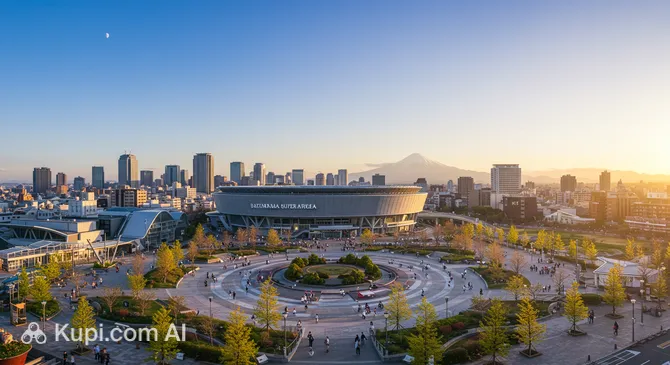
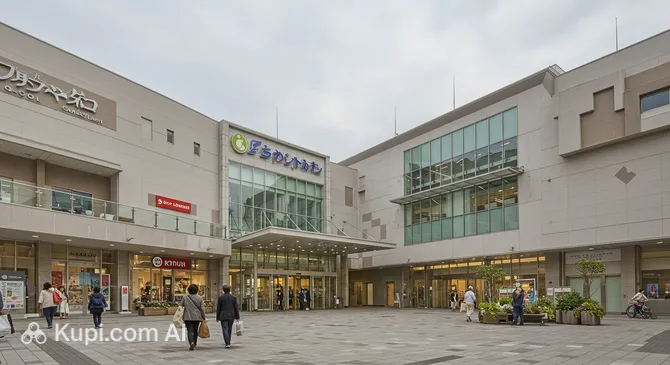
Saitama is a dynamic and modern administrative center of the prefecture of the same name, located in the heart of the Kanto region in Japan. As one of the country's largest cities with a population of over 1.3 million, it harmoniously combines the status of a major transport hub with the cozy atmosphere of a Tokyo residential satellite. Saitama. Illustration.
Source: Kupi.com AI
Despite its relative youth within its current borders, this place possesses a rich cultural layer rooted in the city's history, when the Urawa and Omiya districts were significant points on ancient trade routes.
Geographically, the city is located just 25–30 km north of the Japanese capital, making it an ideal base for those who want to explore the Kanto region while avoiding the excessive hustle and bustle of the metropolis. Here you will find not only modern business districts but also unique cultural sites, such as the famous Railway Museum and an authentic bonsai village. The climate here is humid subtropical: summers can be quite hot and muggy, while winters are mild and sunny.
For tourists, Saitama is attractive for its large-scale venues, such as the Saitama Super Arena, which hosts global sporting and musical events, as well as magnificent parks and temple complexes. This is a city that invites you to look behind the facade of standard tourist routes and feel the true rhythm of modern Japanese life. We definitely recommend including this destination in your itinerary through the central part of the country.
Weather Overview
Saitama is dominated by a humid subtropical climate, largely similar to that of the capital, but with slight differences. Due to the lack of direct access to the sea, it can be a bit hotter here in summer and slightly cooler in winter than in coastal Tokyo. To better prepare for your trip, we recommend studying the detailed Saitama climate by month.
A typical weather scenario includes a hot and humid summer, especially in July and August, when daytime temperatures often exceed +30°C and are accompanied by rain showers. Winter, on the contrary, is cool and dry; snow falls rarely and usually melts quickly, with the average January temperature being around +4.5°C. The most comfortable times to visit are spring (March–May) and autumn (October–November), when the weather is mild and pleasant, ideal for walking in parks and sightseeing.
Average monthly temperature
Average monthly precipitation
Interesting Facts
Saitama is a city with a unique character that manifests in details not immediately obvious. Here are a few curious facts to help you get to know it better:
Legal youth: The modern city officially appeared on the map of Japan only on May 1, 2001. It was formed by merging three major cities — Urawa, Omiya, and Yono, while preserving the historical identity of each district.
Unique spelling: The city's name is officially written in the hiragana syllabary (さいたま) rather than kanji characters. This is quite a rare phenomenon for prefectural capitals, intended to emphasize the modern and open image of the metropolis.
Bonsai capital: The city is home to the unique "Bonsai Village," founded by gardeners after the Great Kanto Earthquake. It houses one of the world's most prestigious museums of this art, where some living exhibits are centuries old.
Technological marvel: The Saitama Super Arena has a unique design — a huge block of spectator stands can move on rails, changing the venue's capacity from 5,000 to 37,000 seats in just a few hours.
How to Get There
Transport accessibility is one of the main advantages of Saitama. Thanks to its location within the Greater Tokyo Area, the city is connected to the world and the rest of the country by a dense network of railways and expressways. To plan your route most effectively, you can explore all ways to get to the city on a special page.
International travelers usually arrive at major capital air hubs. Narita Airport and Haneda Airport serve hundreds of flights daily. From Narita, you can reach the city's central stations by comfortable limousine buses or trains with a transfer in 1.5 hours. The journey from Haneda takes about an hour.
The main railway hub is Omiya Station. This is a crucial hub where local train lines and Shinkansen high-speed trains heading north intersect. A trip from Tokyo's central station to Saitama on a JR express takes only about 25–30 minutes, making travel very convenient even for short visits.
Station
Passenger traffic
Distance
Ōmiya Station
15
5 km
Akabane Station
16
12 km
Ōtsuka Station
15
16 km
Mejiro Station
16
17 km
Takadanobaba Station
16
17 km
Main Attractions
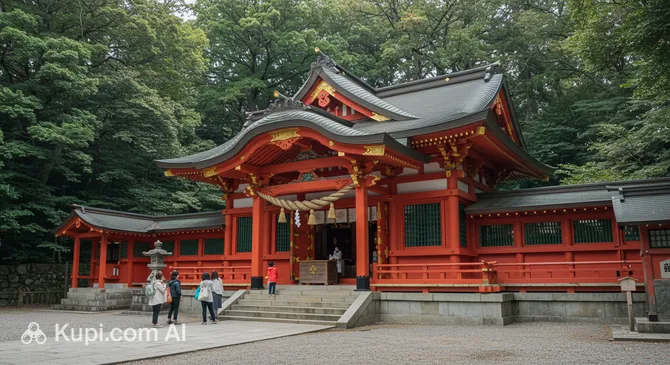
Although Saitama is not a classic historical center, it hides several true gems of Japanese culture and architecture. One of the most significant locations is rightfully considered Musashi Ichinomiya Hikawa Shrine. It is one of the region's most important Shinto shrines, surrounded by a majestic park area. A stroll through its long alley, lined with centuries-old trees, gives a sense of tranquility and connection to ancient traditions.
Musashi Ichinomiya Hikawa Shrine. Illustration.
Source: Kupi.com AI
Traveller photos:
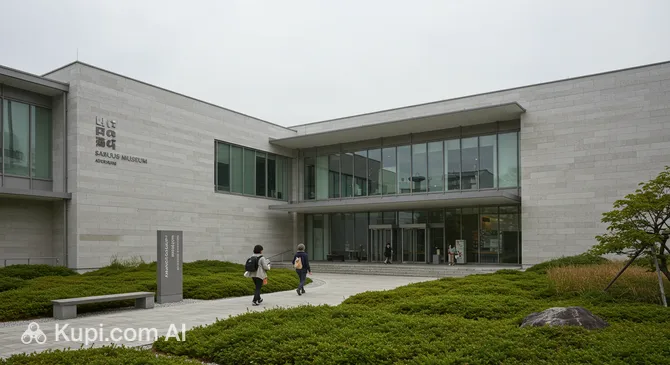
For those interested in industrial and economic history, the Saitama Mint Museum is open. Here you can not only learn about the evolution of Japanese currency but also see modern coin and state award production processes. This place will especially appeal to numismatists and fans of precision technology, offering an interactive look at the country's financial past and present.
Mint Museum Saitama. Illustration.
Source: Kupi.com AI
Traveller photos:
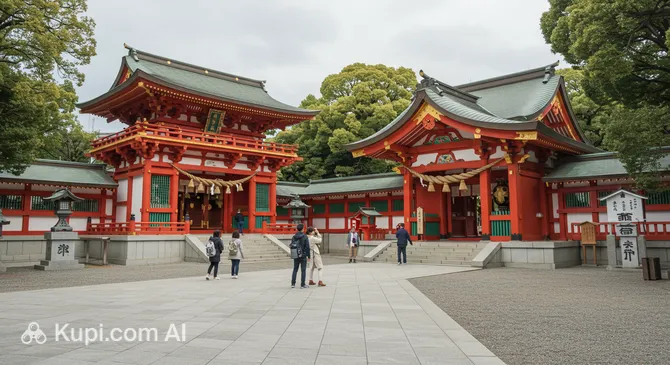
Another spiritual center of the city is Hikawa Nyotai Shrine. Located in a picturesque spot, it complements the city's religious landscape and attracts those seeking solitude away from busy shopping districts. Additionally, tourists should pay attention to the famous bonsai village in the Omiya district, where the best workshops for growing miniature trees are concentrated, turning this art into a true symbol of the prefecture.
Hikawa Nyotai Shrine. Illustration.
Source: Kupi.com AI
Traveller photos:
Local Cuisine
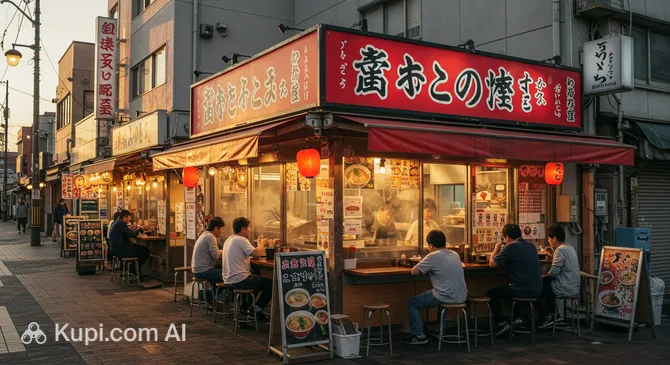
Saitama's culinary scene is a vibrant palette of flavors characteristic of the Kanto region, complemented by modern culinary trends. The city is famous for its high-quality green tea from Sayama and traditional senbei crackers. The local food culture is concentrated in the lively neighborhoods near the stations, where you can find both tiny authentic noodle shops and elegant restaurants.
For those looking for the perfect bowl of ramen, Torisoba Issa is an excellent choice. This establishment is popular with locals thanks to its rich chicken broth and masterful noodle preparation. Such places perfectly reflect the atmosphere of Japanese street food, where the quality of dishes always remains top-notch.
Torisoba Issa. Illustration.
Source: Kupi.com AI
Traveller photos:
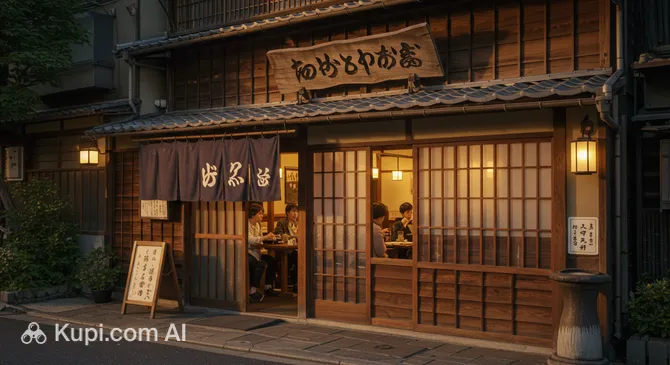
If you want to spend the evening in a more European style, check out the Sawamura restaurant. They offer excellent pastries and Western cuisine with a modern twist. In general, while in the city, you should definitely try unagi (river eel) dishes, which have been considered a local delicacy since the Edo period, and for dessert — matcha-flavored sweets.
Sawamura. Illustration.
Source: Kupi.com AI
Traveller photos:
Travel Tips
A trip to Saitama will be a pleasant and comfortable experience if you consider a few practical nuances characteristic of this region. Here are useful tips to help you feel at home in this Japanese metropolis:
Clothing and items: Choose clothing according to the season. Summer in the region is very humid, so light natural fabrics are a must-have. Be sure to bring comfortable shoes for long walks and a power adapter (Japan uses type A/B, 100V). When visiting Hikawa shrines, no specific dress code is required, but moderation in clothing is welcomed.
Transport: The best way to get around is by local and express trains. Be sure to purchase a Suica or PASMO card so you don't have to buy tickets every time. Remember the "rush hours" — trains toward Tokyo in the morning can be incredibly crowded.
Finances: The official currency is the yen. Although cards are accepted in shopping malls, cash is still necessary for payments in small shops, shrines, and some izakayas. Tipping is not customary in Japan — it may even offend the staff.
Safety: The city is extremely safe. Drug stores are easy to find near any station. In case of emergencies, follow the staff's instructions — Japan has well-established protocols for earthquakes.
Communication: The main language is Japanese. English is common in hotels and large malls, but in small cafes, a translator may be useful. Learn a simple "Arigato" (thank you) — it always brings a smile. Wi-Fi is available at stations, but for navigation, it's better to buy a SIM card or rent "pocket Wi-Fi."
Etiquette: Observe silence on transport — do not talk on the phone. When entering some traditional establishments or homes, you must remove your shoes.
What to avoid: Do not eat on the go in crowded places and never stick chopsticks vertically into rice — this is considered bad luck.
Additional tip: If you plan to visit the Railway Museum, try to arrive at opening time on a weekday to avoid crowds of school groups.
Following these simple rules will help you focus on the beauty and unique atmosphere of the city, making your journey easy and memorable!
Entertainment & Nightlife
The center of the city's entertainment life is undoubtedly the Saitama Super Arena. This world-class transformable venue regularly hosts major international concerts, basketball championships, and mixed martial arts tournaments. On event days, an incredible atmosphere of celebration and energy is created around the arena and the neighboring Saitama-Shintoshin Station, attracting thousands of spectators.
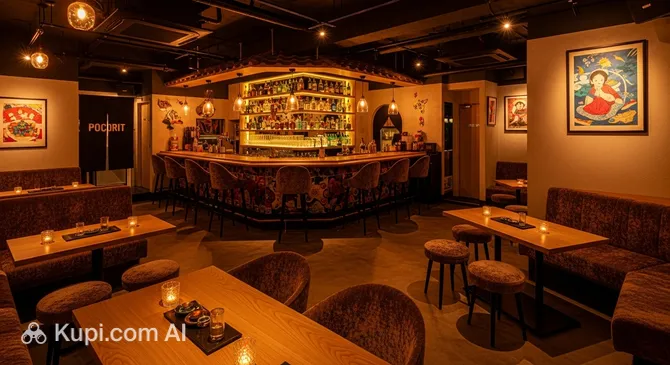
Nightlife here is mainly concentrated around the Omiya and Urawa hub stations. In these areas, you can find cozy spots like Attraction Bar DPS Omiya, where you can relax after a busy day. For those who prefer a more tranquil and refined atmosphere, the bar Pokorit is a great fit, offering a wide selection of drinks and an intimate setting.
Pocorit. Illustration.
Source: Kupi.com AI
Traveller photos:
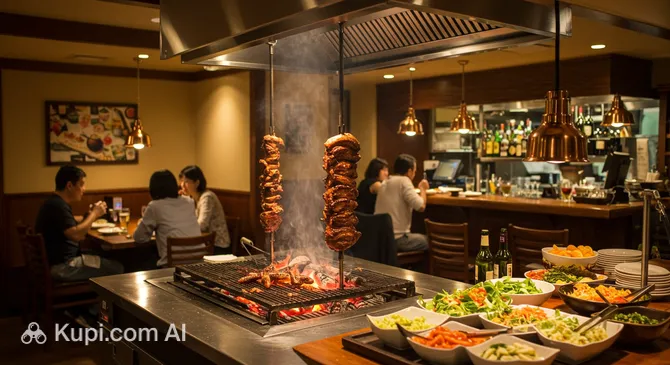
Food lovers with a Latin American craving should check out Churrasco Alegria Omiya, which serves traditional Brazilian meat in an "all you can eat" format. Overall, evening Saitama is a place for quiet relaxation in local izakayas and bars. If you want large dance floors and nightclubs, the famous districts of Tokyo can be reached in just half an hour by train.
Churrasco Alegria Omiya. Illustration.
Source: Kupi.com AI
Traveller photos:
Parks & Museums
The main place for outdoor recreation in the city is the magnificent Omiya Park. It is a vast green area that is especially beautiful in spring during the cherry blossom season and in autumn when the foliage turns crimson. The park adjoins ancient temple forests, creating a single space for walking, sports, and nature contemplation right in the middle of a busy metropolis.
Among cultural sites, the Railway Museum has gained world recognition. It is a true paradise for travelers of all ages: here you can see legendary steam locomotives, the first Shinkansen carriages, and try your hand as a driver on realistic simulators. The museum's exhibition tells in detail how railways changed the face of the country and people's lives.
No less interesting is the Saitama Mint Museum, which offers a unique look at the city's industrial history. Also worth a visit is the specialized Omiya Bonsai Art Museum, where masterpieces of Japanese gardening are presented. These venues allow for a deeper understanding of the region's aesthetic and technological values, making the cultural program in Saitama rich and informative.
Mint Museum Saitama. Illustration.
Source: Kupi.com AI
Traveller photos:
Getting Around
Public transport in Saitama operates with the perfect precision characteristic of all of Japan. The transport system is based on JR company trains and several private railways. The city is crisscrossed with railway lines, allowing for quick movement between its districts and easy access to Tokyo. The JR Takasaki and Utsunomiya lines provide frequent connections to the capital's largest hubs.
It is best to use contactless transport cards, such as Suica or PASMO, to pay for travel. They can be topped up at machines at any station and used not only on trains but also on city buses, as well as for purchases in convenience stores (konbini). Fares depend on the distance: a short trip within the city costs about 150–200 yen. The bus network perfectly complements the trains, connecting residential neighborhoods with shopping malls and parks.
It is important to remember that during rush hours (7:30 to 9:00 and after 18:00), transport can be heavily congested. If you value comfort, try to plan your movements outside these times. Taxis are available throughout the city; they can be called via apps or found at designated stands near stations, though this is significantly more expensive than public transport. Bicycle rental is also gaining popularity, especially in the flat central areas where many bike parking spots are available.
Accommodation
Saitama's hotel sector is primarily focused on business travelers and guests of large-scale events. The most convenient option for tourists is accommodation near Omiya and Saitama-Shintoshin stations. Modern business hotels are concentrated here, offering functional rooms, excellent service, and proximity to major transport routes.
The general price range varies from budget options (around 6,000–8,000 yen) to mid-range and high-class hotels, where the cost per night can reach 20,000 yen or more. During periods of major concerts or sporting tournaments at the Saitama Super Arena, accommodation in the city is booked very quickly, so for such dates, we recommend taking care of housing several months before the trip.
If you are looking for a more authentic or budget experience, it is worth looking at apartments offered through popular rental services. However, it should be noted that classic Japanese ryokan inns with thermal springs are rare in the city itself — it is better to head to the mountainous areas of the prefecture for those. All international and local aggregators are suitable for booking standard hotels.
Nearby Cities
Saitama serves as an excellent starting point for exploring the surroundings and other iconic places in the Kanto region. Thanks to a well-developed railway network, you can easily plan day trips, discovering both ultra-modern metropolises and quiet provincial corners with a rich history.
Just a few minutes' drive away is Omiya, which is technically part of the metropolis but retains its unique spirit as a transport and commercial hub. Also of interest for a visit are smaller cities like Warabi and Toda, where you can observe the measured daily life of the Japanese. Within 10–15 minutes by train is Asaka, and very close is the cozy town of Nakao.
Be sure to set aside a day for a trip to Kawagoe — it is often called "Little Edo" for its beautifully preserved old kura warehouses. And if you crave nature, head to the Chichibu district in the west of the prefecture, where picturesque mountains and clear rivers await you. Exploring Saitama's surroundings will give you plenty of new experiences and allow you to see the real multifaceted Japan.
Shopping & Souvenirs
Shopping in Saitama is primarily about convenience and a huge selection of goods in modern multi-functional complexes. The main shopping zones are concentrated around key stations. Here you will find everything: from boutiques of famous world brands to electronics stores and unique Japanese home goods. The city is especially convenient for those who don't want to spend time on endless transfers in Tokyo's shopping districts.
One of the most popular places for shopping is the Cocoon 2 (Cocoon City) shopping mall. This large-scale complex brings together hundreds of shops, restaurants, and entertainment zones under one roof. It's pleasant to spend a few hours here choosing clothes, cosmetics, or anime-style goods, for which local shops are so famous. The center's design with open spaces makes the shopping process very comfortable.
Cocoon 2. Illustration.
Source: Kupi.com AI
Traveller photos:
As souvenirs from the city, it's worth bringing back traditional tea from Sayama, crunchy senbei crackers, or items with the symbols of local sports clubs. Shops usually operate from 10:00 to 20:00 or 21:00. In large retail outlets, the Tax Free system is available for foreign tourists, allowing for a tax refund on purchases. International bank cards are accepted almost everywhere, but in small shops near shrines, cash may still be needed.