Support

Adachi

About

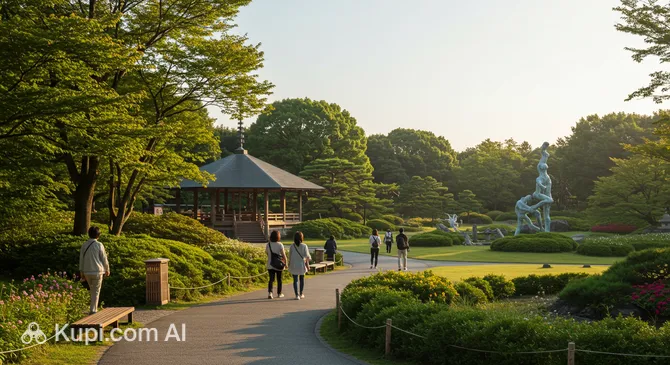
Adachi is a special ward nestled in northern Tokyo, on the eastern edge of the Japanese capital. It serves as a unique bridge between the bustling metropolis and quieter suburbs, where the modern urban rhythm harmoniously intertwines with the charm of traditional Japan. The picturesque Arakawa River flows through the district, while green parks and modern residential neighborhoods create a uniquely cozy atmosphere.
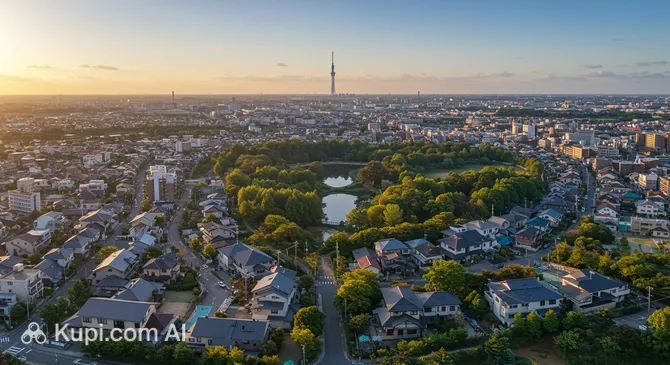
Adachi. Illustration.
Source: Kupi.com AI

With a population of about 682,000 people, Adachi is one of Tokyo's significant and densely populated wards. It plays an important role in the life of the capital, being not only a major residential area but also a notable cultural, educational, and partially industrial center. Despite its scale, Adachi manages to maintain a sense of local comfort and friendliness.

The atmosphere of Adachi is surprisingly multifaceted: here you can find both quiet streets with traditional craft shops and small temples, as well as modern shopping centers. Tourists are attracted not only by its convenient location relative to central Tokyo but also by the special authenticity of the area. Here you can dive deeper into the daily life of the Japanese people, away from the main tourist crowds. Key features that attract visitors include the scenic parks, perfect for walks and relaxation, and the opportunity to explore lesser-known but equally interesting corners of Tokyo culture.

Adachi is worth visiting for a unique experience that combines historical heritage with modernity. It is a wonderful opportunity to see Tokyo from a different, less explored, but incredibly interesting side, enjoy leisurely strolls, and discover something new in Japanese culture and daily life.

You can find more interesting facts on the Adachi city history page
Weather Overview

The weather in Adachi is characterized by distinct seasonal changes. Summer, especially in July and August, is quite warm here, with average temperatures reaching 27-28°C (based on data: July 26.8°C, August 28.1°C), and maximum values around 30-31°C (July 30.0°C, August 31.3°C). July stands out with the highest number of rainy days (16 days); it also rains frequently in August (14 days), while the total precipitation in the summer months remains moderate. Winters, from December to February, are cool, with average temperatures around 5-7°C (December 6.8°C, January 4.6°C, February 6.0°C) and minimums dropping close to zero (January 0.1°C). The winter months are generally drier compared to the summer. Spring and autumn offer mild and comfortable conditions for visiting. Expect a warm summer with occasional rain and cool, relatively dry winters. For a more detailed forecast and monthly information, you can visit the Adachi Climate page.

Average monthly temperature

Average monthly precipitation

Interesting Facts

In addition to the main attractions, Adachi holds many fascinating secrets and little-known details that make it truly special. This Tokyo ward can surprise even the most seasoned traveler with its multifaceted history and culture.

Shobunuma Park. Illustration.
Source: Kupi.com AI

Traveler photos:

  • The historical name of the Adachi district comes from the ancient Adachi-gun county, which existed in Musashi Province even before the Edo period. The territory of the ancient county was much larger than the modern special ward of Tokyo, which testifies to its long history.

  • Adachi is famous for one of the largest and oldest fireworks festivals in Tokyo – "Adachi no Hanabi." Every July, this spectacular show on the banks of the Arakawa River attracts hundreds of thousands of spectators, marking the beginning of the summer fireworks season in the capital.

  • The district is home to the revered Nishiarai Daishi temple, one of the three great temples of the Kanto region dedicated to the monk Kukai (Kobo Daishi). The temple is known for its rituals for protection against misfortune and attracts many pilgrims year-round.

  • Adachi has a "green twin"—the city of Belmont in Western Australia. In honor of this friendship, Belmont Park was created in the district, where you can find elements of Australian flora and design, symbolizing the district's international ties.

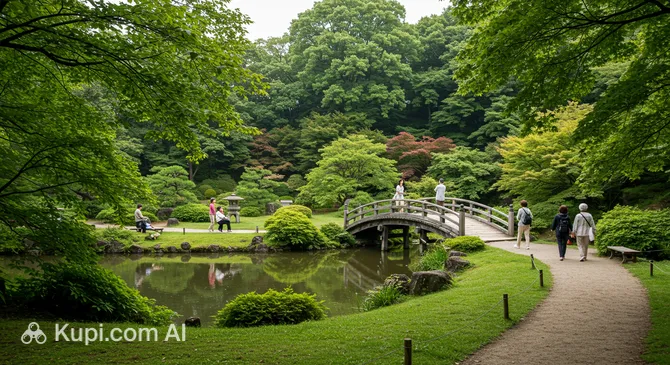
  • A special pride of the district is Shobu-numa Park, also known as the Iris Park. In early summer, you can admire the blooming of more than 8,000 irises of approximately 140 different varieties here, creating a truly magical atmosphere.

How to Get There

The most convenient way to reach Adachi, one of Tokyo's special wards, is by air, using one of the major international airports serving the Japanese capital. Although Adachi itself does not have its own airport, transport accessibility is ensured by its proximity to the region's main aviation hubs.

The primary and closest option is Haneda Airport (HND), officially known as Tokyo International Airport. It is located in the city of Tokyo, approximately 25 km south of Adachi. As one of the world's busiest airports, Haneda offers a wide range of domestic and international flights. A taxi ride from here to Adachi usually takes 50 to 70 minutes, depending on traffic conditions. You can also reach Adachi from the airport by trains and buses, making the necessary transfers in Tokyo.

Another major international hub is Narita International Airport (NRT). According to provided data, it also serves Tokyo and is located approximately 53 km east of Adachi. Narita handles most long-haul international flights. A taxi ride to Adachi can take 1.5 to 2 hours. More popular and economical options are express trains (such as the Narita Express) or limousine buses to Tokyo's central stations, from where it is easy to reach Adachi via local lines.

For some travelers, especially those using budget airlines or arriving from certain regions, Ibaraki Airport (IBR) might be convenient. It is located in Ibaraki City, about 71 km northeast of Adachi. This regional airport mainly serves low-cost carriers and some domestic flights. The journey from Ibaraki Airport to Adachi by car or using public transport (usually a bus to the nearest railway station, then a train) will take more than 2 hours.

For clarity, here is a summary of the main airports through which you can reach Adachi:

AirportPassenger trafficDistance
Haneda Airport85.7 mln25 km
Narita International Airport40.8 mln53 km
Ibaraki Airport776 06371 km
Fukushima Airport250 000171 km
Matsumoto Airport112 618175 km

Main Attractions

Adachi, one of Tokyo's special wards, offers its guests many interesting places to visit, from ancient temples to picturesque parks. Here everyone will find something to their liking, whether it's a relaxing holiday in nature or an introduction to the local culture.

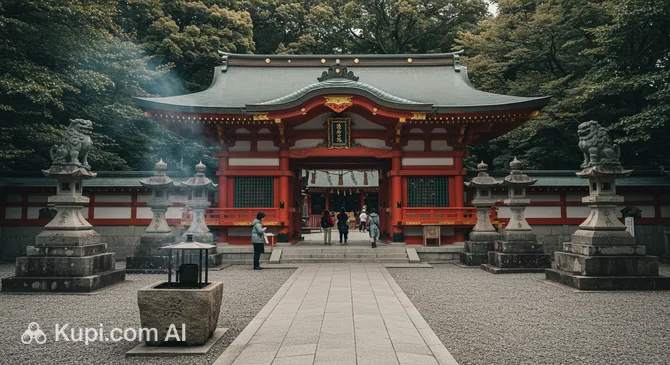
One of the main gems of the district is Nishiarai Daishi, a famous Buddhist temple with a rich history. It attracts pilgrims and tourists with its beautiful architecture, peaceful atmosphere, and traditional festivals, especially those related to warding off evil spirits and attracting good luck. The temple is also famous for its gardens, where you can enjoy cherry blossoms in spring and vibrant maples in autumn.

Nishiarai Daishi. Illustration.
Source: Kupi.com AI

Traveler photos:

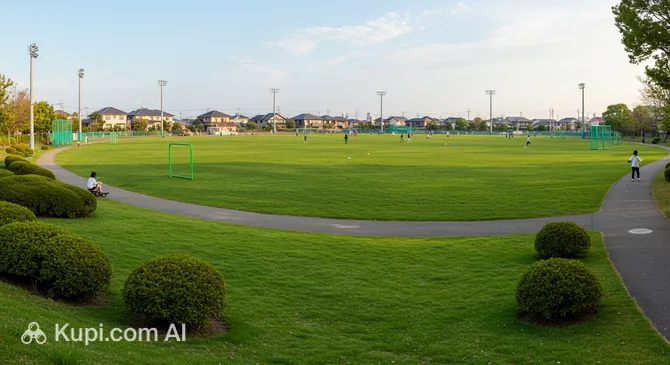
For lovers of nature and outdoor activities, Toneri Park is an excellent choice. This is one of the largest parks in Adachi, offering vast green spaces, sports fields, ponds, and picnic areas. Here you can go jogging, cycling, or simply take a break from the city bustle while enjoying the fresh air and beautiful landscapes.

Toneri Park. Illustration.
Source: Kupi.com AI

Traveler photos:

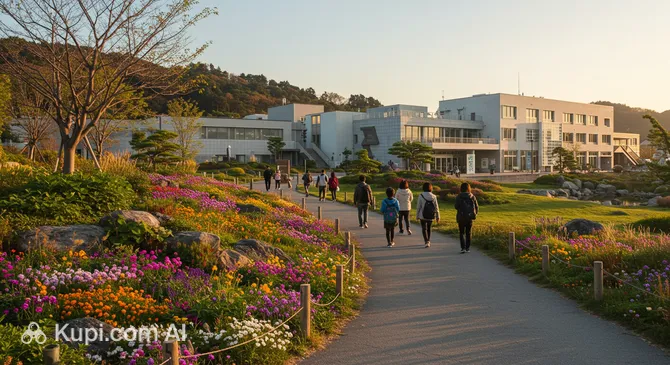
Another charming place is Hanahata Park. As the name suggests ("hana" means flower), the park delights visitors with various floral arrangements throughout the year. It is especially popular in spring during the cherry blossom season and in autumn when the trees turn crimson. It is a great place for family walks and photo shoots.

Hanahata Park. Illustration.
Source: Kupi.com AI

Traveler photos:

No less attractive is Shobu-numa Park, known for its iris pond ("shobu" means iris). In early summer, during the iris blooming season, the park turns into a real work of art, attracting many visitors who want to admire this magnificent sight. You can also see other aquatic plants and birds here.

Shobunuma Park. Illustration.
Source: Kupi.com AI

Traveler photos:

Rounding out our list, but not in importance, is Belmont Park. This park was created as a sign of friendship between the Adachi ward and the city of Belmont in Australia. It features a unique landscape design including elements characteristic of Australian nature, such as eucalyptus trees. It is a quiet and cozy place for walks and relaxation where you can feel the atmosphere of another continent.

Belmont Park. Illustration.
Source: Kupi.com AI

Traveler photos:

Local Cuisine

The gastronomic world of Adachi opens up an authentic side of Tokyo's culinary life to travelers. While the district may not be famous for unique dishes known throughout Japan, you will find a huge variety of traditional Japanese meals here, prepared with soul and attention to detail. This is a wonderful opportunity to immerse yourself in the everyday cuisine that the Japanese themselves love.

Be sure to try the classics: fragrant ramen in one of the many small restaurants, the freshest sushi and sashimi, as well as crispy tempura—deep-fried seafood and vegetables. Dishes like unagi (grilled eel) and various donburi (rice bowls with various toppings) are also popular in Adachi. Many locals prefer to dine in cozy izakaya—traditional Japanese pubs where a wide range of snacks is served alongside drinks.

For drinks, look out for sake (rice wine) of various types and ages, as well as shochu—a strong alcoholic beverage that can be drunk neat or in cocktails. Japanese beer is also very popular. Among non-alcoholic drinks, green tea (such as matcha or sencha), refreshing mugicha (barley tea), and various local lemonades remain consistently popular.

The food culture in Adachi is diverse. You can find both family restaurants that pass down recipes from generation to generation and modern cafes. Locals often have lunch in small establishments specializing in one or two dishes, which guarantees their high quality. Tourists can also explore gastronomic offerings around popular spots. For example, during festivals or walks near the Nishiarai Daishi temple, you might come across stalls with traditional street food such as takoyaki (octopus dough balls) or yakisoba (fried noodles).

Nishiarai Daishi. Illustration.
Source: Kupi.com AI

Traveler photos:

Adachi's gastronomic scene attracts with its authenticity and the opportunity to try real Japanese food away from the noisy tourist centers. Here, the emphasis is on the freshness of products and traditional cooking methods, allowing you to enjoy the true taste of Japanese cuisine. This is a great chance to see what Tokyoites themselves eat in their daily lives.

Travel Tips

Welcome to Adachi! To ensure your trip to this interesting part of Japan goes smoothly and leaves only pleasant impressions, we have prepared a few practical tips. These recommendations will help you better navigate the area and enjoy every moment of your journey.

  1. Clothing and Essentials:

    The climate in Adachi, like in all of Tokyo, is temperate with four distinct seasons. In summer (June-August), it is hot and humid, so choose light, breathable clothing. In winter (December-February), it can be chilly, so a warm sweater and jacket will come in handy. Spring and autumn are the ideal times for a visit with comfortable temperatures. Be sure to bring comfortable shoes, as exploring Adachi and its surroundings is best done on foot. Don't forget an adapter for your electronics (Japan uses type A and B sockets, 100V voltage). When visiting temples and shrines, opt for modest clothing that covers your shoulders and knees.

  2. Transport in Adachi:

    As part of the Tokyo metropolitan area, Adachi is perfectly integrated into the city's transport system. The main means of travel here are trains and the metro—they are fast, convenient, and cover almost the entire ward. Buses also run but can be harder to navigate without knowing Japanese. We recommend purchasing a rechargeable Suica or Pasmo transport card for easy fare payment. Taxis are available but are quite an expensive way to travel; taxi apps exist but are not as widespread as in some other countries. Car rental in Tokyo is generally impractical due to heavy traffic, high parking prices, and the excellently developed public transport.

  3. Finances – All About the Japanese Yen:

    The local currency is the Japanese Yen (JPY). You can exchange money at the airport, banks, or specialized exchange offices. Credit and debit cards (especially Visa and Mastercard) are widely accepted in most shops, restaurants, and hotels. However, it is always useful to have some cash on hand, especially for payments in small cafes, local shops, or markets. International cards usually work without problems at 7-Eleven, Japan Post Bank, and major bank ATMs. An approximate daily budget (excluding accommodation) can range from 7,000 to 15,000 JPY for a comfortable trip. It's important to remember that tipping is not customary in Japan and may be seen as a misunderstanding.

  4. Health and Safety:

    Adachi, like Tokyo in general, is considered one of the safest places in the world. Nevertheless, basic precautions, such as watching your belongings in crowded places, are never out of place. Pharmacies (薬, "kusuri") are common, but not all of them are open 24/7, and pharmacists do not always speak English. Having travel medical insurance is highly recommended. In emergencies, call 119 (ambulance and fire service) or 110 (police). If you have special medical needs, it's better to check the location of clinics that work with foreigners in advance.

  5. Communication and Connectivity:

    The official language is Japanese. In tourist centers, large hotels, and train stations, staff often speak English, but in more residential areas of Adachi, the level of English proficiency may be lower. Learn a few basic Japanese phrases: "Konnichiwa" (Hello/Good afternoon), "Arigato gozaimasu" (Thank you very much), "Sumimasen" (Excuse me/Sorry). For constant internet access, it is convenient to purchase a local SIM card or rent a pocket Wi-Fi router; this can be done at the airport or in electronics stores. Free Wi-Fi is also available in many public places, cafes, and stations. Useful apps: Google Maps, HyperDia (for train planning), Gurunavi or Tabelog (for finding restaurants).

  6. Local Etiquette and Traditions:

    Japanese people highly value politeness and respect for traditions. Greetings are often accompanied by bows; the depth of the bow depends on the situation and the status of the person. In public places, especially in transport, try to speak quietly and not disturb others. An important rule: always remove your shoes when entering a Japanese home, as well as many temples and some traditional restaurants (there is usually a special place for shoes). Try not to eat on the go (except in special festival areas) and do not blow your nose loudly in public.

  7. What to Avoid:

    To ensure your stay is comfortable and you don't offend locals, avoid loud mobile phone conversations on public transport—it is considered extremely impolite. Also, never stick your chopsticks vertically into a bowl of rice, as this gesture is associated with funeral rituals. Remember that attempting to tip may cause embarrassment, as it is not the practice in Japan.

  8. Special Tip for Adachi:

    Adachi is one of the 23 special wards of Tokyo that offers a unique opportunity to immerse yourself in a more authentic atmosphere of everyday Japanese life, away from the main tourist routes. Be sure to walk through the local shopping streets known as "shotengai" (for example, Kita-Senju Sun Road Shotengai or Adachi Market). Here you will find many small family shops, traditional eateries, and can feel the real, non-tourist spirit of Tokyo. It's a great chance to see how ordinary Tokyoites live and find unique souvenirs.

We hope these tips help you feel more confident and get the most out of your trip to Adachi. This district of Tokyo is full of its own unique corners and discoveries, and we are sure that your introduction to it will be an unforgettable experience!

Entertainment & Nightlife

Adachi, one of Tokyo's special wards, offers a special evening and nighttime atmosphere that differs from the noisy central districts of the metropolis. The nightlife here is calmer and oriented toward local residents, which provides a unique opportunity to immerse yourself in everyday Japanese culture. The core of evening entertainment consists of traditional Japanese pubs—izakaya, small cozy bars, and restaurants where you can have a delicious dinner and enjoy a pleasant time in a relaxed setting.

Key attraction points in the evening in Adachi are the areas around major railway stations, such as Kita-Senju (part of which, including surrounding areas, belongs to other districts, but its influence on Adachi is significant) and Takenotsuka. This is where most establishments are concentrated: from chain restaurants to small family bars serving sake and local snacks. As evening falls, these streets come alive, filled with the light of lanterns and neon signs inviting you inside. The atmosphere here is usually friendly and informal, with no strict dress code.

Instead of looking for world-famous clubs, it's worth paying attention to the authentic local venues in Adachi. Since this is primarily a residential area, it's hard to single out specific "star" nightspots. However, you will easily find many welcoming places in the Kita-Senju and Takenotsuka station areas. Look for signs for traditional izakaya, perhaps with names like "Honoka" (Warm Light) or "Nagomi" (Harmony), or stop by one of the many karaoke bars, which often have simple and inviting names like "Enjoy Karaoke" or "Starlight Melody." The crowd here is mostly local, creating a sense of authenticity.

When planning your evening leisure in Adachi, keep in mind that many establishments open around 5:00 PM – 6:00 PM and work until midnight or slightly later, especially on Fridays and Saturdays. Weeknight evenings are suitable for quiet relaxation, while weekends offer a more lively atmosphere. Prices in local bars and restaurants are generally more affordable compared to central Tokyo. It is convenient to get to your destination and back by train, but remember that public transport in Tokyo usually stops running around midnight or 1:00 AM. After this time, you will have to use a taxi, which is quite expensive in Japan.

Regarding safety, Adachi, like most areas in Japan, is considered a very safe place for walking even after dark. Nevertheless, standard precautions are always appropriate. Taxis can easily be found at stations or called by phone or via an app.

If your goal is large-scale parties and performances by world-famous DJs, you should head to central Tokyo districts like Shinjuku or Shibuya. Adachi offers a different, more intimate and authentic nightlife experience, allowing you to see another side of the Japanese capital.

During the day, Adachi also offers interesting leisure options, especially for nature lovers and those who enjoy quiet walks. You can visit wonderful green zones such as Toneri Park, which is impressive in its size, or the picturesque Hanahata Park. A cultural landmark is the Nishiarai Daishi temple. For family outings, Belmont Park and Ogunohara Park are also suitable. The area also has several small museums dedicated to local history and culture.

Ogunohara Park. Illustration.
Source: Kupi.com AI

Traveler photos:

Parks & Museums

Adachi, one of Tokyo's special wards, offers its guests a pleasant combination of well-kept green areas for relaxation and interesting sites that allow you to experience the local culture and history. Here you can find both spacious parks for walks and activities, as well as significant shrines and museums that preserve the spirit of traditional and modern Japan.

Among Adachi's green oases, Toneri Park stands out particularly. It is a vast territory with various recreational opportunities: there are sports fields, picnic areas, ponds, and beautiful alleys. The park is perfect for family walks and outdoor sports, serving as a breath of fresh air in the urban environment.

Toneri Park. Illustration.
Source: Kupi.com AI

Traveler photos:

Another wonderful place for nature lovers is Arakawa Nature Park, stretching along the river of the same name. It offers visitors picturesque views, paths for leisurely strolls, and the opportunity to observe local flora and fauna. It is an ideal place for those seeking solitude and contact with nature.

Special mention should go to Shobu-numa Park. This park is particularly famous for its beautiful irises (shobu), which bloom lushly in early summer, turning it into a real sea of flowers and creating a mesmerizing sight for all visitors. These parks are excellent places to take a break from the city hustle and enjoy the natural beauty of Adachi.

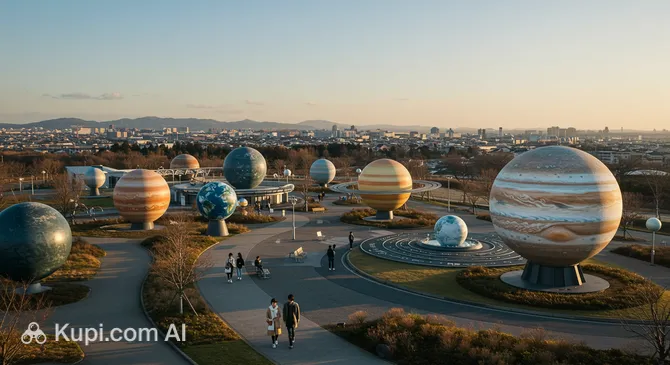
In addition to magnificent parks, Adachi offers its guests other opportunities for cultural enrichment and getting to know the district's history. For example, the Adachi Ward Folk Museum will be a real discovery for those who want to immerse themselves deeper into the history and daily life of this corner of Tokyo. The museum's exhibitions tell the story of the ward's development, displaying household items, old photographs, and archaeological finds, which helps to better understand the local identity. For families with children, Galaxcity, a science and culture center, is an interesting place. Here, young visitors will find interactive exhibits, fascinating science demonstrations, and one of the largest planetariums in Tokyo, offering exciting journeys through the starry sky.

The cultural identity of Adachi is clearly manifested in significant places like the Nishiarai Daishi temple. This revered Buddhist temple, which is one of the district's main spiritual centers, attracts many pilgrims and tourists with its centuries-old history, exquisite architecture, and atmosphere of deep peace. A visit to Nishiarai Daishi is a wonderful opportunity to better understand the religious traditions of Japan and admire the impressive temple buildings.

Nishiarai Daishi. Illustration.
Source: Kupi.com AI

Traveler photos:

For a more authentic experience and a glimpse into the everyday life of Adachi, take a stroll through the local shopping streets known as shotengai. Here you will find many small family shops, traditional eateries, and stalls offering local delicacies. It is also worth paying attention to the small neighborhood shrines, which are often hidden from the main tourist routes but hold a special charm and tranquility.

Getting Around

Getting around Adachi and its surroundings is quite convenient thanks to its well-developed public transport system, which is an integral part of Tokyo's transport network. The backbone is formed by railway lines: JR lines (such as the Joban Line), private railway operators (such as the Tobu Skytree Line, which plays an important role in the ward's transportation, or the Tsukuba Express), and Tokyo Metro lines (such as the Chiyoda Line and Hibiya Line) all run through here. These trains and the metro connect Adachi with central Tokyo districts as well as neighboring prefectures.

In addition to rail transport, Adachi has an extensive bus network. Buses serve many routes within the district, connecting residential neighborhoods with stations, shopping centers, and public institutions. They are particularly useful for short-distance trips to areas not covered by train lines. A unique feature of the transport system is the Toden Arakawa Line (Tokyo Sakura Tram), one of the few remaining tram routes in Tokyo, whose terminal station, Minumadai-shinsuikoen, is located in Adachi. This line offers a scenic and somewhat nostalgic way to travel.

The fare payment system in Adachi, as in all of Tokyo, is very convenient. The most popular method is using rechargeable smart cards like Suica or Pasmo. These cards can be purchased at machines at most stations or at airports. They are used for trains, metro, buses, and even for purchases in some shops. The cost of a trip usually depends on the distance. You can also buy single tickets at station machines by selecting your destination or the fare. Specialized Tokyo tourist passes can be beneficial if you plan to travel extensively over one or more days.

For tourists, several practical points are important. Tickets and Suica/Pasmo cards are easy to buy at station machines, many of which have an English interface. When entering and exiting platforms, you must touch your card to the reader on the turnstile. Public transport in Tokyo runs very strictly on schedule, usually from early morning (around 5:00 AM) until midnight, with some lines running later. For route planning, it is convenient to use mobile apps like Google Maps, Jorudan, or Navitime, which show optimal paths, travel times, and costs.

If public transport does not suit you, alternatives are available in Adachi just like in any Tokyo district. Taxis are easy to find at stations or call by phone/app, but this is a more expensive way to travel. For short trips and getting to know the area, you can use bicycle rentals—a popular and pleasant way to explore local streets and parks. Car-sharing services also exist but may be less convenient for tourists due to the complexities of traffic and parking in the metropolis.

Accommodation

In Adachi, one of Tokyo's special wards, travelers will find a variety of accommodation options to suit different preferences and budgets. The city offers traditional Japanese inns (ryokans) and guesthouses, as well as modern hotels, short-term rental apartments, and budget hostels. The choice depends on your plans and desired level of comfort.

When choosing a place to stay in Adachi, pay attention to areas with good transport accessibility, especially near railway stations, which will ensure easy movement both within the district and to other parts of Tokyo. Many tourists prefer to stay in locations that make it easy to reach the capital's central attractions while enjoying the calmer atmosphere of a residential area. Although hotels are not listed in the provided attractions, you can find both mid-range chain hotels and small private inns in Adachi.

When planning a trip, especially during peak tourist seasons (such as cherry blossom season or autumn leaves), it is recommended to book accommodation in advance. This will not only guarantee a spot but also allow you to choose from a larger number of options at better prices. The main booking methods are popular international online platforms as well as the hotels' own websites. The price range varies from budget options for thrifty travelers to more expensive offers with an expanded set of services.

Nearby Cities

For those who want to explore the surroundings, Adachi serves as an excellent starting point for day trips to several interesting nearby locations. For example, Kawaguchi, located just 8 km away, offers pleasant walks along the Arakawa River and green parks. Another option is Matsudo, where you can visit the historical Tojo-tei residence or enjoy nature in one of its parks. A more complete list of nearby cities with information on distance and population is presented in the table below:

CityPopulationDistance
Katsushika453 4105 km
Arakawa217 8915 km
Soka251 3906 km
Yashio93 2836 km
Sumida270 8237 km

These nearby destinations provide insight into the diverse culture and landscapes of the region, complementing the experience of visiting Adachi.

Shopping & Souvenirs

Shopping in Adachi, one of Tokyo's special wards, offers tourists the opportunity to dive into a more authentic local atmosphere, distinct from the noisy central districts of the metropolis. Here you can find both modern retail outlets and traditional shops offering a variety of goods. Although Adachi may not be famous for luxury global brand boutiques, it attracts visitors with the possibility of shopping at more affordable prices and finding unique local products.

The main shopping areas in Adachi are often concentrated around major railway stations. For instance, the Kita-Senju station area is one of Adachi's main transport and commercial hubs, home to numerous shops, department stores, and restaurants. It is also worth looking for traditional shopping streets known as "shotengai," where you can find small family-run shops offering groceries, clothing, household goods, and local delicacies.

While Adachi may not have giant shopping malls comparable to Tokyo's central hubs, you can find department stores and shopping complexes near major stations like the aforementioned Kita-Senju, offering a wide range of products—from clothing and cosmetics to electronics and home goods. These complexes often include food courts or restaurant areas where you can have a snack while shopping.

Regarding markets, Adachi is home to the Adachi Market—one of Tokyo's largest wholesale markets specializing in seafood and agricultural products. While it primarily targets professionals, on certain days or in specific sections, retail sales may be available, or you might find small restaurants serving the freshest dishes. For souvenirs and local goods, the previously mentioned shotengai streets are also interesting, as they retain the atmosphere of a traditional Japanese market.

As souvenirs from Adachi, as well as from Japan in general, you can bring traditional sweets (such as wagashi), high-quality Japanese tea, ceramics, textile products (tenugui towels, furoshiki cloths), original stationery, or items featuring popular characters. In small local shops, you can find unique handmade items or household objects that reflect the local flavor.

Most shops in Adachi are open from approximately 10:00-11:00 AM to 7:00-8:00 PM. Department stores and shops in large shopping complexes may have longer hours. Regarding payment, credit cards (Visa, Mastercard, JCB, American Express) are accepted in many department stores and chain shops. However, cash (Japanese Yen) is still very important, especially in small shops, markets, and some restaurants. Electronic payments using IC cards (such as Suica or Pasmo) are also widespread.

Foreign tourists in Japan can take advantage of the Tax Free system (consumer tax refund). Look for shops with the "Tax-Free Shop" logo. Usually, to process a tax refund, you need to make purchases totaling over 5,000 yen in one shop in a single day and present your passport. The procedure can vary by shop: the tax may be deducted immediately at the checkout, or returned at a special Tax Free counter.

Reached the end of the page?

That means the route is fully explored