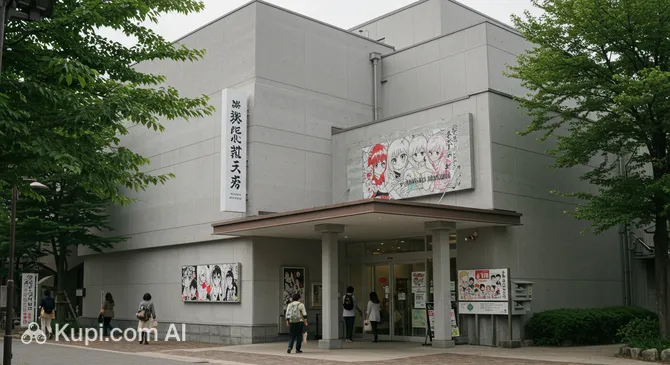
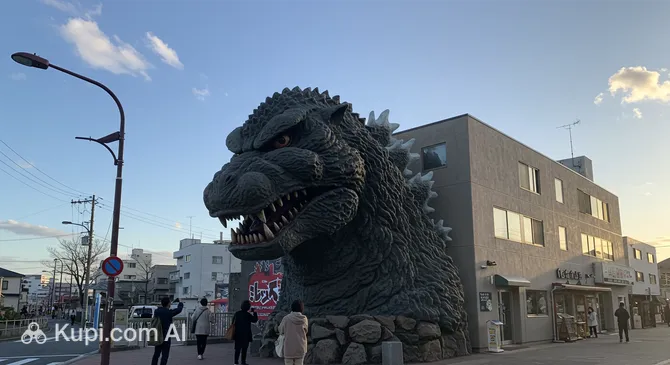
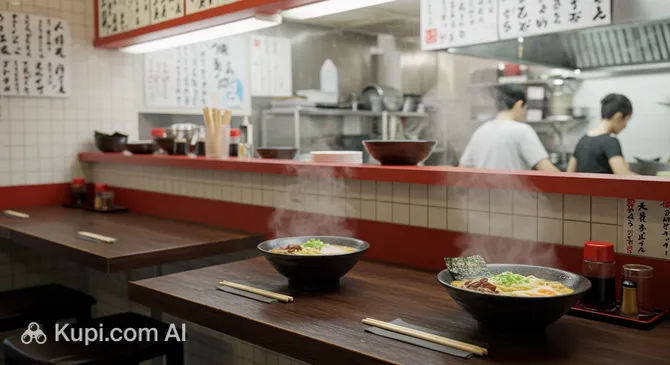
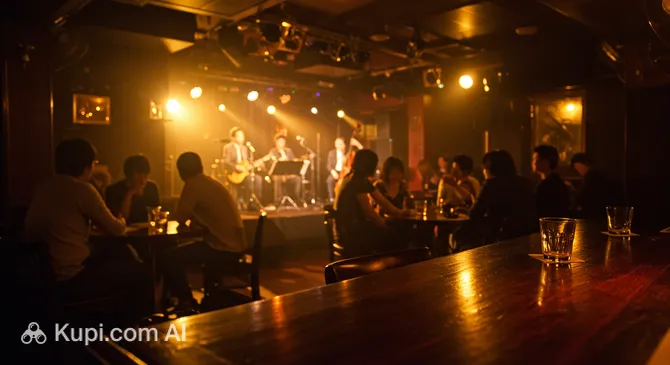
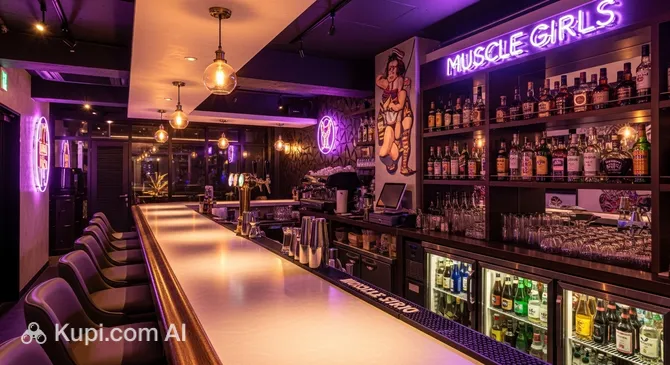
Toshima is a dynamic and vibrant special ward pulsing in the heart of vast Tokyo, in the northwest of the metropolis. It is a place where modern skyscrapers harmoniously coexist with cozy traditional streets, creating a unique atmosphere where the urban landscape intertwines with centuries-old Japanese traditions. The district is famous for its energy and cultural diversity, attracting both locals and tourists alike.
Geographically, Toshima borders well-known districts such as Shinjuku and Bunkyo, making it an excellent starting point for exploring Tokyo and all of Japan. Toshima is home to about 298,000 people (with data showing a population of 297,954), making it one of the most densely populated areas of the capital. Despite its relative compactness, Toshima plays an important cultural and administrative role: it houses the major Ikebukuro transport hub, numerous business centers, educational institutions, and theaters.
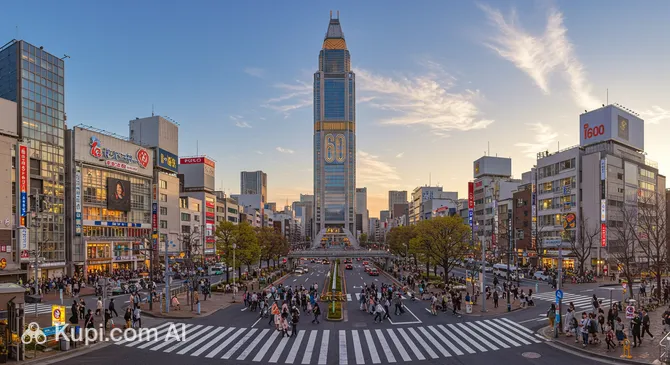
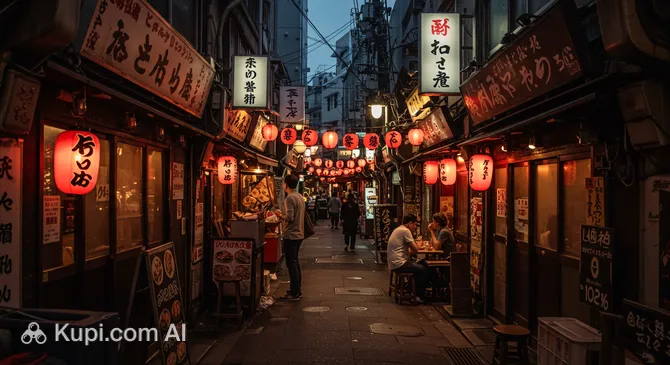
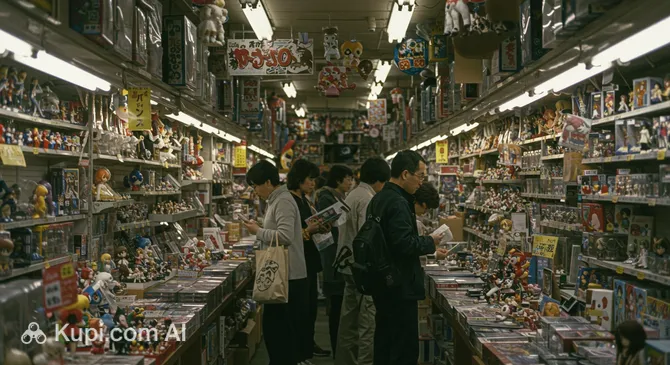
One of the key features of Toshima is its incredible versatility. Life here teems around the clock: by day, the streets are filled with students, office workers, and tourists, and as evening falls, the district lights up with the neon signs of countless restaurants, bars, and entertainment centers. The famous Ikebukuro quarter is not only the transport heart of the district but also a center for shopping, entertainment, and anime culture. At the same time, just a few steps away from the noisy avenues, you can find quiet gardens, ancient temples, and traditional tea houses offering peace and tranquility.
Visiting Toshima is a unique opportunity to see modern Japan in all its diversity: from futuristic high-rises and trendy boutiques to charming old streets and traditional craft workshops. This district offers something special for every traveler, whether it be cultural discoveries, gastronomic adventures, or simply the desire to soak in the unique atmosphere of one of Tokyo's most interesting corners. Don't miss the chance to get to know this amazing place!
You can find more interesting facts on the Toshima city history page.