Support

Bunkyo

About

Bunkyo is one of Tokyo's most special districts, renowned for its rich history, numerous educational institutions, and a calm, intellectual atmosphere. It is often called the "city of literature and learning," a name that perfectly reflects its unique character, blending traditional Japanese culture with an academic spirit.

Located in the heart of Tokyo, Japan, Bunkyo has a population of about 240,000 people and offers guests a surprising mix of bustling city streets and tranquil green oases. The climate here is typical of Tokyo: with warm, humid summers and mild winters, making it a comfortable destination to visit year-round.

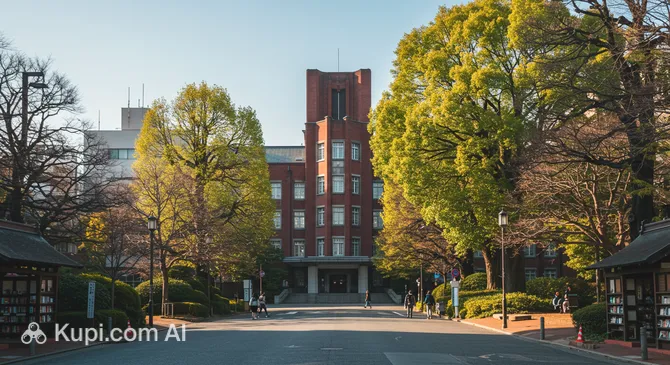
Bunkyo. Illustration.
Source: Kupi.com AI

Iconic spots in Bunkyo include the magnificent Koishikawa Korakuen, one of Tokyo's oldest and most beautiful landscape gardens, where visitors can enjoy traditional Japanese design. Nearby is the famous Tokyo Dome entertainment complex, which hosts concerts by world-class stars and major sporting events. The district is also famous for the campus of the University of Tokyo, one of the most prestigious in the country, and many historical temples such as Nezu Shrine and Yushima Seido.

Bunkyo is the perfect place for those who want to dive deeper into the culture and history of Tokyo, enjoy peaceful walks through picturesque gardens, and experience the special atmosphere of one of the Japanese capital's most intellectual districts. Come and discover the charm of Bunkyo!

You can find more interesting facts on the Bunkyo city history page.

Weather Overview

The climate in Bunkyo is characterized by warm summers with occasional rain. The wettest period usually lasts from June to October, when precipitation can reach 7 mm per month (for example, in October), and the number of rainy days reaches up to 15. The average temperature of the hottest month, August, is 27.9°C, with maximum values potentially rising to 31.0°C. Winters in Bunkyo are cool and relatively dry: the average January temperature stays around 4.8°C (with nighttime lows down to 0.6°C), and the least amount of precipitation (1–2 mm per month) falls in December, January, and February. To get more detailed information about the weather by month, we recommend visiting the Bunkyo Climate page.

Average monthly temperature

Average monthly precipitation

Interesting Facts

In addition to its famous landmarks and academic atmosphere, Bunkyo holds many surprising details and lesser-known facts that make it even more alluring. Here are just a few that will help you look at this area of Tokyo from a new, unexpected perspective:

  • Bunkyo is home to the Kodokan—the world-famous institute and headquarters of judo. This is the holy of holies for all fans of this martial art, founded by Jigoro Kano.

  • The district fully lives up to its name "city of literature" (one interpretation of the kanji in the name Bunkyo). Many famous Japanese writers lived and worked here, including giants like Natsume Soseki and Mori Ogai. Their house-museums still attract lovers of Japanese literature.

  • Bunkyo is known for its hilly terrain and a large number of so-called "named" slopes (saka). Many of these streets climbing steeply up the hills have their own unique names and associated stories or legends passed down through generations.

  • Despite its historical and literary fame, Bunkyo is home to a modern and unique site: the Toppan Printing Museum. It offers a fascinating journey into the history of printing and graphic design, from ancient techniques to the latest technologies.

How to Get There

Getting to the Bunkyo district, located in the very heart of Tokyo, is quite simple as it is excellently served by the Japanese capital's transport infrastructure. As a special ward of Tokyo, Bunkyo does not have its own airport; travelers usually arrive through one of the city's two main international airports.

The primary and most convenient option for many is Haneda Airport (IATA: HND), officially known as Tokyo International Airport. It is located within the Tokyo city limits, approximately 17.4 km south of central Bunkyo. It is one of the busiest airports in the world, offering many international and domestic flights. A taxi ride from Haneda to Bunkyo will take approximately 45-60 minutes, depending on traffic conditions. From Haneda Airport, you can also quickly reach central Tokyo and Bunkyo by train (e.g., Keikyu line or Tokyo Monorail with a transfer to JR lines or the subway) or by comfortable limousine buses.

The other major international hub is Narita International Airport (IATA: NRT). According to the data provided, it also serves the city of Tokyo, although it is actually located in Chiba Prefecture, about 57.7 km east of Bunkyo. Despite the greater distance, Narita is excellently connected to central Tokyo. A taxi ride from here to Bunkyo can take 1.5 to 2 hours and will cost significantly more. More popular and time-efficient options are express trains, such as the Narita Express (N'EX), which goes to major Tokyo stations (Tokyo, Shinagawa, Shinjuku, Ikebukuro), or the Keisei Skyliner, which goes to Ueno and Nippori stations. From these stations, it's easy to reach Bunkyo via the subway or local JR lines.

For clarity, here is a summary of the main airports used to reach Bunkyo:

AirportPassenger trafficDistance
Haneda Airport85.7 mln17 km
Narita International Airport40.8 mln58 km
Ibaraki Airport776 06380 km
Matsumoto Airport112 618173 km
Shizuoka Airport691 274175 km

If you are traveling through Japan on Shinkansen high-speed trains, you can easily reach Bunkyo after arriving at one of Tokyo's major railway stations, such as Tokyo, Ueno, or Shinagawa. The district is served by several Tokyo subway lines (e.g., Marunouchi, Namboku, Chiyoda, Mita, Oedo) and JR lines (e.g., Chuo-Sobu), making movement around the city and access to Bunkyo very convenient. Taxis are also widely available throughout Tokyo.

Main Attractions

As a district rich in history and culture, Bunkyo offers tourists many interesting places to visit. From ancient gardens and temples to modern entertainment complexes, there is something for everyone here. Here are some of the key attractions to include in your itinerary:

One of the gems of Bunkyo is undoubtedly Koishikawa Korakuen Garden. This is one of the oldest and best-preserved Edo-period gardens in Tokyo, established back in the 17th century. Walking along its winding paths, you can admire carefully recreated miniature landscapes inspired by Japanese and Chinese scenery, ponds with koi carp, and traditional stone lanterns. The garden is especially beautiful in spring during the cherry and plum blossoms, as well as in autumn when the maples turn vibrant shades of crimson. It is an ideal place for peaceful relaxation and exploring the art of Japanese gardening.

For those seeking entertainment and excitement, Tokyo Dome City is a true center of attraction. This multi-faceted complex includes not only the famous Tokyo Dome indoor stadium—the home arena of the Yomiuri Giants baseball team and a popular venue for world-class concerts—but also an amusement park featuring the breathtaking "Thunder Dolphin" roller coaster, which speeds through a building and the center of the Big-O Ferris wheel. Additionally, it houses the LaQua spa complex with natural hot springs, as well as many shops and restaurants. Everyone from families with children to sports and shopping enthusiasts will find something to enjoy here.

Among the spiritual shrines of the district, Nezu Shrine (Nezu Jinja) stands out. It is believed to have been founded over 1,900 years ago by the legendary Prince Yamato Takeru, making it one of Tokyo's oldest Shinto shrines. The temple is famous for its stunning azalea garden, which blooms with thousands of flowers in spring, usually in April-May, turning the hillsides into a colorful carpet. Also notable is the picturesque path lined with rows of red torii gates, reminiscent of the famous Fushimi Inari in Kyoto, and the beautiful architecture of the main shrine building, preserved from the Edo period. This place is filled with tranquility and beauty, offering a deep look into Japanese traditions.

Another iconic site with a rich history is Yushima Seido. This majestic temple dedicated to Confucius was founded in the 17th century and played an important role as a center of Confucian education and culture during the Edo period. Its austere, black-colored architecture is markedly different from bright Shinto shrines and Buddhist temples, emphasizing its academic and philosophical purpose. Yushima Seido remains a symbol of learning today; students often come here to pray for success in their studies, especially before exams. A visit to the temple allows you to connect with the philosophical heritage of Japan and enjoy its peaceful and solemn atmosphere.

Local Cuisine

The gastronomic scene in Bunkyo harmoniously complements its intellectual and cultural atmosphere, offering guests of the district both exquisite traditional dishes from Japan and more modern culinary solutions. You won't find noisy food streets here like in other parts of Tokyo, but instead, you can enjoy high-quality food in a calm and cozy environment that encourages a leisurely meal and conversation.

Among the dishes you should definitely try in Bunkyo, ramen stands out. There are many small establishments in the district serving this hearty noodle soup, each boasting its own unique broth recipe. Lovers of classic Japanese cuisine will enjoy unagi (freshwater eel) dishes, such as unadon (eel on a bed of rice) or kabayaki (grilled eel in a special sauce). Also, look out for tempura—seafood and vegetables fried in a light batter, prepared here with great skill. And for dessert or with tea, wagashi—traditional Japanese sweets that are often true works of art—are perfect.

As for drinks, the main choice is certainly green tea in all its variety: from rich matcha to everyday sencha or refreshing mugicha barley tea, which is especially popular in the summer heat. Among alcoholic beverages, it's worth trying local sake, served both cold and warm, as well as shochu—a Japanese distilled spirit that can be enjoyed neat or in cocktails.

The food culture in Bunkyo is diverse. Locals, including many students, often prefer small family-run restaurants (shokudo) where you can have a delicious and inexpensive lunch, or specialized establishments like ramen-ya or izakayas. An izakaya is a traditional Japanese pub, a great place to relax in the evening with friends, ordering drinks and a variety of snacks. Additionally, Bunkyo is famous for its many cozy cafes where you can have a cup of coffee, read a book, or simply take a break from the city bustle. Tourists will also find restaurants here offering a more formal setting and fine dining.

Travel Tips

Planning a trip to the charming Bunkyo district? Wonderful! To ensure your journey through this corner of Tokyo, known for its history and academic atmosphere, goes smoothly and leaves only pleasant impressions, we have prepared some practical tips.

  1. Clothing and Essentials: The climate in Bunkyo, as in all of Tokyo, requires different clothing depending on the season: light and breathable clothes for the hot and humid summer (June–August), layers for spring and autumn, and a warm jacket, sweater, hat, and gloves for the cool winter (December–February). It is extremely important to bring comfortable shoes, as you will be doing a lot of walking. Don't forget a universal adapter (Type A and B sockets are used in Japan). When visiting temples and some traditional establishments, be prepared to remove your shoes; modest clothing covering shoulders and knees may also be required, although strict dress codes are rare.

  2. Transport: Getting around Bunkyo and Tokyo in general is most convenient via public transport. The district is perfectly served by subway lines (Tokyo Metro and Toei Subway) and JR trains. Get a Suica or Pasmo card—these are rechargeable smart cards that significantly simplify fare payment. Buses also run, but for tourists, the subway is usually more intuitive. Taxis are available, clean, and safe, but quite expensive. Taxi hailing apps like Go or JapanTaxi can be useful. Renting a car in Tokyo is generally not recommended due to complex traffic, limited and expensive parking, and the excellent public transport system.

  3. Finance: The local currency is the Japanese yen (JPY, ¥). You can exchange currency at airports, banks, and licensed exchange offices. Credit and debit cards (Visa, Mastercard) are accepted in many hotels, large shops, and restaurants. However, Japan is still a country where cash plays an important role, especially in small establishments, temples, and local markets. Always carry some cash with you. ATMs that accept international cards are easy to find in 7-Eleven stores (Seven Bank) and post offices (Japan Post Bank). Tipping in Japan is not practiced and can even cause confusion. Excellent service is considered the norm.

  4. Health and Safety: Bunkyo, like all of Tokyo, is one of the safest areas in the world. The crime rate is very low. Nevertheless, follow standard safety precautions. Pharmacies (薬局 - yakkyoku or ドラッグストア - drug store) are easy to find and offer a wide range of medicines, but not all pharmacists speak English. Some items may only be sold with a prescription. Medical care for tourists is available but can be expensive. Be sure to get travel insurance before your trip. If necessary, hotel staff can help call a doctor or direct you to a clinic. There are no specific "unsafe" areas in Bunkyo.

  5. Communication: The official language is Japanese. English is common in tourist spots, hotels, and major stations, but not everywhere. Learn a few basic phrases: "Konnichiwa" (Hello), "Arigato" (Thank you), "Sumimasen" (Excuse me/Sorry). This will be highly appreciated by the locals. For constant internet access, consider renting a pocket Wi-Fi router (can be ordered online and picked up at the airport) or buying a local SIM card. Free Wi-Fi is available but not always stable. Useful apps: Google Maps (for navigation), HyperDia or Jorudan (for train schedules), Gurunavi or Tabelog (for finding restaurants).

  6. Local Etiquette: Politeness is key to communication in Japan. A greeting is usually accompanied by a bow. In public places, especially on transport, it is customary to speak quietly and not disturb others. Avoid loud phone conversations. Remove your shoes before entering homes, many temples, traditional restaurants, and ryokans (Japanese-style inns). It is customary to receive and give items (e.g., business cards, money) with both hands.

  7. What to Avoid: Do not stick chopsticks vertically into a bowl of rice—this is associated with funeral rituals. Do not blow your nose loudly in public. If necessary, go to the restroom or do it as inconspicuously as possible. Do not eat or drink on the go in most public places, except in designated areas or during festivals.

  8. Bunkyo's Special Character: Bunkyo is a district with a rich history, many temples, gardens (such as Koishikawa Korakuen), and literary heritage. Don't rush while exploring it. Peer into small alleys, visit local shops, and enjoy the calm atmosphere. The district is ideal for thoughtful walks and immersion in the less touristy but authentic side of Tokyo.

We hope these tips help you better prepare for your trip and fully enjoy the unique atmosphere of Bunkyo. We wish you an unforgettable journey through this amazing district of Tokyo!

Entertainment & Nightlife

Although Bunkyo is primarily known for its academic atmosphere, gardens, and historical sites, that doesn't mean the district completely falls asleep after sunset. Evening and night entertainment here has its own, more relaxed and sophisticated character, distinct from the noisy quarters of Shinjuku or Shibuya. If you're looking for a place for a pleasant dinner, soulful conversations over a glass of wine, or a cultural evening, Bunkyo can offer some interesting options.

The main focus of nightlife in Bunkyo is shifted toward cozy izakayas (traditional Japanese pubs), small themed bars, and restaurants offering high-quality cuisine. The Tokyo Dome City area is one of the hubs of evening activity, where you can find many restaurants open late, as well as attend events at the Tokyo Dome stadium itself. Around major stations like Iidabashi (partially in Bunkyo) or Korakuen, and in neighborhoods like Yushima and Hongo, you can discover many hidden gems—from establishments popular with University of Tokyo students to more upscale spots. There are few classic nightclubs with loud music and dancing until dawn; Bunkyo is more conducive to a measured pace of relaxation.

The atmosphere of evening Bunkyo is generally calm and intellectual. The crowd consists of locals, students, professors, and office workers ending their day. Many establishments are small and cozy, with an emphasis on quality and service. The dress code is usually smart casual or simply neat everyday wear; there are typically no strict requirements. Most izakayas and bars start to liven up after 6:00-7:00 PM and work until midnight or 1:00 AM, especially on Fridays and Saturdays. Some restaurants, particularly in tourist zones, may close earlier.

In terms of practical tips, the best time to visit bars and izakayas is a weekday evening for a quieter setting or a Friday/Saturday evening for a more lively atmosphere. Average prices can vary: dinner at an izakaya with drinks might cost 3,000–6,000 yen per person, while cocktails in a stylish bar will be more expensive. You can get around at night by subway (last trains usually leave around midnight or slightly later) or by taxi. Taxi hailing apps like Go or JapanTaxi are widely used. Since specific venues from our list for Bunkyo are currently unavailable, we recommend checking reviews on online maps or simply walking through the lively streets in the mentioned areas—you're sure to find something you like. For example, look for traditional izakayas in the Yushima area to try sake and local snacks, or visit one of the live music bars (often jazz) near the university campuses.

Bunkyo, like Tokyo in general, is an extremely safe neighborhood for nighttime walks. You can move through the streets with peace of mind even at late hours. If you need a taxi, it's easy to catch one on the street near stations or call one via an app. Taxi drivers in Japan are known for their honesty and professionalism.

Regarding daytime entertainment, Bunkyo offers a rich selection. You can visit the world-famous Koishikawa Korakuen Garden or explore numerous museums such as the Toppan Printing Museum or the Eisei Bunko Museum. For family vacations and more active fun, the Tokyo Dome City complex is ideal with its attractions, LaQua spa center, and shops. The cultural program is also packed, from traditional performances to modern concerts.
Parks & Museums

Bunkyo is not only a district with a rich academic and literary history but also a true treasure for lovers of peaceful green corners and fascinating museums. Here, you can easily combine walks through magnificent gardens with immersion in the cultural heritage of Japan.

Several gardens stand out among Bunkyo's green oases. Koishikawa Korakuen Garden, already mentioned as one of the district's main gems, is one of Tokyo's oldest and most beautiful landscape parks. Its design, combining Japanese and Chinese motifs, ponds, and hills, creates an atmosphere of harmony and tranquility, perfect for leisurely strolls and contemplation. Equally impressive is Rikugien Garden, considered one of the best examples of an Edo-period Japanese garden. it is famous for its 88 miniature landscapes recreating scenes from classical Japanese waka poems and is especially beautiful in autumn when the maples turn crimson and in spring during the weeping cherry blossom season. For those interested not only in beauty but also in plant science, the Koishikawa Botanical Garden, owned by the University of Tokyo, is a must-visit. It is one of the oldest botanical gardens in Japan, featuring thousands of plant species across its vast grounds, including historical specimens and rare species.

The cultural program in Bunkyo is equally rich. The Toppan Printing Museum offers a fascinating journey into the world of printing and graphic design. Here you can learn about the history of book printing from ancient technologies to modern innovations, see rare exhibits, and even participate in interactive demonstrations. For those interested in martial arts, the Kodokan Museum at the judo institute of the same name will be a true discovery. The exhibition tells the story of the creation and development of judo, the life of its founder Jigoro Kano, and famous masters. This place allows for a deeper understanding of the philosophy of this martial art. Confirming its status as a "city of literature," Bunkyo is proud of the Mori Ogai Memorial Museum, dedicated to one of the greatest Japanese writers. The museum is located on the site where the author's house once stood and introduces visitors to his life, work, and the era in which he lived.

In addition to these key locations, Bunkyo's cultural heritage is reflected in significant sites such as Nezu Shrine with its famous azalea garden and rows of red torii gates, and Yushima Seido—a majestic temple of Confucius symbolizing scholarship. While these are not museums in the traditional sense, they offer a deep dive into the history and spirituality of the district.

For those seeking lesser-known but authentic experiences, we suggest walking through the quiet streets of the Hongo neighborhood, where the atmosphere of old Tokyo has been preserved, or visiting one of the small temples hidden among residential quarters—many of them have their own cozy gardens and unique histories, offering a moment of peace away from the tourist trails.

Getting Around

Getting around Bunkyo and adjacent areas is very convenient thanks to an excellently developed public transport system. It is renowned for its efficiency, cleanliness, and punctuality, making travel as comfortable as possible for tourists.

The core of the Bunkyo transport system is the subway. The district is served by several lines from the major operators—Tokyo Metro and Toei Subway. These include vital lines such as Marunouchi, Namboku, Chiyoda, Mita, and Oedo. This allows you to quickly and easily reach almost any point in the metropolis. Subway stations are well-marked, information is often duplicated in English, and the trains themselves run at very short intervals.

In addition to the subway, Bunkyo also has a well-developed network of bus routes, mostly operated by Toei Bus. Buses can be convenient for short-distance trips or to places that are not as easily reached by subway. Stops usually have schedules, and fares are typically paid upon boarding.

The fare payment system is very convenient. The most popular method is using rechargeable smart cards, such as Suica or Pasmo. These cards can be purchased at station vending machines and used not only for fares on the subway, trains, and buses throughout the city (and even in many other cities across the country) but also for purchases in some shops and vending machines. You can also buy single tickets for a specific trip at station machines. Subway and train fares depend on the distance, starting from approximately 170–200 yen. For tourists planning to move around a lot, daily or multi-day passes (such as the Tokyo Subway Ticket for 24, 48, or 72 hours) may be advantageous.

To buy tickets or Suica/Pasmo cards, use the machines at subway or railway stations. Cards are easily topped up at the same machines. To pass through the turnstiles, simply touch your card to the reader at the entrance and exit. Public transport usually operates from 5:00–6:00 AM until around midnight, sometimes slightly later. It is important to always check the schedule for the last train or bus, especially if you plan to return late.

If you prefer alternative ways of getting around, taxis are available in Bunkyo, as in all of Tokyo. They are very clean and safe, but quite expensive. Drivers usually do not speak English, so it is useful to have your destination address written in Japanese. Taxi hailing apps like Go or JapanTaxi can simplify the process. Bike rentals are also gaining popularity, including bike-sharing systems like Docomo Bike Share. This is a great way to explore the district at your own pace, especially its quiet streets and parks.

Accommodation

In Bunkyo, you will find a variety of accommodation options to suit the needs of many different travelers. The range of available housing includes budget options, such as hostels and guesthouses popular with young people and budget-conscious tourists, as well as comfortable mid-range hotels offering a good balance of price and quality. For those looking for a higher level of service, higher-category hotels are also represented in and around the district. Additionally, you can consider renting apartments, which is particularly convenient for families or long stays, providing more space and a homey feel.

When choosing a place to stay in Bunkyo, look for areas that provide easy access to transport hubs and attractions. Neighborhoods near subway stations like Korakuen (near the Tokyo Dome City complex) or Iidabashi offer excellent transport links for exploring all of Tokyo. The areas adjacent to the University of Tokyo, such as Hongo, are known for their quieter, academic atmosphere, as well as the presence of cozy cafes and bookstores. If you appreciate being close to nature, consider options near parks like Koishikawa Korakuen.

While Bunkyo is not crowded with massive hotel complexes, you can find hotels from well-known international and Japanese chains, as well as small, charming local hotels offering personalized service. Your choice of a specific hotel will depend on your preferences for location, comfort level, and budget.

General booking tip: as with most popular destinations in Japan, it is recommended to book accommodation in Bunkyo in advance, especially if your trip is planned for peak seasons like the spring cherry blossoms (March–April) or autumn maple leaf viewing (momiji, October–November). Early booking not only guarantees availability but often allows you to secure better rates.

The price range for accommodation in Bunkyo varies from budget to mid-range and above. You can book housing through popular international online booking platforms (e.g., Booking.com, Agoda, Expedia), which offer a wide selection and convenient search filters. Many hotels also have their own websites where you can make direct bookings, sometimes with special offers.

Nearby Cities

For those looking to explore the surroundings, Bunkyo serves as an excellent starting point for day trips to several interesting nearby locations:

CityPopulationDistance
Chiyoda67 0362 km
Taito210 5283 km
Sumida270 8234 km
Chuo169 9954 km
Arakawa217 8914 km

Among the nearby destinations that are easy to visit from Bunkyo, a few particularly stand out. Although Bunkyo itself is part of the vast metropolis of Tokyo, a trip to its other districts will open up a limitless variety—from the historical treasures of the Imperial Palace to the ultra-modern quarters of Shibuya and Shinjuku, as well as numerous world-class museums. The Nerima district, located to the west of the center, attracts visitors with its spacious parks, such as Hikarigaoka, and a calmer, predominantly residential atmosphere; it's a great place to see a different side of Tokyo life and visit sites related to the rich history of Japanese animation. Meanwhile, Adachi, another special ward in northern Tokyo, offers a respite from the city's hustle and bustle in places like Toneri Park, known for its seasonal flowers, and a chance to get acquainted with the daily life of Tokyoites away from the main tourist routes.

These nearby destinations provide an insight into the diverse culture and landscapes of the region. Each of these trips can be an exciting addition to your stay in Bunkyo, revealing new facets of Japan.

Shopping & Souvenirs

Shopping in Bunkyo is less about hunting for global brands and more about an opportunity to immerse yourself in the special atmosphere of a district known for its educational institutions and cultural traditions. Here you will find unique items reflecting Bunkyo's intellectual spirit, from specialized bookstores to shops selling traditional Japanese products.

Main shopping areas in Bunkyo are concentrated around major stations and university campuses. For example, in the Hongo area near the University of Tokyo, there are many bookstores, including second-hand shops where you can find rare editions. The streets adjacent to Korakuen and Iidabashi stations (partially located in Bunkyo) offer a wider range of daily convenience stores, small boutiques, and cafes.

In terms of shopping centers, the main point of attraction in Bunkyo is the LaQua complex, which is part of Tokyo Dome City. This is a modern shopping and entertainment center where, in addition to clothing, cosmetics, accessories, and home goods stores, there are many restaurants and cafes. LaQua offers a pleasant blend of shopping and entertainment, including a spa complex with natural hot springs.

Bunkyo is not famous for large traditional markets like those found in other Tokyo districts, such as Ameyoko in Ueno. However, you can find small local produce stalls offering fresh vegetables, fruits, and other goods. Occasionally, small fairs or festivals may be held at temples, where local delicacies and souvenirs are sold.

Consider the following as souvenirs from Bunkyo:

  • Books and Stationery: The area is abundant with bookstores where you can find both scientific literature and fiction. Japanese stationery is famous for its quality and design.
  • University-Branded Goods: Souvenirs from the shops at the University of Tokyo will be a great reminder of the district's academic heart.
  • Traditional Japanese Items: In small shops, you can find ceramics, textiles, or other handmade items.
  • Temple Amulets and Souvenirs: Temples such as Nezu Shrine or Yushima Seido offer beautiful omamori (good luck charms) and other religious items.
  • Museum Souvenirs: Shops at museums, for example, the Toppan Printing Museum, can also offer interesting and unique gifts.

Most shops in Bunkyo are open from approximately 10:00 or 11:00 AM until 7:00 or 8:00 PM. Large shopping centers like LaQua may stay open longer, usually until 9:00 PM. Credit cards (Visa, Mastercard, JCB, American Express) are widely accepted as payment in most shops and shopping centers. However, in small independent shops or at occasional fairs, cash (Japanese yen) may be preferred. For small purchases at konbini (convenience stores) or vending machines, it is convenient to use rechargeable IC transport cards such as Suica or Pasmo.

For foreign tourists in Japan, a Tax-Free Shopping system is available. If you make purchases over a certain amount (usually over 5,000 yen excluding VAT) in participating stores, you can receive a consumption tax refund. Look for the "Tax-Free Shop" logo and remember to present your passport when making a purchase. The processing usually happens right at the store.

Reached the end of the page?

That means the route is fully explored