Support

Chuo

About

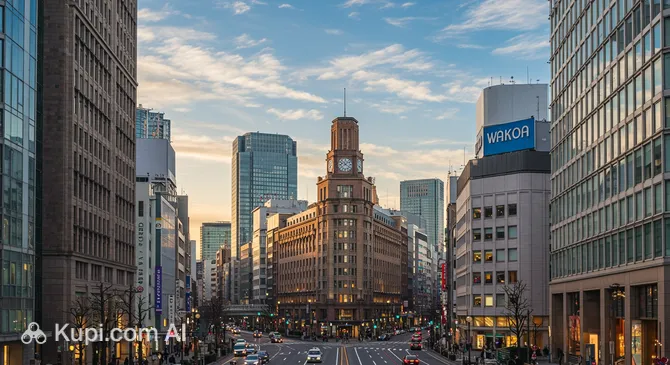
Chuo is one of Tokyo's most dynamic and historically significant special wards, representing a stunning blend of centuries-old traditions and ultra-modern urban life. This district is the true heart of Japan's capital, playing a key role in its commercial and cultural spheres.

Chuo. Illustration.
Source: Kupi.com AI

Located in the central part of Tokyo, Chuo borders Tokyo Bay and is famous for its iconic neighborhoods. The ward's population is around 170,000, but during the day, this figure increases manifold due to commuters and tourists. The climate here, as in all of Tokyo, is temperate, with warm, humid summers and mild winters.

Chuo attracts travelers from all over the world thanks to its unique attractions. One of the district's main gems is Ginza—a world-famous neighborhood of luxury shops, boutiques, fine-dining restaurants, and art galleries. No less alluring is the former Tsukiji Outer Market, where you can still enjoy the freshest seafood and immerse yourself in the authentic atmosphere of old Tokyo. For those seeking tranquility, the Hamarikyu Gardens are an excellent choice—a picturesque oasis of traditional Japanese landscape art with a teahouse on a pond.

A visit to Chuo will give you unforgettable impressions and allow you to understand the multifaceted character of Tokyo more deeply. This area is an ideal place for those who want to see how harmoniously history and modernity can coexist.

You can find more interesting facts on the Chuo city history page

Weather Overview

The weather in Chuo is characterized by a distinct change of seasons. Summer, especially in July and August, is quite hot and humid, with average temperatures reaching 26–28°C and maximums around 30°C. Winters, by contrast, are cool but usually mild, with average temperatures in January around 4.9°C and rare precipitation. Expect warm summers with periodic rain and relatively dry, cool winters. Spring and autumn offer comfortable weather, ideal for walking and exploring the city.

The highest amount of precipitation usually falls from June to October, with October often being the rainiest month. The driest months are December and January. To learn more about weather conditions at different times of the year, you can view detailed information about the Chuo climate.

Average monthly temperature

Average monthly precipitation

Interesting Facts

Beyond its world-famous neighborhoods and attractions, Chuo hides many surprising stories and little-known details that make it even more alluring. Ready to learn a few secrets of this unique Tokyo district?

  • Meaning in the Name: The name of the district, "Chuo" (中央区), is no coincidence—it literally translates from Japanese as "Central Ward." This directly points to its key geographical and historical position in the very heart of Tokyo.

  • Japan's Zero Point: The famous Nihonbashi Bridge, located in Chuo, is the official "zero point" for all of Japan's major highways. This is where distances are measured from across the entire country.

  • Ginza from the Swamps: Today's shining Ginza district, a symbol of luxury and fashion, was built on reclaimed swampland in the 17th century. Looking at the modern storefronts, it's hard to imagine its humble past.

  • The Cradle of Modern Trade: It was in Chuo, in the Nihonbashi district, that Japan's first Western-style department store—Mitsukoshi—opened. It was a pioneer, introducing fixed prices and cash sales, which revolutionized Japanese trade.

How to Get There

Getting to Chuo, one of Tokyo's central districts, can be done in several ways, but the most common for international travelers is through one of the major airports serving Japan's capital. Chuo City does not have its own airport but is excellently connected to the region's main air hubs.

The nearest and one of the world's busiest is Haneda Airport (HND). It is located within Tokyo, approximately 13.2 km south of central Chuo. From here, you can easily reach Chuo by train (Keikyu lines or the Tokyo Monorail with a transfer to JR lines or the subway), airport limousine bus, or taxi. The trip usually takes between 30 to 50 minutes, depending on the chosen transport and traffic conditions. Haneda serves a huge number of both domestic and international flights.

Another major international hub is Narita International Airport (NRT). Although it is listed as a Tokyo airport, it is actually located in Chiba Prefecture, about 56.6 km east of Chuo. The most convenient ways to get from Narita to Chuo are express trains like the Narita Express (N'EX) or the Keisei Skyliner (followed by a transfer), or by airport limousine bus. Travel time is typically between 60 to 90 minutes. A taxi will be significantly more expensive and may take longer due to the distance.

A smaller option might be Ibaraki Airport (IBR), located in Ibaraki City, about 81.1 km northeast of Chuo. It mainly serves low-cost carriers and some international destinations. You can get from here to Chuo by bus to Tokyo Station, and then by subway or JR train, with a total travel time of about 2–2.5 hours.

For convenience, here is summary information on the main airports used to reach Chuo:

AirportPassenger trafficDistance
Haneda Airport85.7 mln13 km
Narita International Airport40.8 mln57 km
Ibaraki Airport776 06381 km
Shizuoka Airport691 274174 km
Matsumoto Airport112 618176 km

As Chuo is a central district of Tokyo, it is perfectly integrated into the city and regional transport network. Upon arriving at any of the major airports or Tokyo's railway stations, such as Tokyo Station or Shinagawa (where Shinkansen high-speed trains arrive), you can easily reach your destination in Chuo via the subway (e.g., Hibiya, Ginza, Marunouchi, Tozai, Asakusa lines) or JR trains.

Main Attractions

Chuo City in Tokyo is a place where history meets modernity, offering tourists a wealth of fascinating attractions. From luxury shopping streets to serene gardens and gastronomic hubs—everyone will find something for themselves here. Here are just a few key places to visit in Chuo:

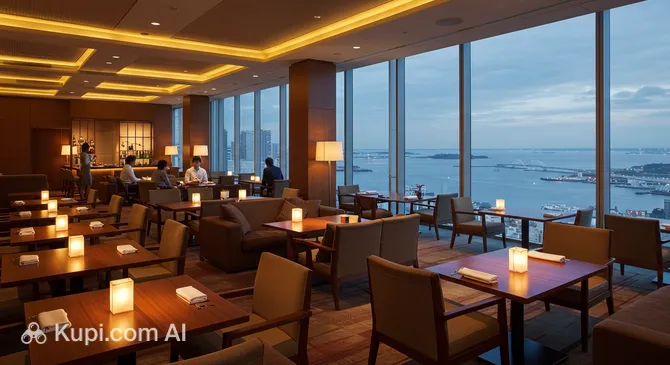
Among the modern establishments offering comfort and gastronomic delights, the Tokyo Bay Shiomi Hotel stands out. This place likely attracts visitors not only for its accommodation options but also for its restaurant, where you can enjoy quality cuisine. Given the name "Shiomi" (which can mean "viewing the tide") and its location near Tokyo Bay, one can assume it offers pleasant views that complement a meal or a rest.

Tokyo Bay Shiomi Hotel. Illustration.
Source: Kupi.com AI

Traveler photos:

The Ginza District is Chuo's signature landmark and one of Tokyo's most famous areas. It is a true paradise for shopping and luxury lovers, home to flagship stores of global brands, century-old department stores, exclusive boutiques, art galleries, and high-end restaurants. On weekends, Ginza's main street, Chuo-dori, becomes a pedestrian zone, turning into a lively place for walks. Visiting Ginza is an opportunity to immerse yourself in an atmosphere of elegance, modern design, and Japanese hospitality.

For those who want to get acquainted with Tokyo's gastronomic culture, the Tsukiji Outer Market is a must-see. Despite the relocation of the inner wholesale market, the outer market continues to thrive, offering an incredible variety of fresh seafood, fish, local delicacies, and kitchenware. Here you can try sushi and sashimi right in the morning, grab street food snacks, buy unique edible souvenirs, and simply enjoy the colorful atmosphere of a real Japanese market. This place is a true feast for foodies.

If you are looking for peace and beauty in the middle of a bustling metropolis, head to Hamarikyu Gardens. This magnificent traditional Japanese garden, located at the confluence of the Sumida River and Tokyo Bay, is an oasis of calm. A unique feature of the garden is the Shioiri-no-ike pond, where the water level changes with the tides of Tokyo Bay. In the center of the pond, on a small island, sits the charming Nakajima-no-ochaya teahouse, where you can enjoy a cup of matcha and traditional sweets while admiring the surrounding scenery. Hamarikyu Gardens are beautiful at any time of year, offering visitors a chance to relax their souls and enjoy the harmony of nature and landscape design, which contrasts effectively with the modern skyscrapers in the background.

Local Cuisine

The gastronomic world of Chuo is a true journey for foodies, reflecting the multifaceted nature of the district itself. Here, you will find everything from world-famous fine-dining restaurants in the glowing Ginza to authentic shops with century-old histories and, of course, the freshest seafood reminiscent of the legendary Tsukiji market. Chuo's culinary scene offers an incredible variety of flavors capable of satisfying the most discerning traveler.

Be sure to try the local specialties. First and foremost are sushi and sashimi—the freshness and craftsmanship of their preparation reach gold-standard levels here, especially in establishments that continue the Tsukiji traditions. A unique experience is tasting monjayaki—a dish similar to a liquid batter with various ingredients, cooked right on a hot griddle in front of you; it is particularly popular in the Tsukishima area of Chuo. Don't miss the chance to enjoy exquisite tempura—seafood and vegetables fried in the lightest batter, often served in prestigious restaurants.

As for drinks, the choice is enormous. Among alcoholic beverages, you should definitely try various types of sake, from light and fruity to rich and tart, as well as shochu—a traditional Japanese distilled spirit. Japanese beer is also very popular. Among non-alcoholic drinks, green tea in all its variety remains relevant—from powdered matcha to leaf sencha—and on a hot day, cold barley tea (mugicha) is very refreshing.

Dining culture in Chuo is diverse. Locals and tourists enjoy meals at numerous restaurants—from Michelin-starred establishments in Ginza to small family-run restaurants offering dishes based on traditional recipes. For instance, refined dishes can be sampled at the restaurant in the Tokyo Bay Shiomi Hotel. Izakaya—Japanese pubs where you can order various snacks to go with your drinks—are also popular. Don't forget to visit the Tsukiji Outer Market, where you can snack on the freshest seafood straight from the counter. And in Ginza's department stores, you will find luxurious food basements (depachika) offering delicacies and sweets of the highest quality.

Tokyo Bay Shiomi Hotel. Illustration.
Source: Kupi.com AI

Traveler photos:

Travel Tips

Planning a trip to Chuo, one of Tokyo's most dynamic districts? To ensure your journey goes smoothly and leaves only pleasant impressions, we've prepared some practical tips. They will help you navigate better and enjoy everything this amazing corner of Japan has to offer.

  1. Clothing and Essentials: Plan your wardrobe by season: lightweight for the hot and humid summer, warm for the cool winter, and layered for comfortable spring and autumn weather. Comfortable shoes are a must for long walks around the district! Don't forget a travel adapter (the voltage in Japan is 100V, with Type A and B sockets). When visiting temples, choose modest clothing that covers shoulders and knees, and be prepared to remove your shoes.

  2. Transport: Public transport in Chuo and Tokyo is your best friend! The subway (Tokyo Metro, Toei Subway) and JR trains are very convenient; for ease of payment, it is recommended to purchase a Suica or Pasmo transport card. Taxis are clean and reliable but quite expensive. Renting a car for travel within central Tokyo, including Chuo, is generally not recommended due to heavy traffic and parking challenges.

  3. Finance: The local currency is the Japanese Yen (JPY, ¥). You can exchange money at airports, banks, or specialized exchange offices. Credit and debit cards (Visa, Mastercard) are accepted in many large shops and restaurants, especially in the Ginza area. However, it is always useful to carry some cash for small establishments, markets, or temples. ATMs that accept international cards are easily found in 7-Eleven stores (Seven Bank) and post offices (Japan Post Bank). Important: Tipping is not customary in Japan.

  4. Health and Safety: Drugstores are easy to find and offer a wide range of over-the-counter medicines. Medical care in Japan is high-level, but be sure to arrange travel insurance before your trip. The emergency services number (ambulance, fire) is 119. Chuo, like Tokyo in general, is a very safe place. Follow standard precautions, especially in crowded areas.

  5. Communication: The official language is Japanese. In tourist centers, hotels, and at major stations in Chuo, staff often speak English. Learn a few simple phrases: "Konnichiwa" (Hello), "Arigato gozaimasu" (Thank you very much), "Sumimasen" (Excuse me/I'm sorry). For constant internet access, it is recommended to purchase a local SIM card or rent a pocket Wi-Fi router.

  6. Local Etiquette: Greetings are usually accompanied by a light bow. On public transport, try to keep noise to a minimum and avoid talking loudly on the phone. Eating and drinking while walking on the street is not common. Remove your shoes before entering Japanese homes, some temples, and traditional restaurants. Politeness and respect for local customs will make your interactions more pleasant.

  7. What to Avoid: Do not stick your chopsticks vertically into your rice—this is associated with funeral rituals. Try not to blow your nose loudly in public; it's better to step away to a restroom. Avoid pointing at people or objects with a single finger; use an open palm instead. Also, pay attention to waste sorting rules—they are taken very seriously in Japan.

  8. A Special Tip for Chuo: Be sure to walk along the main avenue of Ginza (Chuo-dori) on weekends (usually from 12:00 PM to 5:00 PM) when it becomes a pedestrian zone ("hokoten"). It's a wonderful opportunity to enjoy the atmosphere without cars. And in the Tsukishima area (also part of Chuo), don't miss the chance to try monjayaki—this is a unique local dish cooked right at your table!

We hope these tips help you plan an unforgettable trip to Chuo! This district of Tokyo knows how to surprise with its harmonious blend of ancient traditions and futuristic landscapes. We wish you wonderful discoveries and a pleasant stay!

Entertainment & Nightlife

Evening Chuo reveals itself in a very special way, offering an atmosphere distinct from Tokyo's boisterous youth districts. Here, nightlife is synonymous with elegance, refined drinks, and first-class gastronomy, especially in the famous Ginza area. If you are looking for sophisticated entertainment, stylish bars, and restaurants that stay open late, Chuo will definitely not disappoint.

The heart of Chuo's nightlife is undoubtedly Ginza. As darkness falls, this fashionable district is transformed: storefronts glow with thousands of lights, and doors open to countless bars, lounges, and restaurants. You can find everything here—from exclusive cocktail bars with signature drinks and cozy whisky bars with impressive collections to fine-dining restaurants where dinner flows seamlessly into the late evening. The atmosphere in Ginza is predominantly respectable and calm, and the crowd is affluent, often consisting of business people and luxury connoisseurs. The dress code in many Ginza establishments is smart casual or even more formal, emphasizing the district's special status.

In addition to the glowing Ginza, you can spend the evening in more casual but equally interesting places. For example, in the Tsukishima district, known for its numerous monjayaki restaurants, dinner can become an engaging evening activity as the dish is prepared right in front of you. For an exquisite dinner that could be part of your evening itinerary in another part of Chuo, the restaurant at the Tokyo Bay Shiomi Hotel is worth considering. While Chuo is not famous for massive nightclubs with dance floors open until dawn, you can find venues with live music, particularly jazz clubs in Ginza, which add a special charm to the evening. Many restaurants also offer special evening menus and stay open late, allowing you to enjoy your meal without rushing.

When planning your evening leisure in Chuo, there are a few points to consider. Most bars and restaurants begin to come alive after 7:00 PM or 8:00 PM. Public transport, including the subway, usually runs until around midnight, so if you plan to stay out late, think about a taxi in advance. Taxis in Tokyo are safe and comfortable and easy to find in Ginza, but they are significantly more expensive than the subway. Regarding safety, Chuo, like Tokyo in general, is one of the safest areas in the world, so evening walks here are quite comfortable. The average bill in Ginza establishments can be quite high, but you can always find options for different budgets, especially if you step a little away from the main streets.

While the main focus of this block is on nightlife, it must be mentioned that Chuo also offers plenty of daytime entertainment. This includes the famous Kabuki-za Theatre in Ginza, where you can experience traditional Japanese theatrical art, and numerous art galleries. For quiet relaxation, Hamarikyu Gardens are perfect, and shopping enthusiasts will find boutiques for every taste and wallet in Ginza. These daytime impressions will perfectly complement your evening adventures in this multifaceted district of Tokyo.

Parks & Museums

Chuo is not only a business and commercial hub of Tokyo but also a place where you can find tranquility in exquisite gardens and immerse yourself in the rich culture of Japan through its diverse museums and historical corners. The district offers a wonderful balance between urban hustle and opportunities for quiet relaxation and educational discoveries.

The main gem among Chuo's green spaces is undoubtedly Hamarikyu Gardens. This magnificent traditional Japanese garden, situated by Tokyo Bay, offers visitors a chance to relax their souls amidst picturesque landscapes, the Shioiri-no-ike pond (where water levels depend on the tides), and a charming teahouse. It is the perfect place for leisurely walks and experiencing the art of Japanese landscape design against the backdrop of modern skyscrapers. For more active recreation or simply a pleasant walk by the water, the Sumida River Terrace is excellent. It offers beautiful views of the river, numerous bridges, and cityscapes, which are especially picturesque at sunset.

The cultural life of Chuo is rich and varied. One of the key places for art lovers is the Mitsui Memorial Museum, located in the historic Nihonbashi district. Its collection includes masterpieces of Japanese and East Asian art, from painting and calligraphy to ceramics and tea ceremony objects. Equally interesting is the Currency Museum of the Bank of Japan, also located in Nihonbashi. Here you can trace the fascinating history of Japanese currency and learn many curious things about monetary circulation. For those looking for something unusual, it is worth visiting the small but charming Kite Museum (Tako no Hakubutsukan) in Nihonbashi, which features a collection of traditional Japanese kites—a true immersion into folk art.

In addition, the Ginza district is famous for its numerous art galleries. Strolling through its elegant streets, you will discover many exhibition spaces presenting both contemporary and classical art, from well-known masters to emerging talents. Many of these galleries offer free admission, making the exploration of art even more accessible.

Beyond parks and museums, Chuo is proud of its iconic historical and architectural landmarks. The legendary Nihonbashi Bridge, Japan's symbolic "zero point," is a must-visit. The majestic Kabuki-za Theatre in Ginza is not just a building but the heart of traditional Japanese theatrical art, where you can see captivating kabuki performances. A walk around the district will also allow you to appreciate interesting architectural solutions, from historic bank buildings to modern designer boutiques.

For an authentic experience, peek into the lesser-known alleys of the Nihonbashi or Tsukishima districts. There, you can discover small family shops, traditional craft workshops, or cozy cafes that preserve the spirit of old Tokyo. And a visit to one of the small Shinto shrines hidden among modern buildings will provide a moment of silence and a chance to touch the spiritual side of Japanese life.

Getting Around

Moving around Chuo and the rest of Tokyo is a pleasure thanks to one of the most advanced and efficient public transport systems in the world. The district is perfectly integrated into an extensive network, allowing tourists to easily reach any attraction.

The backbone of Chuo's transport system consists of subway lines (Tokyo Metro and Toei Subway) and JR (Japan Railways) trains. Numerous stations such as Ginza, Nihonbashi, Tsukiji, and part of the massive Tokyo Station are located directly in Chuo or on its borders, providing access to key lines like the Ginza Line, Hibiya Line, Marunouchi Line, Tozai Line, Asakusa Line, as well as the JR Yamanote and Keiyo lines. Buses also run through the district, complementing the rail transport, but for tourists, the subway and JR trains are usually faster and more straightforward options.

The payment system in Tokyo is very convenient. The easiest way is to purchase a rechargeable transport IC card, such as Suica or Pasmo. These cards can be used on most trains, subways, and buses not only in Tokyo but throughout Japan. Cards can be bought and topped up at station vending machines. Single-use tickets are also available, with the cost depending on the distance. For active tourists, various day passes (e.g., Tokyo Subway Ticket for 24, 48, or 72 hours for subway lines) can be cost-effective. Exact ticket prices vary, but in general, travel is relatively inexpensive.

Here are a few practical tips for tourists. Tickets and IC cards are purchased from machines at stations (many of which have an English interface). When entering and exiting a station, simply tap your IC card on the reader at the turnstile or insert your paper ticket. Public transport in Tokyo runs very precisely on schedule, usually from 5 AM until around midnight or 1 AM, depending on the line. During rush hours (mornings and evenings on weekdays), trains and subways can be very crowded.

As an alternative to public transport, taxis are always available in Chuo. They are clean and safe but quite expensive, especially for long distances or at night. Taxi-hailing apps are popular. Bicycle rentals, including bike-sharing systems, are also gaining popularity for short trips, especially in good weather. Renting a car to get around central Tokyo, including Chuo, is generally not recommended due to heavy traffic, parking difficulties, and the excellent performance of public transport.

One of the pleasant features of the transport system associated with Chuo is the water buses that run along the Sumida River. Some routes have stops near the district, for example, at Hamarikyu Gardens, offering a scenic way to reach other parts of the city, such as Asakusa, or simply to enjoy views of Tokyo from the water.

Accommodation

In Chuo, as befits one of Tokyo's central and prestigious districts, there is a wide range of accommodation options to satisfy the needs of various travelers. You can find housing for every taste and budget: from comfortable hostels and guesthouses for budget-conscious tourists to mid-range hotels, full-service business hotels, luxurious five-star properties, and modern apartments for long-term stays.

Areas close to major attractions and transport hubs are particularly popular with tourists. For example, staying in or near the Ginza district puts you at the center of the action, surrounded by shops, restaurants, and theaters; however, keep in mind that prices here are generally higher. The Nihonbashi or Tsukiji areas can offer a more authentic atmosphere and convenient access to the landmarks of the same name and subway stations. For those looking for a quieter spot, hotels near Tokyo Bay offering beautiful views might be suitable.

While specific hotels are not mentioned in the provided list of attractions, Chuo is home to many well-known hotel chains and unique boutique hotels. The choice is truly vast, covering both international brands and Japanese hotel chains known for their high level of service.

The general price range varies from budget (e.g., a dormitory bed in a hostel) to mid-range (standard rooms in 3-4 star hotels) and luxury (spacious rooms and suites in premium class hotels). It is recommended to book accommodation in Chuo in advance, especially if your trip coincides with the peak tourist season (such as the cherry blossom season in spring or autumn holidays). The most common booking methods are popular international online platforms (Booking.com, Agoda, Expedia, etc.), as well as official hotel websites, which can sometimes provide better deals or special conditions.

Nearby Cities

For those who want to explore the surroundings, Chuo serves as an excellent starting point for day trips to several interesting nearby locations:

CityPopulationDistance
Minato260 4862 km
Chiyoda67 0363 km
Koto523 1174 km
Bunkyo240 0694 km
Taito210 5285 km

A trip to Tokyo from the Chuo district is essentially a dive into another part of the same giant metropolis, but with a chance to see it from a new perspective. Within just a few kilometers, you can access world-famous attractions: from the bustling Shibuya Crossing and panoramic views from the Tokyo Skytree to the historical charm of Senso-ji Temple in Asakusa. Tokyo offers an endless variety of entertainment, shopping, and gastronomic discoveries, making it an ideal choice for a busy day.

If you want to see a calmer and more residential side of capital life, head to Setagaya. This expansive ward is known for its green spaces, such as the picturesque Todoroki Valley—a true oasis of nature in the middle of the city—or Kinuta Park, popular for family outings. Setagaya also attracts visitors with its cozy cafes, small shops, and temples like Gotoku-ji, famous for its thousands of maneki-neko cat figurines. It's a great opportunity to take a break from the hustle and bustle of the center and get acquainted with the daily life of Tokyoites.

The Edogawa district, located in eastern Tokyo and bordering the Edo River, offers a completely different experience. It will particularly appeal to those traveling with children or looking for relaxation by the water. Here you'll find the extensive Kasai Rinkai Park, where you can visit the Tokyo Sea Life Park, ride the massive "Diamond and Flowers" Ferris wheel, or simply enjoy a picnic with a view of Tokyo Bay. Edogawa is also known for its festivals and opportunities for water sports.

Shopping & Souvenirs

Shopping in Chuo is a true immersion into a world of contrasts, where ultra-modern boutiques sit alongside centuries-old traditions. This district of Tokyo is rightfully considered one of the best places for shopping in Japan, offering goods for every taste and budget, from exclusive luxury to authentic souvenirs.

The main magnets for shopping enthusiasts in Chuo are the world-famous Ginza district and the historical Nihonbashi area. Ginza is synonymous with luxury: here, on the main street Chuo-dori and its adjacent alleys, you'll find flagship stores of global brands and prestigious department stores like Mitsukoshi, Matsuya, and the iconic Wako with its famous clock tower. On weekends, Chuo-dori turns into a "hokoten" (pedestrian paradise), making shopping walks even more pleasant. Nihonbashi, by contrast, offers a more traditional experience: it is home to Japan's oldest department store, Mitsukoshi (Main Store), and Takashimaya, as well as many specialized shops selling traditional crafts, tea, nori seaweed, and exquisite sweets.

Besides individual shops, the large department stores in Ginza and Nihonbashi are massive shopping centers in their own right, offering not only clothing and accessories but also cosmetics, home goods, delicacies, and restaurants. In Nihonbashi, the modern Coredo Muromachi complex is also worth noting; it harmoniously combines shops, restaurants, and a cinema, showcasing both modern and traditional Japanese products.

For gastronomic shopping and unique kitchen supplies, head to the Tsukiji Outer Market. Despite the relocation of the inner wholesale market, the outer market is still bustling with life. Here you will find rows of seafood (fresh, dried, pickled), high-quality Japanese knives, ceramic tableware, tea, spices, local delicacies, and plenty of street food. It's an excellent place to buy edible souvenirs and get to know Japanese culinary culture.

You can bring home many wonderful souvenirs from Chuo. In Ginza, these might be high-quality Japanese sweets (wagashi), designer scarves, cosmetics, or art pieces. From Nihonbashi, it's worth bringing back traditional crafts such as fans, tenugui towels, Edo Kiriko glassware, fine green tea, or premium nori seaweed. From the Tsukiji Market, Japanese kitchen knives, unusual sauces, seasonings, or handmade ceramics make great gifts.

Most shops and department stores in Chuo are typically open from 10:00 AM or 11:00 AM to 8:00 PM or 9:00 PM. Some small traditional shops may have individual schedules and closing days. Tsukiji Market starts its day very early in the morning (many stalls are open by 5:00–6:00 AM) and closes by early afternoon (around 2:00–3:00 PM). As for payment, credit cards are widely accepted in department stores and most shops in Ginza and Nihonbashi. However, it is always useful to have cash on hand for purchases at the Tsukiji Market, in small shops, or for paying for small items. Mobile payment systems are also becoming increasingly popular.

For foreign tourists, Japan offers a Tax-Free system. Many large shops and department stores in Chuo (look for the "Tax-Free Shop" logo) provide the opportunity for a consumption tax refund (usually 10%) on purchases over 5,000 yen (excluding tax). To process the refund, you will need to present your passport. The procedure can be handled either directly at the cash register or at a special Tax-Free counter in the store.
Reached the end of the page?

That means the route is fully explored