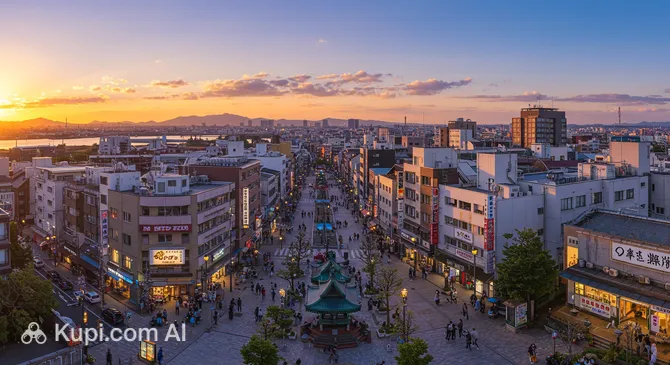
Ota is the largest special ward in Tokyo by area, located in the southern part of the Japanese capital. Serving as the "southern gateway" to Japan, this district harmoniously combines the high-tech infrastructure of Haneda International Airport, cozy residential neighborhoods, and traditional shopping streets. It lacks the frantic bustle of central Shibuya or Shinjuku, giving Ota a more down-to-earth and authentic atmosphere, perfect for those who want to see the everyday life of the metropolis.
Geographically, the district stretches along the shores of Tokyo Bay and the Tama River. Thanks to this location, Ota is a vital transport hub connecting the capital with other regions of the country. With a population exceeding 730,000 people, it creates a dynamic yet comfortable environment for living and traveling. The rich history of Ota can be traced through its surviving old workshops and craft stores, which have shaped the industrial character of southern Tokyo for decades.
Ota. Illustration.
Source: Kupi.com AI
For tourists, Ota is attractive due to its contrasts: from modern airport terminals with panoramic observation decks to quiet Buddhist temples and green parks. The Kamata and Omori areas offer an excellent selection of affordable accommodation and authentic eateries where you can experience the true spirit of Tokyo. We invite you to explore this multifaceted district, which will become not just a point of arrival for you, but a genuine discovery on the map of the Japanese capital.
Weather Overview
The climate in Ota is typical of central Japan and is characterized as humid subtropical. All four seasons are clearly defined, each giving the district its own charm. Winters in this part of Tokyo are usually mild and dry; snow falls very rarely. The average temperature in January ranges from 1°C to 10°C, and the bright sun makes walks comfortable even on cold days.
Summer in the Ota district can be quite a challenge due to high humidity and heat, which in August often exceeds +30°C. During this period, as well as in September, heavy rain and typhoons are possible. When planning your trip, be sure to check the current weather in Ota to prepare for seasonal variations.
The most favorable times to visit are considered spring (April-May) and autumn (October-November). In spring, you can catch the cherry blossoms, while autumn delights with steady coolness and clear days. During these times, the climate in Ota is most conducive to long walks and outdoor sightseeing.
Average monthly temperature
Average monthly precipitation
Interesting Facts
Ota is a place full of surprising records and hidden features away from the typical tourist's gaze. Here are a few curious facts about this district:
The capital's largest district: Ota City is officially the largest by area among all 23 special wards of Tokyo, spanning nearly 60 square kilometers.
Air gateway: Haneda International Airport is located right within Ota. For many travelers, it is more convenient than Narita as it is much closer to the historic city center.
The heart of small business: The district is historically considered the center of Japanese craftsmanship; hundreds of tiny factories and workshops still operate here, producing high-precision parts for global brands.
Literary corner: The district boasts a network of modern libraries, such as Haneda and Ikegami, which are considered some of the best educational spaces in Tokyo.
A district of contrasts: Within Ota, you can see both futuristic monorails and quiet Buddhist shrines hidden deep within residential blocks.
How to Get There
Transport accessibility in Ota is considered among the best in Tokyo. Thanks to its strategic position in the south of the capital, the district is connected to the rest of the metropolis by a dense network of railways and expressways. Exploring all ways to get to Ota, you will find that the district is perfect for both a first-time visit to the country and a transit stop.
The main transport hub is Haneda International Airport (HND), which is actually located within the ward's borders. It is one of the most comfortable and busiest airports in the world. From here, you can reach the central neighborhoods of Ota in just 10–20 minutes via the Keikyu Line or the famous Tokyo Monorail. The airport is directly connected to all major cities in the country and the world.
Railway connections are represented by several key stations. Kamata and Omori stations are served by JR (Japan Railways) lines, allowing for quick travel to Tokyo Station or Shinjuku. Keikyū Kamata Station is an important transfer point for those heading to Yokohama or other cities in Kanagawa Prefecture.
Main Attractions
Despite its reputation as a business and transport hub, Ota offers several unique locations for travelers. One of the most popular spots is Haneda Airport Terminal 3. It features a magnificent observation deck offering breathtaking views of the runways and the Tokyo Bay panorama. Inside the terminal itself, there is a stylized shopping area reminiscent of the streets of old Edo, where you can spend time while waiting for your flight.
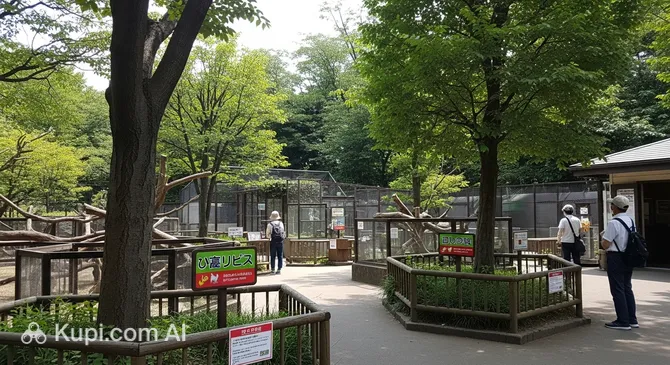
For a family day out, the Itabashi Children's Zoo, Takashimidaira Branch is an excellent choice. This cozy place allows children to get up close with animals in a calm and safe environment. Although the facility is located in another district, it is often recommended to guests in Ota as a high-quality spot for walks with young children. Within Ota itself, the main points of interest are the lively neighborhoods around Kamata and Omori stations, with their many local temples and traditional markets.
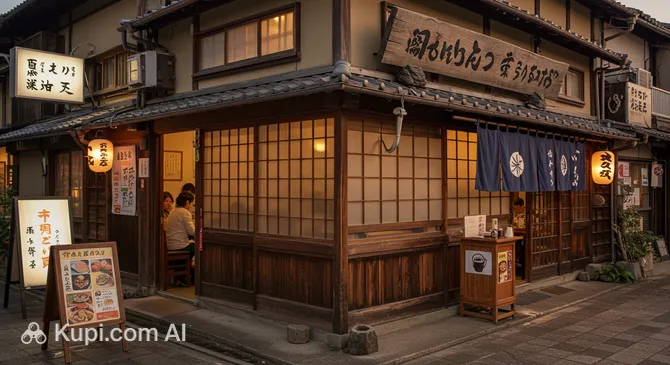
If you are looking for a place to relax near the airport, The Royal Park Haneda Restaurant is worth your attention, offering exquisite cuisine and premium service right inside the terminal building. For fans of Japanese "fast food," a visit to Gyoku is a must; it is famous for its flavorful soups and noodles. These places prove that even in a transport-focused district, you can find high-level gastronomic experiences.
Local Cuisine
The gastronomic face of Ota has been shaped by its status as a transport hub and residential area. You won't find pretentious Michelin-starred restaurants at every turn here; instead, there is an abundance of establishments serving honest, delicious, and affordable food. The foundation of local cuisine consists of classic Japanese dishes: ramen, sushi, yakitori, and tempura, prepared in small family shops near the stations.
Special attention should be paid to Haneda Airport, where the terminals bring together the best regional delicacies from all over the country. Here you can try famous ramen at Gyoku or order an exquisite lunch at The Royal Park Haneda Restaurant. For many travelers, Haneda becomes the place for their first encounter with omiyage—beautifully packaged Japanese sweets and souvenir food sets that are traditionally brought back from trips.
Gyoku. Illustration.
Source: Kupi.com AI
Traveler photos:
In the district's residential areas, bento shops—stores selling ready-made meals that locals buy on their way home—are popular. In the evening, it's worth stopping by one of the izakayas (Japanese gastropubs) in the Kamata area. Try local beer or sake paired with hot snacks to feel the authentic rhythm of life in southern Tokyo.
Travel Tips
A trip to Ota promises to be comfortable and interesting if you know a few important nuances. We have prepared tips to help you settle into this dynamic Tokyo district more quickly.
Dress for the season: Summer in the area is humid and hot, so choose clothing made from natural fabrics. Winters here are mild but windy due to the proximity to the ocean—bring a light down jacket. Comfortable shoes are a must for long walks through the district and airport terminals.
Transport cards: Purchase a Suica or Pasmo card immediately upon arrival. This will save time on buying tickets and allow you to easily move between lines of different operators (JR, Keikyu, Monorail).
Finances: Cash is still important in Japan, especially in small shops and temples in Ota. You can withdraw yen from 7-Eleven ATMs, which operate 24/7 and accept international cards.
Rush hours: Try to avoid train travel from 7:30 to 9:00 and from 17:30 to 19:00. Transport is extremely crowded at these times, which can be exhausting with luggage.
Connectivity: You can easily buy a SIM card or rent a portable Wi-Fi router at Haneda Airport. Within the district itself, free Wi-Fi is available in hotels, shopping centers, and at major stations.
Onboard etiquette: It is customary to maintain silence on trains and buses. Talking on the phone is considered poor manners. Also, don't forget to give up your seat to the elderly and pregnant women.
What to avoid: Do not leave tips in restaurants or taxis—it is not customary in Japan and may even embarrass the staff. All service is already included in the price.
Luggage: If you have heavy suitcases, use a luggage delivery service (Takkyubin) from the airport directly to your hotel. This will allow you to start your walk through Ota light.
Following these simple rules will make your stay in Ota easy and pleasant, allowing you to focus on new discoveries and impressions!
Entertainment & Nightlife
Nightlife in Ota is noticeably different from the neon lights of central Tokyo. The main centers of evening activity here are the neighborhoods surrounding Kamata and Omori stations. These areas are concentrated with a vast number of traditional Japanese izakaya bars, small karaoke clubs, and pubs where locals unwind after the workday. The atmosphere in these establishments is very friendly and laid-back, and prices are often lower than in the tourist center.
An interesting feature of the district is Haneda Airport itself, which functions as a 24-hour entertainment cluster. Its terminals house not only shops but also themed installations and restaurants with excellent views, such as The Royal Park Haneda Restaurant. It is a great place for a quiet dinner or an evening cocktail in a comfortable setting before a flight.
For those seeking large-scale entertainment—world-class nightclubs or major concert venues—residents and guests of Ota can easily travel to neighboring districts like Shibuya or Roppongi. The train ride takes no more than 30–40 minutes. During the day, the district offers quiet strolls through parks and visits to local cultural centers, which often host small exhibitions and workshops.
Parks & Museums
Green zones in Ota are scattered throughout the district, offering residents and tourists a respite from the dense urban development. One of the main features of the district is the embankments of the Tama River and Tokyo Bay, where paths for walking and cycling have been established. While there are no giant parks here, the local squares are charming in their neatness and tranquility.
For those traveling with children, the Itabashi Children's Zoo, Takashimidaira Branch can be an interesting destination. It is a small but very cozy space where children can interact with animals. Within Ota itself, it's worth visiting Ikegami Umesono Park, which turns into a sea of blooming plum blossoms in spring, attracting photographers from all over Tokyo.
The cultural life of the district is represented by a network of public libraries and local museums that tell the story of the region's industrial past. There are also small galleries and cultural centers in the area where you can learn about traditional crafts. For visits to major national museums, guests usually head to nearby Ueno or Roppongi, which takes about half an hour by public transport.
Getting Around
The public transport system in Ota is a model of efficiency and integration. Major railway arteries pass through the district, such as the JR Keihin-Tohoku line and branches of the Keikyu and Tokyu companies. A unique feature of the district is the Tokyo Monorail, connecting Haneda Airport to the city center; the ride itself is an attraction with views over the bay.
Fares are paid using universal contactless cards (Suica or Pasmo), which can be purchased and topped up at any station. These cards are accepted on all trains, buses, and even in many shops. The cost of a trip depends on the distance, and transport intervals are minimal—trains run every few minutes from early morning until midnight.
The bus network in Ota perfectly complements the railway, linking residential areas with hub stations. Within the district, taxis are also popular and can be hailed through apps or found at designated stands. For short trips, locals often use bicycles; however, tourists should take into account the high transport load during rush hours when train carriages are packed to the limit.
Accommodation
Accommodation in Ota is characterized by practicality and variety. The bulk of the hotels consists of modern business hotels located in the immediate vicinity of Kamata and Omori stations, as well as the airport terminals. This is an ideal choice for those who value time and have early departures or late arrivals planned. Prices here are usually more attractive than in central districts like Chiyoda or Minato.
If you are looking for premium relaxation while on the go, it is worth looking at the hotel complexes at the airport, where services include high-class restaurants like The Royal Park Haneda Restaurant. In the residential neighborhoods of the district, you can find cozy apartments and guesthouses that allow you to immerse yourself in the atmosphere of a typical Tokyo suburb and feel like a local.
During peak seasons (cherry blossom time in April or red maple season in November), it is recommended to book accommodation in Ota in advance, as its proximity to the airport makes the area highly sought after. Most hotels support international booking systems and offer services with English-speaking staff.
Nearby Cities
Due to its location on the border of Tokyo and Kanagawa Prefecture, Ota serves as an excellent starting point for exploring the capital region and nearby prefectures. The developed railway network makes it easy to plan short trips for a few hours or a whole day, returning to your hotel by evening.
Just a few minutes' drive to the south is the major industrial and cultural center of Kawasaki, known for its parks and museums. If you travel a little further, you can find yourself in Shinagawa—one of Tokyo's most prestigious districts with its aquariums and business centers. For lovers of pleasant walks along canals, Meguro is perfect, especially during the cherry blossom season.
It is also worth paying attention to smaller but colorful locations like Furukawamachi, which allow you to see Japan from a less formal, more provincial side. Trips to these places do not require complex logistics and are accessible to any tourist.
Exploring the surroundings of Ota will give you plenty of new experiences: from the futuristic waterfronts of Yokohama to quiet temple complexes in the suburbs. Don't miss the chance to expand the boundaries of your journey!
Shopping & Souvenirs
Shopping in Ota is primarily focused on practicality and convenience. The main shopping areas are concentrated near major transport hubs. The Kamata and Omori station areas abound with department stores, chain clothing shops, and supermarkets. Here you can find everything needed for daily life—from high-quality Japanese cosmetics to electronics and household goods.
Haneda Airport holds a special place in the district's commercial life. Its terminals have transformed into full-fledged shopping centers. In the Edo Market zone in Terminal 3, you can purchase unique handmade souvenirs, traditional fabrics, and accessories. There are also shops of famous brands operating under the Duty Free system, making gift shopping before a flight very convenient.
For those who want to feel the local flavor, we recommend a stroll through the shotengai—traditional shopping streets in residential neighborhoods. There, you can find small bakeries, tea shops, and affordable locally produced goods. Most large stores accept international bank cards and offer Tax Free services upon presentation of a passport.