Support

Musashi Ichinomiya Hikawa Shrine

Nearby interesting places

About

Musashi Ichinomiya Hikawa Shrine is one of the most significant and ancient Shinto shrines in the Kanto region, located in Saitama. This site holds deep spiritual importance for all of Japan, as it is considered the head shrine of the Hikawa sect, dedicated to the deity Susanoo-no-Mikoto. Its history spans over two millennia, making it not just a religious site, but a living witness to centuries of Japanese culture.
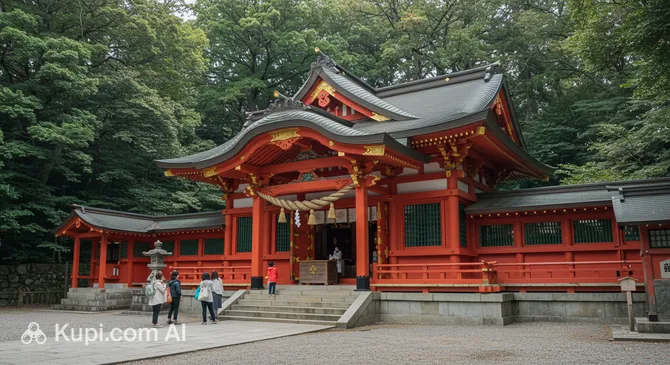
Musashi Ichinomiya Hikawa Shrine. Illustration.
Source: Kupi.com AI

Traveler photos:

The shrine grounds are an expansive and picturesque park, which is an attraction in itself. Walking along the long path leading to the main building, you will find yourself surrounded by ancient trees that create an atmosphere of peace and serenity. Here you can see traditional bridges spanning ponds where koi carp swim, and enjoy the harmony between architecture and nature.

A visit to Musashi Ichinomiya Hikawa will be of interest not only to pilgrims but to anyone who wants to encounter authentic Japanese spirituality. It is a wonderful opportunity to see traditional rituals, admire elegant temple architecture, and take a break from the city bustle in the shade of a sacred grove. The shrine is especially beautiful during the cherry blossom season in spring and the changing of the leaves in autumn, when numerous festivals are held.

Contacts

Musashi Ichinomiya Hikawa Shrine is a significant cultural and religious site in Saitama. It is located within the large Omiya Park, about a 20-minute walk from JR Omiya Station, making it easily accessible for tourists. For the most accurate information on opening hours, special events, and visiting rules, it is recommended to check the shrine's official website or local tourist centers directly before your visit.

How to contactContact
AddressJapan, 〒330-0803 Saitama, Omiya Ward, Takahanachō, 4-chōme−1−407
Phone number+81 48-641-0137
Websitemusashiichinomiya-hikawa.or.jp

What to Do

Visiting Musashi Ichinomiya Hikawa Shrine is an immersion into the atmosphere of peace and ancient traditions of Japan. Guests can stroll leisurely along well-kept paths, enjoying the harmony of nature and architecture. Two mystical ponds are particularly noteworthy: "Snake Pond" (Hebi-no-ike) and "Pond of the Gods" (Kami-no-ike). According to local legends, these bodies of water are connected to water spirits and deities, giving them special sacred significance.

At the shrine, you can not only observe but also participate in traditional rituals. Many come here to pray for a happy marriage, family well-being, and good luck. Visitors can purchase omamori—special charms for various occasions—or take part in purification ceremonies. It is also a wonderful place for photographers wishing to capture the elegance of Shinto architecture and scenic natural landscapes.

Life at the shrine becomes especially vibrant during festivals. If your trip to Saitama coincides with one, you will have an unforgettable experience. Traditional Shinto rites and seasonal festivals are regularly held on the grounds. The most colorful events include the large New Year celebrations (Hatsumode), when thousands of people come for their first blessing, and the vibrant Hikawa Matsuri festival, filled with music, dancing, and street food.

Getting There

Musashi Ichinomiya Hikawa Shrine is located in the Omiya district of Saitama, and getting there is quite simple thanks to the well-developed transport system. The most convenient way is by train. The nearest major station, Omiya Station, is one of the region's key transport hubs, making it accessible from various parts of Japan. From the station, you can reach the shrine on foot in just 10–15 minutes. The walk takes you through picturesque streets, allowing you to immediately immerse yourself in the city's atmosphere.

For those who prefer ground transport, city buses run from the central part of the city to the shrine. This is a good option if you are far from the train station. Travelers arriving by car can use the parking lot on the shrine grounds. However, please note that during major festivals and holidays, the number of visitors increases sharply, so it is recommended to opt for public transport to avoid traffic jams and parking issues.

Nearest city: Saitama

History & Facts

Musashi Ichinomiya Hikawa Shrine is not just an ancient temple, but one of the most important spiritual centers in the Kanto region. Its history dates back to antiquity. According to historical records, it was established as the head shrine, or "ichinomiya," of the former Musashi Province, which once covered the territory of modern-day Saitama and parts of Tokyo. The "ichinomiya" system emerged during the Heian period (794–1192), and temples with this status enjoyed special honor and influence.

The shrine's deep connection with Japanese mythology makes it particularly fascinating. It is dedicated to the deity Susanoo-no-Mikoto, a central figure in the Shinto pantheon. The name "Hikawa" directly refers to the legend of Susanoo's victory over the eight-headed serpent Yamata-no-Orochi near the Hii River. This myth permeates the symbolism and atmosphere of the shrine, reminding visitors of the ancient legends that form the foundation of Japan's culture.

Over the centuries, Musashi Ichinomiya Hikawa Shrine has remained a key place for worship and important public rituals. Its grounds impress with a tranquil atmosphere, and the long, tree-lined approach leading to the main building is considered one of the most scenic in the country. Even today, the shrine retains its significance, attracting many pilgrims and tourists wishing to experience living history and spiritual traditions.

Time Needed

To fully experience Musashi Ichinomiya Hikawa Shrine, it is recommended to set aside 1.5 to 3 hours. This is enough time to stroll leisurely through the grounds, inspect the main pavilions, and feel the calm and spiritual atmosphere of this important Shinto site. Of course, if you are short on time, you can see it in an hour, but for a deeper immersion into its history and culture, it's better not to rush.

Most of the time is spent exploring the complex itself, including its beautiful gates, bridges, and prayer halls. A significant amount of time will also be taken by a walk through the adjacent scenic park that surrounds the shrine. If you're lucky, you might catch a traditional ritual or a local festival, which will add unique impressions to your visit but may require additional observation time.

Working Hours

Musashi Ichinomiya Hikawa Shrine is generally open to visitors daily throughout the year. Entrance to the grounds is usually free and does not require advance ticket purchase or booking. Visitors can come from early morning until sunset, allowing them to fully enjoy the peaceful atmosphere of the site.

It should be noted that exact opening hours may vary depending on the season, as well as during special festivals and religious ceremonies. To avoid inconvenience, it is strongly recommended to check the current schedule on the shrine's official website or contact local tourist information centers in Saitama before your visit. This will help you plan your trip in the best possible way.

6:00 – 17:00

Nearby

A visit to Musashi Ichinomiya Hikawa Shrine is undoubtedly a highlight of any trip to Saitama. However, to get a full sense of the area's diversity, it's worth taking the time to explore its surroundings. Often, it is during short strolls through neighboring streets and parks that you can find unexpected and memorable spots to complement your experience.

There are many other interesting sites near the shrine, ranging from picturesque parks to cozy eateries and shopping centers. This is a great opportunity to combine a spiritual pilgrimage with more secular entertainment and dive deeper into the city's atmosphere. Below is a list of some attractions within walking distance.

NameDistance
Omiya Park0.3 km
Churrasco Alegria Omiya1 km
Omiya All-You-Can-Drink Bar1 km
Omiya Second Park1 km
Amusement Bar DPS Omiya1.1 km
Omiya Third Park1.2 km
Cocoon 22.3 km

Have you reached the end of the page?

So the route has been studied inside and out