Support

Togakushi Shrine

About

Togakushi Shrine (戸隠神社, Togakushi Jinja) is an impressive complex of Shinto shrines nestled in the forested mountains northwest of central Nagano city in Japan. This sacred complex consists of three main shrines: the Lower (Hoko-sha), the Middle (Chu-sha), and the Upper (Oku-sha), each located at a different elevation on the majestic Mount Togakushi, inviting pilgrims and tourists on a journey through history and nature.
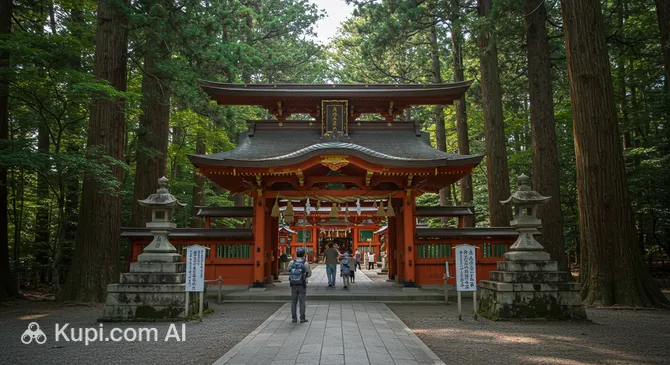
Togakushi Shrine. Illustration.
Source: Kupi.com AI

Traveler photos:

The name of the mountain and the shrine itself, "Togakushi," literally translates as "Mountain of the Hidden Door" or "hidden door." This name is not accidental—it is closely intertwined with ancient Japanese myths. According to legend, it was here that one of the deities threw the stone door behind which the sun goddess Amaterasu was hiding, thereby returning light to the world. The Upper Shrine, Oku-sha, is dedicated to this powerful deity, and the path to it is a spiritual experience in itself.

Visitors to Togakushi Shrine are greeted by an atmosphere of deep tranquility and mystery, created in large part by the avenues of giant centuries-old cedars lining the paths. These mighty trees, the silence of the mountains, and the beauty of the ancient structures make the shrine not only an important religious center but also a favorite spot for those seeking to enjoy pristine natural beauty and touch Japan's rich cultural heritage.

Contacts

Togakushi Shrine is located in the mountainous area northwest of Nagano. The most common way to reach the shrine is by bus from Nagano. For precise schedules, route numbers, and information on operating hours, we recommend checking the official Nagano tourism websites, Japan travel portals, or consulting local information centers upon arrival.

How to contactContact
AddressChūsha-3506 Togakushi, Nagano, 381-4101, Japan
Phone number+81 26-254-2001
Websitewww.togakushi-jinja.jp

What to Do

Visiting Togakushi Shrine is an opportunity to immerse yourself in the soothing atmosphere of an ancient religious complex while walking among majestic towering cedars. The path connecting the various temples of the shrine is a scenic trail that winds through a forested area. This walk offers not only spiritual seclusion but also the pleasure of enjoying the beauty of Japanese nature, allowing you to feel the harmony and peace of this sacred place.

At Togakushi Shrine, you can not only enjoy nature but also experience local traditions. Try your luck with the Japanese fortune-telling called omikuji to learn your fate. Be sure to stop by the "Okusha-no Chaya" tea house, located at the entrance to Togakushi Shrine. Designed by the famous architect Kengo Kuma, this building offers a unique opportunity to taste local culinary delights.

Don't miss the chance to try the famous Togakushi soba (buckwheat noodles), which are handmade here, or refresh yourself with the popular Shinshu apple ice cream. Additionally, during your visit, look for the exquisite architectural features of the temples, which stand as witnesses to centuries of history. If your trip coincides with one of the local holidays, you might witness traditional Shinto rituals and colorful seasonal festivals that add a special flair to your visit.

Getting There

Your journey to Togakushi Shrine begins with your arrival in Nagano, a key transport hub in the Japan region. The shrine itself is situated in a picturesque mountainous area, some distance northwest of central Nagano.

Buses run regularly from Nagano to the foot of Mount Togakushi, where the temple complex is spread out. This is the most popular and economical way to reach your destination. If you prefer more comfort or are traveling in a group, you can use a taxi service that will take you directly to the start of the trails leading to the shrine.

Keep in mind that Togakushi Shrine is not a single building, but an extensive complex comprising three main shrines: the Lower (Hoko-sha), the Middle (Chu-sha), and the Upper (Oku-sha). They are located at different elevations on the mountain, and moving between them is done on foot. These walks take place along trails through a magnificent cedar forest, turning the journey itself into part of the unforgettable experience of visiting this sacred place.

Nearest city: Nagano

History & Facts

The history of Togakushi Shrine is shrouded in ancient legends, with its roots, according to lore, dating back to approximately 250 BC. The founding of the shrine is inextricably linked to one of the key myths of the Japanese Shinto tradition — the story of the sun goddess Amaterasu. Legend has it that Amaterasu, angered by her brother's behavior, hid in a celestial cave (traditionally believed to be in modern-day Takachiho on Kyushu Island), causing the whole world to plunge into darkness and cold.

To bring light and warmth back to the earth, other deities (kami) resorted to a trick. They staged spectacular dance performances in front of the cave entrance to pique Amaterasu's curiosity. When the sun goddess peeked out of her hiding place, one of the powerful deities grabbed the stone door covering the entrance and threw it with immense force so that the goddess could not hide again. This door, according to the myth, flew a vast distance and landed in the mountains of present-day Nagano Prefecture. This event gave the area and the shrine their name: "Togakushi" literally translates as "hidden door."

This mythological act is directly reflected in the structure and dedications of Togakushi Shrine. The complex's Upper Shrine, Oku-sha, which is the most revered and located highest of all, is dedicated to the very deity who, according to legend, threw the stone door and played a key role in Amaterasu's return. This fact underscores the shrine's deep connection to ancient Japanese beliefs and its central role in preserving this vital part of Japan's cultural and religious heritage.

Time Needed

When planning a visit to Togakushi Shrine, it is worth setting aside enough time to fully enjoy its atmosphere and beauty. Since this is an extensive complex consisting of several shrines located on the mountain slopes, your total stay will depend on how many of them you wish to visit and how leisurely you move. On average, for a more or less complete introduction to the main parts of the complex, you should plan for half a day or even more.

If your goal is to visit the most famous Upper Shrine (Oku-sha) with its renowned avenue of giant cedars, this section alone, including the walk there and back (about 2 km each way), will take at least 2-3 hours. A visit to the Middle Shrine (Chu-sha), which is also very picturesque, can take about 1-1.5 hours. If you decide to explore all three main shrines—Lower, Middle, and Upper—then feel free to allow 4 to 6 hours, especially if you want to soak in the spirit of the place rather than just rush through.

Don't forget that the journey between the shrines itself, which follows scenic forest paths, is an integral part of the experience of visiting Togakushi Shrine. Therefore, to get the most out of it and not have to rush, it's best to dedicate most of the day to this trip from Nagano. This will allow you to enjoy not only the temples themselves but also the magnificent nature, fresh mountain air, and a sense of tranquility.

Working Hours

Exact operating hours for Togakushi Shrine can vary depending on the season and the specific shrine within the complex (Lower, Middle, or Upper). Generally, Shinto shrines in Japan are open to visitors during daylight hours, often from early morning until sunset. However, as Togakushi Shrine is located in a mountainous area, access, particularly to the Upper Shrine (Oku-sha), may be restricted during the winter months due to snow. Typically, the shrines are open year-round, but weather conditions can affect the accessibility of the trails.

As for reservations, for regular visits and walks around the grounds, pre-booking or ticket purchases are generally not required. However, if you plan to participate in any special rituals, ceremonies, or guided tours (if offered), it's worth checking this information in advance. To get the most up-to-date information on operating hours, possible seasonal restrictions, and the need for reservations, it is highly recommended to check the official Togakushi Shrine website (if available) or contact the tourist information centers in Nagano city before your trip.

Open 24 hours

Nearby

A visit to Togakushi Shrine is undoubtedly a bright and memorable event. However, to make your trip to Nagano even more rich and fulfilling, it's worth paying attention to the attractions located nearby. Exploring the surroundings will allow you to dive deeper into the region's atmosphere, discover other interesting sites, and get a more complete picture of the culture and nature of this part of Japan.

Near Togakushi Shrine, there are several notable sites that can complement your itinerary. From cozy restaurants serving local cuisine to other natural and historical monuments—there is something for everyone. Below is a list of some of them, along with approximate distances.

NameDistance
Uzuraya0.1 km
Kids' Ninja Village1.1 km
Cedar Avenue of Togakushi Shrine2.7 km
Togakushi Museum of Natural History7.3 km
Myoko-Togakushi Renzan National Park11.6 km
Monzen Terrace Enya13.3 km
Yoshizaki Italian Wine Bar14.1 km

Have you reached the end of the page?

So the route has been studied inside and out