Support

Kitano Tenmangu Shrine

About

Kitano Tenmangu Shrine (Kitano-Tenmangu) is one of the most significant and revered Shinto shrines, located in the northwestern part of Kyoto, Japan. This temple was founded over a thousand years ago and is dedicated to Sugawara no Michizane—a prominent scholar, poet, and statesman of the Heian period. After his death, he was deified as Tenjin and has since been considered the patron of science and education.
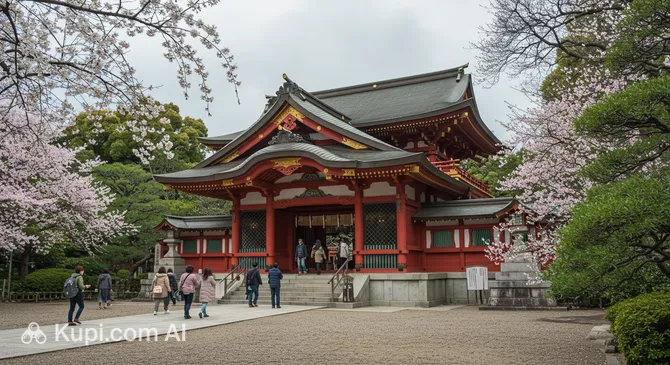
Kitano Tenmangu Shrine. Illustration.
Source: Kupi.com AI

Traveler photos:

Due to its history, the shrine is especially popular among students from all over the country who come here to pray for exam success and academic achievement. Throughout the complex, you can see many stone and bronze sculptures of bulls—the symbol and loyal companion of Tenjin. There is a belief that rubbing the head of a bull statue will grant wisdom.

Beyond its spiritual significance, Kitano Tenmangu is famous for its incredible natural beauty. Its vast grounds house a renowned plum grove with about two thousand trees. During the blooming season, typically in late February and March, the garden transforms into a fairytale place enveloped in delicate fragrance and pink-and-white petals, attracting many visitors and photographers. Additionally, hundreds of maple trees grow on the temple grounds, creating picturesque landscapes in the autumn.

Contacts

When planning a visit to Kitano Tenmangu Shrine, please note that finding precise and up-to-date contact details, such as an official phone number or email address, can be challenging. This information is often absent from public sources.

To get the latest information regarding opening hours, seasonal events like the plum blossom festival, or garden admission fees, it is recommended to check the details on-site. You can also get helpful advice from the many tourist information centers in Kyoto, where staff can help you find your way.

How to contactContact
AddressBakurocho, Kamigyo Ward, Kyoto, 602-8386, Japan
Phone number+81 75-461-0005
Websitewww.kitanotenmangu.or.jp

What to Do

A visit to Kitano Tenmangu Shrine offers many experiences beyond simple sightseeing. Guests can take a leisurely stroll through the vast grounds, enjoying the peaceful atmosphere and admiring the traditional Japanese architecture. Be sure to take photos of the famous gates, bridges, and numerous bull sculptures. For many visitors, especially students, the visit has a spiritual purpose: it is customary to pray for academic success before exams. You can participate in this ritual by leaving a wooden ema tablet with your wish or purchasing a special amulet for good luck in your studies.

The shrine takes on a special charm during certain days and seasons. The most popular time to visit is during the plum blossom season from February to March. This period features the grand Baikasai festival, where you can witness an open-air tea ceremony performed by geishas and their apprentices, as well as visit a traditional market. Furthermore, on the 25th of every month, the shrine grounds host a lively flea market—one of the most famous events of its kind in Kyoto. This is a wonderful opportunity to find unique souvenirs, antiques, kimonos, ceramics, and other handmade goods while fully immersing yourself in the local culture.

Getting There

Kitano Tenmangu Shrine is conveniently located in the northwestern part of Kyoto, making it easily accessible for tourists. The simplest and most budget-friendly way to get here is by public transport. From Kyoto Central Station, city buses #50 and #101 run directly to the shrine. You will need to get off at the Kitano Tenmangu-mae stop, located right at the entrance to the temple complex.

For those who prefer a faster and more comfortable way to travel, a taxi is an excellent option. A trip from the city center takes little time and allows you to avoid transfers or waiting at stops. You can also rent a car, which is particularly convenient if you have a flexible itinerary and plan to visit other attractions around Kyoto on the same day.

For lovers of leisurely walks and urban atmosphere, a walking route is highly recommended. It allows you not only to enjoy the picturesque streets but also to get a better feel for the rhythm of Japanese city life. Additionally, there are other interesting spots near the shrine, so a walk provides a great opportunity to combine a visit to Kitano Tenmangu with exploring its surroundings.

Nearest city: Kyoto

History & Facts

The history of Kitano Tenmangu Shrine is inextricably linked to the dramatic fate of the scholar and statesman Sugawara no Michizane (845–903). A talented poet and calligrapher, he rose to high positions at the imperial court but was unfairly accused due to political intrigue and exiled from the capital to Kyushu, where he died in exile. Soon after his death, the capital was struck by disasters: floods, fires, and epidemics, which public rumor attributed to the vengeful spirit of the wronged Michizane. To appease him, the emperor ordered the founding of this shrine in 947.

Over time, the image of the vengeful spirit transformed, and Sugawara no Michizane came to be revered under the name Tenjin—as a powerful deity of scholarship, calligraphy, and education. Kitano Tenmangu was the first shrine in Japan where a real person was deified, and today it is the main shrine among more than 12,000 dedicated to Tenjin across the country. This fact determined the shrine's special role in cultural and spiritual life: for centuries, it has enjoyed the patronage of the imperial family and remains a place of pilgrimage for students praying for success in exams.

Throughout its long history, the shrine has suffered from fires several times but was meticulously rebuilt each time. The current architectural ensemble, designed in the opulent Momoyama style, was erected in 1607 by order of Toyotomi Hideyori. Its main structures, including the main hall (Honden) and the hall of worship (Haiden), are designated National Treasures of Japan for their unique architecture and rich decoration. These buildings are interconnected, creating a complex and majestic roof structure that serves as the shrine's signature feature.

Time Needed

When planning a visit to Kitano Tenmangu Shrine, it is recommended to set aside 1.5 to 2.5 hours. This is usually enough time to leisurely explore the main architectural treasures of the temple complex, walk through its well-kept grounds, and soak in the peaceful atmosphere of this significant site. During this time, you can find the numerous bull statues, considered messengers of the deity, and observe the rituals.

The length of your stay may change significantly depending on the season and your interests. For example, if you visit during the plum blossom season in February and March or during the autumn foliage peak, a walk through the shrine's famous gardens may take extra time. Also, keep in mind that on the 25th of every month, a lively flea market is held on the grounds, which can turn a short visit into a fascinating multi-hour adventure.

Working Hours

Kitano Tenmangu Shrine is open to visitors year-round, allowing you to experience its beauty in any season. As a rule, the temple complex is open daily from early morning until evening. Approximate opening hours are 5:00 AM to 6:00 PM, though it's important to remember that this schedule may change with the seasons. For instance, during festivals or when special gardens are open, hours may be extended.

For a regular visit to the shrine grounds, no advance booking or registration is required—entry to the main part of the complex is free. However, it is highly recommended to check the official shrine website for the latest information before your trip. This is especially important if you plan to visit paid areas, such as the plum garden during bloom, or attend special events, as these may have separate tickets and specific visiting hours.

7:00 – 17:00

Nearby

Visiting Kitano Tenmangu Shrine is a wonderful chance to see one of Kyoto's most important landmarks, but your journey shouldn't end there. Exploring the surrounding area allows you to dive deeper into the atmosphere of Japan's ancient capital and see other iconic sites located nearby. The district around the shrine is rich in historical and cultural landmarks, from world-famous temples to picturesque gardens.

A short walk or bus ride will reveal new facets of this amazing city, complementing your visit to Kitano Tenmangu. Below is a list of nearby attractions that might interest you.

NameDistance
Nijō Castle2.3 km
Kyoto Imperial Palace2.6 km
Kyoto Gyoen National Garden2.7 km
Shinpuhkan3.3 km
Kyoto Samurai and Ninja Museum3.7 km
IMU Bar Kyoto3.9 km
The Pink Kyoto4 km

Have you reached the end of the page?

So the route has been studied inside and out