Support

Biwako Valley

About

Imagine a place where snow-capped mountain peaks meet the endless expanse of the largest lake in Japan. Biwako Valley is a popular year-round resort located on the slopes of Mount Ibuki, just a few dozen kilometers from ancient Kyoto. This destination draws travelers with its breathtaking panoramas and a wide variety of activities in any season.
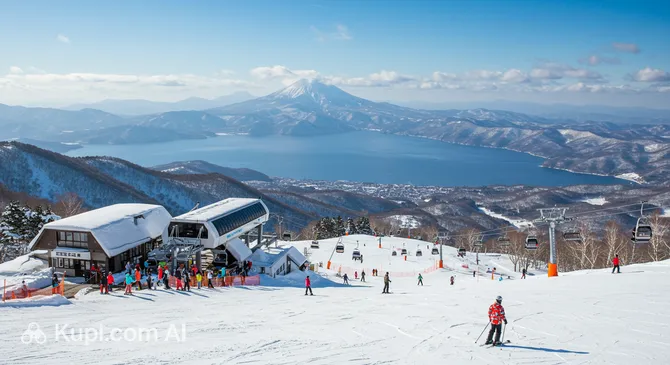
Biwako Valley
Biwako Valley. Иллюстрация. Источник: Kupi.com AI

In winter, the resort transforms into a true paradise for winter sports enthusiasts. Thanks to an elevation of up to 1,537 meters above sea level, quality snow is guaranteed, while 13 runs totaling over 15 km are suitable for both beginners and pros. Modern high-speed lifts allow for quick movement between slopes, and the freeride zone beckons adrenaline seekers.

However, Biwako Valley is not just about skiing. In summer and autumn, it becomes a hub for ecotourism. Visitors can enjoy trekking trails, mountain bike routes, and the unique opportunity to paraglide over the mirror-like surface of Lake Biwa. Cozy restaurants serving local cuisine and spa areas make this resort an ideal place for family vacations and a nature-filled reset.

Contacts

To plan your visit and check current conditions on the slopes, you can use the official communication channels. The resort is active on social media platforms like Instagram (@biwakovalley) and Facebook, where fresh photos and event updates are regularly posted.

How to contactContact
Address1547-1 Kido, Otsu, Shiga 520-0514, Japan
Phone+81 77-592-1155
Websitewww.biwako-valley.com

What to Do

The winter season at Biwako Valley is primarily about skiing and snowboarding. You can test your skills on 13 diverse runs: from gentle "green" slopes for beginners to steep "black" descents for experts. For those who prefer tricks, there is a snow park with jumps and rails. Night skiing on illuminated runs adds a special charm as the lights around the lake begin to twinkle in the dark.

During the warmer months, the focus shifts to active outdoor recreation. The zipline, which allows you to fly over the forest with views of the lake, and hiking to the mountain summit are very popular. For thrill-seekers, paragliding jumps are organized, while families often choose cozy picnic spots or visit Arashiyama Monkey Park if they decide to expand their itinerary.

After an active day, be sure to stop by a local restaurant to try ramen or fresh trout caught from the lake. There are also rental shops for modern equipment and a ski school on-site to help even the youngest guests take their first steps on the snow.

Getting There

Getting to the resort from Kyoto is quite simple, making it an excellent option for a day trip. The most popular way is to take the JR line to Omi-Hachiman Station (the journey takes about 30 minutes) and then transfer to a bus or take a taxi directly to Biwako Valley. During the winter season, direct shuttle buses often run between the city and the resort.

If you are traveling from Osaka, your route will go through Kusatsu Station, from which buses also depart. For those who prefer to travel by car, the drive along Route 161 along the picturesque lakeshore takes about an hour. The complex provides spacious parking with more than 1,000 spaces.

Ближайший город: Kyoto

History & Facts

The history of developing this picturesque corner of Japan as a ski center began in the 1960s. The first phase of lifts on Mount Ibuki was launched in 1965, making Biwako Valley one of the pioneers of winter sports in the Kansai region. Since then, the resort has come a long way, transforming from a small base into a modern multi-functional complex.

In the 1980s and 1990s, the infrastructure underwent a massive modernization: new runs were added and attractions for the summer season were introduced. This allowed the resort to host national freeride and snowboarding competitions, cementing its status as an important sporting venue in the country.

Lake Biwa itself, at the foot of which the slopes lie, has a unique history spanning over 4 million years. It is mentioned in the ancient "Nihon Shoki" chronicles and served as a cultural center during the Heian period. Today, the resort strives to maintain this connection to history by focusing on ecological tourism and a respectful attitude toward the region's natural heritage.

Time Needed

To fully enjoy everything Biwako Valley has to offer, it is worth planning a full day trip. In the winter season, skiing itself usually takes 4 to 6 hours, to which you should add time for equipment rental, lunch in a panoramic restaurant, and relaxation in the spa complex.

In the summer, for outdoor activities such as hiking or the zipline, visitors usually need about 3–5 hours. If you want to catch the sunset over the lake or enjoy an outdoor barbecue, an overnight stay at one of the nearby hotels is an ideal option.

Working Hours

Biwako Valley resort is open to visitors daily. Standard operating hours for the complex are from 9:00 AM to 4:00 PM. Please note that the last ropeway ascent usually takes place at 3:30 PM, so it is best to plan your arrival in advance.

During the winter period, especially on Fridays and weekends, extended hours for night skiing until 9:00 PM are possible. In the summer season, operating hours for hiking and active entertainment may be extended until 5:00 PM. It is recommended to check the current schedule on the official website before your trip, as it may change depending on weather conditions.

9:00 – 16:00

Nearby

The surroundings of Lake Biwa offer many interesting places to complement your trip. After an active day on the slopes or hiking in the mountains, consider visiting these cultural and entertainment sites located within easy reach.

NameDistance
Hachiman-bori Canal19.4 km
Kusatsu City Arena21.5 km
Kyoto Imperial Palace24.2 km
Nanzen-ji Aqueduct24.3 km
Kyoto Gyoen National Garden24.3 km
Kitsune Kyoto25.4 km
The Pink Kyoto25.4 km

Reached the end of the page?

That means the route is fully explored