Support

Cultural Path Futaba Museum

About

Imagine an elegant building where strict Japanese aesthetics harmoniously blend with early 20th-century European architectural chic. The Futaba Museum on the Cultural Path (also known as Futaba-kan) is a unique monument of the Taisho era, located in the city of Nagoya. This building once served as the home of Sadayakko Kawakami, Japan's first actress, and famous industrialists of the time.
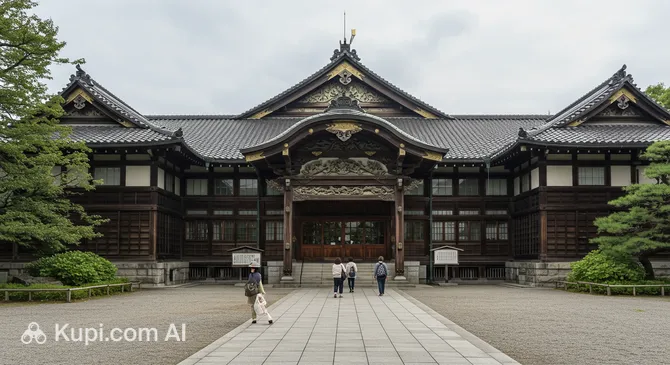
Cultural Path Futaba Museum
Cultural Path Futaba Museum. Иллюстрация. Источник: Kupi.com AI

Today, the museum is an important part of the "Cultural Path"—a special route running between Nagoya Castle and the Tokugawaen Garden. This area in Japan is recognized as a true treasure trove, preserving buildings from the Edo, Meiji, and Showa periods. Futaba-kan stands out with its vibrant orange roof and magnificent stained glass, reflecting the era of architectural romanticism.

Inside the museum, a journey through time awaits: archival photographs, everyday objects, and luxurious interiors reveal the story of Nagoya's transformation into a modern metropolis. This place will interest not only history and architecture enthusiasts but also anyone wanting to see how Western innovations intertwined with the Japanese soul over a century ago.

Contacts

For more details before your visit or to book group tours, you can use the museum's official contact information.

How to contactContact
Address3-chōme-23 Shumokuchō, Higashi Ward, Nagoya, Aichi 461-0014, Япония
Phone+81 52-936-3836
Websitewww.futabakan.jp

What to Do

At the Futaba Museum, you can literally touch the history of Nagoya's development. Inside the building, detailed exhibits await, dedicated to the influential Tokugawa family and the role of the city's famous castle in the country's political life. Interactive displays help visitors better understand the cultural heritage of the feudal era and how the city adapted to the challenges of a new age.

Special attention should be paid to the architecture itself: as you walk through the halls, notice the contrast between traditional tatami mats and Western fireplaces or stained glass windows. Japan's transitional period aesthetics are evident in every detail. After exploring the interior, be sure to take a leisurely stroll along the Cultural Path itself. This route is ideal for photoshoots against the backdrop of buildings preserved from different historical eras.

For those wanting the full experience, a visit to the Futaba Museum can be combined with nearby sites such as the Tokugawa Art Museum or the ancient Kenchuji Temple. Such immersion allows you to see the complete picture of the region's architectural and social evolution within a single day.

Getting There

Getting to the Futaba Museum is quite simple, as it is located in the Higashi Ward of Nagoya, within walking distance of the famous castle. The main landmark for travelers is the Shiyakusho (City Hall) metro station, served by the Sakura Line. A pleasant 5–10 minute walk awaits you from the station exit to the museum doors.

If your starting point is Nagoya Station, you need to transfer to the Sakura Line and head to Shiyakusho Station. The path leads through picturesque neighborhoods where historical "Cultural Path" signs will keep you on the right track.

For those who prefer maximum comfort, you can always take a taxi from the city center. The trip will take a short time, and the driver will deliver you right to the gates of this unique Taisho-era building. City buses also run in this area, stopping near the Nagoya Castle grounds.

Ближайший город: Nagoya

History & Facts

The history of the area where the museum is located dates back to the Edo period. In those times, the lands to the east of Nagoya Castle served as a residential area for middle- and lower-ranking samurai. This period laid the foundation for the daimyo palace culture, the influence of which is still traceable in local architecture and traditions, including ancient festivals featuring "yama" floats.

With the onset of the Meiji era, the district underwent a transformation, becoming an important industrial hub. Production of export ceramics, glass, clocks, and even violins flourished here. It was in these neighborhoods that great inventors began their journey, such as Sakichi Toyoda, whose contribution to the development of Japanese mechanical engineering cannot be overstated. The industrial boom turned the area into a home for the entrepreneurial elite of the time.

The Futaba-kan building became the embodiment of Taisho-era architectural romanticism. Built as a residence for Japan's first professional actress, Sadayakko Kawakami, and influential businessman Momosuke Fukuzawa, it merged Western chic with Japanese traditions. Today, this house-museum stands alongside other preserved industrialist villas, serving as a reminder of the "golden age" of Japanese entrepreneurship and cultural exchange.

Time Needed

To leisurely explore the interiors of the Futaba-kan building and its permanent exhibitions, 1.5–2 hours is usually enough. This time allows you to appreciate the unique blend of Eastern and Western styles in the architecture and examine the historical artifacts.

However, if you plan a full walk along the entire Cultural Path, including visits to the Tokugawa Art Museum, temples, and other historical residences, it is better to set aside 3–4 hours or even a full day. This approach will allow you to feel the change of eras captured in the appearance of this remarkable Nagoya district without any rush.

Working Hours

The Futaba Museum welcomes visitors according to the following schedule: from Tuesday to Sunday, the doors are open from 10:00 to 17:00. Please note that Monday is the official day off when the museum is closed to visitors.

It is recommended to plan your visit for the first half of the day to explore the exhibits calmly and leave time for a walk through the surrounding historical quarters before the complex closes.

DayWorking hours
понедельникЗакрыто
вторник10:00–17:00
среда10:00–17:00
четверг10:00–17:00
пятница10:00–17:00
суббота10:00–17:00
воскресенье10:00–17:00

Nearby

Exploring the surroundings of the Futaba Museum is a great way to dive deeper into the atmosphere of the Aichi region. The Cultural Path area is literally steeped in history, but if you're ready to venture a bit beyond the central part of the city, modern amusement parks and unique natural sites await you.

Below are interesting places you can visit in addition to the main program to make your trip to Japan even more fulfilling:

NameDistance
Sky-Boat Ferris Wheel1.6 km
The Kawabun1.7 km
Oriental Lounge Nishiki1.7 km
Nagoya Castle1.8 km
Seimon (Main Gate)1.9 km
The Conder House2 km
Nagoya City Science Museum2.2 km

Reached the end of the page?

That means the route is fully explored