Support

Kikugetsutei

About

Imagine an elegant wooden structure floating above the mirror-like surface of a pond, surrounded by ancient pines—this is Kikugetsu-tei, one of the most famous tea houses in Japan. Located in the southern part of the magnificent Ritsurin Garden in Takamatsu, this pavilion is a jewel of traditional Japanese architecture.
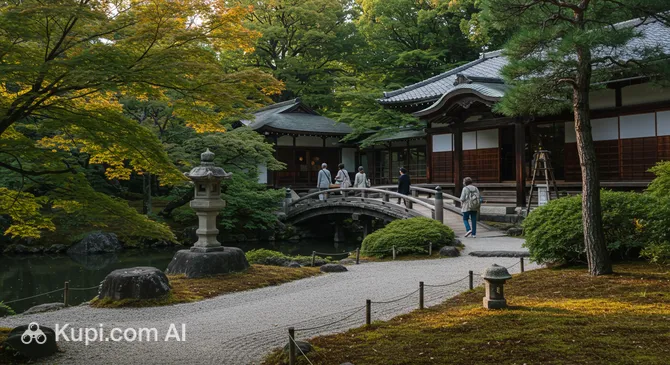
Kikugetsutei
Kikugetsutei. Иллюстрация. Источник: Kupi.com AI

Its poetic name, which translates as "Moon Scooping Pavilion," was inspired by an ancient poem. It symbolizes the beauty of the night sky reflecting in the water, which can literally be "scooped up" by hand from the terrace. Kikugetsu-tei is considered a historical site of exceptional importance, offering guests more than just relaxation, but a deep immersion into the aesthetics of the Edo period.

The pavilion is perfectly integrated into the surrounding landscape, offering panoramic views of ponds, artificial hills, and the majestic Mount Shiun, which serves as a natural backdrop for the entire garden composition. Ritsurin Garden, home to the tea house, is often ranked among the most beautiful parks in the country, making it a must-see for every tourist.

Contacts

For visit details or to pre-book a tea ceremony, you can use the official contact details for Kikugetsu-tei. We recommend checking the website for the latest information before your trip.

How to contactContact
Address栗林公園, 内, 1-chōme-20-16 Ritsurinchō, Takamatsu, Kagawa 760-0073, Japan
Phone+81 120-857-170
Websitewww.2chou.jp

What to Do

The highlight of your visit to Kikugetsu-tei will be participating in a traditional tea ceremony. Sitting on tatami mats on the open veranda, you can slowly sip a cup of rich matcha green tea while watching the play of light on the water's surface. It is the perfect place for contemplation and inner silence in the spirit of the wabi-sabi philosophy.

After tea, be sure to stroll along the adjacent paths of Ritsurin Garden. Here you can watch colorful koi carp in clear ponds, photograph the elegant bridge, and appreciate the skill of the gardeners who have shaped the crowns of ancient trees for centuries. Don't forget to take a few shots against the backdrop of blooming cherry groves in spring or fiery maples in autumn.

A walk through the park allows you to compare the classic Japanese section of the garden with the northern areas designed in Western style. At the end of your visit, we recommend trying the famous local Sanuki udon at one of the nearby restaurants—this dish is a true hallmark of Kagawa Prefecture and a perfect complement to your cultural journey.

Getting There

Getting to this secluded spot in Takamatsu is quite simple. If you are traveling from Tokyo, the most convenient way is to take a domestic flight—the flight to the local airport takes about 1 hour and 20 minutes. From Osaka or Kyoto, the route goes through Okayama Station via the high-speed Shinkansen train, followed by a transfer to an express train that will get you to the city in about an hour.

Ritsurin Garden itself, where the pavilion is located, is within walking distance (about 20-25 minutes) from the central JR Takamatsu station. You can also take a city bus or tram, which will take you to the Ritsurin Koen stop in just 10 minutes. The garden is also easily accessible from the Sunport Takamatsu port area.

For those who prefer comfort, taxis are easily available from the city's central hotels. Travelers with a JR Pass will find it convenient to travel by train, and direct buses run from the airport to the garden entrance, taking about 40 minutes.

Ближайший город: Takamatsu

History & Facts

The history of this place is inextricably linked with the powerful Matsudaira clan, relatives of the great shogun Tokugawa. They ruled Takamatsu from 1642 and spent centuries transforming Ritsurin Garden into a masterpiece of landscape art. Construction of this grand complex began in the 17th century and continued for over a hundred years, including the creation of ponds, man-made hills, and elegant structures.

The Kikugetsu-tei pavilion itself was designed as a place for contemplation and tea ceremonies, where feudal lords (daimyo) could host honored guests and relax from state affairs. The building's architecture emphasizes humble elegance and closeness to nature, which were key aspects of Edo-period culture.

Under the patronage of the Matsudaira clan, arts and crafts flourished in the region, such as the unique kinma lacquerware technique. Today, the pavilion stands as a living monument to the cultural peak of the old Sanuki Province (now Kagawa), attracting travelers with its harmony of nature and ancient architecture.

Time Needed

To fully enjoy the atmosphere of Kikugetsu-tei, it is recommended to allocate 1 to 2 hours. This is enough time to unhurriedly take part in a tea ceremony, admire the views from the veranda, and take beautiful photos against the landscape.

If you plan to explore the entire Ritsurin Garden, of which the tea house is a part, it's better to set aside 2-3 hours. The scale of the park, its ponds, groves, and artificial hills require a leisurely pace to fully experience the harmony of this place.

Working Hours

The doors of the Kikugetsu-tei tea pavilion are open to visitors daily, allowing you to enjoy the peace and beauty of the Japanese garden any day of the week.

Opening hours: from 9:00 AM to 4:30 PM. Note that these hours coincide with the general opening hours of Ritsurin Koen Garden, so it is best to plan your visit for the first half of the day to see all the sights without rushing.

9:00 – 16:30

Nearby

Exploring the surroundings of Kikugetsu-tei will help you get to know the rich heritage of Takamatsu better. Nearby, you will find both historical ruins and modern leisure centers, allowing for a diverse cultural itinerary.

Be sure to make time to see the mighty towers of the old castle or visit ethnographic villages that reveal the secrets of life on Shikoku Island in past centuries. Below are the most interesting locations nearby:

NameDistance
Sanuki Udon Ueharaya0.3 km
Ritsurin Garden0.4 km
Chikusei1.2 km
Nude1.5 km
Mineyama Park1.6 km
Coffee, Books and Music Hanzora1.7 km
Bar Tabi1.7 km

Reached the end of the page?

That means the route is fully explored