Support

Iwakuni Airport

About

A journey to the southern part of Honshu often begins with arrival at the modern and welcoming Iwakuni Airport. Located in the city of Iwakuni, this aviation hub is also known by its poetic name, "Kintaikyo Airport." It serves as the main air gateway to Yamaguchi Prefecture and is the starting point for exploring the wonderful culture that Japan so carefully preserves.
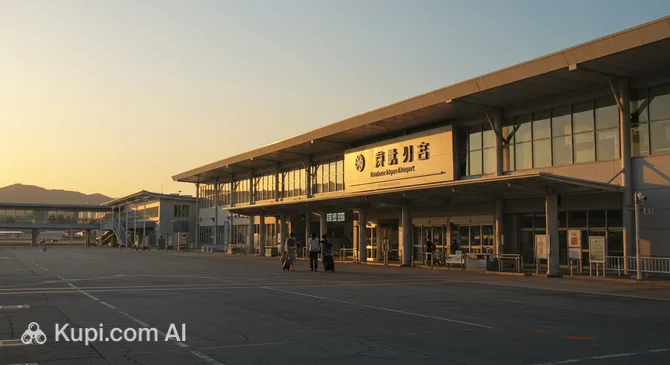
Iwakuni Airport
Iwakuni Airport. Иллюстрация. Источник: Kupi.com AI

The highlight of this location is its setting on the picturesque Nishiki River delta. The airport is unique for the harmonious coexistence of commercial flights and a naval aviation base. For travelers, it is more than just a transport facility; it is a symbol of technological progress closely linked to the region's historical heritage, including the famous five-arched bridge for which the airport was named.

The terminal building is compact with a thoughtful design, ensuring guests feel comfortable. There is none of the hustle and bustle of major metropolises here; instead, you can fully experience the Japanese hospitality known as "omotenashi." The airport actively promotes tourism, connecting the region with the country's major cities and opening the path to such treasures as Iwakuni Castle and the old samurai quarters.

Contacts

For flight schedules or more information about terminal services, you can use the official communication channels. Information desk staff are always ready to help tourists plan their onward journey through the prefecture.

How to contactContact
Address3-chōme-15-1 Asahimachi, Iwakuni, Yamaguchi 740-0024, Япония
Phone+81 827-29-3001
Websitewww.iwakuni-airport.jp

What to Do

While waiting for your flight or immediately after landing, be sure to visit the terminal's observation deck. This is a favorite spot for aviation enthusiasts, offering an excellent view of the runway. The flight dynamics here are impressive, and the proximity to the airbase adds a special flavor to the experience.

Don't miss the chance to experience local gastronomy right in the airport building. In the cafes and shops, you can find the famous Iwakunizushi — a unique square-shaped pressed sushi. This dish, prepared with mushrooms, vegetables, and fish, is considered a hallmark of the city. You'll also find a wide selection of souvenirs related to the famous bridge and samurai traditions.

For those who want to dive straight into history, the airport offers convenient logistics. From here, you can head directly to Iwakuni Castle or Kikko Park. If you are lucky enough to be here during the cherry blossom season, the route to the main attractions becomes an aesthetic pleasure in itself, showcasing the city in its most beautiful attire.

Getting There

Getting to this transport hub from the city center is quite easy. The airport is conveniently located in the Asahimachi district, just a few kilometers from the main residential areas. If you are arriving from other regions by train on the JR Sanyo Main Line, you should get off at Iwakuni Station, where regular buses and taxis run to the terminal.

For travelers coming from Hiroshima, the fastest option is to take the Shinkansen bullet train to Shin-Iwakuni Station. The journey takes about 30 minutes, after which you can catch Bus No. 1 or take a taxi for a 15–20 minute ride directly to the airport building.

If you prefer to travel by rental car, follow the Yamaguchi expressway. The drive from Hiroshima takes approximately 40 minutes. The location on the Nishiki River delta makes the approach quite scenic, offering views of the water and coastal landscapes.

Ближайший город: Iwakuni

History & Facts

The history of this location is inextricably linked to the region's geographical features. The airfield was established on the Nishiki River delta in the years leading up to the mid-20th century. Construction on reclaimed land fundamentally changed the landscape of this part of the city, turning a marshy area into an important transport and strategic hub.

Its second name — Iwakuni Kintaikyo Airport — was given in honor of the famous wooden Kintai Bridge, built in 1673. This bridge is a symbol of resilience: after a devastating typhoon in 1950, it was painstakingly restored by local craftsmen. Naming the airport after it emphasizes the continuity of traditions and the pride residents take in their heritage.

In its modern form, the airport serves as a unique example of shared infrastructure. The combination of civil aviation and the presence of the airbase makes it an important facility for connecting Yamaguchi Prefecture with the rest of the country, contributing to the economy and international tourism in the Chugoku region.

Time Needed

If you are using the terminal strictly as a transit point, 1–2 hours will be quite enough to check in, browse the small displays, and enjoy a cup of coffee with a view of the airfield. For aviation fans, this time may fly by thanks to the opportunity to watch takeoffs and landings.

However, we recommend using the airport as a starting point for a proper exploration of the city. In this case, it’s worth setting aside 4 to 6 hours to visit the legendary Kintai Bridge, stroll through Kikko Park, and head up to Iwakuni Castle, which towers majestically over the surroundings.

Working Hours

Iwakuni Airport welcomes passengers daily, providing steady connections with other regions of the country. The terminal is open from 06:00 to 22:00 seven days a week, which is convenient for both early departures and late arrivals.

Please note that the operating hours of individual cafes, souvenir shops, and airline ticket counters may differ from the airport's general hours. Before your trip, we recommend checking the latest information on the official website to plan your leisure or business visit in advance.

06:00–22:00

Nearby

Iwakuni is a city with a rich past, and the area around the airport is dotted with interesting locations. A walk through the surroundings will allow you to dive deeper into the atmosphere of the Japanese countryside and see monuments dedicated to different eras — from the samurai period to the events of the 20th century.

Near the terminal, you will find memorial markers, ancient ruins, and park zones that will perfectly complement your itinerary before departure or immediately after arrival.

NameDistance
Gator's Cajun Kitchen1.8 km
Kinjiro1.8 km
Iwakuni Shirohebi Shrine2.1 km
Shirasaki Hachiman Shrine2.4 km
Hachigamine Park Management Office4 km

Reached the end of the page?

That means the route is fully explored