Support

Hiroshima Botanical Garden

About

Imagine a green oasis sprawling across picturesque hills with breathtaking views of the Seto Inland Sea. The Hiroshima Botanical Garden is a massive natural complex located in the western part of Hiroshima. Since its opening in 1976, this garden has become a favorite spot for both scientists and travelers seeking tranquility.
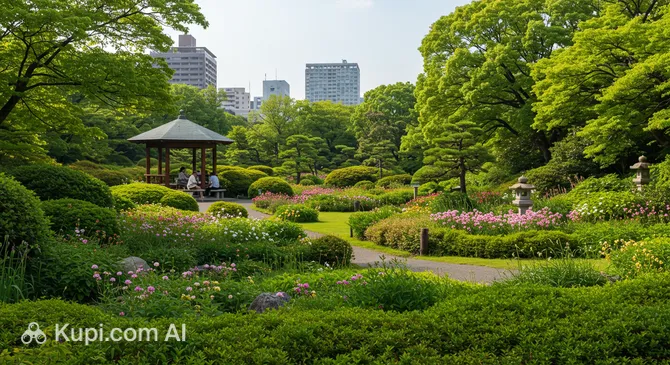
Hiroshima Botanical Garden
Hiroshima Botanical Garden. Иллюстрация. Источник: Kupi.com AI

The garden covers an area of about 18.3 hectares, home to more than 234,000 plants. This impressive collection, representing thousands of different taxa, makes the park one of the most important centers of biodiversity in Japan. Here, you can find both unique endemic species and exotic flowers from all over the world.

The garden's charm lies in its thoughtful landscape: from classic Japanese motifs to modern greenhouses. Walking along its paths, visitors can enjoy the changing seasons—which is elevated to an art form in Japanese culture—and see the rarest specimens of global flora in a natural and carefully recreated environment.

Contacts

For those planning a visit, we have prepared up-to-date contact information to help you find your way. You can explore additional details on the official website or call to clarify specific information before your trip.

Below are the main contact details for the park administration and precise coordinates for your navigator:

How to contactContact
Address3-chōme-495 Kurashige, Saeki Ward, Hiroshima, 731-5156, Japan
Phone+81 82-922-3600
Websitewww.hiroshima-bot.jp

What to Do

The main magnets for visitors are the six grand greenhouses, where eternal summer reigns year-round. Here, you can see unique collections of orchids, begonias, cacti, and fuchsias, as well as admire giant water lilies in the tropical pavilion. A walk through these zones turns into a real journey around the world across different climatic zones.

In addition to exotic sights, guests are offered educational routes including visits to the rock garden, the Japanese garden, and the phylogenetic area. For nature lovers, a pleasant bonus is the opportunity to observe local fauna: more than 50 species of birds inhabit the area, making the garden an excellent spot for birdwatching.

The garden also functions as an educational platform, frequently hosting specialized exhibitions and opening research laboratories to the public. This place is perfect for quiet nature contemplation, capturing beautiful photographs, and gaining a deep immersion into the world of botanical science.

Getting There

There are several ways to reach this green oasis located in the western part of the Saeki Ward. The most popular option for tourists is public transport: buses run regularly from the central city districts, dropping you off almost at the garden's entrance. The travel time from the center is usually about 30–40 minutes.

If you prefer comfort and speed, you can take a taxi directly from the train station or your hotel. For those traveling across the country in a rental car, convenient parking is provided, making a visit to the attraction as easy as possible for families with children.

Active travelers might consider renting a bicycle; however, keep in mind that the route may require some physical fitness due to the hilly terrain. In any case, the scenic road to the garden will be a pleasant start to your adventure.

Ближайший город: Hiroshima

History & Facts

The official opening of this majestic natural complex took place on November 3, 1976. From the very beginning, the project was envisioned not just as a park for strolling, but as a serious scientific base for studying the regional flora and preserving rare plant species.

Over the decades of its existence, the Hiroshima Botanical Garden has significantly expanded its boundaries and collections. It has become an important educational center where students and scientists conduct botanical research, and endemic plants of Honshu Island are carefully protected by specialists.

Interestingly, the garden is constantly evolving: new thematic zones appear regularly, and greenhouses are modernized. Today, it is rightfully considered one of the most significant botanical institutions in the country, harmoniously combining a scientific approach with the aesthetic perfection of Japanese garden art.

Time Needed

To leisurely explore all thematic zones, greenhouses, and enjoy the panoramic views of the Seto Inland Sea, it is recommended to set aside at least 2–3 hours for your visit. This time is sufficient for the main pavilions and a short walk along the paths.

If you are a true botany enthusiast, plan to visit the research locations, or want to have a small picnic in the designated areas, it is better to allocate half a day (3–4 hours). A relaxed pace will allow you to examine the unique collections of orchids and begonias in detail.

Working Hours

When planning your visit to the Hiroshima Botanical Garden, please take note of its operating schedule. The garden is open to visitors on Monday, Tuesday, Wednesday, Thursday, Saturday, and Sunday from 9:00 AM to 4:30 PM. It is important to remember that entry to the grounds closes 30 minutes before closing time, so it is best to arrive early.

Please be advised that the garden is closed every Friday for technical and gardening maintenance. The schedule may also change during public holidays, so it is recommended to check the official resources for the latest information before your trip.

DayWorking hours
Понедельник9:00 – 16:30
Вторник9:00 – 16:30
Среда9:00 – 16:30
Четверг9:00 – 16:30
ПятницаЗакрыто
Суббота9:00 – 16:30
Воскресенье9:00 – 16:30

Nearby

After a stroll among the exotic plants, you can continue your exploration of the region. Studying the surrounding areas will help you dive deeper into the city's atmosphere and discover many other interesting locations.

Below is a list of notable sites located relatively close to the garden that can be included in your travel itinerary:

NameDistance
Fureai Aquarium4.7 km
The Outlets Hiroshima5.1 km
Omotenashi Hostel Miyajima6.4 km
Organ-Za9.4 km
Hiroshima Peace Memorial Park9.6 km
Children's Peace Monument9.7 km
Hiroshima Peace Memorial Museum9.7 km

Reached the end of the page?

That means the route is fully explored