Support

Asa Zoo

About

If you are looking for a connection with nature on the outskirts of a major metropolis, Asa Zoo is an excellent choice. Located in the northern part of Hiroshima, this park spreads across a vast area of nearly 50 hectares among picturesque hills. It is one of the largest zoological institutions that Japan is proud of.
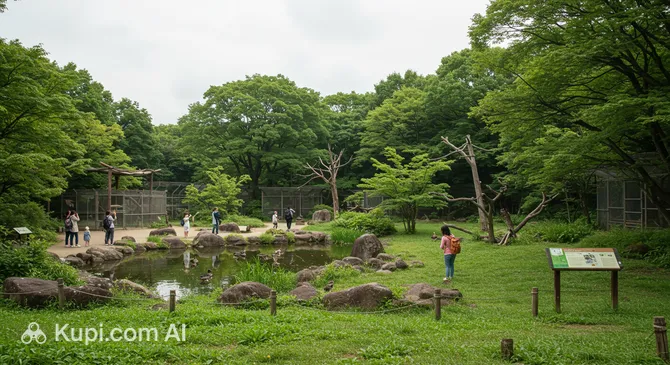
Asa Zoo
Asa Zoo. Иллюстрация. Источник: Kupi.com AI

Asa Zoo is more than just a place for a stroll; it is a true conservation hub. Conditions here are designed to be as close as possible to the natural habitats for hundreds of animal species. Visitors can encounter majestic Amur tigers, rare black rhinos, and charming red pandas.

A particular point of pride for the park is the unique breeding center for the Japanese giant salamander. These ancient, protected amphibians have become a living symbol of the zoo and an object of intense interest for scientists from all over the world.

Contacts

To find out more about special events or ticket prices, you can use the zoo's official communication channels.

How to contactContact
AddressDobutsuen Asacho, Asakita Ward, Hiroshima, 731-3355, Japan
Phone+81 82-838-1111
Websitewww.asazoo.jp

What to Do

The main activity at the zoo is observing animals in spacious enclosures that mimic their native ecosystems. Be sure to stop by the specialized Conservation and Breeding Center for the Japanese Giant Salamander. Here, you can see these mysterious "living fossils" and learn how Japanese specialists are helping to preserve the population of one of the largest amphibians on the planet.

For families with children, a walk through the park becomes a true adventure thanks to well-thought-out routes and relaxation zones. You can watch the giraffes having lunch or observe the antics of the playful red pandas, which are always a favorite among young visitors.

If your trip falls during the summer, don't miss the chance to experience the "Night Safari." This is a special program where the park stays open late. At dusk, nocturnal animals become much more active, and the cool evening air makes the stroll particularly pleasant. The evening zoo, with its illumination, is considered one of the most romantic spots for a date in the city.

Getting There

Asa Zoo is nestled in the picturesque hills of the northern Asakita district. You can reach it from the city center in several ways, using the address Dobutsuen Asacho, Asakita Ward, Hiroshima.

The most convenient option for tourists is public transport. Buses run regularly from the city center toward the zoological park. Alternatively, you can take a train or metro to the nearest major station and then transfer to a local bus route or take a taxi to save travel time.

For those who prefer to travel by car, the drive from the central districts takes about 30-40 minutes, depending on traffic. Parking spaces for visitors are available on the park grounds.

Ближайший город: Hiroshima

History & Facts

The history of this site began on September 1, 1971, when it officially opened its doors to visitors, becoming the 62nd zoo in the country. Since its founding, the institution has been managed by the city hall and has aimed not only to entertain citizens but also to conduct serious scientific work.

A true international triumph came to the park's specialists in 1979. It was here that, for the first time in the world, they successfully bred the Japanese giant salamander—originally born in the wild—in captivity. This success transformed the zoo into a leading center for the study of rare amphibians.

One of the most famous residents in the park's history was a female salamander named Igaguri. She was born within the institution in 1980 and became world-renowned in the scientific community, setting a record as the oldest individual of her species to continue producing offspring at a very venerable age.

In recent decades, the park has continued to evolve, adapting to climate changes. To attract guests during the hot summer months, the management introduced an evening visiting format, which quickly became a beloved city tradition.

Time Needed

When planning a visit to this spacious natural corner, keep in mind its impressive area of 49.6 hectares. To leisurely walk past the main enclosures and enjoy the hilly trails, we recommend setting aside at least 3–4 hours.

If you plan to study the exhibits at the Japanese Giant Salamander Conservation and Breeding Center in detail or have a bite at the local cafe, your stay may extend to a full day. During the summer, when the Night Safari is held, many tourists prefer to arrive closer to noon to experience both the daytime and nighttime programs.

Working Hours

The zoo is ready to welcome guests most of the week. Please take note of the operating schedule so your visit goes as planned:

Monday — Wednesday: 09:00 – 16:30
Thursday: Closed
Friday — Sunday: 09:00 – 16:30

Please note that entry to the park ends 30 minutes before closing. Additionally, the zoo is closed during the holiday period from December 29 to January 1. In the summer months, during the "Night Safari" events, the opening hours are extended, allowing you to enjoy watching the animals after sunset.

DayWorking hours
Понедельник9:00 – 16:30
Вторник9:00 – 16:30
Среда9:00 – 16:30
ЧетвергЗакрыто
Пятница9:00 – 16:30
Суббота9:00 – 16:30
Воскресенье9:00 – 16:30

Nearby

After a walk among exotic animals, you can continue exploring the cultural and historical heritage of the region. The zoo's proximity to key locations allows you to create a packed itinerary for the whole day.

Exploring the surroundings will give you the opportunity to see both medieval fortress walls and touching memorials that remind us of the importance of world peace.

NameDistance
Hiroshima Castle10.5 km
The Outlets Hiroshima10.5 km
Shukkeien Garden10.9 km
Hiroshima Green Arena10.9 km
Hiroshima Prefectural Art Museum11 km
Hiroshima Museum of Art11 km
Organ-Za11.1 km

Reached the end of the page?

That means the route is fully explored