Support

Children's Peace Monument

About

Located in the heart of the picturesque Peace Memorial Park, the Children's Peace Monument is one of the most touching memorials Japan has to offer. This historical landmark in the city of Hiroshima features a tall statue of a girl holding a paper crane above her head, embodying dreams of a bright future and harmony.
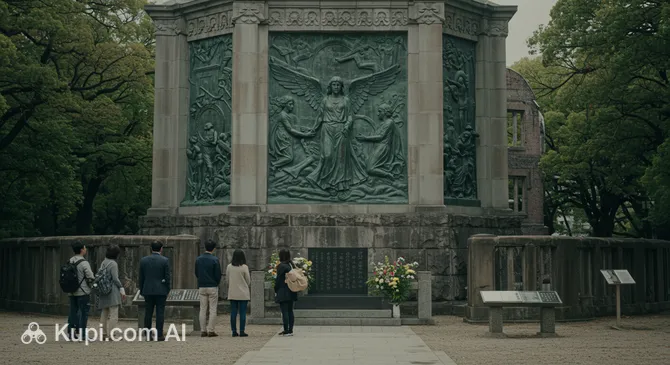
Children
Children's Peace Monument. Иллюстрация. Источник: Kupi.com AI

The monument was erected in memory of Sadako Sasaki and all the children whose lives were changed following the atomic bombing. Sadako's figure has become a worldwide symbol of hope, and the tradition of folding origami has turned into an international movement for peace. Today, this site attracts thousands of people wishing to pay their respects and express their desire for global harmony.

Surrounded by the park's greenery, the monument serves not only as a reminder of the past but also as an important cultural landmark. School field trips and tourists from all corners of the globe come here to see the bright garlands of paper birds, which are refreshed daily by visitors bringing their own offerings as a sign of solidarity.

Contacts

For details on visiting or additional information about the memorial, you can reach out via official communication channels. Please note that the monument is managed by city services that ensure the preservation of this important historical site.

How to contactContact
Address1 Nakajimacho, Naka Ward, Hiroshima, 730-0811, Japan
Phone+81 82-242-7831
Websitehiroshimaforpeace.com

What to Do

The first thing to do is walk to the very base of the memorial to see the statue of Sadako and read the inscription calling for peace throughout the world. You will see large transparent boxes filled to the brim with millions of colorful origami sent by children from many different countries. This sight leaves no one indifferent.

Many visitors choose to prepare in advance or fold their own paper crane right on the spot to leave it at the foot of the monument. This is an ancient Japanese tradition that has become an act of personal contribution to the cause of peace here. Participating in this ritual helps you better feel the connection to history and sense that you are part of something larger.

After visiting the monument, be sure to take a stroll through Peace Memorial Park. The park grounds are filled with other significant sites and memorials that together create a powerful educational and emotional experience. It is an ideal place for those seeking inspiration and wanting to learn more about the cultural values of modern Japanese people.

Getting There

Reaching this memorial site in the city center is quite simple thanks to the developed transport system. The most popular way is to take the tram (routes 2 or 6) from the main station to the Genbaku-Domu-mae or Chuden-mae stops, from where the park is just a few minutes' walk away.

If you prefer comfort, you can take a taxi from any part of the city. For those who enjoy active recreation, bicycle rental is an excellent option, as the area around the park is flat and equipped with convenient paths. The exact address for your navigator is: 1 Nakajimacho, Naka Ward, Hiroshima, 730-0811, Japan.

Ближайший город: Hiroshima

History & Facts

The monument was unveiled on May 5, 1958, coinciding with the national holiday — Children's Day. Funds for its construction were raised by the "whole world": Japanese schoolchildren and classmates of a girl named Sadako Sasaki organized a fundraising campaign that spread across the entire country. The monument project was brought to life by talented artists Kazuo Kikuchi and Kiyoshi Ikebe.

The story of Sadako Sasaki became known far beyond the country's borders. Having fallen ill with leukemia years after the tragic events, she believed in an ancient legend: if you fold one thousand paper cranes, your heart's desire for recovery will surely come true. Although the girl managed to finish her work, the illness proved stronger, and Sadako passed away at the age of 12, becoming a symbol of resilience and hope.

Today, this monument is dedicated not only to one girl but to all children whose lives were affected by the catastrophe. It reminds humanity of the fragility of life and the importance of striving for peaceful coexistence. Every element of the composition is imbued with deep meaning and a call for a future without conflict.

Time Needed

Travelers typically spend about 20–30 minutes viewing the monument itself, but we recommend scheduling at least 2 hours in your itinerary. This will provide enough time to leisurely stroll along the paths, examine the glass cases containing thousands of colorful cranes, and feel the special energy of this place.

If your goal is to explore the entire park complex in detail, including the museums and neighboring memorials, it is worth setting aside half a day or even a full day. The area invites long reflection and quiet contemplation, so there is no need to rush.

Working Hours

Good news for travelers: the area where the monument is located is accessible 24/7. You can visit either early in the morning or late in the evening, when special lighting gives the memorial a particularly solemn atmosphere.

While the park itself is open 24 hours a day, seven days a week, please keep in mind that information centers and nearby museums operate on a fixed schedule (usually from 8:30 AM to 6:00 PM). For the most comfortable viewing and the chance to see crane-laying ceremonies, it is best to choose daylight hours.

Круглосуточно

Nearby

A walk around the memorial will allow you to immerse yourself deeper in the city's atmosphere and see other iconic sites. Exploring these places will help you better understand the cultural and historical context of the region, combining memorial zones and picturesque gardens into one route.

NameDistance
Hiroshima National Peace Memorial Hall for the Atomic Bomb Victims0.1 km
Hiroshima Peace Memorial Park0.2 km
Hiroshima Atomic Bomb Hypocenter0.2 km
Hiroshima Orizuru Tower0.2 km
Nagataya0.2 km
Hiroshima Peace Memorial (Atomic Bomb Dome)0.2 km
Hiroshima Peace Memorial Museum0.3 km

Reached the end of the page?

That means the route is fully explored