Support

Sakai Traditional Crafts Museum and Knife Shop

About

The Sakai Traditional Crafts Museum (also known as Sakai Denshokan) is a unique destination where the rich history and cultural heritage of the city of Sakai come to life. The museum is dedicated to the centuries-old manufacturing traditions that made this region famous not only in Japan but far beyond its borders.
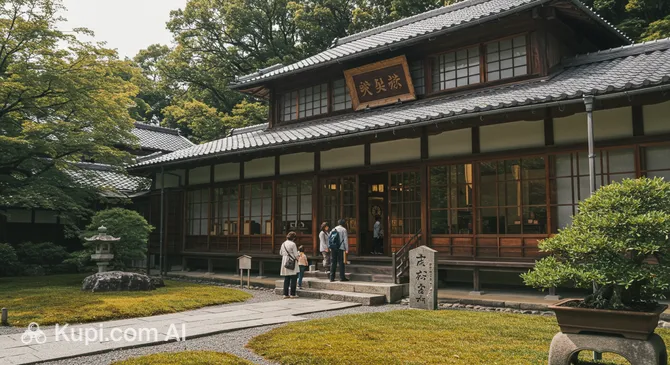
Sakai Traditional Crafts Museum
Sakai Traditional Crafts Museum. Иллюстрация. Источник: Kupi.com AI

The museum halls offer a fascinating retrospective of local industries. Special attention is given to the production of famous Japanese knives and blades, as well as bicycle components and products made from kelp (seaweed), which is a vital element of national cuisine. Here, you can see how ancient technologies are harmoniously integrated into modern life.

Sakai was once called the “Venice of the East” due to its status as a leading trade center. The museum's exhibits reflect this contribution to Japanese culture, demonstrating the close link between craftsmanship and the art of the tea ceremony, incense production, and traditional sweets.

Contacts

For more information regarding special exhibitions or workshops, you can contact the museum administration directly.

How to contactContact
Address1-chōme-1-30 Zaimokuchōnishi, Sakai Ward, Sakai, Osaka 590-0941, Japan
Phone+81 72-227-1001
Websitewww.sakaidensan.jp

What to Do

Inside the museum, visitors can do more than just view finished masterpieces; they can immerse themselves in the creation process. One of the highlights is the chance to watch a blacksmithing demonstration: here, you can see how a piece of metal is transformed into an impeccably sharp knife, world-renowned for its quality.

In addition to exploring blades and tools, guests can learn about the history of bicycle manufacturing and discover the secrets of kelp harvesting. The exhibits are interactive and visual, providing a better understanding of the complexity and aesthetics of each craft passed down from generation to generation.

To round out the cultural experience, visitors can relax at an old-fashioned confectionery located nearby or within the museum complex. There, you can sample traditional Japanese sweets that have been made specifically for the city's tea masters for centuries—a delightful conclusion to your journey into the world of tradition.

Getting There

Finding your way to the Sakai Traditional Crafts Museum is quite simple, as it is conveniently located at 1-chōme-1-30 Zaimokuchōnishi, Sakai Ward. The city's well-developed transport network makes it easy for both locals and tourists to reach the destination.

If you prefer public transport, take a train to the nearest stations, which are within walking distance of the museum. For those who value time and a more direct route, a taxi from central districts or major railway hubs is an excellent option.

A short walk from the nearest subway station or bus stop allows you to further enjoy the atmosphere of the old city, where modern buildings stand alongside historical structures. Look for signs for the Sakai Denshokan cultural center to guide you.

Ближайший город: Sakai

History & Facts

The origins of craftsmanship in Sakai date back to the medieval period. During that era, the city flourished as an independent trading port, often compared to Venice because of its significance in international commerce. It was a crossroads for trade routes, which spurred the rapid development of technology and the arts.

There is a famous Japanese saying: “Everything begins with Sakai.” This highlights the city's historical role as an innovation hub where many manufacturing techniques—from metal forging to the creation of exquisite sweets for the tea ceremony—were first introduced to Japan.

Notably, many modern, world-renowned brands of bicycles and professional kitchen knives trace their lineage back to the ancient armorers of Sakai. Master craftsmen who once created the finest samurai swords adapted their skills for peaceful purposes, preserving the legendary quality and sharpness of their products.

Today, the museum carefully preserves these traditions, illustrating how industries like kelp processing or incense making became integral to the region's identity. Each exhibit is a tribute to generations of masters who passed their secrets down through the centuries.

Time Needed

To leisurely explore all the halls and study the exhibits in detail, a typical visitor will need about half a day. This is enough time to get acquainted with the main crafts and perhaps catch a live demonstration by the masters.

If you have a deep interest in the history of Japanese daily life or plan to spend time carefully selecting professional knives at the local shop, it is better to set aside a bit more time. The museum encourages thoughtful exploration, so there is no need to rush.

Working Hours

The museum welcomes visitors daily, making it easy to include in any travel itinerary. The operating schedule remains consistent throughout the week:

The museum doors are open from 10:00 AM to 6:00 PM, Monday through Sunday. This steady schedule allows you to plan your visit for either a weekday or the weekend.

10:00 – 18:00

Nearby

A visit to the museum is just one part of exploring the region's rich heritage. A stroll through the surrounding area will reveal many other historical and cultural landmarks that complete the picture of life in this ancient trading center.

NameDistance
Nankai Grill Naka0.1 km
Bicycle Museum Cycle Center0.8 km
Sakai Performing Arts Center1.2 km
Hochigai Shrine1.3 km
Old Sakai Lighthouse1.7 km
Sakai Alphonse Mucha Museum1.8 km
Daisen Park Japanese Garden2.6 km

Reached the end of the page?

That means the route is fully explored