Support

Nanzen-ji Suirokaku

About

In the eastern part of the ancient capital, Kyoto, lies a hidden architectural gem that looks as though it was transported from classical Europe. The Nanzen-ji Aqueduct (known as Suirosaku) is a historic brick structure located on the grounds of the Zen Buddhist temple of the same name. Built in 1890, it became a striking symbol of the Meiji era, a time when Japan was actively embracing Western technology and engineering.
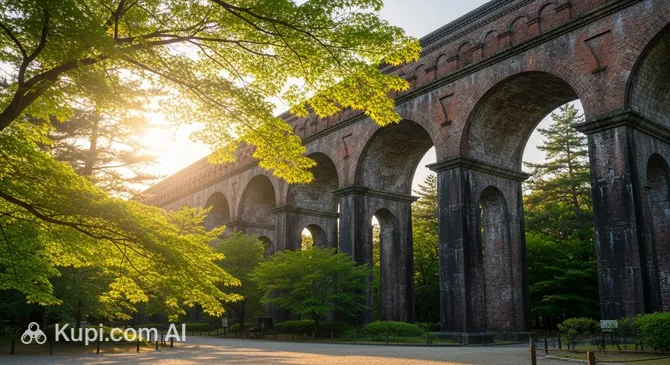
Nanzen-ji Aqueduct
Nanzen-ji Aqueduct. Иллюстрация. Источник: Kupi.com AI

This majestic structure is an arched bridge over 93 meters long, designed by the Japanese engineer Sakuro Tanabe. Despite its functional purpose—the aqueduct is part of the Lake Biwa Canal and still supplies water to the city—it looks like a natural extension of the monastery landscape. The combination of red brick covered in emerald moss and traditional temple architecture creates a unique visual contrast.

For many travelers, the Nanzen-ji Aqueduct is, above all, one of the most photogenic spots in Japan. Its Roman-style arches form an endless perspective that changes with the seasons, whether it’s the delicate haze of spring cherry blossoms or the fiery colors of autumn momiji maples. It is a place where the industrial power of the last century has transformed into an object of quiet contemplation and aesthetic admiration.

Contacts

To clarify current visiting rules for the Nanzen-ji Aqueduct or to inquire about professional filming, you can use the official contact details. Although the site does not have dedicated social media pages, its status is maintained by the city administration and the temple complex.

How to contactContact
AddressНандзендзи Фурояматё, Sakyo Ward, Киото, 606-0000, Япония
Phone+81 75-771-0365
Websitebiwakososui.city.kyoto.lg.jp

What to Do

The main activity for visitors to the Nanzen-ji Aqueduct remains photography. This location is considered one of the most "Instagrammable" spots in Japan, thanks to its rhythmic arches that create stunning depth in every shot. You can stroll under the massive vaults, watching the sunlight play on the weathered brickwork, and find your own unique angle for a picture.

A particular pleasure is walking along the top of the aqueduct, where you can hear the meditative murmur of water flowing toward the city. The atmosphere of tranquility is particularly strong here: the sounds of nature blend with the quiet splashing, creating the perfect conditions for a brief escape from the urban hustle. Be sure to notice how the landscape changes: in spring, soft pink hues prevail, while in autumn, the aqueduct is literally submerged in bright red maple leaves.

Since Suirosaku is located within a vast complex, do not limit yourself to just the aqueduct. After your visit, it is worth climbing the massive wooden Sanmon Gate for a panoramic view of Kyoto, or visiting the Hojo Gardens, where masterfully arranged stones and white sand invite reflection on the eternal. This is a place where, in one visit, you can experience both engineering genius and the spiritual traditions of Zen Buddhism.

Getting There

You can find this architectural masterpiece in eastern Kyoto, in the picturesque Sakyo district. The structure is located directly on the grounds of the Nanzen-ji temple complex, nestled at the foot of the forested mountains. The most convenient way to get here is via the modern subway system.

Take the Tozai Line to Keage Station. From the exit, it is a 5–10 minute leisurely walk following the signs to the temple. Additionally, city buses run regularly to this area, with stops located within walking distance of the main complex gates.

If you prefer maximum comfort or are traveling in a large group, you can take a taxi. The ride from Kyoto Central Station takes about 15–20 minutes, depending on traffic. The exact address for navigation is: Nanzenji Furoyamacho, Sakyo Ward, Kyoto, 606-0000, Japan.

Ближайший город: Kyoto

History & Facts

The history of this unusual structure for traditional Japan began in 1890. The Nanzen-ji Aqueduct, known locally as Suirosaku, was built as a critical component of the Lake Biwa Canal system. Its primary purpose was to transport water and goods between the neighboring Shiga Prefecture and the rapidly developing Kyoto during the Meiji era.

Surprisingly, the project was led by a very young Japanese engineer named Sakuro Tanabe, who was only 22 years old at the time. The young specialist was guided by a bold philosophy: he believed that “every architectural structure should be perfect from every point of view.” This pursuit of perfection allowed him to harmoniously integrate the massive brick construction into the delicate aesthetics of the Buddhist monastery.

The construction was carried out with an immense sense of responsibility. Building an industrial site on the sacred grounds of one of the country's most revered temples sparked significant debate. Tanabe was prepared to take personal responsibility for any failure, but the result exceeded expectations: over time, the European-style arches became covered in noble moss and became an integral part of the landscape.

Today, Suirosaku is officially recognized as a Kyoto Historical Monument. It serves as a living reminder of Japan's modernization period, when Western technologies began to intertwine with ancient traditions, creating the unique cultural code that we can observe today.

Time Needed

For those who just want to see the famous aqueduct and take a few atmospheric "social media" shots, 30 to 60 minutes will suffice. The structure is quite compact, and viewing it doesn't take much time if you don't venture further up the surrounding slopes.

However, we strongly recommend treating the Nanzen-ji Aqueduct as part of a larger exploration of the entire temple complex. To see the majestic Sanmon Gate, visit the Hojo quarters, and enjoy the silence of the famous rock gardens, you should set aside at least 2–3 hours in your schedule.

During peak tourist seasons (especially during cherry blossom or autumn maple leaf season), your stay may be longer due to the many visitors waiting to capture the perfect shot. Arrive early to enjoy the magic of this place without the extra hustle and bustle.

Working Hours

The Nanzen-ji Aqueduct itself is open for viewing 24/7—you can visit at any time of day or night, as it is located in the open air within the park area of the complex. However, to take the best photos and ensure your safety, we recommend planning your visit during daylight hours.

Keep in mind that other sites within the temple grounds (such as the interior gardens and pavilions) have their own strictly defined operating hours. It is recommended to check the current schedule on the official website in advance if you are planning a full tour of all the complex's attractions.

Круглосуточно

Nearby

The area surrounding Nanzen-ji Temple is rich with interesting locations, and a short walk from the aqueduct can lead you to wonderful discoveries. Exploring the neighborhood allows you to better appreciate the contrast between the silence of ancient gardens and the energy of modern entertainment centers.

Below are some interesting places to visit while in this part of the city or when planning your further journey:

NameDistance
Ninenzaka Yasaka Chaya1.8 km
Hikiniku to Come1.9 km
The Hotel Seiryu Kyoto Kiyomizu2 km
Kiyomizu-dera2 km
Kitsune Kyoto2.1 km
The Pink Kyoto2.2 km
Kyoto BAL2.3 km

Reached the end of the page?

That means the route is fully explored