Support

Imperial Palace East National Gardens

About

In the heart of the bustling metropolis of Tokyo lies a green oasis of tranquility and grandeur — the Imperial Palace East Gardens. This picturesque national park, located on the grounds of the official residence of the Emperor of Japan, occupies the site of the former Edo Castle — the main citadel of the Tokugawa shogunate. Surrounded by massive stone walls and deep moats, the gardens are a harmonious blend of austere feudal architecture and refined landscape art.
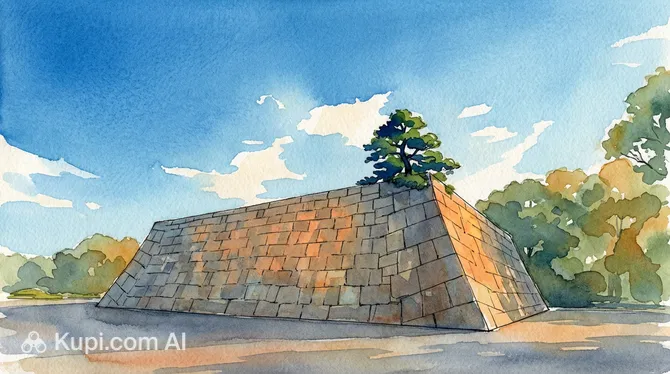
Imperial Palace East Gardens. Illustration.
Source: Kupi.com AI

Traveler photos:

The park grounds, covering approximately 210,000 square meters, were opened to the public in 1968. Here, visitors can see the ruins of the castle's main tower, the foundation of which is preserved atop the central hill, and walk along manicured paths lined with trees from every prefecture in the country. The traditional Japanese Ninomaru Garden, with its ponds, tea house, and stone pagodas, creates an atmosphere of peace, allowing you to forget the pace of the modern capital.

In addition to the historical fortifications and Edo-period pavilions, the East Gardens are famous for their seasonal beauty: from the delicate blooming of sakura and azaleas to the brilliant crimson of autumn leaves. Thanks to its high ratings and free admission, this location has become a favorite spot for travelers wishing to experience the spirit of Imperial Japan and connect with the centuries-old heritage of the Land of the Rising Sun.

Contacts

Before planning your visit to the Imperial Palace East Gardens, we highly recommend checking the current opening hours on the official website or by phone. As this is government property, access may be restricted due to official ceremonies or special events involving the Imperial family.

How to contactContact
Address1-1 Chiyoda, Chiyoda City, Tokyo 100-8111, Japan
Phone+81 3-3213-2050
Websitewww.kunaicho.go.jp

What to Do

A visit to the East Gardens is, first and foremost, an opportunity for a meditative stroll amidst historical settings. Be sure to climb the massive stone foundation of the main Edo castle tower: from here, you will find an impressive view of the palace lawns contrasting with the modern skyscrapers. Exploring the preserved defensive structures and gates, such as Otemon, will make you feel like a witness to the samurai era.

Flora enthusiasts should visit the Ninomaru garden, which recreates the atmosphere of a classic Edo-period Japanese garden with its winding paths and quiet ponds. Depending on the season, you might catch hanami (cherry blossom viewing), the vibrant blooming of irises in June, or the red maple season known as "momiji" in November. The spacious lawns of the former Honmaru citadel are perfect for taking a break and enjoying the silence in the shade of century-old trees.

Do not miss the chance to visit the Museum of the Imperial Collections (Sannomaru Shozokan), which houses unique works of art, calligraphy, and antique kimonos. The Tokagudo Music Hall, with its unusual mosaic roof, often hosts concerts, adding cultural depth to your walk. This location is equally suitable for solo contemplation and outdoor family leisure.

Getting There

The Imperial Palace East Gardens are located in the heart of Tokyo at 1-1 Chiyoda, Chiyoda City. Getting here by public transport is easy: the nearest entrance is the Otemon Gate, which is just a few minutes' walk from Otemachi Station (Marunouchi, Chiyoda, Tozai, and Mita lines). You can also walk in 10–15 minutes from the central exit of Tokyo Station, enjoying the views of the modern skyscrapers in the Marunouchi district.

If you prefer JR rail lines, take the Yamanote line to Tokyo or Yurakucho stations. For those arriving by taxi, use the address or coordinates 35.6867824, 139.7571445. A trip from popular districts like Ginza or Akihabara will take about 10 minutes, while a walk from the same areas takes between 20 and 30 minutes.

Please note that parking near the palace is extremely limited, so using Tokyo's extensive metro network is the most convenient option. Visitors enter through historic gates such as Otemon, Hirakawa-mon, or Kitahanebashi-mon, where a security check is conducted.

Nearest city: Tokyo

History & Facts

The history of this land is inextricably linked to the power of the samurai and the birth of modern Japan. In the late 15th century, the foundation of the first castle was laid here, but the site achieved true greatness under Tokugawa Ieyasu, who made Edo his residence in the 1590s. For over 250 years, Edo Castle remained the center of the shogunate's power, surrounded by impenetrable walls and deep moats that symbolized the might of the Tokugawa dynasty.

A major turning point occurred in 1868 during the Meiji Restoration. The Emperor moved from Kyoto to Edo, which was renamed Tokyo ("Eastern Capital"), and the ancient castle became the Imperial residence. Unfortunately, many original buildings, including the grand main castle tower, were destroyed by fires as early as the 17th century or damaged during the 1945 bombings, but the spirit of the feudal era is carefully preserved in the surviving gates and massive stonework.

The modern appearance of the East Gardens took shape in the 1960s when the government decided to reconstruct the eastern part of the palace grounds. In 1968, the gardens officially opened to the public, becoming a gift to the residents and visitors of the capital. Today, it is a unique example of how a peaceful national park has flourished on the foundation of an ancient fortress, accessible to everyone wishing to touch the history of a great empire.

Time Needed

To leisurely walk through the main paths of the East Gardens, explore the ruins of Edo Castle, and enjoy the tranquility of the Ninomaru pond, it is recommended to allow 1.5 to 3 hours. If you plan to visit the Museum of the Imperial Collections or take many photos of the historical gates, it is better to schedule your visit for the first half of the day.

The duration of your walk largely depends on the season. During the cherry blossom season in spring or the vibrant transformation of maples in autumn, visitors tend to spend much more time here, taking small breaks on the spacious lawns. Keep in mind that the territory is quite extensive—about 21 hectares—so comfortable shoes are the key to an enjoyable visit.

Working Hours

When planning your walk, keep in mind that the Imperial Palace East Gardens operate on a strict schedule: they are generally open from Tuesday to Sunday, from 9:00 AM to 4:00 PM, with the last entry permitted until 3:30 PM. In the summer months, opening hours may be extended until 5:00 PM or 5:30 PM, while in winter they may be shorter, so it is always helpful to check for the current season.

Please note that the gardens are traditionally closed to the public on Mondays and Fridays. Access to the grounds is also restricted during the New Year holidays (from December 29 to January 3) and may be temporarily closed in the event of a storm warning or during official state events.

DayWorking hours
MondayClosed
Tuesday9:00 – 16:00
Wednesday9:00 – 16:00
Thursday9:00 – 16:00
FridayClosed
Saturday9:00 – 16:00
Sunday9:00 – 16:00

Nearby

Its location in the historical center of Tokyo makes a visit to the gardens an excellent starting point for further exploration of the city. Very close by is the Tokyo Imperial Palace itself, whose majestic appearance is complemented by the famous Otemon Gate, which once served as the main entrance to the shogun's castle.

For those who wish to switch from contemplating nature to exploring art, the National Museum of Modern Art is within walking distance. A stroll around the area allows you to see the contrast between ancient defensive moats and the ultra-modern architecture of the Marunouchi district, providing a complete impression of the many facets of the Japanese capital.

NameDistance
Tokyo Imperial Palace0.4 km
Nijubashi Bridge0.8 km
teamLab Borderless3 km
Suga Shrine3.1 km
The National Museum of Western Art3.6 km
National Museum of Nature and Science3.7 km
Tokyo National Museum4 km

Reached the end of the page?

That means the route is fully explored