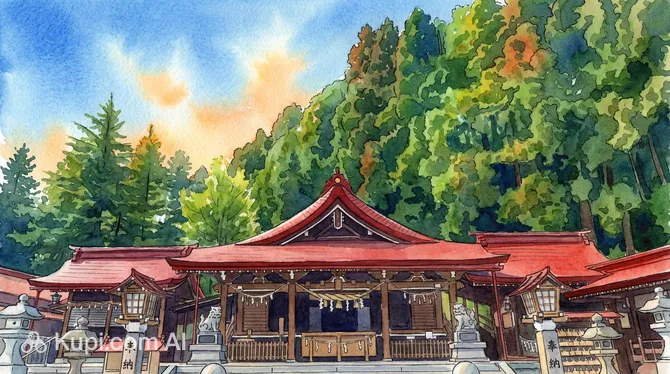
Kanahebisui Shrine is a stunning Shinto shrine tucked away in the picturesque city of Iwanuma, Miyagi Prefecture. Located on the island of Honshu in Japan, this site attracts those seeking not only spiritual solitude but also material well-being.
Kanahebisui Shrine. Illustration.
Source: Kupi.com AI
Traveller photos:
The shrine is dedicated to a deity that, in Japanese tradition, is responsible for financial luck and business prosperity. It is believed that sincere prayer within these walls helps in commercial ventures and brings success in business. The name Kanahebisui emphasizes its connection to wealth and earthly goods, making it an important point on the map of religious pilgrimage.
Beyond its spiritual significance, Kanahebisui Shrine is famous for its elegant architecture and atmosphere of absolute tranquility. It holds an important place in the local culture of the Miyagi region, harmoniously blending ancient Shinto rites with modern visitors' hopes for success and prosperity.
Contacts
When planning your visit to Kanahebisui Shrine in the city of Iwanuma, we recommend checking the latest information in advance to ensure your trip is as comfortable as possible. This will help you avoid any inconveniences and fully enjoy the peaceful atmosphere in Japan.
Below are the main contact details and the exact location of this important spiritual center for the residents of Miyagi Prefecture.
At Kanahebisui Shrine, visitors can immerse themselves in the atmosphere of traditional Japan by performing rituals to the deity of prosperity. One of the main traditions here is praying for success in business: believers make symbolic offerings, hoping for the kami's favor in financial matters. This is an excellent opportunity to see living Shinto religious practice away from the noisy metropolises.
A stroll through the well-kept grounds of the shrine in Iwanuma allows you to enjoy the details of Eastern architecture and the peace of the surrounding landscape. For the convenience of travelers arriving by car, a spacious parking lot is provided. A visit to the shrine can easily be combined with exploring other attractions in Miyagi Prefecture, while enjoying the local flavor and hospitality.
Getting There
Reaching Kanahebisui Shrine is easy by both public transport and car. The shrine is located at 7 Suijin, Sanshokuyoshi, Iwanuma. If you prefer the railway, the nearest point is Iwanuma Station (JR Tohoku Main Line), from which a walk to the shrine takes about 40 minutes.
For those looking to save time, Iwanuma City Buses run regularly from the station. The bus ride takes about 15 minutes, followed by just a 5-minute walk to the main entrance. If you are traveling through Japan in a rental car, there is a large parking lot with 430 spaces available on the shrine grounds.
Nearest city: Iwanuma
History & Facts
Kanahebisui Shrine is rooted in the deep past of the Shinto tradition. For many centuries, it has served not just as a place of prayer, but as a true spiritual stronghold for the residents of Iwanuma. Honoring deities that grant luck in trade and financial matters is an essential part of Japanese culture, reflecting the people's eternal desire for harmony between the spiritual and material worlds.
The tradition of venerating forces that ensure prosperity dates back to ancient Japanese beliefs, where certain kami (deities) were associated with fertility and wealth. Today, the shrine continues to serve as a guardian temple, providing invisible protection and blessings to the entire region. Interestingly, in Shinto, the snake often acts as a messenger of the gods, which is reflected in the symbolism of this site.
The shrine remains an active center of religious life to this day. It attracts pilgrims from all over the country who wish to secure the support of higher powers in their commercial endeavors. The history of this place is inextricably linked to the development of Japan as a trading nation, where spiritual blessing has always been considered a key to a successful business.
Time Needed
For a thoughtful introduction to Kanahebisui Shrine in Iwanuma, 30 to 60 minutes is usually sufficient. This time is enough to see the main buildings, participate in simple rituals, and feel the quiet energy of the place.
If you decide to stay longer to study the architectural elements in more detail or simply to take a break from the hustle and bustle in Japan, plan your visit with a bit of extra time. You should also account for travel time, especially if you are walking from the train station.
Working Hours
Kanahebisui Shrine welcomes guests daily, including weekends and holidays. The shrine gates are open from 08:30 to 16:00, allowing you to choose a convenient time for a visit during daylight hours. Given the calm pace of life in Iwanuma, the morning hours are ideal for visiting in an atmosphere of maximum peace.
Seven days a week, the shrine doors are open to pilgrims and tourists traveling through Japan. It is recommended to plan your arrival in advance to ensure you have time to finish your sightseeing and rituals before the complex closes at 16:00.
08:30–16:00
Nearby
The area around Kanahebisui Shrine offers many interesting spots to complement your journey through Miyagi Prefecture. Nearby, within the city of Iwanuma, lies another significant spiritual site — Takekoma Shrine, known for its ancient history and devotion to the deity Inari. Exploring these two shrines in one day allows for a deeper understanding of the region's religious landscape.
After strolling through the temple complexes, you can stop by the local Arakawa Noodle Shop to try authentic dishes, or head to Rinku Park near Sendai Airport. Such a variety of experiences will make your trip to Iwanuma truly rich and memorable.