Support

Suga Shrine Otokodan

About

Nestled in the historic Yotsuya district, Suga Shrine is a jewel of Tokyo, where time seems to slow down. Founded in 1634 during the Edo period, this Shinto shrine is dedicated to the deities Susanoo-no-Mikoto and Ukanomitama-no-Mikoto, who protect Japan from disasters and bring good fortune in business.
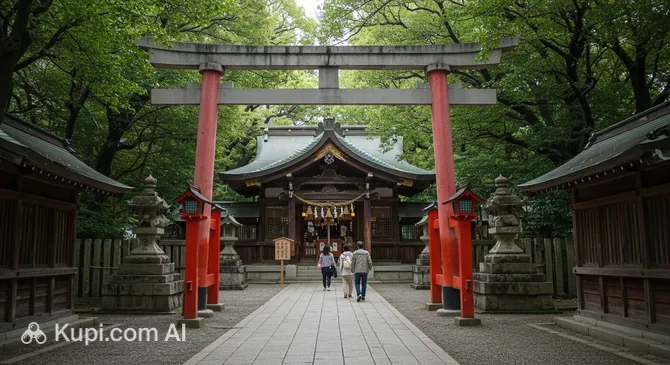
Suga Shrine
Suga Shrine. Иллюстрация. Источник: Kupi.com AI

Despite its modest size, the shrine possesses immense cultural significance. It is known not only for its ancient architecture and valuable relics but also for its status as a modern cultural phenomenon. This is where the famous staircase with red railings is located, which became an iconic spot for travelers from around the world after appearing in the final scenes of the anime "Your Name."

Today, Suga Shrine is a rare example of a harmonious blend of ancient traditions and modern popularity. Visitors can expect an atmosphere of tranquility, ancient trees, and the chance to touch the living heritage of the old city in the heart of a dynamic metropolis.

Contacts

To contact the administration of Suga Shrine and inquire about traditional ceremonies, you can use the details provided below. Please note that the shrine maintains traditional communication channels.

How to contactContact
Address5-6 Sugachō, Shinjuku City, Tokyo 160-0018, Япония
Phone+81 3-3351-7023
Websitesugajinjya.or.jp

What to Do

A visit to Suga Shrine is primarily an opportunity to connect with the living traditions of Shintoism. Here, you can perform classic rituals: perform the ritual purification of hands, offer a prayer, and make your most cherished wish. Be sure to notice the ema—wooden plaques where visitors leave their requests to the gods—and omikuji—paper fortunes, which are available here in English as well.

The main magnet for photographers and anime fans is the Otokozan staircase. Its bright red railings against the backdrop of the cityscape create a stunning visual accent. After your photo session, stop by the shrine shop to purchase unique souvenirs: goshuin seals, bookmarks, and special amulets dedicated to the theme of the famous animated film.

If your trip coincides with the beginning of June, don't miss the chance to witness the Suga Matsuri festival. During these days, the grounds are transformed: solemn processions take place, sacred kagura dances are performed, and the air is filled with the sounds of traditional music and the aromas of street food, allowing guests to fully immerse themselves in Japan's festive culture.

Getting There

The easiest way to reach Suga Shrine is by public transport. The most convenient route is to go to Yotsuya Station, which is served by the JR Chuo and Nambu lines, as well as the Marunouchi and Tokyo Metro Namboku subway lines. From exits 4A or B1, the walk to the shrine takes only about 5–10 minutes heading north.

If you are traveling from the major Shinjuku transport hub, the subway ride takes only about 5 minutes. Walking enthusiasts can reach the shrine from Shinjuku in about 20–25 minutes, enjoying the rhythm of the city. For precise navigation, it is recommended to use the address: 5-6 Sugachō, Shinjuku City, Tokyo 160-0018.

Ближайший город: Tokyo

History & Facts

The history of Suga Shrine dates back to 1634, in the early Edo period. Originally, this site served as a spiritual stronghold for eighteen blocks of the Yotsuya district. At that time, two separate temples coexisted here—Gozutennō and Inari—which were revered by merchants as protectors against epidemics and patrons of commercial prosperity.

The shrine took its current form after the Meiji Restoration when the temples were merged under a single name. Remarkably, the main hall of the shrine, built about 200 years ago, miraculously survived the large-scale bombings of Tokyo during World War II. Today, it is considered an important architectural monument that has preserved the authenticity of the old city.

Among the cultural treasures of Suga Shrine, a special place is held by the "Thirty-Six Songs" painting series, recognized as a tangible cultural property of Shinjuku Ward. In 2016, the shrine experienced a true renaissance in global popularity: after the release of Makoto Shinkai's anime masterpiece "Your Name," the shrine's staircase became a pilgrimage site for thousands of travelers from all over the world.

Time Needed

A standard visit to Suga Shrine usually takes 30 to 60 minutes. This is plenty of time to leisurely climb the famous staircase, examine the architectural details of the main hall, and soak in the serene atmosphere of the place. You should set aside about 15 minutes for traditional Shinto rituals, such as making a wish or purchasing a commemorative charm.

For dedicated fans of Japanese animation, the visit may take longer. If your goal is to recreate shots from the film and browse the themed souvenirs in detail, it is better to allow about an hour and a half for your walk. It is recommended to arrive in the early morning hours to enjoy the silence without the crowds.

Working Hours

The grounds of Suga Shrine are open for visitors 24 hours a day. This allows guests to visit in the early morning sunlight or at mysterious dusk, when the city lights begin to reflect off the red railings of the famous staircase.

Please note that shrine administration services, such as the sale of charms, goshuin stamps, and ema plaques, are typically only available during daylight hours (usually from 9:00 to 17:00). However, the shrine gates themselves are always open for those seeking peace and solitude.

Круглосуточно

Nearby

The area surrounding the shrine is full of wonderful contrasts, where the quiet of traditional temples sits alongside modern museums and magnificent parks. Exploring the neighborhoods of Yotsuya and Shinjuku will allow you to deeper experience the versatility of the Japanese capital.

NameDistance
Nezu Museum2.6 km
Rokusan Angel (Burlesque Tokyo)2.6 km
Tokyo Imperial Palace2.7 km
Blue Note Tokyo2.7 km
Nijubashi Bridge2.8 km
teamLab Borderless3.1 km
Shibuya Coffee Bar3.2 km

Reached the end of the page?

That means the route is fully explored