Support

Adachi Park of Living Things

About

The Adachi Park of Living Things is a unique nature spot located in the northeastern part of Tokyo. Representing a hybrid of a compact zoo and a botanical garden, this venue in Japan was conceived as a space where city dwellers can connect with the world of flora and fauna without leaving the city limits.
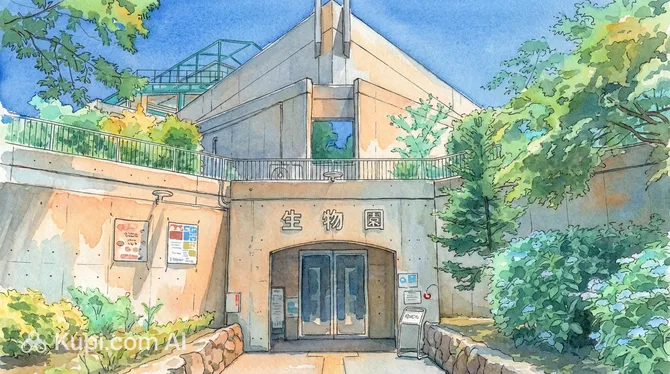
Adachi Park of Living Things. Illustration.
Source: Kupi.com AI

Traveler photos:

The park's collection features an impressive variety — about 300 species of creatures, including exotic insects, fish, reptiles, amphibians, as well as birds and small mammals. Carefully designed pavilions and outdoor zones create conditions that are as close as possible to the natural habitat of each species.

The main focus here is on education and awareness. Thanks to interactive displays and the opportunity for direct observation of nature, the park has become a favorite spot for families with children and school field trips. It is a place where every visitor can feel like an explorer and learn a lot about our planet's fragile balance.

Contacts

Before heading to the Adachi Park of Living Things, we recommend checking the latest information regarding visiting rules and potential schedule changes. This will help you plan your route around Tokyo in advance and ensure your visit is as comfortable as possible.

How to contactContact
Address2-chōme-17-1 Hokima, Adachi City, Tokyo 121-0064, Japan
Phone+81 3-3884-5577
Websitewww.seibutuen.jp

What to Do

At the Adachi Park of Living Things, guests can enjoy a fascinating immersion into the natural world through five themed zones. Here, you can watch vibrant tropical butterflies in a special conservatory, study the habits of rare reptiles, or observe the lives of aquatic inhabitants. One of the park's most popular features is its interactive elements, allowing visitors, under staff supervision, to feed or touch some of the animals—an experience that is especially thrilling for younger guests.

Beyond observing the fauna, it is worth taking the time to explore the plant collection that complements the animal exhibits. For those looking to deepen their knowledge, regular educational programs and mini-tours are available. A stroll through the well-maintained paths in the quiet atmosphere of a residential Tokyo neighborhood is a wonderful addition to your educational leisure, offering a break from the hustle and bustle of the central districts.

Getting There

The attraction is located in a quiet residential neighborhood at 2-chōme-17-1 Hokima, Adachi City. The most convenient way to reach the site is by train. You need to travel to Takenotsuka Station, from which a walk to the park entrance takes about 20 minutes. The path leads through a pleasant residential area, allowing you to see the daily life of Japan's capital.

If you are coming from central areas like Ueno or Asakusa, you can take the Nippori-Toneri Liner or suburban trains to the aforementioned station. For those who prefer a taxi or private car, the trip from the main highways of Adachi City takes no more than 10–15 minutes. Parking for visitors is available on the grounds adjacent to the park.

Nearest city: Tokyo

History & Facts

The Adachi Park of Living Things opened its doors in 1979, becoming an important site for public education and recreation. However, the history of the district itself dates back to ancient times. The name "Adachi" is linked to an ancient district of Musashi Province, and the first settlements appeared here as far back as the Heian period, when the famous Nishiarai Daishi temple was founded.

During the Edo period (1603–1868), these lands played a key strategic role as the Senju-shuku post station on the Nikko Kaido and Mito Kaido routes was located here. At that time, the territory was under the control of the Tokugawa shogunate and was famous for its crafts and agriculture, serving the many travelers heading to the capital.

Adachi received its status as one of Tokyo's special wards in 1947. The creation of the park in the late 20th century harmoniously fit into the district's development concept, which aims to preserve pockets of wildlife amidst dense urban development. Today, the park continues the tradition of educational recreation, reminding us of the importance of ecology in the modern world.

Time Needed

A full tour of the Adachi Park of Living Things exhibits usually takes about 2–3 hours. During this time, you can leisurely explore all five themed sections, observe the inhabitants' behavior, and study the information boards about biodiversity.

If you are visiting with family or are interested in detailed educational programs, we recommend setting aside about 4 hours. The compact area makes it easy to move between zones, but the interactive elements and the chance for close contact with some animals often encourage guests to stay longer.

Working Hours

The Adachi Park of Living Things welcomes guests from Tuesday to Sunday, opening its doors at 9:30 AM and remaining open until 5:00 PM. Monday is the traditional closing day, so be sure to take this into account when planning your visit.

Please note that the last entry to the park is 30 minutes before closing. During holidays, the schedule may change slightly, so it is recommended to check the official website for the most up-to-date information.

DayWorking hours
MondayClosed
Tuesday9:30 – 17:00
Wednesday9:30 – 17:00
Thursday9:30 – 17:00
Friday9:30 – 17:00
Saturday9:30 – 17:00
Sunday9:30 – 17:00

Nearby

Exploring the Adachi district isn't limited to visiting the zoo, as a walk through its surroundings can significantly enrich your trip. Just a few minutes' walk away is the picturesque Motofuchie Park, which is an excellent spot for relaxing in the fresh air.

For those who wish to connect with Japan's spiritual history, the majestic Nishiarai Daishi Buddhist temple is located nearby. Combining an educational visit to the park of living things with a tour of historical and park zones will allow you to spend a fulfilling day discovering the less touristy but highly atmospheric corners of Tokyo.

NameDistance
Tokyo National Museum8.6 km
National Museum of Nature and Science8.9 km
The National Museum of Western Art9 km
Kaminarimon9.1 km
Tokyo Imperial Palace12.9 km
Nijubashi Bridge13.4 km
Suga Shrine14.1 km

Reached the end of the page?

That means the route is fully explored