Support

Nezu Museum

About

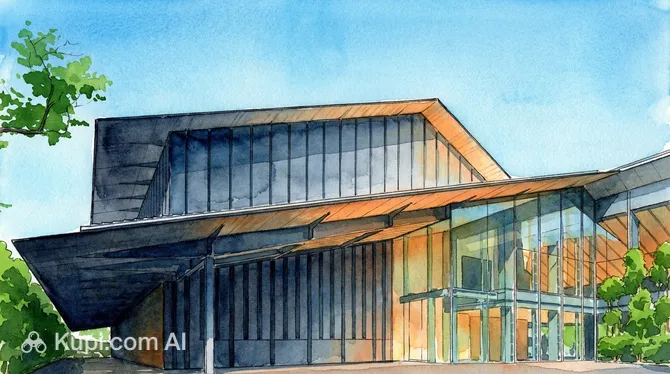
The Nezu Museum is a magnificent private collection of East Asian art, considered one of the cultural gems of Tokyo. Located in the prestigious Minato district of Japan, this museum offers visitors a unique opportunity to experience ancient Asian traditions surrounded by cutting-edge architecture. The collection features over 7,500 items, including seven objects designated as National Treasures of Japan.
\n
Nezu Museum. Illustration.
Source: Kupi.com AI

Traveler photos:

\n

Here, you can see rare calligraphy scrolls, exquisite ceramics, bronze vessels from ancient Chinese dynasties, and the famous painted screens of the Edo period. The museum is renowned not only for its galleries but also for its stunning traditional Japanese garden that stretches out right behind the gallery walls. Koi ponds, mossy stone lanterns, and tea houses create an atmosphere of absolute peace in the heart of the bustling metropolis.

\n

The museum's modern building, designed by minimalist master Kengo Kuma in 2009, is a destination in itself. The combination of glass, natural stone, and open spaces makes the transition from art to nature almost seamless. It is the perfect place for those seeking harmony and a deeper understanding of Eastern aesthetics.

Contacts

To make your visit to the Nezu Museum as comfortable as possible, we recommend checking the official website for the latest information on special exhibitions or potential schedule changes. Below are the primary contact details for reaching this cultural center in Tokyo.

How to contactContact
Address6-chōme-5-1 Minamiaoyama, Minato City, Tokyo 107-0062, Japan
Phone+81 3-3400-2536
Websitewww.nezu-muse.or.jp

What to Do

Inside the museum galleries, visitors can enjoy rotating exhibitions featuring unique lacquerware boxes, Buddhist sculptures, and items used in ancient tea ceremonies. Special thematic exhibitions are of particular interest, often focusing on rare artifacts from private collections that are rarely seen by the public.

\n

One of the main highlights is a stroll through the garden, which many consider a complete open-air exhibit in its own right. Here, you can wander along winding paths, discover ancient stone statues of Buddha and Kannon hidden among the greenery, and watch life in the ponds. It is an ideal spot for meditation and capturing atmospheric photos that evoke the spirit of old Japan.

\n

End your visit at the cozy cafe with panoramic windows overlooking the forested part of the garden, or browse the gift shop. There, you’ll find art books and exquisite goods created by Japanese artisans specifically for the museum—perfect mementos of your trip.

Getting There

The Nezu Museum is located in the prestigious Minato district at 6-chōme-5-1 Minamiaoyama. The easiest way to get here is by subway to Omotesando Station (Chiyoda, Hanzomon, or Ginza lines). After leaving the station, it’s a pleasant 10-minute walk past stylish boutiques and quiet side streets, which helps set a contemplative mood for your visit.

\n

An alternative route is from Nogizaka Station (Chiyoda Line), which is about an 8-minute walk away. If you prefer the comfort of a taxi, the ride from popular areas like Shibuya or Roppongi takes only 5–10 minutes. For those arriving by private or rental car, visitor parking is available on the museum grounds.

Nearest city: Tokyo

History & Facts

The history of this unique collection began with the private hoard of Kaichiro Nezu, a prominent industrialist and president of the Tobu Railway. As a passionate admirer of East Asian art, he dedicated years to finding and preserving rare works of painting, ceramics, and calligraphy, which originally adorned his personal residence.

\n

In 1941, shortly after the collector's passing, his son opened the museum on the site of the family estate to make these masterpieces accessible to the public. Although the building faced significant challenges during the mid-20th century, the priceless artifacts were successfully preserved. Over time, the collection continued to grow through generous donations from other patrons, evolving into one of the richest private collections in Asia.

\n

The museum began its modern chapter in 2009 after a major reconstruction led by the renowned architect Kengo Kuma. He succeeded in creating a building that is a work of art in its own right: the use of natural materials, glass, and bamboo allows the exhibition halls to blend harmoniously with the space of the historic garden.

Time Needed

For a full experience of the Nezu Museum and its magnificent park, experts recommend setting aside 2 to 3 hours. You’ll need about an hour and a half to carefully view the current exhibitions, while the remaining time is perfect for a leisurely stroll among the ponds and tea houses.

\n

If you are a dedicated lover of East Asian art or plan to relax in the local cafe with a view of the greenery, your visit could last up to 4 hours. Keep in mind that the last admission is 30 minutes before closing, so it’s best to arrive in the morning or early afternoon.

Working Hours

The Nezu Museum welcomes guests from Tuesday to Sunday, with doors open from 10:00 AM to 5:00 PM. Please note that the last entry to the galleries and garden is at 4:30 PM. The museum is traditionally closed on Mondays, except when a public holiday falls on that day.

\n

Operating hours may change during exhibition rotations or special events, so it is recommended to check the official website before your trip. When planning your visit, keep in mind that a morning walk through the garden offers the most peaceful and secluded atmosphere.

DayWorking hours
MondayClosed
Tuesday10:00 – 17:00
Wednesday10:00 – 17:00
Thursday10:00 – 17:00
Friday10:00 – 17:00
Saturday10:00 – 17:00
Sunday10:00 – 17:00

Nearby

The area surrounding the Nezu Museum is an exquisite blend of quiet residential streets and high fashion. Exploring the neighborhood can significantly enrich your experience; just a few minutes' walk away is the Taro Okamoto Memorial Museum, dedicated to the life and work of one of Japan’s most avant-garde artists, as well as the famous Blue Note Tokyo jazz club.

\n

If you’d like to continue your cultural journey after the garden stroll, stop by the Tokyo Whisky Library or head toward Roppongi Hills, where modern architecture meets a vibrant metropolitan atmosphere. The entire Aoyama district is infused with a spirit of aesthetics and tranquility, making it ideal for long walks.

NameDistance
Blue Note Tokyo0.1 km
Shibuya Stream Bar1.4 km
Rokusan Angel (Burlesque Tokyo)1.5 km
Shibuya Coffee Bar1.6 km
teamLab Borderless2.4 km
Suga Shrine2.6 km
Reserve Roastery Tokyo2.6 km

Reached the end of the page?

That means the route is fully explored