Support

Nijubashi Bridge

About

Located in the heart of the Japanese capital, Nijubashi Bridge is one of the most recognizable symbols of imperial continuity. This magnificent architectural ensemble serves as the formal entrance to the Imperial Palace in Tokyo, attracting thousands of travelers with its austere beauty and harmony with the surrounding landscape.

Nijubashi Bridge
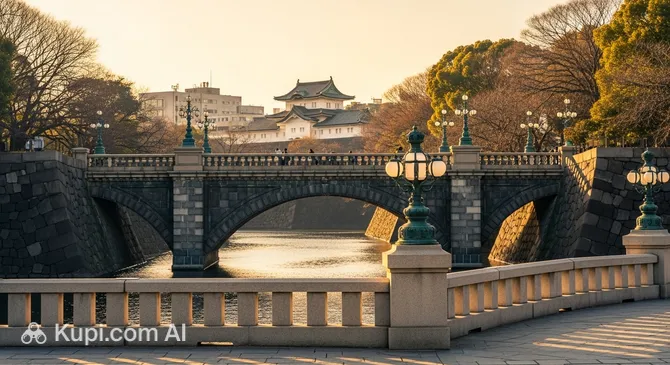
Nijubashi Bridge. Иллюстрация. Источник: Kupi.com AI

The name of the landmark translates as "Double Bridge." This name stuck back in the days when a wooden structure stood on this site, consisting of two levels to provide extra strength. Today's structure in Japan is an elegant iron crossing, decorated with ornate cast-iron railings and graceful lanterns that look especially striking against the backdrop of the ancient moats.

As a historical_place, Nijubashi Bridge offers guests more than just a beautiful view; it is a touchpoint for the rich history of the imperial residence. Although access to the bridge itself is restricted, the panoramic views of the palace towers and well-kept park areas make it a must-see on any tourist's itinerary.

Contacts

When planning a visit to Nijubashi Bridge, it is helpful to have the current contact information for the Imperial Gardens administration on hand. Although outdoor viewing is free, official details will help you navigate the rules for visiting the palace complex.

How to contactContact
Address1-1 Chiyoda, Chiyoda City, Tokyo 100-0001, Япония
Phone+81 3-3213-1111
Websitewww.env.go.jp

What to Do

The main draw for visitors here is undoubtedly the opportunity to take a classic panoramic photo. The waterfront offers a flawless view of the "Double Bridge," with an ancient 17th-century watchtower rising majestically behind it. It is the perfect spot to capture the architectural reflections in the calm waters of the palace moat, especially during cherry blossom season or in the early morning.

A walk through the adjacent Kokyo Gaien National Garden allows you to fully enjoy the aesthetics of traditional landscape design. You can leisurely stroll around the outer moats, admiring the massive stone walls, green slopes, and centuries-old pines with whimsically twisted branches.

It is worth remembering that few people manage to walk directly across the bridge itself — it opens to the general public only twice a year: on January 2nd and on the birthday of the reigning Emperor. At all other times, guests can admire the ornate railings and Victorian-style lamps from a distance, which adds an atmosphere of being part of history's great mysteries to the walk.

Getting There

The easiest way to reach Nijubashi Bridge is by the famous Tokyo metro. The closest point is Tokyo Station (serving JR, Marunouchi, and Chiyoda lines), from which you can reach the palace moats on foot in just 5–10 minutes. Simply follow the signs for the Imperial Palace.

Otemachi Station is also a convenient option, with exits leading almost to the park's edge. If you are in central districts like Ginza or Nihonbashi, a taxi ride will take about 10–15 minutes; however, walking allows you to better feel the rhythm of the metropolis before your encounter with history.

For those using a navigator, the address is: 1-1 Chiyoda. Please note that parking in this area is limited and quite expensive, so public transport remains the most reliable and fastest way for tourists to get around.

Ближайший город: Tokyo

History & Facts

The history of this iconic landmark began back in 1614 when the first wooden bridge was built for the legendary Edo Castle. In that era, engineers had to use a clever trick: due to the great depth of the moat, they built one wooden structure on top of another, which gave the bridge its famous name — Nijubashi, meaning "Double Bridge."

Over time, the appearance of the main entrance changed along with technological developments. In 1888, during the country's period of active modernization, wood gave way to steel. The new structure retained the grandeur of the original but adopted features of refined European style, becoming a symbol of the architectural renewal of imperial power.

The bridge took on its current appearance in 1964 following a major restoration. Despite using modern materials, architects managed to preserve the authentic spirit of the Edo period, harmoniously integrating the structure into the historical landscape of the palace complex.

Interestingly, the small watchtower standing right behind the bridge is also an authentic 17th-century monument. Together with the bridge, it forms a classic architectural ensemble that for centuries served as the formal entrance to the residence of the shoguns and, later, the emperors.

Time Needed

Visiting Nijubashi Bridge doesn't take much time, making it an excellent stop during a tour of the city center. Usually, 30–60 minutes is enough for tourists to take commemorative photos, admire the palace panorama, and enjoy the tranquility by the water.

If you plan to combine the bridge visit with a full walk through Kokyo Gaien National Garden or a visit to the East Gardens of the Imperial Palace, you should allow about 1–2 hours in your schedule. This will let you explore all available viewpoints without rushing and soak in the atmosphere of the imperial residence.

Working Hours

Good news for travelers: the observation area at Nijubashi Bridge is accessible 24/7. You can come here early in the morning to catch the bridge in the first rays of sunlight, or late at night when the lanterns are lit, giving the palace complex a mysterious look.

The site is open daily, with no holidays or breaks. However, it is recommended to check the official Imperial Household Agency website before your trip, as access to certain parts of the surrounding park may be temporarily restricted during state ceremonies or official visits.

Круглосуточно

Nearby

Its location in the very heart of the Japanese capital makes Nijubashi Bridge an ideal starting point for further exploration of the metropolis. Nearby, you'll find both futuristic art spaces and world-famous theme parks, all easily accessible by public transport.

Exploring nearby locations will allow you to complement your historical impressions with the excitement of modern entertainment and cultural sites. Below is a list of popular places to visit after a walk by the Imperial Palace.

NameDistance
Tokyo Imperial Palace0.6 km
teamLab Borderless2.2 km
Rokusan Angel (Burlesque Tokyo)2.6 km
Suga Shrine2.8 km
Nezu Museum3.8 km
Blue Note Tokyo4 km
Kidzania Tokyo4.3 km

Reached the end of the page?

That means the route is fully explored