Support

Former Ozawa Family Residence

About

The Former Ozawa Family Residence invites you to immerse yourself in the prosperous merchant past—a unique architectural complex located in the city of Niigata. This is more than just an old house; it is a living witness to the era of Kitamae ships, when maritime trade turned ordinary entrepreneurs into true magnates. Japan has carefully preserved this ensemble of seven buildings, recognizing it as an important cultural asset.

Built in the mid-19th century, the residence is a classic example of the machiya style—a traditional urban merchant's house. Here, living rooms, a shop, and massive "kura" storehouses harmoniously coexist under one roof. The building's narrow facade hides a surprising depth of rooms, which was characteristic of the architecture of that time.
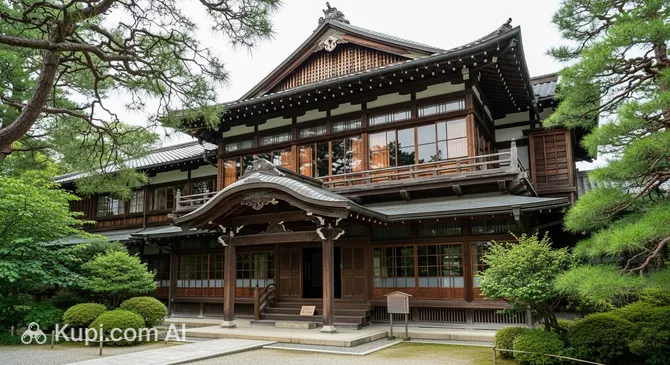
Former Ozawa Family Residence
Former Ozawa Family Residence. Иллюстрация. Источник: Kupi.com AI

Today, it houses a museum where visitors can see not only authentic late Edo-period architecture but also collections of art, traditional dolls, and toys. The Ozawa Residence is a rare opportunity to see from the inside how luxury and practicality were combined in the life of a wealthy urban family of the last century.

Contacts

For current information on special exhibitions or events, you can use the official contact details for the residence.

How to contactContact
Address12 Banchō-2733 Kamiōkawamaedōri, Chuo Ward, Niigata, 951-8068, Япония
Phone+81 25-222-0300
Websitewww.nchm.jp

What to Do

The main pleasure here is exploring the labyrinthine layout of the ancient house. Be sure to stop by the living room to see the traditional irori hearth and walk along the long toori doma corridor that runs through the entire building. Pay attention to the architectural details: the secrets of the roof construction and the unusual layout of the rooms, designed to emphasize the owners' status.

Take a close look at the Japanese garden adjacent to the living quarters. It is famous for its stone lanterns and graceful crane figurines. The garden features rare stones brought on merchant ships, which in itself was a manifestation of unheard-of wealth in those times. Walking between the centuries-old walls of the warehouses, you can feel the power of the trading empire created by the Ozawa family.

The museum regularly hosts seasonal exhibitions, such as doll collections for national girls' and boys' festivals. If you're lucky, you can listen to stories from volunteer guides who share exciting tales about the shipping business on the Sea of Japan and how merchants managed to thrive despite storms and strict laws.

Traveler tip: Keep in mind that in winter, traditional Japanese houses can be quite chilly due to the lack of central heating, so dress warmly to enjoy the exhibits in comfort.

Getting There

The residence is located in the historical port district of Ryuto at: 12 Banchō-2733 Kamiōkawamaedōri. This quarter is famous for its canals and paved streets that seem to transport travelers back in time, making the walk to the site a pleasant addition to your excursion.

The most convenient way to get here from the city center is by taxi or by using local public transport. If you prefer walking, the route from major central landmarks is relatively short and allows you to enjoy the atmosphere of the old port.

Many tourists include a visit to the residence in historical city tours. Nearby, you'll find canals and a former bank building, and another famous villa is just a ten-minute walk away, making this area ideal for immersing yourself in Meiji-period culture.

Ближайший город: Niigata

History & Facts

The history of the Ozawa family began with rice trading during the late Edo period. Thanks to their entrepreneurial spirit and the development of shipping trade via the Kitamae ships (northern vessels of the Sea of Japan), the family quickly grew wealthy. They expanded their influence into shipping, warehousing, wholesale trade, and even oil extraction, becoming one of the most influential merchant dynasties in the region.

The architectural ensemble we see today was built in the 1860s. The buildings were designed with practicality and the tax loopholes of the time in mind: the street-facing facade was made as narrow as possible, as taxes were levied based on the width of the house along the road. However, the estate extends deep into the block, hiding spacious rooms and wealthy storehouses.

The building materials are of particular value. Stones for the garden and foundation, such as the rare Sado aka-tama (red jasper) and Kishu stones, were brought to the city by merchant ships from distant prefectures. This was a striking symbol of the owners' status and financial power.

The Ozawa family lived in this house until 2002, after which they donated the land and buildings to the city. Following extensive restoration, the complex opened as a museum, allowing everyone to catch a glimpse into the daily life of wealthy merchants whose businesses flourished at the turn of the Edo and Meiji eras.

Time Needed

A leisurely tour of all seven buildings in the complex, examining the information panels, and strolling through the Japanese garden usually takes about 1 to 2 hours. This is enough time to appreciate the interiors and take beautiful photographs.

If you choose to use the services of volunteer guides, who are often present at the residence and share fascinating details about merchant life, your visit may last up to 3 hours. The place invites thoughtful contemplation, so it's best not to plan your visit in a hurry.

Working Hours

The residence welcomes visitors from Tuesday to Sunday. The museum doors are open from 09:30 to 17:00. Please note that ticket sales and entry to the complex stop 30 minutes before closing, so it is best to arrive no later than 16:30.

The residence is closed on Mondays. To avoid any issues due to holidays or special events, we recommend checking the museum's official website before your visit.

DayWorking hours
понедельникЗакрыто
вторник09:30–17:00
среда09:30–17:00
четверг09:30–17:00
пятница09:30–17:00
суббота09:30–17:00
воскресенье09:30–17:00

Nearby

The area around the residence is steeped in history, and exploring it will give you a more complete picture of Niigata's golden age as a port hub. A stroll through the neighboring streets provides access to other architectural landmarks and modern entertainment centers.

NameDistance
Niigata City Art Museum0.6 km
Seaside Park0.7 km
Saito Villa0.8 km
Niigata City History Museum (Minatopia)0.8 km
Bistro Tsubaki0.9 km
Niigata Bandaijima Art Museum1 km
Niigata Manga House1 km

Reached the end of the page?

That means the route is fully explored