Support

Shiki no Sato (Village of Four Seasons)

About

The Village of the Four Seasons (Shiki-no-Sato), a unique tourist complex in Fukushima City, invites you to immerse yourself in the atmosphere of the good old countryside. It is more than just a park; it is a carefully recreated model of a traditional rural settlement, offering a glimpse into what life in the Tohoku region was like decades and even centuries ago.
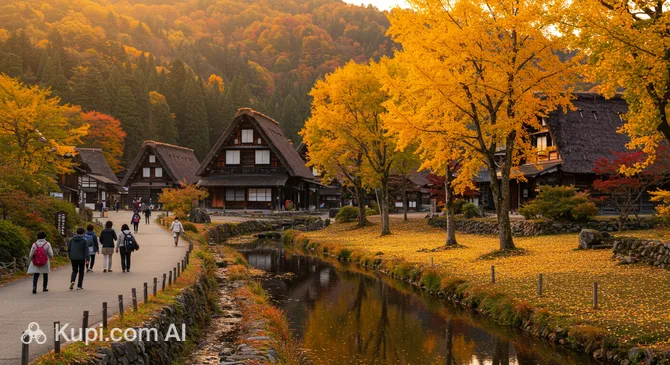
Village of Four Seasons (Shiki no Sato)
Village of Four Seasons (Shiki no Sato). Иллюстрация. Источник: Kupi.com AI

The name "Shiki-no-Sato" translates as "Village of the Four Seasons," and this name was chosen for a reason. Japan is famous for its love of seasonal changes, and here this aesthetic is brought to perfection: in spring, the complex is bathed in cherry blossoms; in summer, it delights with lush greenery; in autumn, it is colored by fiery maples; and in winter, it is covered by a quiet blanket of snow.

In the village, you can see authentic minka houses with their characteristic thatched roofs, well-tended Japanese gardens, and even working rice fields. This place is ideal for those seeking tranquility and inspiration, and who want to touch the living history of the prefecture surrounded by picturesque mountain landscapes.

Contacts

To find out more about events or to pre-book workshops, you can use the official contact details for the complex.

It is recommended to check the schedule before your visit, as opening hours may change on public holidays.

How to contactContact
AddressKamisaginishi-1-1 Arai, Fukushima, 960-2156, Japan
Phone+81 24-593-0101
Websitewww.f-shikinosato.com

What to Do

The main feature of the village is the opportunity not just to look, but to participate. There are many workshops here where, under the guidance of experienced masters, you can learn traditional Japanese crafts. Guests can try their hand at making washi paper, weaving, or pottery. One of the most fascinating activities is the masterclass in making soba noodles — a culinary symbol of this region.

Lovers of leisurely walks will appreciate the landscaped gardens, which change their appearance according to the time of year. Depending on the season, you might catch vibrant festivals featuring traditional dance and music. This is a great chance to see live performances by folk groups and experience local customs in their natural setting.

Don't forget to stop by the local restaurants, which serve dishes made from seasonal vegetables grown right here or on neighboring farms. Gastronomic experiences are an essential part of visiting Shiki-no-Sato, allowing you to taste the authentic rural cuisine of Fukushima.

Getting There

Reaching this picturesque corner of the prefecture is quite simple. The main transportation hub is Fukushima Station, where Shinkansen high-speed trains arrive. Local buses depart regularly from the bus terminal located near the station. The journey to the village takes approximately 40–50 minutes; however, it is advisable to check the schedule in advance as buses run only a few times a day.

For those who prefer more freedom of movement, renting a car is an excellent option. The drive from the city center to the site at Kamisaginishi-1-1 Arai takes about 30–40 minutes. Spacious free parking is provided for guests of the complex.

If you value comfort and want to save time, you can use taxi services directly from the railway station. While this is a more expensive option, it provides door-to-door delivery without the need to adjust to public transport schedules.

Ближайший город: Fukushima

History & Facts

The history of the complex dates back to the late 1980s and early 1990s. During this time, the country was undergoing active modernization, and there was a threat that the traditional rural lifestyle might disappear. The village was designed as an important cultural and educational project intended to preserve and showcase the heritage of the Tohoku region for future generations.

Notably, many of the buildings in Shiki-no-Sato are not modern replicas. They are authentic historic houses (minka) that were carefully dismantled, transported from various parts of the prefecture, and reassembled on the village grounds using traditional techniques. This gives the place a special energy and authenticity.

In recent years, the village has taken on a new significance. After the tragic events of 2011, it became a symbol of revival and the resilient spirit of the local people. By supporting traditional crafts and welcoming tourists, the complex helps to restore the cultural identity and economy of the prefecture.

Time Needed

To take a leisurely stroll through the grounds, explore the architecture of the old houses, and take beautiful photos, most travelers need between 3 to 5 hours. This is usually enough time for a basic introduction to the exhibits and to relax in nature.

If you plan to participate in interactive workshops, such as learning how to make soba noodles or mastering pottery, we recommend dedicating a full day to your visit. You should also factor in time for lunch at the local restaurant, which serves authentic dishes made from fresh regional products.

Working Hours

The Shiki-no-Sato complex operates on a very convenient schedule for tourists, remaining open until late evening. You can plan your visit throughout the week during the following hours:

Monday — Sunday: from 9:00 to 21:00.

Such long opening hours allow you to enjoy not only the daytime scenery but also the special atmosphere of the village at dusk. However, it is worth remembering that individual workshops and craft shops may close earlier than the main complex — usually around 17:00.

9:00 – 21:00

Nearby

The area surrounding the village is rich in interesting locations that allow for a deeper dive into the history and nature of this region. A stroll to nearby attractions will be a perfect addition to your visit to Shiki-no-Sato.

NameDistance
Sleeping Gundam Statue7.3 km
Tohoku Safari Park8.2 km
Jododaira Rest House9.5 km
Jododaira Visitor Center9.5 km
Rosenkeller10 km
Fukushima Prefectural Museum of Art10.3 km
Dateya10.4 km

Reached the end of the page?

That means the route is fully explored