Support

Homma Museum

About

Immerse yourself in an atmosphere of refined aesthetics by visiting the Homma Museum of Art — a unique cultural complex that combines the history of a wealthy merchant clan with the splendor of traditional landscape design. Located in the port city of Sakata, this museum was the first private art gallery to open in Japan right after the end of World War II in 1947.
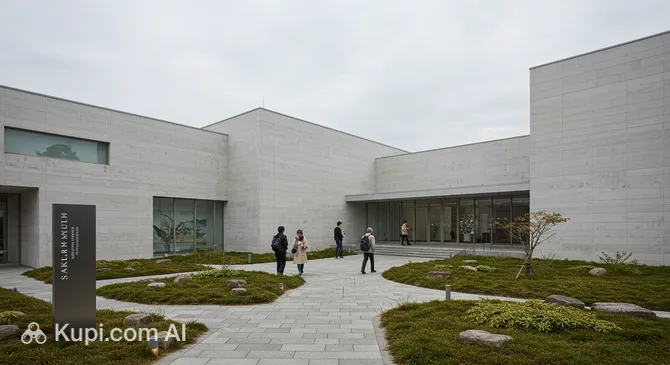
Homma Museum of Art
Homma Museum of Art. Иллюстрация. Источник: Kupi.com AI

The heart of the museum is a magnificent Japanese garden covering about 20,000 square meters, recognized as a national monument of scenic beauty. Its layout allows visitors to enjoy the harmony of nature in any season: white azaleas bloom here in spring, foliage turns crimson in autumn, and the garden is covered in a silent blanket of snow in winter. The garden grounds offer a majestic view of Mt. Chokai, which serves as a natural backdrop for this architectural and natural ensemble.

The main building, Seienkaku, is an exquisite example of wooden architecture. Inside, you will find a valuable collection of traditional art, including calligraphy scrolls, antique tea utensils, and works by modern Japanese masters. Of particular note are the interiors of the second floor, where the walls are decorated with golden clouds that change their hue depending on the angle of sunlight.

Contacts

For information regarding special exhibitions or group bookings, you can use the museum's official contact details.

How to contactContact
Address7-7 Onarichō, Sakata, Yamagata 998-0024, Япония
Phone+81 234-24-4311
Websitewww.homma-museum.or.jp

What to Do

Begin your introduction to the museum with a leisurely stroll through the landscape garden. Walk along the winding paths around the central pond, where ancient trees and the sky are reflected in the mirror-like water. This is an ideal spot for contemplation and photography, especially against the panoramic backdrop of Mt. Chokai. After your walk, be sure to stop by the museum café: it serves traditional matcha green tea and seasonal Japanese wagashi sweets, which can be enjoyed while looking at the garden through large panoramic windows.

In the Seienkaku main hall, it's worth taking the time to appreciate the architectural details — look at the carved wooden grilles and lattice doors made in the Kyoto style. In the gallery, you can see rotating exhibitions: from ancient artifacts and tea ceremony utensils to works of contemporary art. Every exhibit here highlights the refined taste of the Homma family, who spent decades building the collection.

If you have the time, we recommend using a combination ticket to visit the historic Homma Family Residence, located just a few minutes' walk away. There, you will see the contrast between the strict samurai style and the more practical merchant lifestyle. You can often meet descendants of the famous family at the residence, who are happy to share stories about their ancestors' heritage.

Getting There

The museum is located at 7-7 Onarichō in the city center, making it easily accessible for travelers. If you arrive at Sakata Station by train (for example, by shinkansen with a transfer or via the Uetsu Main Line), the walk to the museum takes about 15–20 minutes, or just 5 minutes by taxi.

For those who prefer public transport, city buses run from the station, stopping near the city hall and historic districts. Thanks to its proximity to other iconic sites like the Sankyo Rice Storehouses, the museum is easy to include in a walking tour of the historic center.

If you are traveling from other regions of the country, it is most convenient to take high-speed trains to major hubs and then switch to local lines. The city port is also relatively close, allowing for a quick trip to the museum complex after a river cruise on the Mogami River.

Ближайший город: Sakata

History & Facts

The history of this place is inextricably linked to the Homma family — once the wealthiest merchant clan, which controlled vast rice plantations during the Edo period. In 1768, they built a residence here in a strict samurai style, designed to host high-ranking inspectors from the shogunate. One of the building's notable features is its fireproof construction, thanks to which the structure has been preserved in its original form for over 250 years.

A special place in the clan's history is held by Munehisa Homma, a legendary 18th-century rice merchant. He is credited with inventing Japanese candlesticks — a method of technical analysis for the market still used by traders worldwide. His incredible intuition and the network of signalmen he created allowed him to make hundreds of successful trades and become a financial advisor to the government.

The Homma Museum of Art itself opened its doors in 1947, becoming the first private art museum in the country after World War II. It was created with a noble mission: to restore cultural pride to the residents during challenging times. The main exhibition hall, Seienkaku, built later on the site of a former villa, still amazes visitors with its Kyoto-Taisho style architecture.

Today, this complex is not just a gallery but a monument to Japanese entrepreneurship and a love for beauty. The garden's status as a national site of scenic beauty confirms that the Homma family poured their heart not only into commerce but also into the aesthetic legacy of their hometown.

Time Needed

To leisurely browse the main exhibition, stroll through the garden, and enjoy a cup of tea at the local café, most visitors need 1 to 2 hours. If you are a true connoisseur of Japanese architecture and plan to study the interior elements of the Seienkaku hall in detail, the time may increase slightly.

For those who want to get the most out of their visit, it is recommended to purchase a combination ticket that includes a visit to the historic Homma Family Residence located nearby. In this case, you should set aside about 3 hours to cover both sites without rushing.

Working Hours

The museum follows a seasonal operating schedule. From March to October, the doors are open from 9:30 AM to 4:30 PM, and during the winter period (November to February), visiting hours are reduced until 4:00 PM. Please note that entry closes 30 minutes before closing time.

The museum is typically closed on Tuesdays and Wednesdays, as well as from mid-December to the end of January for exhibition changes and maintenance. Before your trip, we strongly recommend checking the current schedule on the official website, as changes may occur during holidays.

DayWorking hours
понедельник09:00–16:30
вторникЗакрыто
средаЗакрыто
четверг09:00–16:30
пятница09:00–16:30
суббота09:00–16:30
воскресенье09:00–16:30

Nearby

The city of Sakata is famous for its rich merchant past, so exploring the museum's surroundings will allow you to dive even deeper into the atmosphere of the Edo and Meiji eras. Most historical sites are within walking distance, forming a single cultural cluster.

A stroll through the nearby streets will reveal old residences, lighthouses, and the famous warehouses that were once the heart of the region's trade. Below is a list of interesting places located nearby:

NameDistance
Sushi Koise0.4 km
Somaro0.9 km
Homma Residence1 km
Sanno Club1 km
Hiyoriyama Park1.3 km
Komatsu Maguro1.4 km
Sankyo Soko Rice Warehouses1.5 km

Reached the end of the page?

That means the route is fully explored