Support

Kassenba Weeping Sakura

About

Imagine a living natural monument that is over a thousand years old. This is exactly what the Kassenba Weeping Sakura is — one of the most revered and famous cherry trees in Japan. This majestic tree, belonging to the rare shidarezakura species, is considered a true treasure of the prefecture and annually attracts thousands of beauty enthusiasts to the small town of Miharu, located near the city of Fukushima.
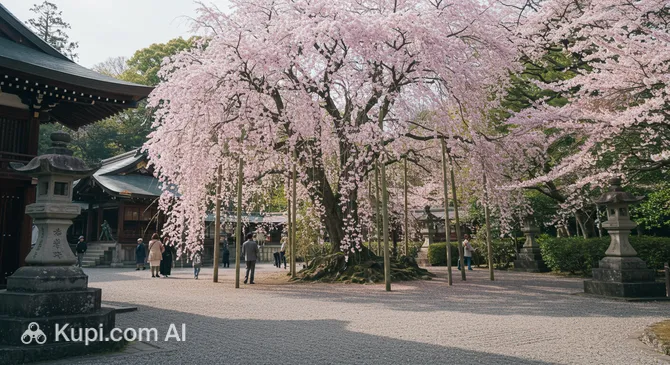
Kassenba Weeping Cherry Tree
Kassenba Weeping Cherry Tree. Иллюстрация. Источник: Kupi.com AI

This is not just a tree, but a true giant: its height reaches 13.5 meters, and its crown spreads over an impressive 400 square meters. The unique feature of this variety is its "weeping" form — long, slender branches covered with delicate pink flowers gracefully cascade to the ground, creating the illusion of a floral waterfall. A National Natural Monument of Japan, its name carries echoes of ancient times, as the word "Kassenba" translates to "battlefield," recalling the battles that took place in this area many centuries ago.

The main magic of this place is revealed in spring, when the massive trunk, with a circumference of over 4 meters, is enveloped in a cloud of pink. This sight embodies the Japanese philosophy of fleeting beauty and eternal rebirth, making Kassenba a must-see on any traveler's itinerary.

Contacts

To check the current blooming status of the tree and the schedule of festive events, it is recommended to contact the tourist center or follow updates on official resources.

How to contactContact
AddressJapan, 〒964-0301 Fukushima, Nihommatsu, Higashiniidono, Ōbayashi−字142
Websiteiwashiro-mugenjuku.com

What to Do

The main and most exciting activity here is cherry blossom viewing. From mid to late April, the tree transforms into a living fairy-tale backdrop. Visitors can walk along a specially equipped viewing platform that allows them to see the sakura from all sides without damaging its roots. This is a perfect spot for landscape photography: at dawn, the gentle rays of the sun illuminate the pink petals, and at dusk, artificial illumination turns the tree into a glowing vision against the night sky.

During the peak bloom, a traditional festival takes place here, where you can fully experience the spirit of Japanese hanami. You can try authentic local snacks and sweets sold at cozy stalls nearby. This is a great chance not only to enjoy nature but also to get acquainted with the gastronomic traditions of the region. It is also worth visiting the small shrine located near the tree, where locals and tourists often leave offerings and pray for longevity, inspired by the resilience of the thousand-year-old sakura.

Getting There

The best way to plan a journey to this natural treasure hidden in Fukushima Prefecture is from Tokyo. The fastest way is to take the Shinkansen bullet train to Koriyama Station and then transfer to the local Banetsu-East Line, which will take you to Miharu Station. From the station, you can reach the sakura tree by taxi in about 10 minutes, and during the peak tourist season, special shuttle buses run for visitors.

If you prefer the freedom of movement and rent a car, your route will take you along the Tohoku Expressway. You will need to drive to the Koriyama exit and then follow the clearly visible signs toward Miharu and Kassenba. There is a parking lot right by the tree; however, keep in mind that during peak blooming days, spaces fill up very quickly, so it is best to arrive as early as possible in the morning.

Ближайший город: Fukushima

History & Facts

The history of this majestic tree dates back to ancient times, specifically the Heian period (794–1185). According to a popular legend, the Kassenba Weeping Sakura was planted by Taira-no Masakado himself — a legendary military leader who stopped for a rest in these parts during one of his campaigns. Another legend says the tree grew on the site of a fierce battle, and its beautiful flowers became a symbol of peace for the souls of the fallen warriors.

The name "Kassenba" itself literally translates as "battlefield," which further confirms the connection of this place with the dramatic pages of Japanese history. Over the centuries, the tree has been carefully protected by locals, for whom it became not just a plant, but a living guardian of generational memory and a sacred symbol of resilience.

The tree received official recognition in 1922 when it was declared a National Natural Monument of Japan. Over its thousand-year life, the sakura has survived many trials, including devastating typhoons and severe snowfalls. The 1990s were a particularly difficult time when a powerful typhoon seriously damaged the crown, but thanks to the dedicated work of arborists and financial support from the townspeople, the tree was successfully restored.

Today, the veteran's condition is monitored with great care. Heavy branches are supported by special structures, and the trunk is regularly inspected by specialists to prevent any diseases. The love and care surrounding this sakura allow it to continue gracing the world with its blossoms despite its venerable age.

Time Needed

To fully enjoy the beauty of this natural masterpiece, 1–2 hours is usually enough for the average tourist. This time is sufficient for a leisurely stroll around the tree, thoughtful contemplation of the cascading pink branches, and taking memorable photos from different angles.

If your visit coincides with the Hanami festival, it is worth setting aside about 3–4 hours. The festive atmosphere, the chance to try local delicacies at food stalls, and the evening illumination make it worth staying for the afternoon and waiting for sunset, when the tree appears in a completely different, mystical light.

Working Hours

Since the Kassenba Sakura grows outdoors, the area around it is accessible for visiting 24/7 during most of the year. However, during the peak blooming season, a special schedule is introduced: typically, the site is open from 7:00 AM to 6:00 PM for daytime viewing, and from 6:00 PM to 9:00 PM, the tree is lit by special spotlights for evening strolls.

During the festival period, a small entrance fee (about 300–500 yen) may be charged, which goes toward the maintenance and care of the tree. At other times of the year, access is free. Before your trip, it is recommended to check the official website, as the exact dates for the illumination and the festival depend on weather conditions and the time the buds bloom.

Nearby

Visiting the famous tree is just the beginning of exploring this picturesque region. Discovering the surroundings will help you dive deeper into the atmosphere of this part of Japan, where modern entertainment coexists with ancient ruins and quiet parks.

There are several interesting locations near Miharu, ranging from museums to castle complexes, which will make your trip more fulfilling and memorable.

NameDistance
Nihonmatsu Castle Ruins15 km
Kashiwaya Shokudo15.5 km
Mizuiro Park15.9 km
Tohoku Safari Park21.9 km
Sleeping Gundam Statue22.1 km
Hanamiyama Park23.4 km
Fukushima Inari Shrine26.1 km

Reached the end of the page?

That means the route is fully explored