Support

Homma Residence

About

Imagine a place where the strictness of samurai etiquette meets the practicality of a wealthy merchant house. This is exactly what the Honma Residence offers—a unique monument of architecture and history located in the city of Sakata. Built in 1768, this estate once belonged to the most influential merchant family in Japan, whose wealth during the Edo period surpassed that of many lords.
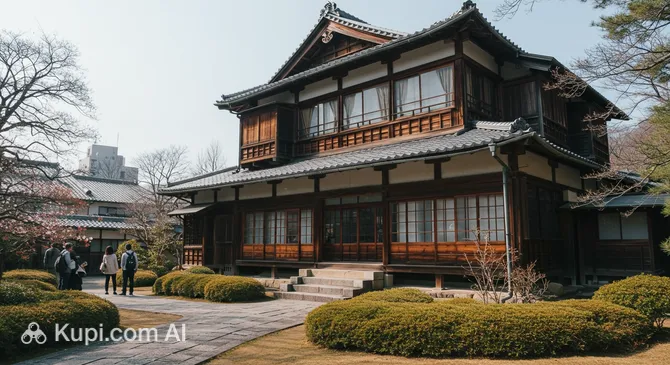
Homma Residence
Homma Residence. Иллюстрация. Источник: Kupi.com AI

Today, this building is recognized as an important cultural property of Yamagata Prefecture. Its layout is striking: formal halls for receiving high-ranking Shogunate officials neighbor the family's living quarters under one roof. The Honma Residence serves as a living testament to the time when the rice trade transformed this region into a thriving economic center.

The powerful nagayamon gate and an ancient red pine tree that seems to embrace the roof of the main entrance are particularly eye-catching. This tree is considered a symbol of resilience and humility—qualities the Honma family carried through the centuries. A visit to the estate is a rare opportunity to see authentic interiors and everyday objects preserved in their original form since the 18th century.

Contacts

For updated information before your visit, you can use the official contact details of the residence.

How to contactContact
Address12-13 Nibanchō, Sakata, Yamagata 998-0045, Япония
Phone+81 234-22-3562
Websitehommake.sakura.ne.jp

What to Do

Inside the Honma Residence, a journey through time awaits visitors. You can walk through rooms covered in tatami mats and admire the elegant shoji sliding doors and carved transoms above them. Of particular interest is the traditional kitchen with its earthen floor and massive stone counters, where life in the vast estate once bustled. The contrast between the refined samurai entrance and the functional merchant wing clearly demonstrates the dual status of the owners.

Be sure to pay attention to the exterior elements of the estate. The famous red pine at the entrance is a true masterpiece of natural form, harmoniously integrated into the architectural ensemble. You can also peek into the small inner gardens, which served as a place of privacy and contemplation for family members. Although photography inside the main building is usually prohibited, the impressions of the Japanese carpenters' craftsmanship and the minimalist aesthetics stay in your memory for a long time.

Many tourists prefer to combine their visit with a tour of the neighboring "Otana" annex shop, where you can feel the commercial spirit of the Honma clan. It is a good idea to purchase a combined ticket, which also opens the doors to the nearby Honma Villa and its magnificent garden. A walk through the historic quarter will allow you to imagine Sakata during its heyday as a key port on the Kitamae trade route.

Getting There

The historic Honma Residence is conveniently located in the city center, near the City Hall and the famous Sankyo Warehouses. If you are traveling from Tokyo, the most comfortable option is the JR Yamagata Shinkansen to Sakata Station. The journey takes about four hours.

Once you arrive at Sakata Station, you can reach the residence on foot in 20–30 minutes, enjoying the atmosphere of the Japanese province. If you prefer to save time, a taxi or a local bus from the station will take no more than 5–10 minutes. For those arriving via the port, the walk is also short and pleasant.

In the historic district of Sakata, it is very convenient to get around by rented bicycle or on foot, as many iconic sites are within walking distance of each other. For navigation, it is helpful to use modern mapping services, looking for the address in the Nibanchō quarter.

Ближайший город: Sakata

History & Facts

The history of the Honma family is an impressive journey from humble traders to the wealthiest merchant clan in Japan during the Edo period. They built their fortune on the rice trade, using the famous kitamae-bune cargo ships that sailed the Sea of Japan. The family's wealth was so immense that, according to legend, it surpassed the treasuries of many feudal lords of the time.

The residence building, erected in 1768 by the third head of the clan, Mitsuoka Honma, originally had strategic importance. It was built as a fitting place to receive inspectors from the Tokugawa shogunate. In recognition of the family's service to the local Sakai clan, the Honma were granted the exclusive right to live in this house and were elevated to samurai status—a rare achievement for members of the merchant class.

Despite their colossal influence, the Honma family members were known for their modesty and care for the region. They invested in land development, protecting fields from erosion, and building shelters for farmers. Even the architecture of their home, where samurai austerity sits alongside merchant practicality, emphasizes their unique status as "noble merchants," whose contribution to the development of Sakata is still honored today.

Time Needed

For a standard tour of the Honma Residence, including exploring the inner chambers, the ancient kitchen, and the small gardens, most travelers find 1–2 hours sufficient. This is enough time to leisurely study the architectural details and soak in the family's history.

If you plan to visit not only the main house but also the neighboring "Otana" shop building and walk to the nearby Sankyo Warehouses, you should set aside at least half a day for a stroll through this area. This comprehensive approach will allow you to fully experience the spirit of the ancient port city.

Working Hours

The doors of the Honma Residence are usually open to visitors daily from 9:30 AM to 4:30 PM (during the winter period, the closing time may be moved to 4:00 PM). Please note that the ticket office stops selling tickets 30 minutes before closing.

As the schedule may change depending on holidays or special events, it is recommended to check the museum's official website or inquire at the Sakata tourist information center before your trip.

09:30–16:00

Nearby

The city of Sakata is famous for its rich merchant past, and exploring the surroundings of the residence will allow you to dive deeper into the atmosphere of the Edo era. Many historical sites are literally just a few minutes' walk away, allowing for a packed walking itinerary.

NameDistance
Sankyo Soko Rice Warehouses0.5 km
Sushi Koise0.7 km
Sanno Club0.8 km
Somaro0.8 km
Komatsu Maguro0.8 km
Homma Museum of Art1 km
Hiyoriyama Park1.1 km

Reached the end of the page?

That means the route is fully explored