Support

Sankeien Garden

About

Sankeien (三溪園) is a magnificent and vast traditional Japanese garden, a true gem of the city of Yokohama, Japan. Although it is sometimes associated with the nearby city of Fujisawa, this picturesque spot spans approximately 175,000 square meters right in Yokohama, offering visitors peace and beauty.
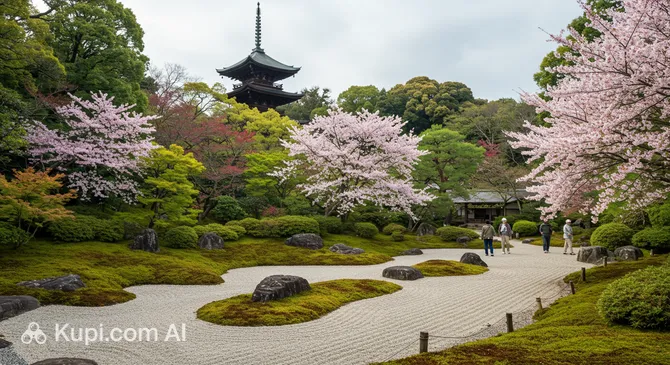
Sankeien Garden. Illustration.
Source: Kupi.com AI

Traveler photos:

Sankeien Garden is famous for its harmonious blend of natural landscape and historical architecture. Across its well-maintained grounds, you will find serene ponds, winding paths, and a collection of authentic historical buildings. Among them are ancient tea houses, elegant pagodas, and impressive gates, all carefully moved here from across Japan, which gives the garden its special cultural value.

Sankeien is more than just a garden; it is an important cultural asset and a popular destination for both locals and tourists from around the world. It is beautiful in any season, enchanting visitors with seasonal blooms—from delicate cherry blossoms in spring to the vibrant colors of autumn. A stroll through Sankeien offers a unique opportunity to experience traditional Japanese aesthetics and enjoy the silence and beauty of nature.

Contacts

Planning a visit to Sankeien Garden? To ensure your visit goes perfectly, we recommend checking the latest information on opening hours and potential events in advance. You can contact the administration or find more details using the contacts listed below.

How to contactContact
Address58-1 Honmokusannotani, Naka Ward, Yokohama, Kanagawa 231-0824, Japan
Phone number+81 45-621-0634
Websitewww.sankeien.or.jp

What to Do

Immerse yourself in an atmosphere of serenity and traditional Japanese beauty at Sankeien Garden. Here, visitors can enjoy leisurely walks along winding paths, past picturesque ponds with elegant bridges, and through meticulously manicured landscapes. The historical structures deserve special attention, including the famous three-story pagoda built in 1457 and authentic tea houses. The garden is enchanting year-round: with delicate cherry blossoms in spring, lush greenery in summer, vibrant autumn leaves, and a stark, tranquil beauty in winter.

In Sankeien, you can enjoy more than just contemplative relaxation; you can actively engage with Japanese culture. In the ancient tea houses, guests have the unique opportunity to participate in a traditional Japanese tea ceremony, learning about its deep meaning and rituals. Furthermore, the garden regularly hosts various seasonal festivals, exhibitions of exquisite Ikebana art, and fascinating calligraphy workshops where anyone can try their hand at this ancient art.

Nature lovers and photography enthusiasts will find Sankeien to be an inexhaustible source of inspiration. The rich variety of flora is stunning, and amidst the greenery and on the water's surface, you can observe Japanese cranes, gracefully swimming koi carp, and other garden inhabitants that create a unique atmosphere of harmony. After a full walk and exploring the garden's cultural treasures, you can relax in one of the local cafes, enjoying traditional Japanese desserts, or pick out memorable souvenirs and local crafts in the shops located on-site.

Getting There

Sankeien Garden, one of the gems of Japanese landscaping, is located in the city of Yokohama. To reach it, the most convenient starting point is the central part of Yokohama. From JR Yokohama Station, you can easily find buses number 8 or 148. The journey to the "Sankeien Iriguchi" stop, located in the immediate vicinity of the garden entrance, takes approximately 35 minutes.

There is an alternative route: you can take the JR Negishi Line to Negishi Station and then transfer to bus No. 58, No. 99, or No. 101. These buses go directly to the entrance of Sankeien. This option might be preferable depending on your starting point in Yokohama or if you want to shorten the bus travel time.

If you are planning a visit to Sankeien from Tokyo, your path will also lead through Yokohama. First, you need to reach Yokohama Station by train, and then use one of the bus routes mentioned above. Yokohama is a major transport hub, making it easy to reach other interesting places in the region, such as the city of Fujisawa. For those traveling by private car, paid parking is available near Sankeien Garden, offering more flexibility.

When planning your trip, especially during popular seasons like cherry blossom or autumn foliage, keep in mind that Sankeien attracts many visitors. It is recommended to arrive early to avoid large crowds and fully enjoy the peaceful atmosphere of this magnificent garden.

Nearest city: Yokohama

History & Facts

Sankeien Garden in Yokohama is a masterpiece of Japanese gardening. Its history began in 1906 thanks to the efforts of Tomitaro Hara, a successful businessman and passionate art collector known by the pseudonym Sankei. Inspired by the harmony between nature and art, Hara envisioned creating not just a beautiful garden, but a unique space where valuable historical structures could be preserved for future generations. To this end, he relocated ancient buildings from Kyoto, Kamakura, and other regions of Japan to the garden grounds, each carrying a piece of the country's rich history.

The fate of Sankeien Garden was closely tied to the dramatic events of the 20th century. Following restoration efforts, the garden was reopened to the public in 1953, revived while preserving its unique atmosphere. Notably, many of the historical buildings carefully assembled within Sankeien are now officially recognized as Important Cultural Properties of Japan, highlighting their exceptional historical and architectural significance.

Today, Sankeien is more than just a picturesque garden and open-air museum. It has evolved into a true cultural center, regularly hosting various events from traditional tea ceremonies to art exhibitions. The garden also serves an important educational role, offering programs that introduce visitors to Japanese culture and history. For residents and guests of Yokohama and all of Japan, Sankeien remains a favorite place for relaxation, contemplation, and connecting with centuries-old traditions.

Time Needed

When planning a visit to Sankeien, located in Fujisawa, you should expect to spend about 2-3 hours to fully appreciate this beautiful place. This timeframe will allow you to enjoy all the charms of the garden and its architectural gems without rushing.

During this period, you can take a leisurely stroll through the garden's extensive grounds, admiring the meticulously designed landscapes that change their appearance with the seasons. You will have enough time to view the main historical buildings relocated here from various parts of Japan and appreciate their unique architecture. Additionally, this allows enough time to participate in a traditional tea ceremony if one is held on the day of your visit, or to take memorable photos against the backdrop of scenic views.

Of course, if you wish to immerse yourself more deeply in the atmosphere of every corner of the garden, study each structure in detail, or simply spend more time in meditative contemplation of nature, your stay may be longer. However, for a general overview and to gather vivid impressions, two to three hours will be quite sufficient.

Working Hours

Sankeien Garden is typically open to visitors daily from 9:00 AM to 5:00 PM. Please note that the last entry is at 4:30 PM, so plan your time accordingly to enjoy all the beauty this place has to offer.

While the garden is open year-round, its schedule may change during national holidays or special events. Therefore, it is highly recommended to check the current opening hours and see if advance ticket booking or registration is required on the official Sankeien website or through local information sources before your visit. This will help you avoid inconvenience and make your visit as comfortable as possible.

9:00 – 17:00

Nearby

Visiting a landmark as significant as Sankeien is a highlight in itself. However, to make your trip to Fujisawa even more rewarding and complete, it is worth exploring nearby points of interest. Discovering the surrounding area will allow you to dive deeper into the city's atmosphere, uncover new facets of its culture and history, and simply enjoy your time by complementing your main excursion.

There are several notable sites near Sankeien that may interest a curious traveler. Check the list below to plan your time and perhaps include a few more interesting spots in your itinerary.

NameDistance
Yamashita Park3.3 km
Sky Lounge Sirius4.8 km
Yokohama Landmark Tower4.9 km
Yoshimuraya6.5 km
Yokohama Hakkeijima Sea Paradise Aqua Museum8.9 km
Yokohama Hakkeijima Sea Paradise9 km
Yokohama Zoo Zoorasia14.7 km

Have you reached the end of the page?

So the route has been studied inside and out