Support

Shibuya Scramble Crossing

About

Shibuya Crossing (Japanese: 渋谷スクランブル交差点) is, without exaggeration, the most famous and busiest diagonal pedestrian crossing not only in Tokyo but in all of Japan. Located in front of Shibuya Station in the special ward of the capital of the same name, it has become a true symbol of the modern metropolis and one of its main tourist attractions, drawing thousands of people daily.
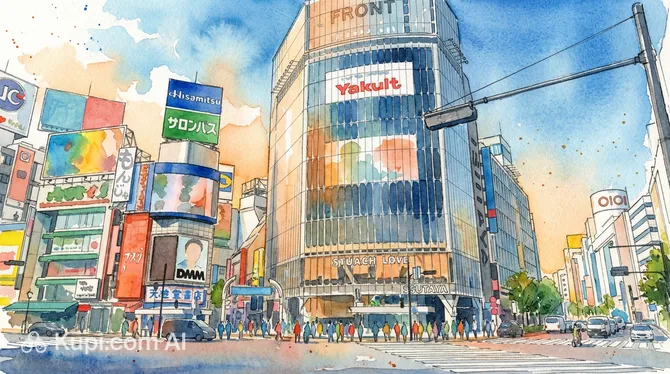
Shibuya Scramble Crossing. Illustration.
Source: Kupi.com AI

Traveler photos:

The uniqueness of Shibuya Crossing lies in its striking scale and perfectly tuned traffic management. At peak times, when the green light for pedestrians turns on, up to 3,000 people can cross simultaneously, and in one minute—from 1,000 to 2,500! For a full fifty-five seconds, vehicle traffic stops completely, giving way to a huge mass of people moving in all possible directions, including diagonally.

What might look like a chaotic crowd from the outside is actually a surprisingly harmonious and synchronized performance, which the Japanese aptly call "sukuranburu" (scramble). This mesmerizing sight, embodying Tokyo's frantic pace and energy, has become an integral part of the culture and a must-visit for everyone who wants to feel the true spirit of modern Japan.

Contacts

Shibuya Crossing is a famous public space, so it doesn't have a single administrative office or specific contact details. If you need tourist information about the Shibuya district or the crossing itself, we recommend contacting one of the Tokyo tourist information centers or visiting the city's official tourism website. The crossing is located right at the exit of Shibuya Station, making it easily accessible.

How to contactContact
Address21 Udagawacho, Shibuya, Tokyo 150-0042, Japan

What to Do

Visiting Shibuya Crossing is a vivid experience in itself. The main thing you can do here is, of course, become part of the famous "scramble": join thousands of others in crossing this enormous intersection when the pedestrian light turns green. It’s a unique experience that allows you to feel the incredible energy and rhythm of Tokyo. Many tourists come here specifically to take memorable photos and videos against the backdrop of giant neon billboards that adorn the surrounding buildings and look especially impressive in the evening.

Directly next to the crossing is one of Tokyo's most touching attractions—the statue of the loyal dog Hachiko. This is a very popular meeting place and, of course, a great spot for photos. Here, you can not only take a photo next to the famous monument but also soak in the amazing story of the dog's devotion, waiting for its owner at this spot for many years. It is an iconic place that reminds us of eternal values even in the heart of an ultra-modern metropolis.

In addition, the Shibuya district itself, centered around the crossing, is a true epicenter of fashion, entertainment, and youth culture. A huge number of shops are concentrated around the crossing, from large department stores to small boutiques offering the latest trends. There are also many restaurants for every taste, cafes, bars, and nightclubs, so after watching or joining the flow of people, you can always find a place to rest and grab a bite. On the southwest side of Shibuya Station, there is another popular meeting spot—Moyai, featuring a statue reminiscent of the famous Moai statues of Easter Island.

Getting There

Getting to Shibuya Crossing is remarkably easy, as it is located right in front of Shibuya Station. This station is one of Tokyo's largest and busiest transportation hubs, serving numerous metro and suburban train lines. Thanks to this, it’s easily reachable from almost anywhere in the Japanese capital and its surroundings. No matter where you are staying, you’ll likely find a convenient public transport route leading straight to the heart of this famous district.

Once you arrive at Shibuya Station, your next task is to find the correct exit. To find yourself directly at Shibuya Crossing, follow the signs for the Hachiko Exit. This exit is easy to spot: it’s named after the famous statue of the loyal dog Hachiko, which is a popular meeting spot nearby. As soon as you leave the station through this exit, you’ll immediately be at the famous diagonal pedestrian crossing, ready to join the bustling flow or simply watch this spectacular sight.

If you want to not only cross the intersection but also enjoy a panoramic view from above, there is a great option near Shibuya Station. Nearby is the modern Shibuya Sky observation deck. Going up there will allow you to see the full scale of this incredible human anthill and take stunning photos. It is especially impressive in the evening when the crossing is illuminated by the lights of billboards and car headlights.

Nearest city: Tokyo

History & Facts

The history of Shibuya Crossing is inextricably linked with the post-war period in Japan. Few people know that after World War II, a makeshift black market was located on the site of this now world-famous pedestrian crossing. However, as the country's economy recovered and Tokyo's infrastructure actively developed, this place gradually transformed into one of the capital's most important transport hubs and a symbol of its rebirth.

Shibuya Crossing gained its global fame not only through its unique pedestrian organization but also largely through cinema and popular culture. It has repeatedly served as a dramatic backdrop for scenes in famous films like "Lost in Translation" and "The Fast and the Furious: Tokyo Drift." These vivid cinematic images have contributed to the crossing becoming one of the most recognizable symbols of not just Tokyo, but of modern Japan as a whole, attracting tourists from all over the world.

Another remarkable fact closely associated with Shibuya Crossing is the touching story of the loyal dog Hachiko. The statue of this Akita Inu, located nearby, has become a true place of pilgrimage. Hachiko would see off and meet his owner, Professor Hidesaburo Ueno, at Shibuya Station every day. After the professor's sudden death in 1925, the devoted dog continued to come to the station daily for nearly ten years, waiting in vain for his return. This story of incredible loyalty so deeply moved the hearts of the Japanese people that while Hachiko was still alive, in 1934, a bronze statue was erected in his honor, becoming a symbol of devotion and love.

Time Needed

To fully experience the atmosphere of Shibuya Crossing and take memorable photos, it is recommended to set aside about 1-2 hours. This time will be enough to cross the intersection several times in different directions and feel its incredible energy. During this time, you will also have time to visit nearby landmarks, such as the famous statue of the loyal dog Hachiko and the original Moyai statue, which are popular spots for photos and meetings.

If your plans include more than just crossing and seeing the nearby monuments, but also a deeper immersion into the life of the district, you will need more time. For example, if you want to observe the crossing from one of the observation decks in the surrounding buildings (for instance, from a Starbucks cafe or the Shibuya Sky deck), shop in the numerous stores Shibuya is famous for, or sit in one of the local cafes or restaurants, then feel free to budget extra time. In this case, a visit could easily take half a day or even more, depending on your interests.

Working Hours

Shibuya Crossing, being a vital urban transport artery, operates 24/7 and is accessible at any time of the day or night, all year round. No special booking or tickets are required to cross it or observe from the sidelines, as it is a public space. There are also no seasonal restrictions—the crossing is equally busy in both winter and summer.

However, to witness the most impressive sight and feel the full power of this human flow, it is recommended to visit Shibuya Crossing during certain hours. The most spectacular views open up in the evening, from approximately 6:00 PM to 9:00 PM, when the bright neon advertisements on the surrounding buildings light up. Peak activity also occurs during morning (8:00 AM - 9:00 AM) and evening (5:00 PM - 7:00 PM) rush hours on weekdays, when thousands of people simultaneously head about their business.

Nearby

Visiting the famous Shibuya Crossing is undoubtedly one of the highlights of a trip to Tokyo. However, to make your experience even richer and more complete, it's worth taking the time to explore the surroundings of this iconic location. The Shibuya district is not just a busy intersection, but a whole world of trendy shops, cozy cafes, interesting galleries, and other attractions all within walking distance.

Exploring the nearby streets and establishments will allow you to dive deeper into the atmosphere of one of Tokyo's most dynamic districts and discover something new and unexpected, whether it's a unique souvenir shop, a hidden bar off the tourist path, or a quiet park to escape the city bustle. Below is a list of some interesting places located near Shibuya Crossing that can complement your walk.

NameDistance
Shibuya Stream Bar0.3 km
Shibuya Coffee Bar0.5 km
Reserve Roastery Tokyo1.3 km
Blue Note Tokyo1.4 km
Nezu Museum1.5 km
Suga Shrine3.5 km
teamLab Borderless3.9 km

Have you reached the end of the page?

So the route has been studied inside and out