Support

Hakone Venetian Glass Museum

About

The Hakone Venetian Glass Museum, also known as Garasu no Mori, is a charming place where the art of Italian masters comes to life in the heart of Japan. Located in the picturesque Sengokuhara district of Hakone, this unique museum is entirely dedicated to the exquisite world of Venetian glass. It attracts connoisseurs of beauty from all over the world with its sophisticated atmosphere and magnificent exhibits.
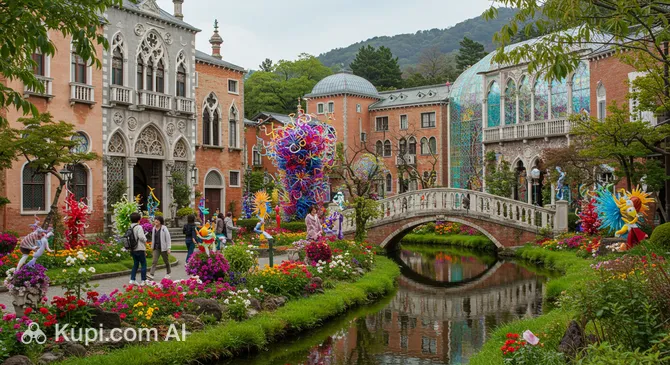
Hakone Venetian Glass Museum. Illustration.
Source: Kupi.com AI

Traveler photos:

The museum's main pride is its rich collection, which covers both classic examples of Venetian glassmaking created by masters from the 15th to the 19th centuries, as well as modern works inspired by centuries-old traditions. The museum's exposition is thoughtfully divided into two main parts: one dedicated to ancient masterpieces, primarily from the 15th–18th centuries, and the other to the works of modern glassblowers who continue and develop this refined art.

The magnificent Italian-style garden surrounding the museum adds a special charm. Strolling through its well-kept alleys, among fountains and elegant outdoor glass installations, guests feel as if they have been transported into a European fairytale, harmoniously integrated into the serene landscapes of the Japanese mountains. This atmosphere makes a visit to the Venetian Glass Museum not just informative, but a truly magical experience.

Contacts

To find current information about the operation of the Hakone Venetian Glass Museum, it is recommended to contact the administration. For more detailed information, such as opening hours or special events, we recommend visiting the official website of the museum, if available, or contacting local tourist information centers in Hakone.

How to contactContact
Address940-48 Sengokuhara, Hakone, Ashigarashimo District, Kanagawa 250-0631, Japan
Phone number+81 460-86-3111
Websitewww.hakone-garasunomori.jp

What to Do

At the Hakone Venetian Glass Museum, visitors immerse themselves in the world of fine art. Here, you can not only admire rare and exquisite examples of Venetian glass but also touch the mystery of its creation yourself. Workshops are particularly popular, where anyone, under the guidance of experienced masters, can make a unique glass ornament or a small souvenir to remember their visit.

In addition to the main exhibition, the museum invites you for a stroll through the picturesque garden. It is decorated with numerous glass sculptures and installations that shimmer particularly beautifully in the sun, creating a fairytale atmosphere. Your visit can be supplemented by temporary exhibitions, classical music concerts, or other themed events regularly held on the museum grounds, making each visit unique.

For those who want a snack or a rest, there is an Italian cafe and restaurant on the museum grounds. Here you can enjoy Mediterranean cuisine while admiring magnificent views of the surrounding mountains. Your visit can be concluded at the gift shops, which offer a wide selection of original Venetian glass products that will serve as a wonderful reminder of your visit to this amazing place in Hakone.

Getting There

The Venetian Glass Museum is conveniently located in the picturesque Sengokuhara area of Hakone, often called the "museum district" due to its concentration of cultural sites. This makes it easily accessible for tourists exploring this part of Japan.

The primary way to reach the museum is by public transport. The specialized Kanko-shisetsu-meguri sightseeing bus, which runs on a circular route between key attractions in the region, stops right at the museum. You will need to get off at the Hyoseki stop, which is just a few minutes' leisurely walk from the museum entrance. This is very convenient as it allows you to combine a visit to the Venetian Glass Museum with other interesting places in the area.

If you are planning a trip from Tokyo or other major cities in Japan, the best option is to first reach Odawara or Hakone-Yumoto station by train. These stations are major transport hubs for the region. From there, you will need to transfer to a bus heading towards Sengokuhara. The museum is well-marked on all tourist maps and signs, and Hakone's developed transport infrastructure ensures comfortable travel for visitors to Hakone.

Nearest city: Hakone

History & Facts

The Hakone Venetian Glass Museum is a wonderful place where Japanese culture meets European art. Its opening was timed to coincide with a significant event—the establishment of sister relations with the renowned Murano Glass Museum located in Venice itself. This gesture symbolized a bridge between two different cultures that equally value beauty.

The visionary and creator of the museum was Sadao Ukai, a well-known connoisseur and passionate collector. It was his enthusiasm and dedication to art that allowed for the assembly of this unique collection. Mr. Ukai personally selected the exhibits, paying special attention to rare and historically significant items. Among the jewels of the collection are exquisite sets that once belonged to aristocratic Italian families, refined wine glasses of the famous Visconti family, and majestic tall vases by the master Vangelisti.

The museum's extensive collection includes more than 500 magnificent pieces of Venetian glass, each with its own story. However, to ensure that every visit is unique, only part of the treasures are displayed in the permanent exhibition. The exhibitions are regularly updated, allowing visitors to discover new facets of this fragile and elegant art time and again. Thanks to this, the Venetian Glass Museum has firmly established itself as one of the main cultural centers of Hakone and an attractive destination for tourists from around the world.

Time Needed

To fully enjoy the exhibition at the Hakone Venetian Glass Museum and stroll through its picturesque garden, visitors are usually recommended to set aside from 2 to 3 hours. This time is generally sufficient to view the main collection of glassware and experience the atmosphere of this unique place in Hakone.

If you plan not only to view the exhibition but also to immerse yourself in the creative process at one of the glass-making workshops, or to take a leisurely break in the local cafe while enjoying the views, you should allow more time for your visit. In this case, your stay at the museum could last up to half a day, allowing you to explore everything this charming place has to offer without rushing.

Working Hours

The Hakone Venetian Glass Museum usually welcomes visitors daily from 10:00 to 17:30. Please note that the last entry to the museum is possible 30 minutes before the official closing time, which is 17:00. This gives you enough time to enjoy the exquisite glass collections.

Although the museum is generally open year-round, its operating hours may vary slightly depending on the season or special events. Therefore, to ensure your visit goes smoothly, it is strongly recommended to check the current schedule on the official museum website or at local tourist information centers before your trip. It is also worth finding out in advance if pre-booking tickets is necessary, especially if you plan to visit during the peak tourist season.

10:00 – 17:30

Nearby

A visit to the Hakone Venetian Glass Museum in Hakone is a highlight in itself, but exploring its surroundings can make your trip even more rewarding and memorable. Nearby attractions offer a variety of experiences, from natural beauty to cultural sites, allowing you to dive deeper into the atmosphere of this amazing region of Japan.

By taking the time to explore what is nearby, you can get a more complete picture of Hakone and its unique character. Below is a list of interesting places located near the Hakone Venetian Glass Museum that could be excellent additions to your itinerary.

NameDistance
HAKONE TENT Bar3.1 km
Hakone Open-Air Museum3.9 km
Tsutaya Hakone Onsen Guesthouse4.3 km
Fujiya Hotel4.5 km
Fureai Doubutsu Land Dakko Shite! ZOO!6.1 km
Gotemba Premium Outlets6.8 km
Forest Adventure Hakone8 km

Have you reached the end of the page?

So the route has been studied inside and out