Support

Zenkōji Temple

About

Zenko-ji Temple is one of the most important and revered Buddhist temples in Japan, located in Nagano. Founded in the 7th century, it holds immense historical and cultural significance, with several of its structures recognized as National Treasures. The city of Nagano is a classic example of a "temple town" that grew and developed over centuries specifically around this magnificent complex.
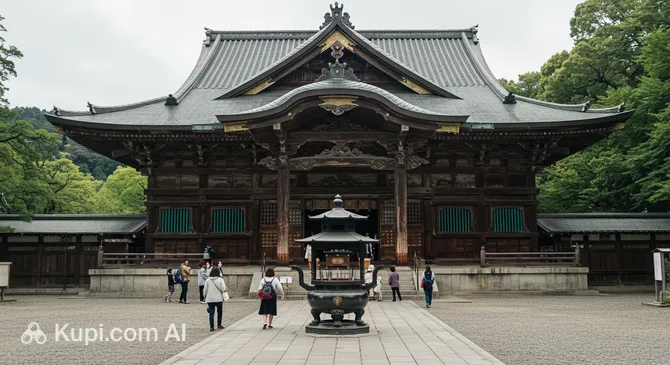
Zenkōji Temple. Illustration.
Source: Kupi.com AI

Traveler photos:

The temple's main relic is believed to be the first Buddhist statue brought to Japan in the 6th century. The original statue, known as hibutsu ("secret Buddha"), is permanently hidden from view, and even the temple's high priests are not allowed to see it. Only once every six or seven years is an exact replica shown to believers during the special Gokaicho ceremony. Zenko-ji is also unique because it does not belong to any single Buddhist sect and is open to all believers, regardless of their background.

The temple's architecture is impressive: its main building is the third-largest wooden structure in Japan and the largest in the eastern part of the country. For visitors, one of the most memorable highlights is descending into the dark underground passage beneath the main altar. Here, in complete darkness, pilgrims and tourists search for the "key to paradise"—it is believed that whoever touches it will find salvation and enlightenment.

Contacts

To plan your visit and get the latest information, such as opening hours or special ceremonies, it is recommended to visit the temple's official website or contact its representatives directly. Below are the main contact details.

How to contactContact
AddressJapan, 〒380-0851 Nagano, Motoyoshichō 491番地 イ
Phone number+81 26-234-3591
Websitewww.zenkoji.jp

What to Do

While on the temple grounds, be sure to pay attention to the main Sanmon gate. This monumental structure, built in 1750, is recognized as an Important Cultural Property of Japan. Inside the gate, you can see five intricate wooden statues, including a depiction of a Bodhisattva, making it more than just an entrance but a site worth exploring in its own right.

To immerse yourself more deeply in the spiritual life of Zenko-ji, try to attend one of the daily sermons given by the monks. During these services, known as O-asaji, you can hear stories about the temple's past and better understand its significance. For believers, visiting this site holds special meaning: it is thought that worshipping the relic here can bring relief to the sick and even guarantee eternal bliss in paradise. And if you are lucky enough to be here during the Gokaicho ceremony, held every six years, you will be able to see the exact replica of the temple's main treasure.

Getting There

Reaching Zenko-ji Temple is quite simple, as it is the main attraction of Nagano. Most travelers start their journey at JR Nagano Station. From here, you can reach the temple by bus or taxi in just 10 minutes, making it the fastest and most convenient option. Buses to the temple depart regularly, and finding the correct stop at the station is straightforward.

For those who prefer walking and want to get a better feel for the city, there is an excellent opportunity to walk to the temple. The route from Nagano Station to Zenko-ji takes about 30 minutes via the city's main street—Omotesando (Chuo-dori). This street is an attraction in its own right, lined with shops, souvenir stalls, and restaurants, turning the walk into a delightful mini-journey.

Alternatively, you can use the local Nagano Dentetsu (Nagaden) railway line. From Nagaden Nagano Station, located next to the main JR Nagano Station, take a train to Zenkojishita Station. The ride takes only a few minutes, followed by a 5–10 minute walk to the temple complex. This option is also very convenient and offers a different perspective of the city.

Nearest city: Nagano

History & Facts

The history of Zenko-ji Temple is steeped in legend and dates back to the 7th century. According to tradition, a peasant named Honda Yoshimitsu found the temple's main sacred object—an Amida Buddha triad—in a canal. He brought it to his home, and in 644, a special temple was built for it. The name "Zenko-ji" comes from an alternative reading of the founder's name, Yoshimitsu, and literally translates to "Yoshimitsu's Temple" or "Temple of the Good Light." This sacred relic is considered the first Buddhist image to arrive in Japan in the 6th century, and since 654, it has been completely hidden from view and never displayed to the public.

The architectural style we see today was largely shaped during the Edo period. After numerous fires and destruction, the main hall was last reconstructed on a grand scale in 1707. This magnificent structure became the third-largest wooden building in the country and the largest in eastern Japan. Another significant part of the complex is the main Sanmon gate, built in 1750. It holds the status of an Important Cultural Property and is impressive for its size and intricate carvings. The entire city of Nagano historically grew around this temple, making Zenko-ji the heart and soul of the region.

One of the temple's most intriguing traditions is the Gokaicho ceremony, held once every six years and lasting about two months, typically in April and May. During this time, believers have the unique opportunity to see the Maedachi Honzon—an exact replica of the hidden main sacred image. It is believed that even touching this replica grants enlightenment and salvation, as it possesses the same power as the original. This ceremony attracts millions of pilgrims from across the country, turning the temple complex into a hub of spiritual life.

Time Needed

For a brief introduction to Zenko-ji Temple and its main grounds, 1.5–2 hours is sufficient. During this time, you can take a leisurely stroll along the picturesque Omotesando temple street, admire the impressive Niomon and Sanmon gates, view the main hall from the outside, and feel the peaceful atmosphere of this sacred site. This is enough for a general impression and some beautiful photos.

If you want to dive deeper into the history and spiritual life of the temple, plan for a 3–4 hour visit or even half a day. This will allow you not only to enter the main hall but also to take a mysterious journey through the dark underground passage in search of the "key to paradise," which is one of the most memorable moments for visitors. Additionally, you can visit the Zenko-ji History Museum located in the pagoda, which houses a collection of Buddhist statues.

Keep in mind that visit times can increase significantly if you decide to participate in special events. For example, the O-asaji morning services begin at dawn and offer a unique spiritual experience. Also, during major festivals like Gokaicho, which occurs every few years, the temple grounds attract vast numbers of pilgrims, which can lead to queues and require more time for sightseeing.

Working Hours

Zenko-ji Temple in Nagano is open to visitors year-round, though the hours for specific parts vary. The main temple grounds are accessible 24/7, allowing for a stroll at any time. The Main Hall (Hondo) opens about an hour before sunrise for morning services and closes at different times depending on the season: at 4:30 PM from April to October, at 4:15 PM in March and November, and at 4:00 PM from December to February. Other sites, such as the Sanmon gate and the history museum, usually operate from 9:00 AM to 4:00 PM.

For a standard visit and access to paid areas like the inner sanctuary, the underground passage, or the museum, advance booking is not required—tickets can be purchased on-site. However, if you wish to participate in the morning rituals or stay overnight in one of the temple's guesthouses (shukubo), it is recommended to check details and booking availability in advance. Since the start time of the morning services changes daily based on sunrise, we strongly suggest checking the current schedule on the official Zenko-ji Temple website before your visit.

6:00 – 16:00

Nearby

Visiting Zenko-ji Temple is undoubtedly a highlight for any visitor to Nagano. However, to get a complete picture of this amazing place, it is worth spending some time in its surroundings. A stroll through the adjacent areas will allow you to find unique souvenirs and sample local delicacies, as well as discover other interesting corners of the city, each adding vibrant colors to your travel experience.

Exploring the nearby area will enrich your journey and show how multifaceted Nagano is. Just a short walk or a quick ride from the temple, you'll find zoos, museums, and cozy spots that help you better understand the culture and daily life of Japan. Below is a list of nearby attractions that might interest you.

NameDistance
Monzen Terrace Enya0.6 km
Yoshizaki Italian Wine Bar1.7 km
MIDORI Nagano2 km
Chausuyama Zoo10.6 km
Togakushi Museum of Natural History10.8 km
Kids' Ninja Village11.8 km
Matsushiro Underground Imperial Headquarters11.8 km

Have you reached the end of the page?

So the route has been studied inside and out