Support

Ueda Castle Ruins Park

About

Ueda Castle Ruins Park is an iconic historical and cultural site located in Nagano, Japan. Within its grounds lie the impressive remains of the famous Ueda Castle, built in the 16th century. This location attracts both history buffs and those seeking a peaceful retreat in nature, offering a unique immersion into the past.
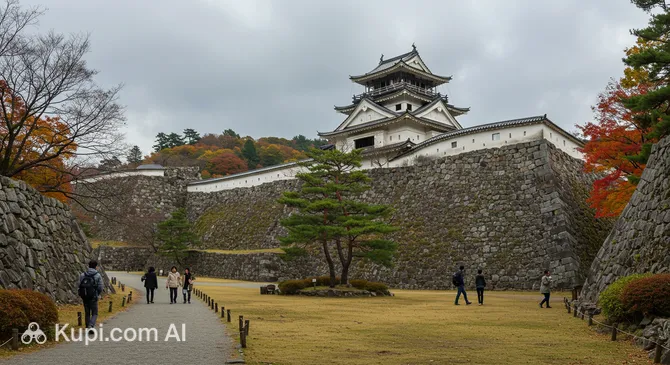
Ueda Castle Ruins Park. Illustration.
Source: Kupi.com AI

Traveler photos:

Visitors to the park can walk among the preserved and reconstructed parts of the ancient fortress. The majestic stone walls, historical gates, and watchtowers of Ueda Castle tell stories of its former strategic significance and rich history. The atmosphere of this place allows one to vividly imagine the events of bygone eras and feel the spirit of the samurai age.

Today, Ueda Castle Ruins Park is very popular with both tourists and locals. It is surrounded by well-maintained gardens and picturesque alleys, creating excellent conditions for walks and family outings. In addition to the historical ruins, the park offers the beauty of Japanese nature and tranquility, making it an ideal place to visit at any time of year.

Contacts

To get the most up-to-date information on opening hours, events, or to clarify visiting details for Ueda Castle Ruins Park, we recommend checking the official park website (which may be available in Japanese) or local tourist information centers in the city of Nagano. The park is located at: Nagano-ken Ueda-shi Ninomaru, Japan, and can be reached by following this location.

How to contactContact
Address2 Ninomaru, Ueda, Nagano 386-0026, Japan
Phone number+81 268-23-5135

What to Do

At Ueda Castle Ruins Park, visitors can immerse themselves in history by exploring the carefully reconstructed castle towers. Among them, the Minami (South) and Kita (North) towers stand out, as well as the impressive Higashitoraguchi gate tower. Do not miss the opportunity to admire the Amagafuchi cliff—a scenic point above a tributary of the Chikuma River, which served as a natural moat for the castle in the 16th century. This is a great spot to take memorable photos and imagine what the fortress looked like in its prime, as well as to learn more about Sengoku-period military architecture.

For those who want to study the history of this place in greater depth, themed tours and exhibitions are organized in the park. These are dedicated to the history of the famous Sanada clan and key events associated with Ueda Castle. Furthermore, the park comes alive during seasonal events, such as the popular cherry blossom festivals in spring, which attract many guests with their beauty and atmosphere.

In addition to historical exploration and cultural events, Ueda Castle Ruins Park offers comfortable conditions for relaxation. The grounds feature specially equipped rest areas where you can take a breather, observation decks offering beautiful views, and souvenir shops where you can buy commemorative gifts and learn more about the local culture.

Getting There

Getting to Ueda Castle Ruins Park is quite simple, especially if you are traveling by train. The main arrival point is Ueda Station, located in the city of Ueda. This station is served by JR lines and private railway companies. If you are coming from Tokyo, the most convenient and fastest way is to take the Shinkansen high-speed train (Nagano Shinkansen line). The journey to Ueda Station takes approximately 1.5 hours.

From Ueda Station, it is only about a 10-minute walk to Ueda Castle Ruins Park itself. This makes the attraction easily accessible for all travelers. If you plan to travel by car, there are parking lots nearby where you can leave your vehicle.

Ueda itself, where the park is located, has good transport links to other cities in Nagano Prefecture and other regions of Japan. For getting around, you can use both bus routes and an extensive railway network, making it easy to include a visit to the park in your travel itinerary.

Nearest city: Nagano

History & Facts

The history of Ueda Castle Ruins Park is inextricably linked with the name of the prominent commander Sanada Masayuki. In 1583, he founded this castle, which was intended to be the main citadel and residence of the powerful Sanada clan. From the very beginning of its existence, Ueda Castle was not just a fortress, but a strategically important site destined to play a significant role in the turbulent events of Japanese history.

Ueda Castle gained true fame through two heroic defenses against the significantly superior forces of Tokugawa Ieyasu. The first occurred in 1585, and the second in 1600, during the famous campaign preceding the Battle of Sekigahara. In both instances, a small garrison led by Sanada managed not only to hold out but also to inflict notable damage on the opponent. These victories turned Ueda Castle into a legend, a symbol of the unwavering spirit, military skill, and strategic foresight of the Sanada clan.

However, after the defeat of the Sanada allies in the decisive Battle of Sekigahara, the fate of Ueda Castle changed dramatically. It was partially destroyed, and the Sanada clan was sent into exile. Later, by order of the Tokugawa shogunate, the castle was handed over to Sengoku Tadamasa. The new ruler undertook the restoration of the fortress: he reinforced the stone walls and rebuilt the towers, striving to return the castle to its former glory, albeit under the aegis of the new government. Today, only certain elements of the original structures remain, but every stone here holds the memory of a glorious and dramatic past, allowing park visitors to touch the living history of Japan.

Time Needed

To fully enjoy the atmosphere of Ueda Castle Ruins Park and see its main sights, it is recommended to allocate 1.5 to 3 hours. This amount of time is generally enough for a leisurely stroll through the entire park, including viewing the preserved and reconstructed towers, as well as visiting small museum displays if they are part of your plans.

During this time, you will be able to not only learn about historical structures but also take commemorative photos against the backdrop of picturesque ruins and surrounding landscapes. If you plan a deeper immersion, such as participating in a guided tour or visiting all available exhibitions, you should aim for the upper end of this time range. For a quick look at the main points, an hour might suffice, but for a full impression, it is better not to rush.

Working Hours

Ueda Castle Ruins Park is open to visitors daily, and entry to its main grounds is generally free. However, if you plan to visit the towers and the museum located within the park, please note that they operate on a specific schedule. Typically, the opening hours for these sites are from 8:30 AM to 5:00 PM. It is important to remember that these times may change depending on the season.

As the exact schedule can vary, it is highly recommended to check the current information regarding tower and museum opening hours on the official Ueda Castle Ruins Park website or inquire at local tourist information centers before your visit. This will help you plan your visit in the best possible way and avoid any inconvenience. The park itself is accessible for walks year-round.

Open 24 hours

Nearby

A visit to Ueda Castle Ruins Park will undoubtedly be a highlight of your journey through Nagano. However, to make your experience even more rewarding and complete, it is worth paying attention to nearby attractions. Exploring the surroundings will allow you to dive deeper into the culture and history of the region, revealing new facets of this amazing corner of Japan.

Close to the park, you will find other interesting sites, each unique in its own way and deserving of attention. This is a wonderful opportunity to expand your itinerary and take home even more unforgettable memories.

NameDistance
Ueda City Museum of Art0.6 km
Mugonkan Museum7.6 km
Matsushiro Underground Imperial Headquarters17.4 km
Chausuyama Zoo23.2 km
MIDORI Nagano27.1 km
Yoshizaki Italian Wine Bar27.4 km
Monzen Terrace Enya28.4 km

Have you reached the end of the page?

So the route has been studied inside and out