Support

Ryogoku Kokugikan

About

Ryogoku Kokugikan (両国国技館), which translates as the "Ryogoku National Martial Arts Hall," is a famous indoor sports arena located in the Yokoami neighborhood, near the Ryogoku district in the Sumida special ward of Tokyo, Japan. This iconic landmark is the heart of traditional Japanese sumo wrestling and the primary venue for tournaments (basho), attracting thousands of fans of this ancient sport from around the world.
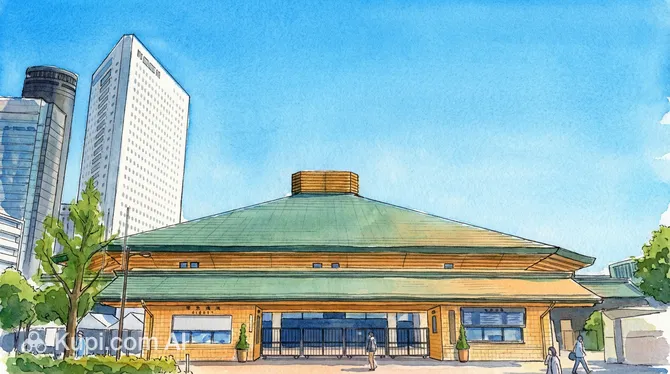
Ryogoku Kokugikan. Illustration.
Source: Kupi.com AI

Traveler photos:

The modern arena building, officially opened in January 1985, is impressive in its capacity—it can accommodate more than 11,000 spectators. Its architecture and internal atmosphere are deeply permeated with the spirit of Japanese tradition, turning every event held here into an unforgettable spectacle and a deep dive into the country's culture.

The main purpose of Ryogoku Kokugikan is, of course, hosting sumo tournaments, which take place here three times a year (in January, May, and September). However, the arena is also used for other spectacular events, including boxing matches, professional wrestling, and occasionally large-scale music concerts. An important part of the complex is the Sumo Museum, located right inside the arena building. Visiting the museum allows for a deeper understanding of the history and rituals of this unique martial art, making Ryogoku Kokugikan not just a sporting venue, but a true cultural center and a must-visit for anyone interested in Japanese traditions.

Contacts

For the latest information on upcoming tournaments, entry requirements, and ticket purchases for events at Ryogoku Kokugikan, you can use the official contact details. We recommend visiting the arena's official website for the most complete and up-to-date information.

How to contactContact
Address1-chōme-3-28 Yokoami, Sumida City, Tokyo 130-0015, Japan
Phone number+81 3-3623-5111
Websitekokugikan.sumo.or.jp

What to Do

The main reason to visit Ryogoku Kokugikan is, without a doubt, the opportunity to witness the thrilling sumo tournaments held here three times a year: in January, May, and September. During these periods, the arena comes alive with a unique atmosphere. Spectators can not only watch intense sumo matches but also immerse themselves in the world of ancient rituals that accompany every fight, making a tournament visit a truly unique cultural experience.

Even if your trip does not coincide with tournament dates, there is still much to see at Ryogoku Kokugikan. The Sumo Museum is located within the arena grounds. Here, visitors can learn more about the history and culture of this traditional Japanese sport. The collection features various artifacts, including traditional wrestler costumes (mawashi), historical photographs, honorary trophies, and other items telling the story of sumo's glorious past and present.

Beyond sumo, Ryogoku Kokugikan regularly serves as a venue for other spectacular events. It hosts boxing and professional wrestling matches, as well as major music concerts. Thus, the arena offers a rich and diverse cultural program capable of interesting a wide range of visitors, even those who are not dedicated sumo fans.

Getting There

Getting to the famous Ryogoku Kokugikan arena in Tokyo is quite simple, thanks to the Japanese capital's excellent public transport system. The arena is located in the Sumida special ward at 1-3-28 Yokoami, and the most convenient way to reach it is by train or subway.

The closest station to Ryogoku Kokugikan is Ryogoku Station. This station is served by two major lines: the JR Sobu Line and the Toei Oedo Line. Upon exiting the station, you will find yourself just a few minutes' walk from the arena entrance, making the journey as comfortable and fast as possible.

If you are traveling from other areas of Tokyo, it is recommended to use the extensive network of JR rail lines or subway lines. From major transfer hubs such as Tokyo, Shinjuku, or Shibuya stations, you can easily transfer to the JR Sobu or Toei Oedo lines leading directly to Ryogoku Station. A taxi ride from central city areas is also possible, though it may be more expensive and take longer depending on traffic conditions.

The area surrounding Ryogoku Kokugikan is well-equipped for tourists. In addition to the arena itself, you can find many cafes and restaurants offering local cuisine, souvenir shops where you can purchase sumo-related memorabilia, and hotels across various price ranges if you plan to stay nearby.

Nearest city: Tokyo

History & Facts

The history of Ryogoku Kokugikan is inextricably linked with the development of professional sumo in Japan. Although sumo wrestling was a popular spectacle as far back as the Edo period (before 1868), matches were often held in temporary structures or on shrine grounds. A revolutionary moment came with the construction of the first building named "Ryogoku Kokugikan" in 1909 on the scenic banks of the Sumida River. This event marked an important stage in the establishment of sumo as a national sport, providing it with a permanent and prestigious arena.

The modern Ryogoku Kokugikan building that we see today opened its doors to visitors in 1985. Its architecture is a tribute to ancient Japanese traditions. One of the most remarkable features is the suspended roof, which incorporates sacred wood from the famous Ise Grand Shrine. Furthermore, part of the roof is gold-plated and has the unique ability to open up to 80%, creating an impressive sight and providing natural light when necessary.

While Ryogoku Kokugikan is primarily known as the home of sumo, its functionality extends far beyond traditional wrestling. Over the years, the arena has hosted various events, confirming its status as a multi-purpose complex. A notable example was hosting the boxing tournament for the 2020 Olympic Games held in Tokyo. This event wrote a new page in the famous arena's history, demonstrating its ability to adapt to world-class sporting competitions.

Time Needed

If you plan to visit Ryogoku Kokugikan for a general overview, including a tour of the arena itself and the Sumo Museum located on its grounds, it is recommended to allocate approximately 2 to 4 hours. This will be enough time to immerse yourself in the atmosphere of this iconic site, learn about the history of sumo, and view the interesting exhibits at a leisurely pace.

The situation is quite different if your trip coincides with one of the three annual sumo tournaments (basho). In this case, you should set aside significantly more time for your visit to Ryogoku Kokugikan—competition programs often last an entire day. To fully enjoy this unique spectacle, from the matches of novice wrestlers to the bouts of champions, plan to spend most of the day at the arena.

Working Hours

The opening hours of Ryogoku Kokugikan depend directly on the schedule of events held here, primarily sumo tournaments. If you plan to visit the Sumo Museum located within the arena, it is generally open to visitors on weekdays from 10:00 AM to 4:30 PM. However, it is important to remember that during major tournaments or other special events, these hours may change, and access to the museum may be adjusted.

To get the most accurate and up-to-date information on the opening hours of the arena and the Sumo Museum, as well as visiting possibilities for a specific day, we strongly recommend checking the schedule on the official Ryogoku Kokugikan website in advance. This is especially important if you want to attend a sumo tournament, as tickets are usually purchased well ahead of time. Outside of tournament days, access to the main hall may be limited, but the Sumo Museum typically remains open, offering a unique opportunity to connect with the history of this ancient sport.

9:30 – 17:00

Nearby

Visiting Ryogoku Kokugikan is a highlight in itself, but exploring its surroundings can provide even more impressions and a deeper dive into the atmosphere of Tokyo. The Sumida district and adjacent areas are rich with other interesting sites that will complement your journey.

A short walk or a brief public transport ride from Ryogoku Kokugikan will lead you to ancient temples, lively shopping streets, modern architectural masterpieces, and fascinating museums. This will allow you to form a more complete picture of Japan's multifaceted culture and the dynamic life of its capital, enriching your experience of visiting the famous sumo arena.

NameDistance
Kaminarimon1.6 km
National Museum of Nature and Science2.6 km
The National Museum of Western Art2.6 km
Tokyo National Museum2.9 km
Tokyo Imperial Palace3.9 km
Nijubashi Bridge4 km
Kidzania Tokyo4.5 km

Have you reached the end of the page?

So the route has been studied inside and out