Support

Hakone Shrine

About

Hakone Shrine (Hakone-jinja) is an ancient Shinto shrine located on the shores of picturesque Lake Ashi in Hakone, Japan. The shrine is hidden in a dense grove of centuries-old cryptomeria trees, giving it a special atmosphere of mystery and tranquility. It is a place where spirituality and nature merge, attracting travelers from all over the world seeking peace and beauty.

One of the most recognizable and photographed features of the shrine is the majestic red torii gate standing right in the waters of Lake Ashi. This "Torii of Peace" serves not only as an entrance to the sacred space but also as a kind of beacon indicating the location of the shrine hidden in the forest. The contrast of the bright red gate against the blue of the lake and the green of the mountains creates a truly unforgettable landscape.

A cobblestone staircase leads from the main gate on the shore to the main buildings of the shrine, with traditional stone lanterns installed on both sides. Climbing these steps through the ancient forest feels like a true pilgrimage, immersing you in an atmosphere of calm and antiquity.
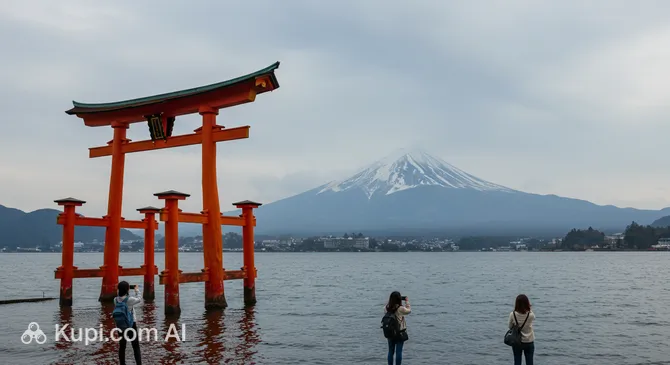
Hakone Shrine. Illustration.
Source: Kupi.com AI

Traveler photos:

Visiting Hakone Shrine is an opportunity to touch the centuries-old history and Shinto traditions of Japan. This place is perfect for those seeking peace, wishing to enjoy the harmony of architecture and nature, and looking to take impressive photos against the backdrop of one of the region's most famous symbols.

Contacts

To plan your visit to Hakone Shrine, you can use the official contact details. They will help you clarify opening hours, event schedules, or any other information you may need.

How to contactContact
Address80-1 Motohakone, Hakone, Ashigarashimo District, Kanagawa 250-0522, Japan
Phone number+81 460-83-7123
Websitehakonejinja.or.jp

What to Do

Visiting Hakone Shrine is an opportunity to immerse yourself in an atmosphere of peace and spirituality. The path to the main temple complex begins at Lake Ashi, from where an ancient paved staircase leads upward, lined with traditional stone lanterns. This climb through the dense forest is enough to set a peaceful mood in itself. The shrine becomes particularly picturesque in foggy weather, when thick mist rising from the lake envelopes the area, creating a mesmerizing and mysterious atmosphere.

One of the main highlights for visitors is the view of the famous red torii gate standing right in the waters of Lake Ashi. After descending from the shrine to the shore, you can take classic photos of this symbol of Hakone. However, you can also admire the "Torii of Peace" from other perspectives: during a lake cruise or even from the main street of Moto-Hakone, which offers an equally impressive view. These moments provide unforgettable shots and emotions.

Once inside the temple complex itself, it is worth taking the time not just for a walk but also to get acquainted with local traditions. In the main hall, you can pray to the local deities, just as travelers have done for centuries, to ask for a safe journey or for your wishes to be granted. This simple but meaningful action allows you to feel the spiritual atmosphere and centuries-old history of this sacred place more deeply.

Getting There

Getting to Hakone Shrine is quite easy, as it is one of the key attractions in the popular Hakone resort region in Japan. The shrine is located on the picturesque shores of Lake Ashi in the Moto-Hakone area, and the trip itself is an exciting part of your journey through Fuji-Hakone-Izu National Park. Main transport hubs are well-connected to this location, making the shrine accessible to all travelers.

The most common way to reach the shrine is by public transport. From the region's main station, Hakone-Yumoto, Hakone Tozan buses depart regularly. You will need routes heading to Moto-Hakone. The journey takes approximately 35-40 minutes. You should get off at one of the nearest stops: Moto-Hakone-ko or Hakone-jinja-iriguchi, from where it is only a 5-10 minute walk to the temple complex entrance.

An alternative and very scenic route is a trip across Lake Ashi on one of the tourist ships styled as pirate vessels. They dock at the Moto-Hakone pier, located just a few minutes' walk from the shrine. This option allows you to enjoy views of the mountains and the famous red torii gate right from the water. For convenience across the region, many tourists purchase the Hakone Free Pass, which covers the cost of travel on most buses, trains, ropeways, and ships in the Hakone area, making it a very cost-effective solution. Of course, you can always use a taxi, but this option will be significantly more expensive.

Nearest city: Hakone

History & Facts

The history of Hakone Shrine is rooted in antiquity, making it one of the most significant spiritual centers in the region. According to tradition, the shrine was founded in 757 during the reign of Emperor Kosho. The founding legend involves a monk who, after three years of solitary meditation, was granted a vision of Buddha's messengers. They told him his heart was purified and ready to share knowledge with people. Upon hearing this, the Emperor ordered the shrine's construction. Originally located on Mount Komagatake, it was later moved to the picturesque shore of Lake Ashi. The current appearance of the temple complex was largely finalized by 1667.

The shrine honors three powerful deities, or kami, which gives it special significance. The main ones are Ninigi-no-mikoto, the grandson of the supreme sun goddess Amaterasu; his wife Konohana-sakuya-hime, considered the patroness of volcanoes including Mount Fuji; and their son Hoori-no-mikoto. This combination of deities makes the shrine a pilgrimage site for those seeking blessings for family, safe childbirth, and prosperity.

Throughout its centuries-long history, the temple enjoyed the patronage of Japan's most influential figures, including the imperial court and powerful shoguns. The shrine played a special role in the life of Minamoto no Yoritomo, founder of the Kamakura Shogunate. After his defeat at the Battle of Ishibashiyama, he sought the protection of the gods here, and upon becoming shogun, he became a generous patron of the shrine. Thanks to this, the shrine became extremely popular among samurai during the Kamakura period. Later, during the Battle of Odawara, Toyotomi Hideyoshi's troops burned the temple, but it was restored through the efforts of Tokugawa Ieyasu, once again emphasizing its indestructible spirit and importance to the country.

Time Needed

For a standard visit to Hakone Shrine, you should set aside about 1.5–2 hours. This will be enough time to leisurely climb the picturesque forest path lined with stone lanterns, explore the main buildings of the temple complex, soak in its peaceful atmosphere, and head down to the lake for photos.

It is important to note that the duration of your visit can increase significantly due to one popular spot: the famous "Torii of Peace"—the red gate standing directly in the waters of Lake Ashi. There are always many people wishing to take a canonical photo under it, so a queue often forms here. Depending on the day of the week and time of day, the wait can take anywhere from 30 minutes to an hour, and sometimes longer.

If you want to do more than just take quick photos and truly feel the place, explore the less obvious paths, visit the small Kuzuryu Shrine on the grounds, and simply meditate with a view of the lake, plan to spend up to 3 hours here. Such a leisurely visit will allow you to fully enjoy the beauty and spiritual power of one of Hakone's main symbols.

Working Hours

Hakone Shrine is open to visitors year-round, making it accessible for a visit in any season. The shrine grounds themselves are accessible for walks 24/7, so you can enjoy its peaceful atmosphere and take photos of the famous lakeside gate even in the early morning or at sunset. Entry to the main shrine grounds is free, and no advance booking is required for a regular visit.

Although you can walk around the grounds at any time, it is worth considering the opening hours of the main facilities. The office where you can purchase amulets (omamori) or obtain a temple seal (goshuin) is open from 8:15 to 17:00. The shrine's treasure house (museum) is open from 9:00 to 16:30, with the last entry at 16:00. While these hours are stable, it is recommended to check the official shrine website for up-to-date information before visiting on national holidays or during festivals.

Open 24 hours

Nearby

Visiting Hakone Shrine is a wonderful opportunity to experience the spiritual culture of Japan, but you shouldn't stop there. The Hakone region is a true treasure trove where natural beauty, art, and history intertwine to create a unique atmosphere. Exploring the surroundings will allow you to dive deeper into the diversity of this amazing corner of the country and make your trip even more fulfilling and memorable.

Thanks to the shrine's convenient location on the shores of Lake Ashi, many other iconic sites are very close by. To help you plan your onward route, we have compiled a list of interesting attractions located nearby. Here, everyone will find something for themselves: from open-air museums to scenic valleys and historical ruins.

NameDistance
Hakone Open-Air Museum5 km
Tsutaya Hakone Onsen Guesthouse5.2 km
Fujiya Hotel5.3 km
HAKONE TENT Bar5.5 km
Yamanaka Castle Ruins6 km
Hakone Venetian Glass Museum6.8 km
Forest Adventure Hakone7.3 km

Have you reached the end of the page?

So the route has been studied inside and out