Support

Hakone

About

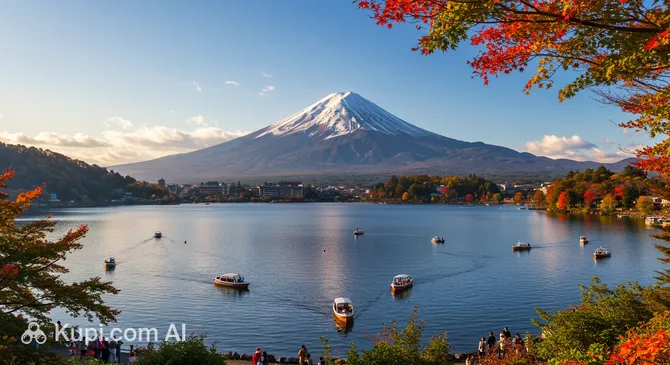
Hakone is a true paradise for lovers of nature, art, and Japanese traditions. This charming resort town is nestled in the picturesque mountains of Kanagawa Prefecture, about 80 kilometers southwest of Tokyo. As part of the famous Fuji-Hakone-Izu National Park, it offers a unique opportunity to immerse yourself in the world of harmony and tranquility characteristic of Japan.
Hakone. Illustration.
Source: Kupi.com AI

With a population of about 11,000 (officially 10,925 residents), Hakone maintains an atmosphere of coziness and peace, in contrast to bustling metropolises. The town is famous for its breathtaking views of the majestic Mount Fuji, dense forests, picturesque valleys, and the crystal-clear Lake Ashi. Here, time seems to slow down, allowing you to enjoy every moment.

The special charm of Hakone lies in its healing hot springs (onsens), which are an integral part of the local leisure and culture. Additionally, the town attracts tourists with iconic sites such as the Open-Air Museum, where art blends harmoniously with nature, and the ancient Hakone Shrine at the foot of the mountain on the shores of Lake Ashi. Breathtaking views also open up during a cruise on a pirate ship across the lake or from the ropeway leading to the volcanic Owakudani Valley.

If you dream of tranquility, unique experiences, and the chance to touch authentic Japanese culture without the rush of big cities, Hakone is the perfect choice. This town offers an ideal combination of natural beauty, rich cultural heritage, and traditional hospitality, leaving unforgettable memories for every traveler.

You can find more interesting facts on the Hakone city history page.
Weather Overview

The weather in Hakone has a distinct seasonal character. Summer, covering the period from June to August, is usually warm, with average temperatures ranging between 20-26°C. This period is also characterized by higher humidity: for example, in June, rainfall can reach up to 10 mm, and the number of rainy days is around 20. Winters, from December to February, are conversely cool, with an average temperature of about 4-7°C, and significantly drier — rainfall in these months is approximately 2-4 mm.

Overall, Hakone is characterized by warm and humid summers with occasional rain, as well as cool and relatively dry winters. Spring and autumn are pleasant transitional seasons with moderate temperatures and variable rainfall. For more detailed information on weather conditions in Hakone by month, including data on minimum and maximum temperatures and precipitation, you can visit the Hakone Climate page.

Average monthly temperature

Average monthly precipitation

Interesting Facts

In addition to its famous views of Mount Fuji and picturesque landscapes, Hakone hides many surprising stories and features that not every traveler knows about. Ready to discover some secrets of this charming Japanese resort?

Hakone Open-Air Museum. Illustration.
Source: Kupi.com AI

Traveler photos:

  • Hakone boasts the steepest railway line in Japan. The Hakone Tozan Railway makes a thrilling journey up the mountain slopes, changing direction three times at special switchback sections. The elevation gain on the route reaches 80 meters for every kilometer of track, turning an ordinary trip into a real adventure!

  • The tradition of onsens (hot springs) in Hakone dates back to the Edo period, and the oldest of them, Yumoto, was famous throughout the country for its healing waters. Today, in addition to classic baths, you can find quite exotic options: for example, baths infused with green tea, red wine, or even coffee — a real find for relaxation gourmets.

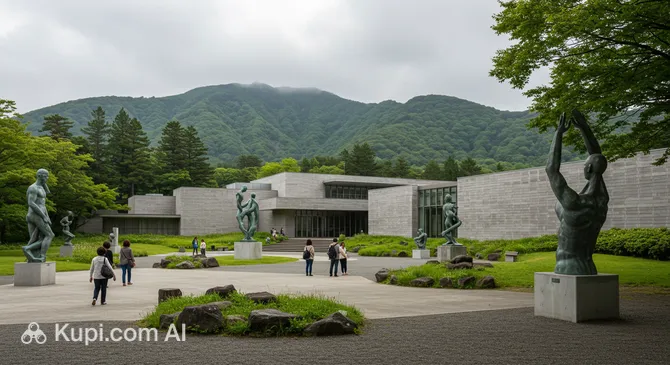
  • Hakone is home to the unique Open-Air Museum, where artworks, including pieces by Pablo Picasso and numerous modern sculptures, are harmoniously integrated into the magnificent natural landscape with mountains and forests in the background. This is a place where art and nature merge as one, creating a unique atmosphere.

  • Lake Ashi, one of Hakone's main natural attractions, is shrouded in ancient legends. According to lore, its waters are guarded by a mythical nine-headed dragon. To this day, rituals are held at the lake, especially near the Hakone Shrine, to appease the spirit of the lake and ensure prosperity.

How to Get There

The picturesque resort town of Hakone, located in Kanagawa Prefecture, can be reached in several ways, primarily through Japan's major international airports serving the Kanto region. There is no airport in Hakone itself, so travelers will need to use a transfer from the nearest air hubs.

The main gateways for a trip to Hakone are Tokyo's two largest airports. The closest and most convenient option is Haneda Airport (IATA: HND), located in Tokyo, approximately 70 km from Hakone. This is a major international airport from which Hakone can be reached by car or taxi in about 2 – 2.5 hours. There are also convenient bus routes and rail connections with transfers.

Another popular option is Narita International Airport (IATA: NRT), also in Tokyo but at a greater distance — about 130 km from Hakone. This is also one of Japan's main international hubs. A car trip from Narita to Hakone takes approximately 3.5 – 4 hours. Direct buses to the Hakone area or trains with transfers are also available from Narita Airport.

Additionally, you can consider Shizuoka Airport (IATA: FSZ), located in Shizuoka City, about 98 km from Hakone. This airport is smaller and primarily serves domestic and some international flights. The drive from here to Hakone takes about 2 hours and 45 minutes by car.

For convenience, here is a summary of the main airports:

AirportPassenger trafficDistance
Haneda Airport85.7 mln70 km
Shizuoka Airport691 27498 km
Narita International Airport40.8 mln130 km
Matsumoto Airport112 618149 km
Ibaraki Airport776 063158 km

After arriving at one of the airports, the journey to Hakone usually continues by train or bus. From Tokyo, it is very convenient to take the Shinkansen high-speed train to Odawara Station, from where local trains (such as the scenic Hakone Tozan Railway), buses, and taxis run to Hakone. Direct bus services to various areas of Hakone also depart from major Tokyo transport hubs like Shinjuku, and directly from Haneda and Narita airports. Traveling by car, whether a rental or a taxi, is also a comfortable option that allows you to enjoy the views along the way.

Main Attractions

Hakone, a picturesque mountain resort in Japan, is famous for its natural beauty, art museums, and onsens (hot springs). Among the many interesting places, several stand out that are definitely worth including in your itinerary.

One of the main gems is the Hakone Open-Air Museum. This unique space harmoniously blends modern art with nature. It features sculptures by famous masters, including works by Picasso, Rodin, and Moore, set against a backdrop of majestic mountains. A walk through this museum turns into an exciting journey where every turn reveals new art objects and breathtaking views.

Hakone Open-Air Museum. Illustration.
Source: Kupi.com AI

Traveler photos:

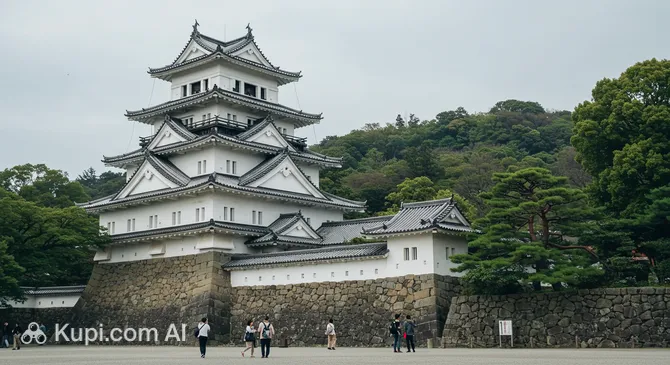
History lovers should definitely visit Odawara Castle. Although it is located in the neighboring city of Odawara rather than Hakone itself, it is often included in regional itineraries. This majestic castle, restored to its historical appearance, played an important role in Japanese history. Inside the castle is a museum with an exhibition about the samurai era, and the upper floors offer panoramic views of the city and Sagami Bay.

Odawara Castle. Illustration.
Source: Kupi.com AI

Traveler photos:

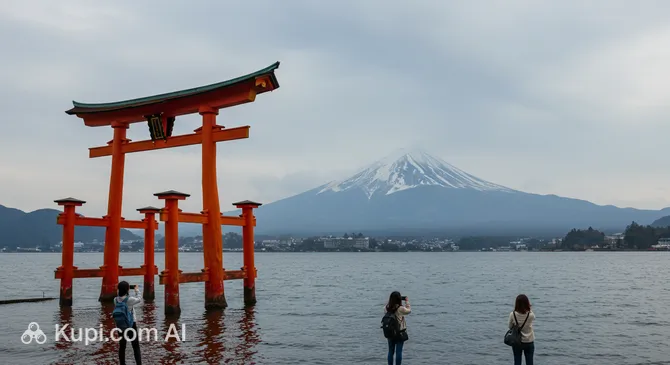
You cannot overlook the Hakone Shrine (Hakone-jinja), located on the shores of Lake Ashi. This ancient Shinto shrine, nestled among centuries-old cryptomeria trees, is known for its picturesque red torii gate standing right in the water. The place has a special atmosphere of serenity and is popular among both pilgrims and tourists seeking beautiful views and spiritual peace.

Hakone Shrine. Illustration.
Source: Kupi.com AI

Traveler photos:

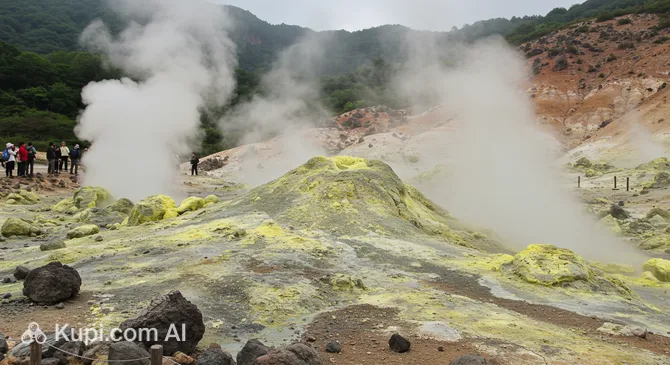
For those who want to witness the region's volcanic activity, Owakudani, or the "Great Boiling Valley," is a must-see. This is an area with active sulfur springs and geysers where you can observe volcanic gas emissions. The famous "kuro-tamago" — black eggs boiled in the hot springs — are sold here; legend has it that eating one can extend your life by seven years.

Owakudani. Illustration.
Source: Kupi.com AI

Traveler photos:

Appreciators of fine art will enjoy the Hakone Venetian Glass Museum. This charming museum transports visitors into the atmosphere of Venice. Its halls display an impressive collection of Venetian glass, from ancient pieces to modern masterpieces. Beautiful gardens and Italian-style architecture complete the visiting experience.

Local Cuisine

Hakone is not just a picturesque resort at the foot of Fuji, but a true paradise for foodies. Local cuisine captivates with a blend of traditional Japanese dishes and unique delicacies prepared from the freshest local products. Simple yet refined cooking is valued here, where each ingredient plays its own unique role, and meals are often accompanied by magnificent natural views.

Be sure to try the famous kuro-tamago — "black eggs" boiled in volcanic hot springs. They are believed to bring good luck and longevity. Another iconic taste of Hakone is dishes featuring yuzu-miso, a fragrant paste made from fermented soybeans and yuzu citrus, which adds a special note to fish and vegetables. Don't miss onsen-manju — tender steamed buns with various sweet fillings that are a popular local treat. You should also taste fresh fish caught in Lake Ashi, or dishes cooked on hot stones heated in the onsens, and, of course, seasonal gifts of nature — vegetables and mushrooms from the surrounding forests.

Among drinks, traditional Japanese tea, especially matcha, is popular in Hakone. You can try it in many cafes while enjoying mountain views. In cold weather, amazake will warm you up — a sweet, low-alcohol drink made from fermented rice, often found in onsen towns. Of course, restaurants and izakayas (Japanese pubs) will offer various types of sake and local beer, which perfectly complement a meal.

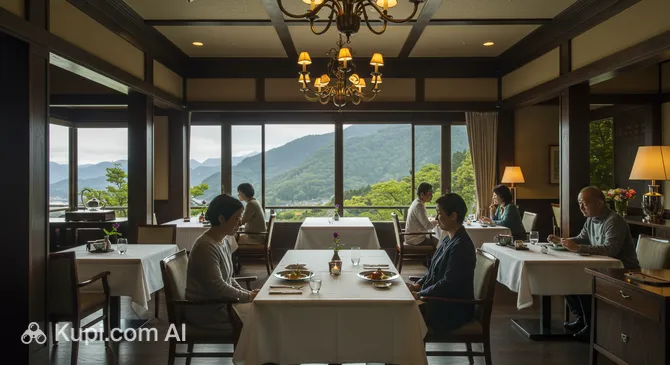
The food culture in Hakone is diverse. Tourists and locals love snacking on street food, especially in lively tourist spots where you can find fresh onsen-manju or unusual desserts with local tea. Many restaurants offer both traditional Japanese cuisine (such as exquisite kaiseki ryori dinners in ryokans, sushi, tempura) and more modern interpretations. For instance, the historic Fujiya Hotel is famous not only for its architecture but also for its excellent restaurants. Hakone also regularly hosts gastronomic festivals where you can discover the region's farm products and participate in culinary workshops, diving deeper into local culinary traditions.

Fujiya Hotel. Illustration.
Source: Kupi.com AI

Traveler photos:

Travel Tips

Welcome to Hakone, a picturesque corner of Japan known for its hot springs, stunning views of Mount Fuji, and rich nature! To make your trip as comfortable and pleasant as possible, we have prepared a few practical tips.

  1. Clothing and Essentials: The climate in Hakone is mountainous, so weather can be changeable. Always bring several layers of clothing, including a waterproof jacket, especially if you plan to walk in nature. Comfortable shoes are a must for walking on hilly terrain and trails. Don't forget an electronics adapter (Japan uses 100V, Type A and B plugs). There is no specific dress code for visiting temples and shrines, but modest clothing is recommended.
  2. Getting Around Hakone: The best way to get around is by public transport. Consider buying the Hakone Free Pass, which covers most modes of transport: Tozan trains, ropeways, buses, and even the pirate ship on Lake Ashi. Taxis are available but can be expensive. Car rental is not necessary as the transport network is well-developed and adapted for tourists.
  3. Finances: The local currency is the Japanese Yen (JPY). It is best to exchange money at the airport upon arrival or at banks in major cities; there are fewer exchange offices in Hakone itself. Credit cards are accepted at many hotels, large shops, and restaurants, but it's always useful to have cash on hand, especially for small establishments and markets. International cards usually work at 7-Eleven and post office ATMs. Tipping is not practiced in Japan and may be perceived as offensive. An approximate daily budget (excluding accommodation) could be 7,000-15,000 JPY.
  4. Health and Safety: Hakone is a very safe place. Pharmacies (usually called "drugstores") are easy to find, but not all are open 24/7. For serious medical assistance, tourists should go to major hospitals (a translator may be needed). Standard precautions, as on any trip, won't hurt: keep an eye on your belongings and be attentive in crowded places.
  5. Communication: The official language is Japanese. In Hakone's tourist areas, staff often speak basic English, but knowing a few simple Japanese phrases (e.g., "Konnichiwa" — hello, "Arigato" — thank you) will be very helpful and appreciated by locals. Tourist SIM cards or pocket Wi-Fi can be purchased at the airport or ordered in advance. Free Wi-Fi is available in many hotels and some public places.
  6. Local Etiquette: Japanese people are very polite. A slight bow is a common form of greeting. In public places, especially on transport, try to speak quietly and avoid disturbing others. When visiting onsens (hot springs), be sure to read the rules: you must wash thoroughly before entering the communal bath.
  7. What to Avoid: Do not stick your chopsticks vertically into rice — this is associated with funeral rituals. Also, avoid loud phone conversations on public transport or in restaurants. It is not common to eat while walking (except at designated areas during festivals).
  8. Special Tip for Hakone: Be sure to try kuro-tamago — black eggs boiled in the volcanic springs of the Owakudani Valley. It is believed that each egg eaten extends your life by seven years! Also, don't miss the chance to relax in one of the many onsens — it's an essential part of the Hakone experience.

We hope these tips help you plan an unforgettable trip to Hakone. Enjoy every moment in this amazing part of Japan!

Entertainment & Nightlife

Hakone, known for its scenic landscapes and hot springs, offers a more peaceful and tranquil evening experience compared to Japan's major metropolises. Here, you won't find noisy districts with neon signs, but you can enjoy the cozy atmosphere of local establishments and the beauty of nature even after sunset.

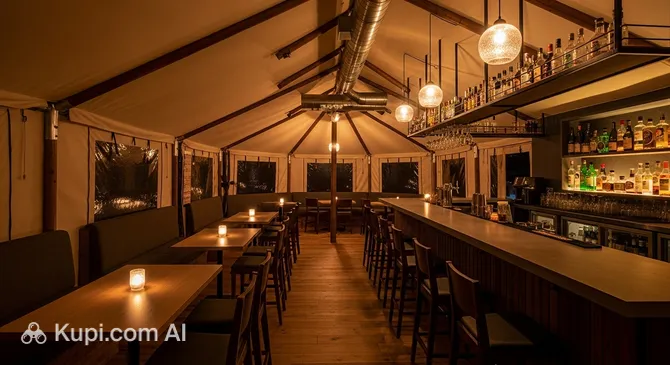
The nightlife in Hakone is mainly concentrated around the Hakone-Yumoto area, as well as in bars and restaurants within hotels and ryokans. The atmosphere here is relaxed and welcoming, perfect for a quiet evening after a day full of sightseeing. Most establishments cater to tourists and locals looking for a cozy place for dinner or a drink. The dress code is usually casual.

HAKONE TENT Bar. Illustration.
Source: Kupi.com AI

Traveler photos:

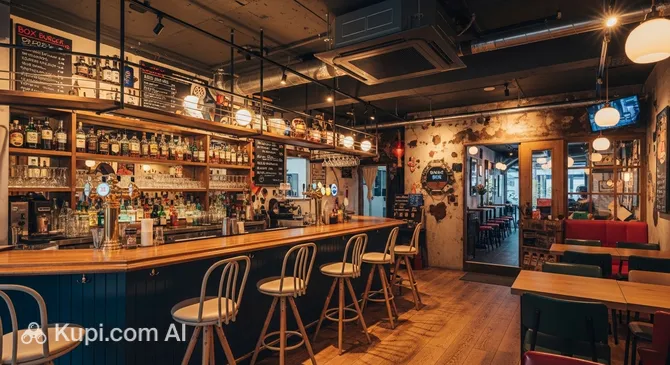
For those looking for a place to have a drink or two, Hakone has several interesting bars. For example, HAKONE TENT Bar offers a friendly atmosphere and a good selection of drinks, often serving as a meeting point for travelers. Another popular spot is Box Burger Hakone Yumoto, where you can not only grab a drink but also enjoy delicious burgers in a laid-back setting.

Box Burger Hakone Yumoto. Illustration.
Source: Kupi.com AI

Traveler photos:

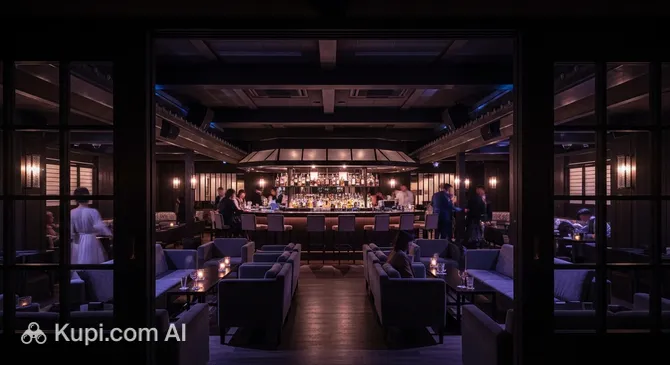
If you're looking for something more lively or even a chance to dance, check out the Tsutaya Onsen Guest House Hakone. Although it is a guest house with an onsen, it also offers elements of nightlife, possibly in the form of a bar with music or a special lounge area where you can spend the evening in a more dynamic atmosphere. This can be an interesting blend of traditional Japanese hospitality and modern entertainment.

Tsutaya Hakone Onsen Guesthouse. Illustration.
Source: Kupi.com AI

Traveler photos:

When planning your evening leisure, keep in mind that many establishments in Hakone may close earlier than those in large cities. It's best to arrive at bars and restaurants around 7:00 PM – 9:00 PM. Prices vary but are generally comparable to average prices in tourist areas across Japan. Public transport runs less frequently at night, so a taxi may be needed for getting around. You can order a taxi through your hotel reception or find one at stands near stations.

Hakone is a very safe town, and evening walks here are pleasant and worry-free. Enjoy the peace and beauty of this resort town.

During the day, Hakone offers plenty of cultural entertainment. You can visit the famous Hakone Open-Air Museum, explore numerous other museums and art galleries, stroll through picturesque parks, or enjoy the views of Lake Ashi.

Parks & Museums

Hakone, a picturesque mountain resort in Japan, is famous not only for its onsens and views of Mount Fuji but also for its rich selection of parks, natural areas, and cultural institutions. Here, everyone will find something to their liking: from peaceful gardens and volcanic valleys to world-famous museums and historical shrines.

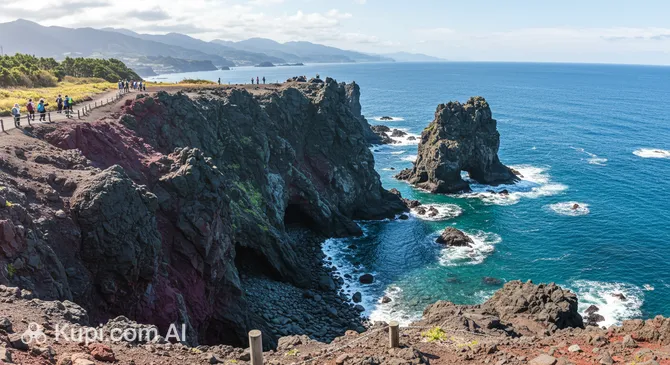
One of the most impressive natural attractions is Owakudani, an active volcanic valley with geysers and sulfur springs. This place offers a unique experience of observing volcanic activity and the chance to taste the famous black eggs boiled in the hot springs. For lovers of coastal landscapes, the Jogasaki Coast is a must-visit, known for its dramatic cliffs, suspension bridge, and scenic trails along the ocean. Also worth noting is Rakujuen Park, which combines the beauty of a traditional Japanese garden with a small zoo, making it attractive for family vacations.

Jogasaki Coast. Illustration.
Source: Kupi.com AI

Traveler photos:

Rakujuen Park. Illustration.
Source: Kupi.com AI

Traveler photos:

Hakone is a true haven for art and history enthusiasts. The landmark attraction is the Hakone Open-Air Museum, where modern sculptures are harmoniously integrated into the natural landscape. You can walk here for hours, enjoying art against the mountain backdrop. Equally interesting is the Hakone Venetian Glass Museum, which amazes with its exquisite collections of glassware and beautiful Italian-style gardens. For those interested in Japanese and East Asian art, the MOA Museum of Art is a must-visit, boasting an extensive collection of painting, calligraphy, sculpture, and ceramics. To better understand the unique nature of this region, stop by the Kanagawa Prefectural Museum of Natural History.

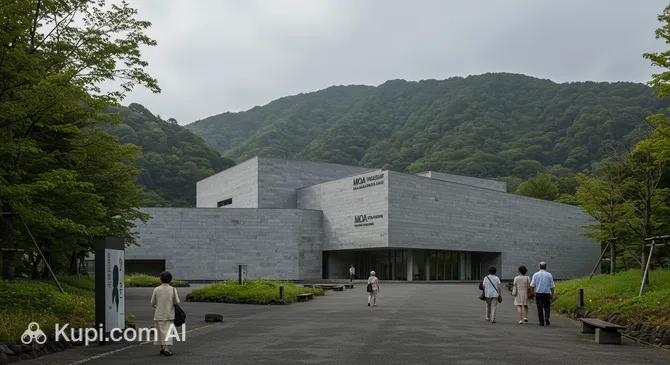
MOA Museum of Art. Illustration.
Source: Kupi.com AI

Traveler photos:

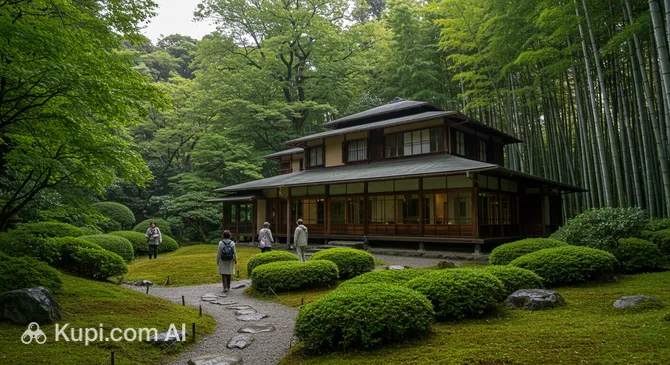
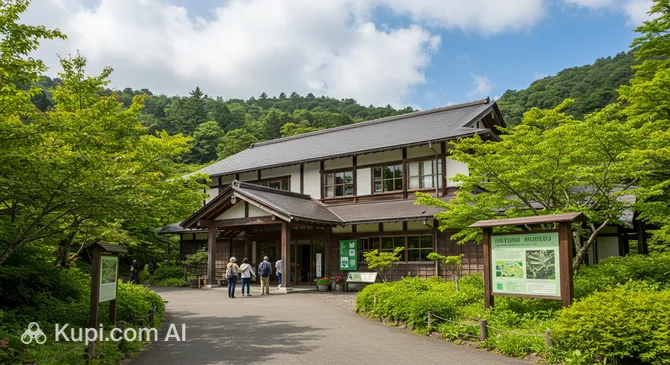
Kanagawa Prefectural Museum of Natural History. Illustration.
Source: Kupi.com AI

Traveler photos:

Among historical sites, the majestic Hakone Shrine stands out, located at the foot of Mount Hakone on the shores of Lake Ashi. Its famous red torii gate, standing right in the water, is one of the most photographed symbols of the region. Nearby, in the city of Odawara, is the impressive Odawara Castle, which played a significant role in the history of Japan and offers visitors a dive into the samurai past.

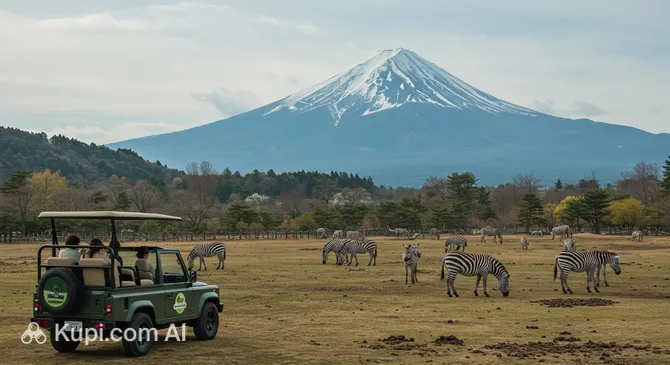
For families with children and animal lovers, an interesting addition to the cultural program could be a visit to the Izu Shaboten Zoo, famous for its capybaras soaking in hot springs, or the Fuji Safari Park, where you can see animals in conditions close to their natural habitat.

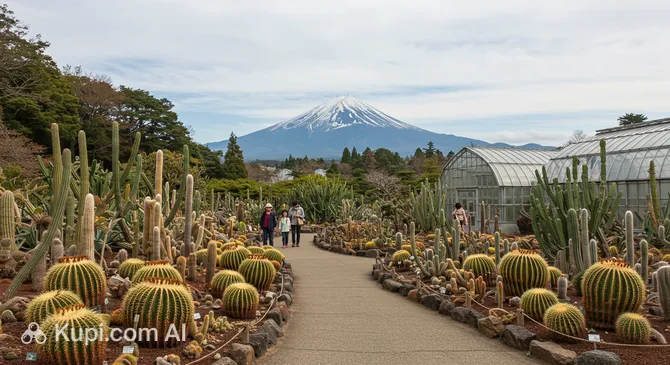
Izu Shaboten Zoo. Illustration.
Source: Kupi.com AI

Traveler photos:

Fuji Safari Park. Illustration.
Source: Kupi.com AI

Traveler photos:

To further immerse yourself in the atmosphere of Hakone, explore the lesser-known hiking trails around Lake Ashi. Also, don't miss the chance to relax in one of the many traditional ryokans with onsens, many of which offer magnificent views and a secluded atmosphere, complementing the cultural impressions of visiting parks and museums.

Getting Around

Traveling around Hakone is an adventure in itself, thanks largely to its unique and well-developed public transport system. It not only connects all the main attractions but also offers breathtaking views of picturesque mountain landscapes, forests, and Lake Ashi.

The core of Hakone's transport network consists of several modes of transport often used together for the so-called "Hakone Round Course" (or Golden Route). These include:

  • Hakone Tozan Railway: This mountain train slowly climbs steep slopes, performing several zig-zag maneuvers (switchbacks), which is an interesting experience in itself.
  • Hakone Tozan Cable Car: A short but essential ride connecting Gora, the end station of the mountain train, with Sounzan, where the ropeway begins.
  • Hakone Ropeway: Offers stunning views of the active volcanic zone of Owakudani (where you can sometimes see sulfur gas emissions) and, on clear days, Mount Fuji.
  • Hakone Sightseeing Cruise: Styled as pirate ships, these vessels cruise across Lake Ashi, connecting Togendai and Hakone-machi/Moto-Hakone.
  • Buses (Hakone Tozan Bus, Izuhakone Bus): An extensive network of bus routes covers almost the entire Hakone territory, reaching places where trains or the ropeway do not go.

The most popular and cost-effective way for tourists to pay for travel is the Hakone Free Pass. This pass grants unlimited use of most transport in Hakone (including all the above except some Izuhakone buses) for 2 or 3 days. Additionally, it provides discounts on admission to many museums, onsens, and other attractions. You can purchase the Hakone Free Pass at major railway stations like Shinjuku in Tokyo (if you're coming from there) or Odawara (the nearest major Shinkansen station to Hakone), as well as at stations within Hakone itself. If you don't plan to travel much, you can buy individual tickets for each mode of transport. Some buses also accept popular Japanese IC cards like Suica or Pasmo.

Tourists should keep a few practical points in mind. Tickets and passes can be bought at station ticket offices or tourist information centers. The Hakone Free Pass is usually just shown to staff at entrances/exits. Transport hours can vary depending on the season; generally, transport runs frequently during the day, but intervals increase in the evening, and some modes, such as the ropeway, may close earlier or suspend operations due to weather conditions or volcanic activity (it's recommended to check the current status). When planning your route, especially if you want to complete the "Golden Round," check schedules in advance to avoid long waits for transfers.

Alternative ways to get around Hakone include taxis, which are quite expensive but can be convenient for short trips or if you're traveling with luggage. Car rental is possible, but keep in mind the narrow mountain roads and limited parking spaces at popular attractions. For outdoor enthusiasts, there are many hiking trails. Bicycle rental is less common due to the mountainous terrain.

A unique feature of Hakone's transport system is that it is itself part of the tourist experience. The switchback train ride, the ropeway views, the "pirate" ship cruise — all of this is enjoyable and allows you to savor the beauty of the region. Many tourists follow the "Hakone Round Course," which involves riding all the main modes of transport in a loop to see the primary sights.

Accommodation

In Hakone, travelers will find a wide range of accommodation options to suit various preferences and budgets. This popular resort town is famous for its traditional Japanese inns — ryokans, many of which offer guests relaxing hot springs (onsens) and exquisite local cuisine. In addition to ryokans, Hakone offers modern hotels ranging from mid-range to luxury resorts, cozy guesthouses, and apartments for those who prefer more independence.

When choosing a place to stay, it's worth considering the different districts of Hakone. Hakone-Yumoto, located at the foot of the mountains, is the main transport hub and offers many shops and restaurants, as well as easy access to many attractions. The Gora area is popular for its art museums and serves as the starting point for the Hakone Ropeway. Those seeking tranquility and scenic views will enjoy the Lake Ashinoko area, where hotels with beautiful panoramas are concentrated.

Fuji Speedway Hotel. Illustration.
Source: Kupi.com AI

Traveler photos:

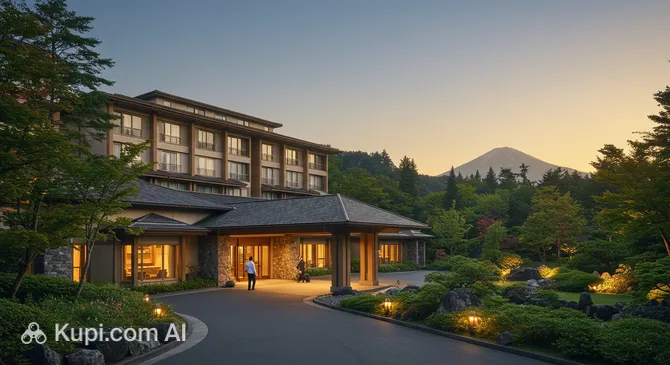
Among the well-known options are, for example, the Fuji Speedway Hotel or the Hotel Harvest Atami Izusan & VIALA, which offer comfortable accommodation and quality service. Overall, the price range varies from budget-friendly options to luxury offers. It is recommended to book accommodation in Hakone in advance, especially if your trip falls during the peak season (for example, during cherry blossom season or autumn foliage), as popular spots fill up quickly. For booking, it is convenient to use well-known online platforms or contact the hotels and ryokans directly.

Nearby Cities

For those who want to explore the surroundings, Hakone serves as an excellent starting point for day trips to several interesting nearby locations:

CityPopulationDistance
Odawara189 0385 km
Yugawara23 48010 km
Matsuda10 68213 km
Yamakita9 53014 km
Nakai46 56715 km

These nearby destinations provide a glimpse into the diverse culture and landscapes of the Japanese region. Each of these cities offers its own unique attractions, from historical castles and temples to scenic coastal views and modern city centers, making them a wonderful addition to your trip to Hakone.

Shopping & Souvenirs

Hakone offers a pleasant shopping experience, especially for those seeking traditional Japanese crafts and local delicacies. The town is famous for its unique handmade items, such as yosegi-zaiku parquetry (wooden mosaic), as well as ceramics and tasty souvenirs related to the hot springs.

The main shopping activity is concentrated in the Hakone-Yumoto area, especially on the street leading from the station. Here you will find numerous souvenir shops, stores selling local products, and small galleries. You can also find shops with souvenirs and snacks at popular tourist spots like Moto-Hakone and Hakone-machi on the shores of Lake Ashi.

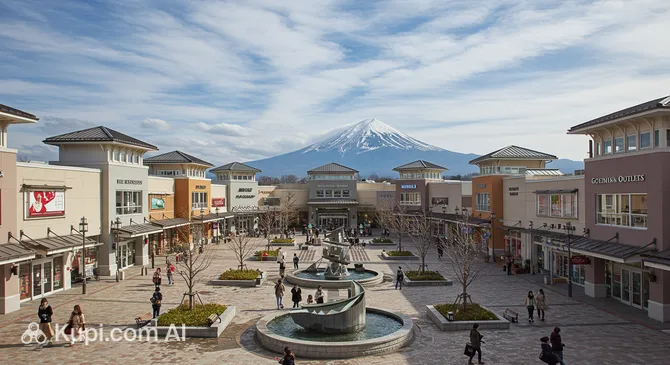
For more extensive shopping, you can visit Gotemba Premium Outlets, one of the largest outlet centers in Japan, located at the foot of Mount Fuji with magnificent views. It features both international and Japanese brands. Although it's not in Hakone itself, it is easily reachable by bus. Another option is the Numazu Shopping Center, which also offers a wide range of goods.

Gotemba Premium Outlets. Illustration.
Source: Kupi.com AI

Traveler photos:

There are no large traditional markets in the usual sense in Hakone, but you may come across small local shops selling fresh produce, seasonal vegetables and fruits, and handicrafts, especially in the Hakone-Yumoto area and near some attractions. These little shops often offer unique goods that are hard to find elsewhere.

Worth bringing back from Hakone are yosegi-zaiku items — unique wooden mosaics used to make boxes, coasters, and other objects. Also popular are Hakone-yaki ceramics, local sweets like onsen manju (steamed buns prepared using hot spring steam), and onsen-related products like bath salts and cosmetics. Don't forget about traditional Japanese snacks and tea.

Most shops in Hakone are open from approximately 10:00 AM to 6:00 PM or 7:00 PM. Large shopping centers like outlets may have longer opening hours. Credit cards (Visa, MasterCard) are widely accepted in most shops, especially in tourist zones and major retail outlets. However, it's always useful to carry some cash for small purchases or at tiny shops.

For international tourists in Japan, there is a tax-free shopping system. Look for stores with the "Japan Tax-free Shop" sign. Usually, to claim a tax refund, you must make a purchase over a certain amount (most often over 5,000 yen) in one store within a single day and present your passport.

Reached the end of the page?

That means the route is fully explored