Support

Yugawara

About

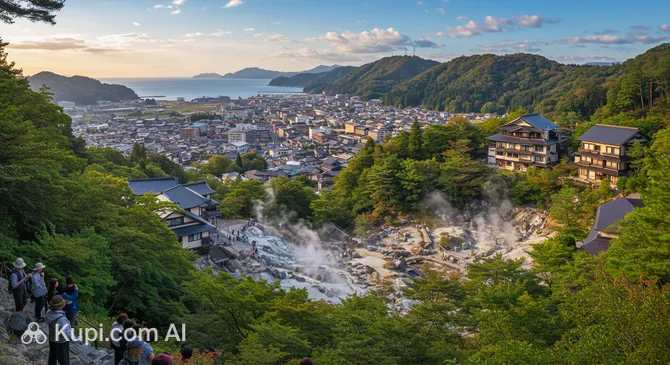
Yugawara is a charming resort town nestled on the southern tip of the Izu Peninsula, approximately 50 kilometers south of Tokyo. Surrounded by green hills and washed by the waters of Sagami Bay, the city offers its guests a unique atmosphere of tranquility and seclusion. Due to its favorable location between the popular resorts of Hakone and Atami, Yugawara often becomes a desired stop for those seeking harmony with nature and the traditions of Japan.

Yugawara. Illustration.
Source: Kupi.com AI

With a population of about 23,480 people, Yugawara retains the charm of a small town where every corner breathes history and peace. Despite its size, the tourist infrastructure here is well-developed: travelers have access to more than fifty hotels, traditional ryokans, and many famous Japanese hot spring baths — onsens. The city is famous for its hot springs, which attract visitors year-round, as well as its picturesque gardens, lush cherry blossoms in spring, and the vibrant colors of maple leaves in autumn. Traditional architecture adds a special charm to this place.

Yugawara is ideal for a leisurely vacation, rejuvenation, and deep immersion into Japanese culture. If you dream of silence, inspiration, and genuine Japanese hospitality, this city will undoubtedly leave you with the warmest memories and a desire to return again.

You can find more interesting facts on the history of Yugawara page.

Weather Overview

The weather in Yugawara is characterized by noticeable seasonal changes. Summer here is warm, especially in July and August, when average temperatures fluctuate around 24-26°C, and maximum values can reach 27-29°C. June stands out as the month with the highest amount of precipitation (averaging 10 mm), while in July (9 mm) and August (7 mm), the volume decreases slightly. At the same time, August, along with September, is characterized by the highest number of rainy days (20 days), although June (19 days) and July (18 days) are also quite wet. Winters, from December to February, in Yugawara are cool, with average temperatures in the range of 4-7°C and minimum temperatures dropping to 1-4°C. In the winter months, the amount of precipitation is significantly lower than in summer, totaling only 2-4 mm. Spring and autumn are transitional seasons with moderate temperatures and changeable weather. Overall, expect warm summers with regular rain and cool, drier winters. For a more detailed forecast and information by month, you can visit the Yugawara Climate page.

Average monthly temperature

Average monthly precipitation

Interesting Facts

In addition to its famous hot springs, Yugawara hides many amazing stories and cultural features that make this city truly unique. Discover some of them:

Makuyama Park. Illustration.
Source: Kupi.com AI

Traveler photos:

  • Yugawara is one of Japan's oldest onsen resorts, with its healing springs known as far back as the 8th century during the Nara period. For centuries, the city served as a retreat for poets and artists, and mentions of it can be found in classic Japanese literary works.

  • Every year in February and March, Yugawara is transformed by the plum and cherry blossom festivals. During this time, the hillsides, especially in the area of Makuyama Park, are covered in a delicate pink and white carpet, attracting thousands of nature lovers and photographers.

  • The city is closely connected to the work of many prominent Japanese writers. It is not for nothing that Yugawara is often called the "city of poets"—masters of the word such as Natsume Sōseki and Tanizaki Jun'ichirō found inspiration here.

  • One of the unique local traditions is evening strolls along the "onsen-gai"—streets with hot springs. Guests of the city, dressed in yukata (light cotton kimono) and wooden geta sandals, move from one public bath to another, immersing themselves in the atmosphere of old Japan.

How to Get There

The most convenient way to reach Yugawara, a charming resort town in Kanagawa Prefecture, is by air through one of the major airports serving the Tokyo metropolitan area or through nearby regional airports. After arriving in Japan, travelers usually continue their journey to Yugawara by train, bus, or rental car.

The primary international hub for many tourists is Haneda Airport (HND), located in Tokyo, about 76 km from Yugawara. It is one of the busiest airports in the world, offering numerous international and domestic flights. A car trip from here to Yugawara can take about 2 hours and 15 minutes, depending on traffic. Another major international option is Narita International Airport (NRT), which also serves Tokyo but is further from Yugawara, at approximately 135 km. The drive from Narita by car will take around 3 hours and 40 minutes. From both Tokyo airports, Yugawara can be comfortably reached by train, including combinations of Shinkansen high-speed lines (often with a transfer) and local rail lines.

If you are looking for an alternative to the major capital airports, you can consider Shizuoka Airport (FSZ). It is located in the city of Shizuoka, about 93 km southwest of Yugawara. This is a smaller scale airport, serving mainly domestic and some international flights. A car trip from Shizuoka Airport to Yugawara will take about 2 hours and 40 minutes.

From any of these airports, the journey to Yugawara is conveniently continued by train. Yugawara Station is located on the Tokaido Main Line, ensuring good rail connectivity. Travelers can use Shinkansen high-speed trains (usually with a transfer, for example, at Odawara Station) or direct local trains. Additionally, bus routes are available from the airports and major cities in the region, along with taxi services and car rentals for more flexible travel.

For convenience, here is a summary of the main airports through which you can reach Yugawara:

AirportPassenger trafficDistance
Haneda Airport85.7 mln76 km
Shizuoka Airport691 27493 km
Narita International Airport40.8 mln135 km
Matsumoto Airport112 618156 km
Ibaraki Airport776 063165 km

Main Attractions

Yugawara, known for its healing hot springs, also attracts travelers with interesting places where they can enjoy magnificent nature and get acquainted with the rich local culture. Several key sites stand out among the city's attractions.

Makuyama Park is a true gem for nature lovers and hikers. The park stretches at the foot of the mountain of the same name and is particularly famous for its extensive plum grove, numbering about 4,000 trees. During the blooming period, usually from early February to mid-March, the mountain slopes are covered in a white and pink carpet, creating a breathtaking sight. Numerous trails lead to the summit of Mount Makuyama, offering stunning views of the surroundings and Sagami Bay. It is a great place to enjoy seasonal flowers, fresh air, and outdoor activities.

Makuyama Park. Illustration.
Source: Kupi.com AI

Traveler photos:

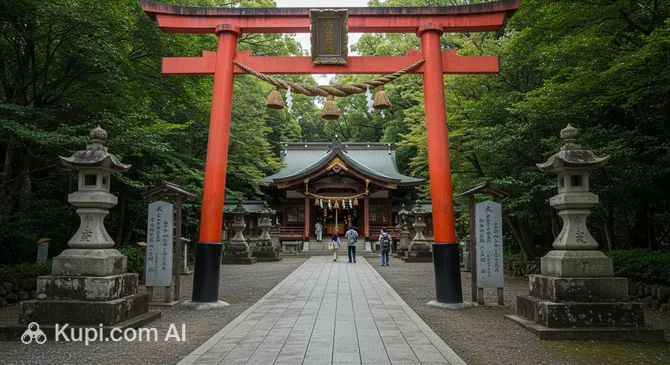
For those interested in Japanese history and spirituality, Gosho Jinja Shrine is a must-visit. This ancient Shinto shrine, steeped in legends and lore, is an important cultural center of Yugawara. Visitors can stroll through its peaceful grounds surrounded by centuries-old trees, admire traditional Japanese architecture, and feel the atmosphere of calm and harmony. Gosho Jinja attracts not only with its beauty but also with the opportunity to touch the spiritual traditions of Japan.

Gosho Shrine. Illustration.
Source: Kupi.com AI

Traveler photos:

Local Cuisine

The culinary scene in Yugawara is a true immersion into the world of the freshest seafood and traditional Japanese flavors. The city is famous for its commitment to using local, seasonal products, making every dish truly special and authentic.

The main pride of the local cuisine is undoubtedly the seafood dishes, delivered daily from Sagami Bay. Be sure to try the delicate sashimi made from local tuna and sea urchins, as well as fragrant baked scallops and shrimp. These delicacies, prepared with Japanese precision, reveal the true taste of the ocean.

A special gastronomic experience awaits you in traditional Japanese inns – ryokans. Here you will be offered exquisite dishes made from seasonal vegetables grown on the fertile slopes of Izu, and unique soups prepared with the local healing mineral water. Don't miss the chance to try Yugawara miso – a special miso paste whose recipe is passed down from generation to generation and kept secret.

Among drinks, refreshing local lemonades made from citrus fruits grown around Yugawara are popular. Of course, traditional Japanese sake or green tea will perfectly complement the meal. In street markets and small shops, you can treat yourself to sweet rice cakes filled with red azuki bean paste and fresh mochi – an excellent way to have a snack while walking around the city.

Food culture in Yugawara is closely linked to traditions of hospitality. Locals and tourists often choose ryokan restaurants for dinner, where they can enjoy a multi-course kaiseki-style meal. Additionally, Yugawara is known for its gastronomic festivals: a seafood soup festival is held here in summer, and a seasonal fruit and vegetable festival takes place in autumn. These events provide a unique opportunity to experience the diversity of local cuisine in its most vibrant and authentic form.

Yugawara's gastronomic features attract tourists with their freshness, authenticity, and deep connection to nature. Signature dishes that are definitely worth trying include fresh seafood from Sagami Bay, the unique Yugawara miso paste, and seasonal delicacies served in ryokans. The overall character of the city's food scene can be described as exquisitely simple, where the focus is on the quality of ingredients and the preservation of traditional recipes.

Travel Tips

Welcome to Yugawara, a charming onsen resort! To make your trip to this corner of Japan as comfortable and pleasant as possible, we have prepared some practical tips.

  1. Clothing and Essentials: The climate in Yugawara is temperate, but it's best to bring clothes that can be layered, especially if you're traveling in spring or autumn. It can be quite humid in summer. Be sure to bring comfortable shoes for walking around town and the surrounding areas. If you plan to visit onsens (hot springs), a yukata (light robe) is often provided at ryokans, but check in advance. Don't forget an adapter for electrical appliances (Japan uses type A and B sockets, 100V voltage). There is no specific dress code for visiting temples and shrines, but modest clothing is appropriate.
  2. Getting Around Town: The central part of Yugawara, especially around the station and onsen areas, is quite walkable. For longer trips, such as to certain museums or parks, it's convenient to use local buses. Schedules can be found at stops or checked at the tourist center. Taxis are available but can be expensive. Car rental is not a necessity unless you plan to actively explore the entire Izu Peninsula.
  3. Finances: The local currency is the Japanese Yen (JPY). It's recommended to exchange some money in advance or upon arrival at the airport. In Yugawara, credit cards are accepted in hotels, large stores, and some restaurants, but small establishments and traditional ryokans may prefer cash. ATMs that accept international cards can be found at post offices (JP Post Bank) and 7-Eleven stores. Tipping in Japan, including Yugawara, is not practiced – good service is considered the norm.
  4. Health and Safety: Yugawara is a very safe city. Pharmacies (look for the sign "薬" - kusuri) are available, but staff may not always speak English, so it's better to have a basic set of medicines with you. If medical assistance is needed, your hotel staff can help or direct you to a clinic. Having travel insurance is highly recommended.
  5. Communication: The main language is Japanese. English is limited, mainly in tourist spots and hotels. Learn a few basic phrases: "konnichiwa" (hello), "arigato" (thank you), "sumimasen" (excuse me/sorry). For ease of communication and navigation, consider buying a local SIM card or renting a pocket Wi-Fi router. Free Wi-Fi is available in some hotels and public places.
  6. Local Etiquette: Japanese people are very polite. A slight bow when greeting or giving thanks is appropriate. In public places, especially in transport and onsens, it is customary to behave quietly. Pay special attention to onsen etiquette: you must wash thoroughly in the designated area before entering the communal bath. Do not submerge your towel in the onsen water. Remove your shoes before entering ryokans, temples, and some traditional restaurants.
  7. What to Avoid: Try not to talk loudly on the phone in public places, especially on trains and buses. Do not stick chopsticks vertically into rice – this is associated with funeral rituals. It is also not common to eat while walking on the street (except in designated areas at festivals).
  8. Special Tip for Yugawara: Be sure to visit Manyo Park, known for its flowers, ponds, and the "ashiyu" (foot bath) onsen. It's a wonderful place for a relaxing stroll. Also, if time permits, explore the local art museums – Yugawara is known as a place that inspired many Japanese writers and artists.

We hope these tips help you plan an unforgettable trip to Yugawara and enjoy its unique atmosphere and hospitality!

Entertainment & Nightlife

Yugawara, famous for its onsens (hot springs), offers a quiet and relaxing evening experience rather than a vibrant club scene. You won't find noisy night districts here like in the megacities, but you can enjoy the cozy atmosphere of traditional Japanese establishments and the hospitality of the locals.

Evening entertainment in Yugawara centers around traditional Japanese pubs – izakayas, where you can try local dishes and sake in a relaxed setting. Small bars, often located within ryokans (traditional inns), are also popular, offering drinks and light snacks. Some restaurants stay open late, allowing for a leisurely dinner. Karaoke enthusiasts will also find places to their liking to have a fun time with friends. Don't expect large nightclubs or dedicated concert venues here; the emphasis is on a more intimate and authentic experience that harmonizes with the resort town's overall atmosphere.

The atmosphere of Yugawara at night is conducive to quiet conversation and relaxation. The crowd here mostly consists of tourists seeking wellness in the hot springs and locals enjoying their evening. Establishments usually operate until late evening but not all night. There is generally no dress code, or it is very casual, especially in izakayas and small bars; after visiting an onsen, many people stroll in yukata (light cotton kimono), which adds a special flavor to the evening streets.

The best time for evening walks and visiting establishments is after dinner and relaxing onsen treatments. Prices in local bars and restaurants are usually moderate, reflecting local rather than metropolitan levels. It is convenient to get around the central part of Yugawara, where most ryokans and restaurants are concentrated, on foot. For longer trips at night, it is better to use taxi services, which can be called through the hotel or found at designated stands.

Yugawara, like most cities in Japan, is a very safe place for night walks. You can peacefully enjoy the evening atmosphere, though it is always worth observing standard precautions. Calling a taxi is usually easy, especially from tourist areas or through your hotel staff, ensuring a comfortable return to your accommodation.

During the day, Yugawara offers other activities that perfectly complement your vacation. Guests can enjoy walks in picturesque locations such as Makuyama Park, known for its plum trees that are especially beautiful during the bloom, or visit historical sites like Gosho Jinja Shrine. Of course, the main daytime activity remains visiting the numerous onsens for which people come here.

Makuyama Park. Illustration.
Source: Kupi.com AI

Traveler photos:

While there are no specific nightclubs or bars highlighted in the attraction list, evening Yugawara charms with its authenticity. This is a wonderful opportunity to immerse yourself in the calm and measured atmosphere of a traditional Japanese resort town, enjoying high-quality food, drinks, and hospitality.

Parks & Museums

Yugawara, picturesquely situated between mountain slopes and the coast of Sagami Bay, offers its guests not only famous onsens but also rich opportunities to explore nature and cultural heritage. This cozy city preserves the charm of traditional Japan, which is revealed in its parks, museums, and historical corners.

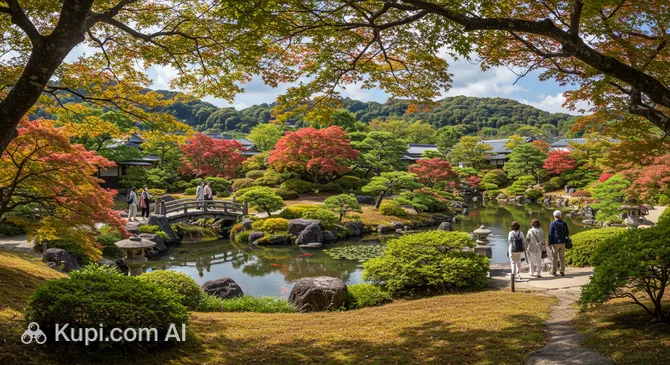
For nature lovers, Yugawara is a true oasis. One of the iconic natural spots is Makuyama Park, known for its seasonal blooms, especially plums, and picturesque trails leading to waterfalls. Equally attractive is Manyo Park, an ideal place for quiet walks among seasonal plants and peaceful koi ponds, where you can escape the city bustle and enjoy the silence.

Makuyama Park. Illustration.
Source: Kupi.com AI

Traveler photos:

The cultural program in Yugawara can also surprise you. Art lovers should visit the Yugawara Art Museum, which features works by Japanese artists, both classical and contemporary, often inspired by the region's unique nature. The Ningen Kokuho Museum (Museum of Living National Treasures) deserves special attention. Here you can see unique works by masters recognized as Living National Treasures of Japan, particularly in the fields of ceramics, lacquerware, and other traditional crafts. This is a wonderful opportunity to touch the heights of Japanese craftsmanship and gain a deeper understanding of the country's cultural traditions.

The city also carefully preserves its historical heritage. Among the spiritual centers, the ancient Gosho Jinja Shrine stands out, offering visitors an immersion into the atmosphere of Shinto traditions and peace surrounded by centuries-old trees. Strolling through Yugawara, you can also discover many small but charming temples and shrines, each with its own unique history and atmosphere.

Gosho Shrine. Illustration.
Source: Kupi.com AI

Traveler photos:

To deeply feel the authentic atmosphere of Yugawara, we suggest a leisurely walk through its streets, peeking into local shops selling handmade goods, ceramics, and traditional sweets. Don't forget the city's literary heritage: Yugawara was a favorite vacation spot for many Japanese writers, and some ryokans still preserve the memory of their stay, offering a unique look at cultural history.

Getting Around

Getting around Yugawara and its surroundings is quite convenient thanks to a developed public transport system aimed at both locals and the many tourists visiting the famous hot springs. The backbone of the transport network consists of buses and trains.

The main form of public transport within Yugawara itself is buses. They connect JR Yugawara railway station with various city districts, hotels, ryokans (traditional Japanese inns), onsens (hot springs), and main attractions. Routes are operated by several companies, such as Hakone Tozan Bus and Izu Hakone Bus. Trains play a key role for communication with other cities. Yugawara Station (JR Yugawara Station) is on the JR Tokaido Main Line, from where it is easy to reach Tokyo, Odawara, Atami, and other popular destinations. For travel within the city itself, trains are used less frequently, but the station is an important transfer hub.

The fare payment system in Yugawara is standard for Japan. In buses, you can pay with cash. Usually, when entering, you take a ticket with a zone number (if the fare depends on distance) or just prepare coins. Payment is made to the driver when exiting. It is recommended to have small change, as the driver may not always have change for large bills. It is much more convenient to use rechargeable IC cards, such as Suica or PASMO (as well as other regional equivalents). These cards are accepted on both buses and trains. To pay, you need to tap the card against the reader when entering and again when exiting the bus, or at the turnstiles when entering and exiting the railway station. Sometimes, special one-day or multi-day passes for certain zones are offered to tourists; it is best to check information about them at tourist centers or stations.

To make your journey through Yugawara comfortable, remember a few practical tips. IC cards can be purchased and recharged at machines at major railway stations, including potentially Yugawara Station. Train tickets are sold at ticket offices and machines at stations. Bus schedules are usually posted at stops and on the transport companies' websites; you can also check them at the tourist information center at Yugawara Station. Buses in small towns usually start running early in the morning (around 6:00-7:00) and finish in the evening (around 21:00-22:00). Schedules may change slightly on weekends and holidays.

In addition to public transport, other ways of moving around are available in Yugawara. Taxis can be found at the railway station or called by phone. This is a convenient, though more expensive, option, especially if you are traveling with luggage or heading to remote locations. Some areas of Yugawara, especially around the center and popular onsens, are quite suitable for walking. In resort towns, bicycle rentals are also sometimes available – this is a great way to leisurely explore the surroundings if the weather and terrain permit. It is best to check local information for the availability of bike rentals.

Accommodation

Yugawara, famous for its onsens (hot springs), offers tourists a variety of accommodation options. Here you can find traditional Japanese ryokans, which often include meals and onsen access in the price, modern hotels, as well as more budget-friendly options such as minshuku (Japanese-style guest houses) and small pensions. The choice depends on your preferences and budget, ranging from luxury ryokans with private baths to simpler but cozy establishments.

Many popular places to stay in Yugawara are concentrated near the hot spring sources and along the Fujiki River, making it easy to enjoy the city's main attraction — the onsens. Areas located near Yugawara Railway Station are also convenient for tourists, providing easy access to other interesting places and neighboring cities. When choosing accommodation, pay attention to its location relative to the attractions and transport hubs that interest you.

When planning a trip to Yugawara, especially during peak seasons such as cherry blossom periods in spring or autumn foliage viewing, as well as during national holidays, it is recommended to book your accommodation in advance. This will allow you to choose the best option in terms of price and quality, and guarantee the availability of rooms in popular ryokans and hotels.

The price range for accommodation in Yugawara varies from relatively budget options to luxury class. The cost usually depends on the type of accommodation, level of comfort, included services (e.g., meals, private onsen), and the season. You can book accommodation through popular international online booking platforms, Japanese travel websites, as well as directly on the websites of hotels and ryokans or through travel agencies.

Nearby Cities

For those looking to explore the surrounding area, Yugawara serves as an excellent starting point for day trips to several interesting nearby locations:

CityPopulationDistance
Atami35 2767 km
Hakone10 92510 km
Odawara189 03814 km
Nagaizumi43 20419 km
Susono50 51019 km

These nearby destinations offer insight into the region's diverse culture and landscapes, complementing the experience of staying in Yugawara.

Shopping & Souvenirs

Yugawara, known for its hot springs (onsens), offers tourists a cozy and authentic shopping experience rather than large shopping complexes. Here you will find many small shops specializing in local products, souvenirs, and goods related to onsen culture. It is a great place to buy unique gifts and delicacies that reflect the spirit of Japan and this charming resort town.

Main shopping spots in Yugawara are generally concentrated around Yugawara Station and on the streets leading to popular ryokans and onsens. These are not wide shopping avenues but rather charming rows of small family-run stalls and shops. A walk along these streets is a pleasure in itself, allowing you to soak up the local atmosphere and find something special.

In Yugawara, you will not find large modern shopping malls typical of big Japanese cities. Shopping here is more intimate and focused on local goods and souvenirs. However, near the station or in some hotels, there may be small shopping areas or shops offering a basic range of goods and mementos.

While Yugawara may not have large and noisy markets like in megacities, you can find small local shops where farmers sell fresh seasonal fruits (especially local citrus – mikan), vegetables, and seafood. Occasionally, craft fairs or seasonal festivals with market stalls may be held, where you can purchase unique handmade items from local artisans.

It is worth bringing back souvenirs from Yugawara that reflect its specific character. Popular items include goods related to onsens, such as traditional Japanese towels (tenugui), bath salts, mineral water-based cosmetics, and yukata (light cotton kimonos). Also, pay attention to local sweets – manju (buns with bean paste), mochi, and cookies, often flavored with citrus or green tea. Seafood products, especially dried fish (himono), are a regional specialty. Don't forget about items from local craftsmen: ceramics, woodwork, and textiles. Fresh citrus fruits, especially the famous mandarins (mikan), or jams and juices made from them, make excellent edible souvenirs.

Most shops in Yugawara are open from approximately 10:00 or 11:00 AM to 6:00 or 7:00 PM. Some small family shops may have their own more flexible schedules. Regarding payment, while credit cards (Visa, Mastercard) are accepted in many hotels and some larger stores, cash (Japanese yen) is still very important, especially in small shops, markets, and for small purchases. It is recommended to always carry enough cash with you.

In Japan, there is a value-added tax refund system (Tax Free) for foreign tourists. Look for shops with the "Japan Tax-Free Shop" sign. Usually, to qualify for a tax refund, you must make a purchase of a certain amount (most often over 5,000 yen excluding tax) in one shop in one day. You will need to present your passport. Check the conditions directly in the shops, as not all retail outlets, especially small ones, may provide this service.
Reached the end of the page?

That means the route is fully explored