Support

Ito

About

Ito is a charming city, a true paradise for lovers of nature and traditional Japanese culture. It is nestled on the eastern coast of the scenic Izu Peninsula in Shizuoka Prefecture, forming part of Japan. The city is famous for its tranquil atmosphere and a harmonious blend of natural beauty and cultural heritage.

Washed by the warm waters of the Pacific Ocean and surrounded by green hills, Ito is located just about two hours by train from Tokyo, making it a popular destination for those looking to escape the hustle and bustle of the city. The city's population is around 64,000 people, allowing it to maintain a sense of calm and coziness. The crown jewel of Ito is undoubtedly its numerous onsens—hot springs that can be found at every turn, from traditional public baths to ryokans (Japanese-style inns) with private baths.
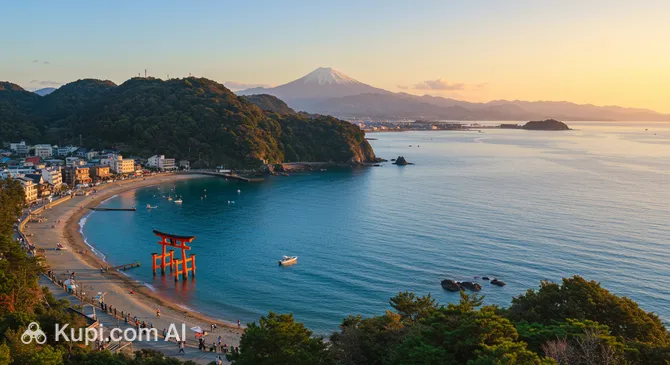
Ito. Illustration.
Source: Kupi.com AI

In addition to its famous onsens, Ito attracts tourists with other attractions. Highlights include the impressive cliffs of the Jogasaki Coast, picturesque volcanic lakes, and blooming gardens. Here, ancient traditions are seamlessly interwoven with modern comfort, creating the unique charm of narrow streets, historic buildings, and well-kept parks. Outdoor enthusiasts will appreciate the coastal hiking trails, while foodies will enjoy local delicacies.

Ito is a place where you can truly rest your soul and body, enjoying the beauty of Japanese nature and the hospitality of the locals. If you are looking for seclusion, cultural enrichment, and an introduction to healing springs, a trip to Ito will give you unforgettable impressions.

You can find more interesting facts on the Ito city history page.
Weather Overview

The weather in Ito is characterized by noticeable seasonal changes. Summer, especially in July and August, is quite warm, with average temperatures around 25-26°C and maximum values reaching 27-28°C. This period also sees a significant amount of rainfall, with June being one of the wettest months. In winter (December–February), average temperatures range from 6.4°C to 8.6°C, while minimums can drop to 3.9°C. The winter months are generally drier compared to the summer months. Expect a warm and rather humid summer with frequent rain and cool, relatively dry winters.

Spring and autumn are transitional seasons with moderate temperatures and variable rainfall. For more detailed information on monthly weather conditions, you can check the detailed forecast: Ito Climate.

Average monthly temperature

Average monthly precipitation

Interesting Facts

In addition to its famous onsens and picturesque landscapes, the city of Ito hides many surprising stories and facts that allow for a fresh look at this charming place. Here are just a few that make Ito truly unique:

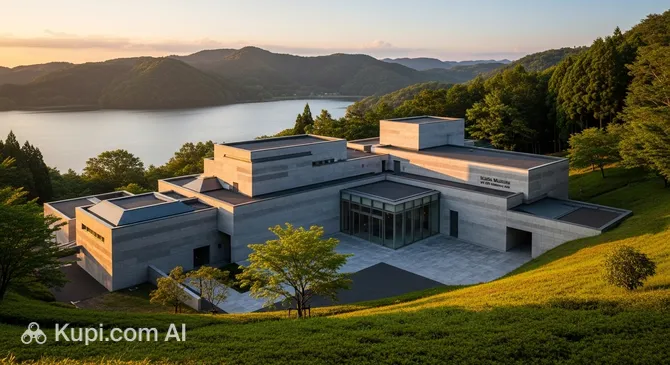
Ikeda Museum of 20th Century Art. Illustration.
Source: Kupi.com AI

Traveler photos:

  • Oldest Resort in Kanto: Ito is rightfully considered one of the oldest hot spring resorts in the Kanto region. The first mentions of its healing waters date back to the Edo period, making it a true cradle of onsen culture.

  • Volcano with a Perfect Crater: One of the most impressive natural attractions is Mount Omuro—an extinct volcano with an almost perfectly circular crater. Ascending to its summit on a chairlift, for instance during the Omuroyama MISORA ridge walk, reveals breathtaking panoramas of the Izu Peninsula.

  • Cacti and Capybaras: Ito is home to the unique Izu Shaboten Zoo, where exotic animals, including capybaras, peacocks, and flamingos, roam freely among thousands of species of cacti. This unusual coexistence of flora and fauna makes it a favorite spot for visitors of all ages.

  • World Art Treasures: Few expect to find a collection of world masterpieces in a resort town, but the Ikeda Museum of 20th Century Art prides itself on works by masters such as Matisse, Picasso, Chagall, and Dalí. It is a true gem for art lovers.

How to Get There

There are several ways to reach the picturesque city of Ito, located on the Izu Peninsula. For most international tourists, the primary route is through Japan's major airports followed by a ground transfer.

The main air gateways convenient for reaching Ito are the airports serving Tokyo. The closest and one of the busiest in the world is Haneda Airport (HND), located in Tokyo, approximately 90 km north of Ito. This major international airport offers a huge number of flights. A trip from Haneda Airport to Ito by car or taxi will take approximately 2.5–3 hours, depending on traffic. You can also reach Ito from Haneda by train, usually with one or two transfers.

Another significant international airport is Narita International Airport (NRT), also in Tokyo but further away—approximately 147 km from Ito. Narita serves many international destinations. A car journey from Narita to Ito can take about 4 hours. As with Haneda, there are train options, which may be more economical but will require several transfers and take more time.

Significantly closer to Ito, about 86 km away, is Mt. Fuji Shizuoka Airport (FSZ), located in the city of Shizuoka. This is a smaller airport, serving mainly domestic flights and some international routes, primarily from East Asia. If your itinerary allows you to fly here, the road to Ito by car will take about 2.5 hours.

For convenience, here is a summary of the main airports through which you can reach Ito:

AirportPassenger trafficDistance
Shizuoka Airport691 27486 km
Haneda Airport85.7 mln90 km
Narita International Airport40.8 mln147 km
Matsumoto Airport112 618171 km
Ibaraki Airport776 063180 km

Rail transport is one of the most convenient and popular ways to travel in Japan, and Ito is well integrated into the country's rail network. The city has its own station—Ito Station, served by JR East. It is easy to reach by train from Tokyo and other major cities. For example, direct express trains such as the "Odoriko" and "Saphir Odoriko" run regularly from Tokyo (from Tokyo, Shinagawa, or Shinjuku stations) to Ito. A journey on such an express train takes approximately 1 hour 40 minutes to 2 hours and offers scenic views along the way, especially on the coastal sections. You can also take the Shinkansen bullet train to nearby hubs, such as Atami, and then transfer to the local Ito Line, which will take you directly into Ito.

Additionally, Ito can be reached by intercity buses from some cities or by rental car, which provides more flexibility for exploring the Izu Peninsula.

Main Attractions

Ito, a charming city on the Izu Peninsula, offers tourists a variety of attractions, from natural wonders to cultural treasures. Everyone will find something to their liking here, whether it's walking through scenic mountains, relaxing on the coast, or exploring art.

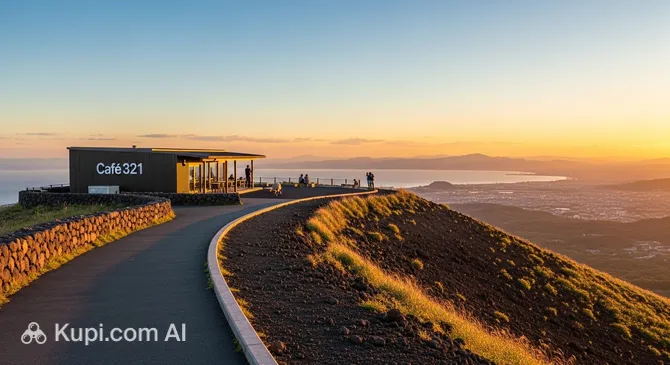
One of Ito's hallmarks is Mount Omuro. Embark on an unforgettable Omuroyama MISORA ridge walk by ascending to its summit, which resembles an inverted bowl. From here, panoramic views of the coast and mountains open up, and at the summit itself, you can walk around the crater and visit the cozy Cafe 321. This place is perfect for nature lovers and those seeking breathtaking landscapes.

Omuroyama Ridge Walk MISORA (Café 321). Illustration.
Source: Kupi.com AI

Traveler photos:

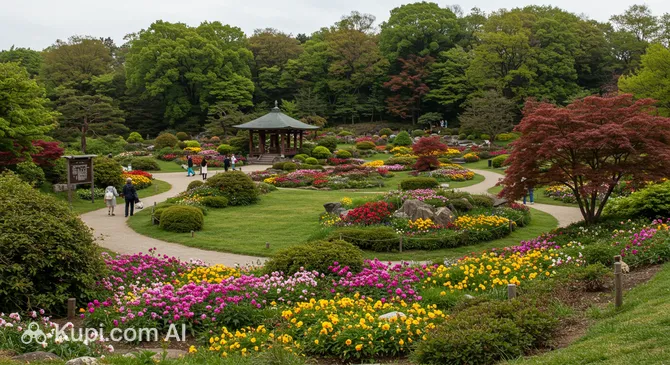
Equally attractive is Komuroyama Park, located at the foot of the mountain of the same name. This park is famous for its seasonal flowers, especially the azaleas in spring, which cover the slopes in a vibrant carpet. Here you can take a leisurely stroll, enjoy the fresh air and beautiful views. For those who want to go higher, an interesting addition would be the MISORA mountain ridge walk on Mt. Komuro using the Komuroyama lift.

Komuroyama Park. Illustration.
Source: Kupi.com AI

Traveler photos:

Art connoisseurs should visit the Ikeda Museum of 20th Century Art. Its collection features works by famous artists of the last century, including Renoir, Picasso, and Chagall. The museum offers a unique opportunity to encounter masterpieces of world art in a peaceful and inspiring atmosphere.

Ikeda Museum of 20th Century Art. Illustration.
Source: Kupi.com AI

Traveler photos:

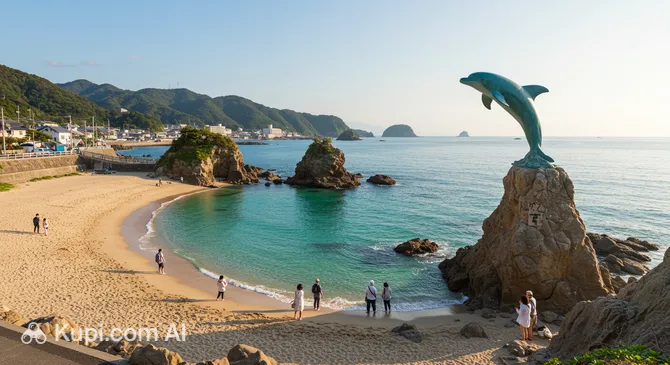
For lovers of seaside relaxation and nature, Kawana Dolphin Beach is a perfect choice. This is not just a beautiful beach for swimming and sunbathing, but also a place where you can observe dolphins or even swim with them (subject to available programs). This will provide unforgettable memories for both adults and children.

Kawana Dolphin Beach. Illustration.
Source: Kupi.com AI

Traveler photos:

Local Cuisine

The cuisine of Ito is a delightful combination of the sea's bounty and the generosity of the Japanese land, where the main emphasis is on freshness and seasonality. Travelers here should certainly indulge in dishes made from the freshest fish and seafood. Be sure to try the sashimi made from local tuna, sea urchin, squid, and shrimp. Of course, you cannot overlook the local sushi and donburi—appetizing bowls of rice topped with a variety of seafood caught off the coast of the Izu Peninsula.

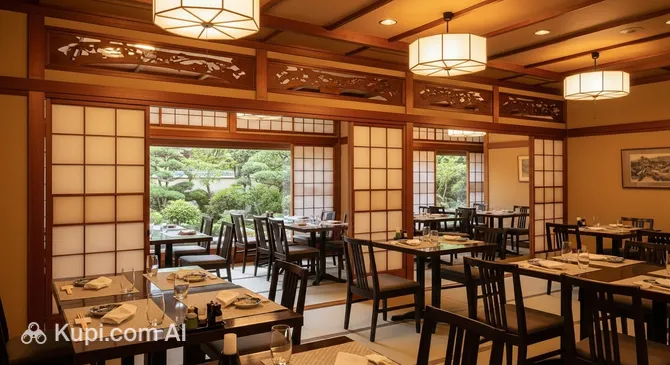
One of the main gastronomic experiences in Ito is discovering kaiseki. This is a traditional Japanese dinner consisting of many small, exquisitely presented dishes, each revealing seasonal flavors and textures. Many ryokans (traditional Japanese inns) and restaurants in the city, such as Ito Yukitei, take pride in their unique variations of kaiseki, where local marine delicacies take center stage.

Ito Yukitei. Illustration.
Source: Kupi.com AI

Traveler photos:

The gastronomic scene in Ito is not limited to fine dining restaurants. On the city streets, you can find small, cozy shops offering traditional Japanese pastries and sweets, such as mochi (rice flour cakes) filled with sweet azuki bean paste. Visit the local markets selling fresh vegetables, fruits, and, of course, a rich catch of seafood. Here you can try grilled fish on skewers or other simple but very tasty local snacks, which will be a great addition to a walk along the waterfront.

As for drinks, sake or Japanese beer pairs perfectly with fresh seafood. Non-alcoholic drink enthusiasts can always enjoy a variety of traditional green tea types. The dining culture in Ito is diverse: from exquisite dinners in restaurants and ryokans to the lively atmosphere of markets and street stalls. The city is also known for its gastronomic festivals dedicated to seafood and seasonal harvests, during which you can dive deeper into local culinary traditions.

Travel Tips

Welcome to the charming city of Ito! To make your journey to this coastal resort in Japan as comfortable and enjoyable as possible, we have prepared some practical tips. They will help you navigate better on the spot and dive deeper into the local culture.

  1. Clothing and Essentials:

    The climate in Ito is temperate, with warm and humid summers and mild winters. In summer, bring light, breathable clothing. In spring and autumn, layered clothing is useful as the weather can be changeable. In winter, a warm jacket or coat is sufficient. Be sure to bring comfortable shoes for walking around the city and along the Jogasaki Coast. Don't forget an umbrella or raincoat, especially in spring and during the rainy season (June–July). To visit temples and some traditional establishments, it is customary to remove your shoes, so choose footwear that is easy to take off and put on. If you plan to visit onsens (hot springs), special clothing is not needed as they are visited naked, but bring your own small towel, although they can often be rented. Also, don't forget an adapter for electrical appliances (Japan uses type A and B sockets, 100V voltage).

  2. Transport in Ito:

    Getting around Ito and its surroundings is possible via the JR Ito and Izukyu train lines, which connect the city with other resorts on the Izu Peninsula. Within the city, local buses operate on routes where there is no rail service. Taxis are available but can be expensive for long-distance trips. Renting a car can be a good option for exploring more remote corners of the Izu Peninsula, but remember that driving in Japan is on the left side, and you will need an international driving permit. The city of Ito itself is quite compact, and many attractions in the center and along the coast can be reached on foot.

  3. Finance and Payments:

    The local currency is the Japanese yen (JPY, ¥). You can exchange currency at airports, major banks, and some post offices. While credit and debit cards (Visa, Mastercard) are increasingly accepted, especially in hotels and large stores, Japan remains a country where cash plays an important role. Always carry some cash with you, especially for payments in small restaurants, shops, and for local transport. ATMs that accept international cards can be found in 7-Eleven stores (Seven Bank) and at the post office (Japan Post Bank). Tipping in Japan is not customary and may be perceived as impolite; excellent service is included in the bill.

  4. Health and Safety:

    Ito, like all of Japan, is a very safe place with a low crime rate. Pharmacies (look for the sign "薬" - kusuri) are easy to find, but pharmacists do not always speak English. It is recommended to have travel medical insurance. If medical assistance is needed, hotel staff can help find an English-speaking doctor. For emergencies, call 119 (ambulance and fire service). Follow standard precautions, especially regarding hydration in hot weather.

  5. Communication:

    The official language is Japanese. English is common in tourist areas, hotels, and train stations, but not everywhere. Learn a few basic phrases in Japanese: "Konnichiwa" (Hello), "Arigato gozaimasu" (Thank you), "Sumimasen" (Excuse me/I'm sorry). For connectivity, it's recommended to purchase a local SIM card (available at airports) or rent a pocket Wi-Fi router. Free Wi-Fi is available in some hotels, cafes, and tourist information centers. Useful apps: Google Maps for navigation and Google Translate for translation.

  6. Local Etiquette:

    Japanese people value politeness and respect. A greeting is a slight bow. In public places, especially on transport, try to speak quietly. Remove your shoes before entering homes, temples, traditional ryokans, and some restaurants. When visiting the onsens (hot springs) that Ito is famous for, be sure to take a shower before entering the communal bath. Do not use soap in the bath and do not put your towel in the onsen water. Eating and drinking on the go is not always welcomed, except in special areas or during festivals.

  7. What to Avoid:

    Avoid loud conversations and boisterous behavior in public places, especially on trains and in temples. Do not point at people or objects with one finger—it is considered impolite; use an open palm. Do not stick chopsticks vertically into rice—this is associated with funeral rituals. Also, try not to leave trash behind; if there is no bin nearby, take it with you.

  8. Special Tip for Ito:

    Ito is primarily a resort with hot springs and a picturesque coast. Be sure to visit one of the local onsens—it's an essential part of Japanese culture and a wonderful way to relax. Also, don't miss the chance to try the freshest seafood for which this port city is famous. Walk along the Orange Beach waterfront and explore the impressive Jogasaki Coast with its suspension bridge.

We hope these tips make your stay in Ito even more memorable and comfortable. Enjoy the beauty and hospitality of this wonderful Japanese city!

Entertainment & Nightlife

In the evening, Ito offers its guests a quiet and cozy atmosphere, more conducive to relaxed rest than to boisterous parties until dawn. Nightlife here is focused on traditional Japanese pleasures: delicious food, pleasant drinks, and leisurely conversations. Instead of loud nightclubs, you will find charming restaurants, izakayas (Japanese pubs), and small bars where you can immerse yourself in the local flavor.

Most evening activity is concentrated in the areas around Ito Station and along the waterfront, where many establishments are located. The atmosphere here is usually peaceful, and the crowd is mixed—from tourists enjoying their stay at hot springs to local residents. Most restaurants and bars stay open until late evening, but not until the early morning hours typical of major metropolises. There is usually no specific dress code; casual style is welcomed.

When planning your evening leisure, keep in mind that many establishments start filling up closer to dinner time. Prices in Ito's restaurants and bars vary but generally remain affordable. To get around the city at night, you can use taxis, which are easy to find near the station or order through your hotel. Walking along the central illuminated streets is also safe, as Ito, like most cities in Japan, has a low crime rate. Nevertheless, it is always worth following standard safety precautions.

Among the places where you can enjoy a pleasant evening are restaurants serving local cuisine. For example, you can visit Ito Yukitei, known for its traditional Japanese dishes, or stop by Kappore to enjoy fresh seafood. These establishments allow you to experience the region's gastronomic delights in a cozy setting.

Ito Yukitei. Illustration.
Source: Kupi.com AI

Traveler photos:

As for daytime entertainment, there is plenty to do in Ito as well. The city and its surroundings are rich in natural beauty and cultural sites. You can visit the Ikeda Museum of 20th Century Art, stroll through the picturesque Komuroyama Park, or enjoy the views during a MISORA mountain ridge walk on Mt. Komuro. These locations offer interesting experiences to complement your holiday in this charming corner of Japan.

Parks & Museums

The city of Ito, nestled on the Izu Peninsula, offers its guests a harmonious blend of scenic natural landscapes and interesting cultural sites. Here, you can enjoy the tranquility of parks and coastal beauty, as well as explore the art and history of the region.

One of Ito's main green gems is Komuroyama Park. From its peaks, breathtaking views of the city and ocean open up, and in spring, the park blooms with thousands of azaleas. For a complete experience, it's worth taking a MISORA mountain ridge walk on Mt. Komuro using the lift, which allows you to enjoy the panoramas from above.

Komuroyama Park. Illustration.
Source: Kupi.com AI

Traveler photos:

Equally noteworthy is Mount Omuro, an extinct volcano with a perfectly symmetrical shape resembling an inverted bowl. A walk along its ridge will provide unforgettable impressions and magnificent photos, and at the local Cafe 321, you can relax with a view of the surroundings. Mount Omuro is especially beautiful when covered in fresh greenery in spring or golden grass in autumn.

Omuroyama Ridge Walk MISORA (Café 321). Illustration.
Source: Kupi.com AI

Traveler photos:

For lovers of seaside leisure and coastal scenery, Kawana Dolphin Beach will be of interest. This is a great place for walks along the shore, where you can breathe the fresh sea air and enjoy the calm atmosphere of the Izu coast.

Kawana Dolphin Beach. Illustration.
Source: Kupi.com AI

Traveler photos:

The main cultural magnet for art lovers in Ito is the Ikeda Museum of 20th Century Art. Its collection features works by famous Japanese and foreign masters of the last century, including paintings, sculpture, and other art forms. The museum offers a deep immersion into the artistic movements of the 20th century and is an important cultural center of the city, allowing visitors to appreciate a rich artistic heritage.

Ikeda Museum of 20th Century Art. Illustration.
Source: Kupi.com AI

Traveler photos:

In addition to this significant museum, Ito's cultural life is evident in local traditions and crafts. While there may be few large galleries, the spirit of creativity is felt in small workshops and at seasonal exhibitions. While walking around the city, pay attention to the details: the architectural elements of old ryokans, small temples, and shrines that also tell the history and culture of Ito.

For an authentic experience, visit the local markets where you can try fresh seafood and discover regional delicacies. Also, don't miss the opportunity to walk along the picturesque Matsukawa waterfront, especially in the evening when the lights come on, or visit one of the many hot springs (onsens) for which Ito is so famous.

Getting Around

Getting around Ito and its surroundings is quite convenient thanks to a well-developed public transport system adapted for both locals and tourists. The network's core consists of local buses and rail connections. There is no metro or tram system in the city itself, as Ito is a relatively small resort town where many parts can be explored on foot.

The primary form of public transport within the city limits are the buses operated by Tokai Bus. They connect Ito Station with major attractions, hotels, onsens, and residential areas. To pay for the fare on buses, cash (it's best to have small change for exact payment) or Japan's popular rechargeable IC cards such as Suica, Pasmo, or ICOCA are usually used. When entering the bus (usually through the rear or middle door), you need to take a ticket with a zone number or tap your IC card on the reader. Payment is made upon exiting through the front door, showing the ticket to the driver and paying the amount indicated on the display opposite your zone number, or by tapping your IC card again. The fare depends on the distance. Day passes for certain routes or zones are sometimes available, which can be advantageous for active tourists.

Ito Station is a vital transport hub served by the JR Ito Line and the Izu Kyuko Line. These trains are useful not so much for moving within the city itself, but for trips to other resorts and attractions on the Izu Peninsula. Train tickets can be purchased at station vending machines or ticket offices. IC cards are also accepted on these lines. Buses usually start running early in the morning and stop in the evening, but frequency may decrease during off-peak hours, so it is recommended to check the schedules at stops or on the transport company's website in advance.

As an alternative to public transport, taxis are always available in Ito. They can be found at stands near the railway station, major hotels, or called by phone. Taxi fares in Japan are generally higher than public transport. For leisurely strolls along the waterfront or scenic streets, consider bicycle rental—rental points are often found in tourist zones and near the station. This is a great way to enjoy the city views at your own pace. Some hotels also offer bicycles for their guests.

A feature of Ito's transport system is its focus on tourists wishing to visit natural beauties and hot springs. Many bus routes are specifically designed to reach popular onsens and parks. The Izu Kyuko Line itself is a scenic route, running along the coast and offering beautiful views from the train window. For detailed information on routes, schedules, and pass options, it is recommended to visit the tourist information center, usually located at Ito Station.

Accommodation

In Ito, travelers will find a wide range of accommodation options to suit various preferences and budgets. You can stay in traditional Japanese ryokans with hot springs (onsens), as well as modern hotels, guest houses, or rent apartments. The range varies from budget hostels to luxury resort complexes.

Many tourists prefer staying in areas near the coast to enjoy the picturesque views and easy access to the beaches. Areas near major transport hubs are also popular, and, of course, locations in close proximity to the famous hot springs for which Ito is renowned. The choice of area depends on your plans: whether you want to be in the center of the action or are looking for a more secluded getaway.

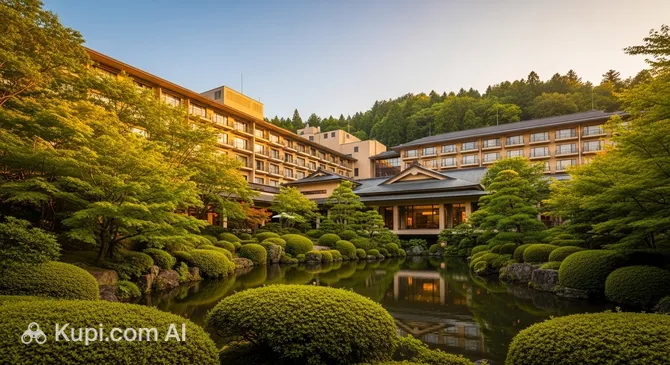
Among the well-known and reputable accommodation options in Ito are hotels such as Mori-no-Izumi and Luxury Japanese Hotel Kaze no Kaori UMI. These establishments offer comfortable stays and a high level of service, often including access to their own onsens and restaurants serving local cuisine.

Mori no Izumi. Illustration.
Source: Kupi.com AI

Traveler photos:

When planning a trip to Ito, especially during peak tourist seasons (such as during the cherry blossom or autumn foliage), it is recommended to book accommodation in advance. The price range can be quite broad: from affordable options for budget-conscious travelers to luxury offerings. The most common booking methods are popular international online platforms and booking systems, as well as the possibility of direct booking through official hotel websites.

Nearby Cities

For those who want to explore the surrounding area, Ito serves as an excellent starting point for day trips to several interesting nearby locations:

CityPopulationDistance
Izu28 49314 km
Atami35 27615 km
Izunokuni46 21217 km
Yugawara23 48020 km
Higashiizu11 38922 km

These nearby destinations offer a glimpse into the diverse culture and landscapes of the region.

Shopping & Souvenirs

Ito, a cozy resort town on the Izu Peninsula, offers guests not only picturesque landscapes and hot springs but also opportunities for pleasant shopping. You won't find huge shopping complexes here like in major metropolises, but you can purchase unique local goods, fresh produce, and charming souvenirs reflecting the spirit of Japan and the Shizuoka region. Shopping in Ito is more of a leisurely stroll through small shops and an introduction to local crafts.

Main shopping activity in Ito is concentrated around Ito Station and its adjacent streets. Here you can find a variety of stores, from grocery shops to souvenir boutiques. It's also worth walking along the Matsukawa riverbank, where small shops and cafes offering local artisans' work and delicacies are located.

Ito lacks the large modern shopping malls characteristic of big cities. The focus here is on small specialized shops and family-run stalls, giving shopping a more authentic character. It is in such places that you can find truly unique items.

While Ito may not have one large central market like some other cities, it's worth paying attention to small local markets or individual stalls selling fresh seafood, for which the coastal region is famous. In the morning, you can try to find spots selling the fresh catch. Also, look for shops offering local vegetables, fruits, and farm products.

Items worth bringing back from Ito and the Shizuoka region include:

Himono (干物): Dried or cured fish and seafood—a popular local specialty.

Wasabi products: Shizuoka Prefecture is famous for growing wasabi, so you can find fresh wasabi, paste, seasonings, and even wasabi-flavored sweets here.

Green tea: Shizuoka is one of the main tea-producing regions in Japan. Be sure to buy a pack of local tea.

Local sweets (wagashi): Try traditional Japanese desserts, often prepared using local ingredients.

Handcrafted items: Ceramics, textiles, and other souvenirs reflecting onsen culture and the nature of the Izu Peninsula.

Most shops in Ito are open from approximately 10:00 to 18:00 or 19:00. Small family shops may have individual schedules and a day off during the week. Larger stores and those oriented towards tourists are more likely to accept credit cards. However, in small shops and at markets, it is preferable to have cash (Japanese yen) with you.

Foreign tourists can take advantage of the tax-free system (Tax Free) in licensed stores when purchasing goods over a certain amount (usually over 5,000 yen). Look for the "Tax Free Shopping" sign and don't forget to present your passport when making a purchase.

Reached the end of the page?

That means the route is fully explored