Support

Hayama

About

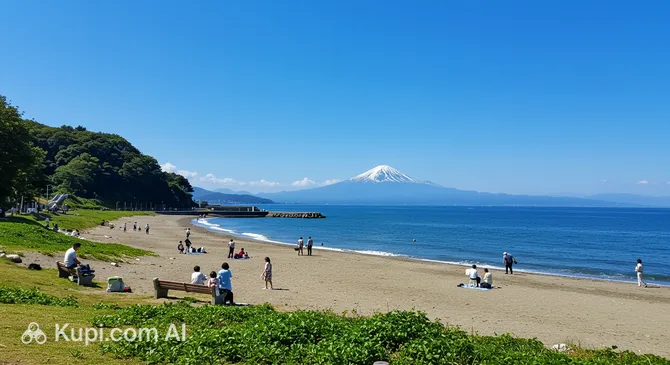
Hayama is a charming coastal town, a true oasis of tranquility located on the coast of Kanagawa Prefecture in Japan. Just an hour's drive from bustling Tokyo, it stretches along the shores of scenic Sagami Bay, where the gentle sea meets green hills and shady pine groves, creating a soothing atmosphere.

Hayama is home to about 31,500 people, and it is the town's small size that gives it its special charm. The mild marine climate, cozy beaches, and picturesque marinas make it an ideal destination for those dreaming of escaping the city bustle. There is no noise of a metropolis here—instead, you will find a leisurely pace of life and friendly locals.
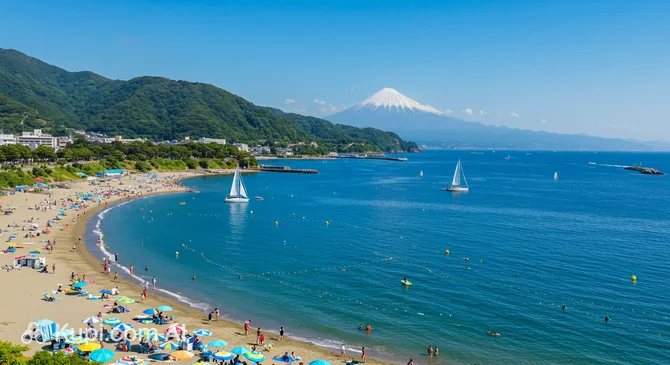
Hayama. Illustration.
Source: Kupi.com AI

The main highlight of Hayama is the harmony between nature and modern infrastructure. The town is famous for its beautiful beaches, such as Morito and Isshiki, which attract water sports enthusiasts and sunbathers. No less popular is the Hayama Marina yacht club, where you can not only admire the white sails but also rent a boat for an unforgettable sea excursion. This atmosphere of serenity and inspiration attracts artists and photographers.

Hayama gives its guests a unique sense of comfort and hospitality. Walking along shady alleys, visiting traditional shrines, or enjoying the freshest seafood in coastal restaurants—all this creates unique experiences. It is truly a place you want to return to again and again to rediscover the simple joys of life by the sea.

You can find more interesting facts on the Hayama city history page
Weather Overview

The weather in Hayama is typically characterized by warm and humid summers with occasional rain, as well as cool and drier winters. In summer, especially in August, the average temperature stays around 27.0°C, while in January it drops to 5.9°C. The highest amount of precipitation (up to 7 mm per month) and rainy days (up to 16) are usually observed between June and October, while precipitation is significantly lower in winter. For more detailed information, check the Hayama Climate page.

Average monthly temperature

Average monthly precipitation

Interesting Facts

In addition to its picturesque beaches and calm atmosphere, Hayama hides many surprising stories and little-known details that make this coastal town truly special. Here are just a few interesting facts that will help you look at Hayama from a new perspective:

Morito Shrine. Illustration.
Source: Kupi.com AI

Traveler photos:

  • Hayama is historically known as a prestigious summer retreat for the Japanese Imperial Family. The Hayama Imperial Villa is located here, giving the town a special status and an atmosphere of refined seclusion.

  • Colorful festivals are held annually on Morito Beach, next to the famous Morito Shinto Shrine. These events include traditional boat races and ancient purification rituals, attracting both locals and visitors.

  • The town is an important center for art. Hayama hosts a branch of the Museum of Modern Art, Kamakura & Hayama, as well as the Yamaguchi Hoshun Memorial Hall, making it an attractive destination for lovers of Japanese culture.

  • According to local legends, the scenic beaches of Hayama were a popular vacation spot for samurai and aristocrats as far back as the Edo period. They came here from Tokyo to enjoy the sea breeze and take a break from palace intrigue.

How to Get There

The most convenient way to reach the charming coastal town of Hayama in Kanagawa Prefecture, Japan, is through one of the major international airports serving the Tokyo region. There is no direct airport or major railway station in Hayama itself, so travelers should plan for further transfer via local transport.

The primary and closest option for international and domestic flights is Haneda Airport (IATA: HND), located in Tokyo. This major international airport is approximately 36 km from Hayama. A trip by taxi or rental car from Haneda Airport to Hayama usually takes about 1-1.5 hours, depending on traffic conditions. Public transport options are also available, involving a combination of trains and buses, which may take a bit longer but is a more economical method.

Another significant international hub is Narita International Airport (IATA: NRT), also located in Tokyo but at a greater distance—approximately 91 km from Hayama. This is one of Japan's main international hubs. The journey from Narita Airport to Hayama by car or taxi will take about 2-2.5 hours, and sometimes longer due to traffic. Traveling by public transport (for example, the Narita Express to the nearest major station and then local transport) is also possible but will require more time and transfers.

For clarity, here is a summary of the main airports through which you can reach Hayama:

AirportPassenger trafficDistance
Haneda Airport85.7 mln36 km
Narita International Airport40.8 mln91 km
Ibaraki Airport776 063126 km
Shizuoka Airport691 274139 km
Matsumoto Airport112 618180 km

Although there are no major railway stations in Hayama itself serving Shinkansens or long-distance expresses, nearby railway stations such as Zushi are only a few kilometers away. From there, Hayama is easily accessible by local bus or taxi. Rail travel is convenient if you are arriving from other cities in Japan.

Hayama can also be reached by car, as the town is connected by a network of good roads to Tokyo and other major cities in the Kanto region. Renting a car can be a convenient option for exploring the surroundings. It is recommended to study routes in advance and consider local public transport options for moving around the town itself and its scenic environs.

Main Attractions

Hayama, snugly nestled on the coast of Kanagawa Prefecture, attracts travelers with its picturesque nature, calm atmosphere, and interesting cultural sites. This seaside town offers several wonderful places that are certainly worth including in your itinerary through Japan.

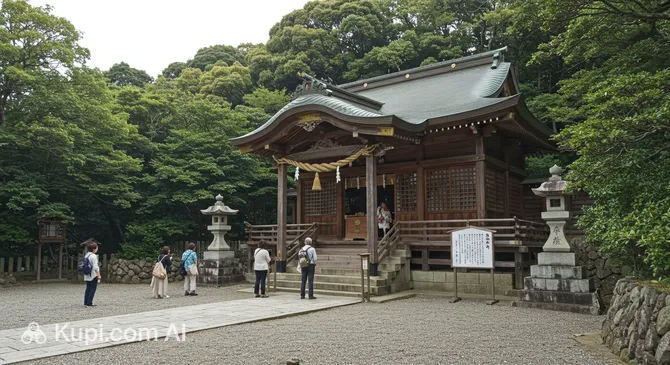
One of the main spiritual and cultural attractions of Hayama is the Morito Shinto Shrine. This ancient shrine, located right by the sea, is enveloped in an atmosphere of peace and offers visitors not only a chance to touch Japanese religious traditions but also to enjoy magnificent views of Sagami Bay. The shrine is known for its rich history and beautiful architecture, making it a popular spot for both pilgrims and tourists.

Morito Shrine. Illustration.
Source: Kupi.com AI

Traveler photos:

Nature lovers and fans of beautiful landscapes should definitely visit Tateishi Park. The name of the park, which can be translated as "standing stone," speaks for itself—its main highlight is the picturesque rock formations off the coast. This is a great place for walking, photography, and contemplating sea views, especially at sunset. The park attracts visitors with its natural beauty and tranquility.

Tateishi Park. Illustration.
Source: Kupi.com AI

Traveler photos:

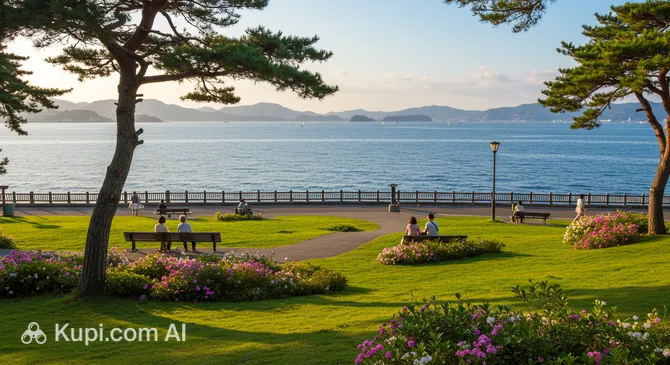
Another iconic place for outdoor recreation is Hayama Shiosai Park. "Shiosai" means "the sound of the tide," and the park is indeed located on the ocean shore, on the grounds of a former imperial villa. Today, it is a public park with well-kept gardens, walking paths, and beautiful sea views. Here you can see the Museum of Modern History of Hayama, as well as enjoy the silence and beauty of a Japanese garden.

Hayama Shiosai Park. Illustration.
Source: Kupi.com AI

Traveler photos:

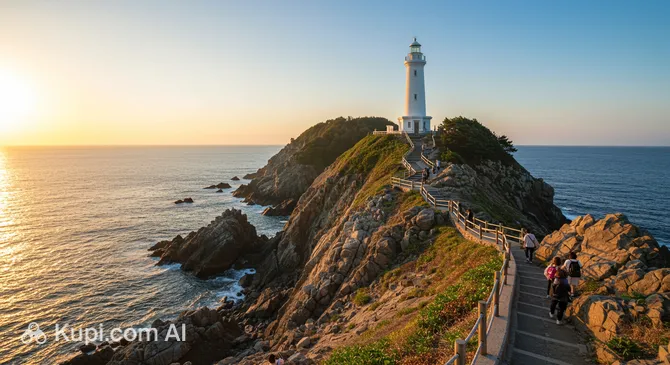
For those looking for breathtaking panoramic views, Choyagasaki is the perfect choice. This scenic cape is known for its stunning views of the coast, cliffs, and, on clear days, even Mount Fuji. Cape Choyagasaki is a popular spot for photographers and everyone who appreciates the beauty of coastal landscapes. A walk here will provide unforgettable impressions and allow you to feel the power and beauty of nature.

Chojagasaki. Illustration.
Source: Kupi.com AI

Traveler photos:

Local Cuisine

The gastronomic scene of Hayama is a true delight for connoisseurs of fresh seafood. Located on the coast, the town is famous for an abundance of seafood that reaches the tables of local restaurants and markets daily. Be sure to try sashimi made from the freshest tuna, sea urchins, and squid. However, the true hallmark of the local cuisine is "shirasu-don"—an appetizing bowl of rice topped with delicate young sardines caught right off the shores of Hayama.

In addition to seafood, Hayama is proud of its Hayama beef—high-quality marbled meat served in the town's finest establishments. This delicacy, which combines Japanese culinary traditions with modern preparation techniques, is a true gastronomic brand of the region and will provide an unforgettable taste experience.

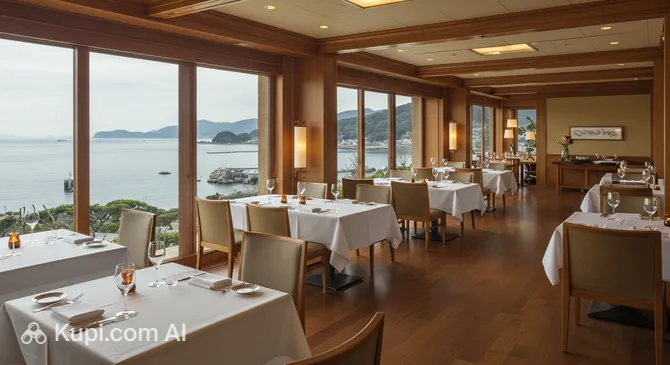
La Marée Restaurant. Illustration.
Source: Kupi.com AI

Traveler photos:

The food culture in Hayama is diverse. Exquisite dishes made from the freshest ingredients can be tasted in numerous restaurants, such as La Marée Restaurant, where the skill of the chefs reveals the full palette of flavors of local products. For a more informal introduction to the town's gastronomy, visit the Hayama Market. Here, you will find street food, seasonal vegetables, fresh pastries, and traditional Japanese sweets. Local onigiri rice balls with various fillings, including seafood, are particularly popular. In addition, Hayama periodically hosts gastronomic festivals where you can not only try delicacies from the best chefs but also participate in culinary masterclasses.

A meal in Hayama is perfectly complemented by traditional Japanese drinks. Sake or refreshing local beer pairs excellently with seafood dishes. Non-alcoholic options include various types of green tea, which is an integral part of Japanese culture. Many establishments will also offer you seasonal fruit drinks and lemonades, perfect for quenching your thirst on a warm day.

Travel Tips

Welcome to Hayama, a charming coastal town known for its beautiful beaches and relaxed atmosphere! To make your trip to this corner of Japan as comfortable and pleasant as possible, we have prepared some practical tips.

  1. Clothing and Essentials:

    The climate in Hayama is temperate marine. In summer (June-August), it is hot and humid, so bring light, breathable clothing, swimwear, sunscreen, a hat, and sunglasses. Spring and autumn offer pleasant weather, ideal for layered clothing—T-shirts, light sweaters, and a windbreaker. Winters are mild, but a warm sweater and jacket won't hurt. Comfortable shoes for walking along the coast and surroundings are essential. Don't forget an adapter for your electronics (Japan uses type A and B sockets, voltage 100V). When visiting shrines, should they be on your itinerary, choose modest clothing that covers shoulders and knees.

  2. Local Transport:

    Hayama is a small town, and you can get around it in various ways. The main form of public transport is buses, which connect different parts of the town and neighboring settlements, such as Zushi station, from where it's easy to reach major cities. Taxis are available but can be expensive. Renting a car may be an option if you plan to explore the Miura Peninsula; however, keep in mind that parking in Hayama can be limited and some roads are quite narrow. Walking or cycling are great ways to explore the town itself and its beaches.

  3. Finances:

    The local currency is the Japanese Yen (JPY). It is best to exchange currency at the airport upon arrival or at banks in major cities. В In Hayama, credit cards are accepted in many hotels, restaurants, and large stores, but it is always useful to have some cash on hand for small shops, local markets, or cafes. ATMs that accept international cards can be found at post offices (Japan Post Bank) and in convenience stores (e.g., 7-Eleven). Tipping is not practiced in Japan, as excellent service is already included in the price. An approximate daily budget (excluding accommodation) can range from 7,000 to 15,000 yen, depending on your plans.

  4. Health and Safety:

    Japan is one of the safest countries in the world, and Hayama is no exception. The crime rate here is very low. Nevertheless, observe usual precautions. Pharmacies (薬, kusuri) exist, but pharmacists may not speak English, so have a basic first-aid kit with you. For serious medical assistance, tourists are better off contacting large hospitals in neighboring cities. It is highly recommended to take out medical insurance before your trip. On beaches, pay attention to lifeguard warnings and weather conditions.

  5. Communication:

    The official language is Japanese. English proficiency among the local population may be limited, especially outside tourist areas. However, in hotels and some restaurants, staff may speak English. Learn a few basic phrases: "Konnichiwa" (Hello), "Arigato" (Thank you), "Sumimasen" (Excuse me/Sorry). For constant internet access, you can buy a local SIM card (for example, at the airport) or rent a pocket Wi-Fi router. Free Wi-Fi is available in some hotels, cafes, and public places.

  6. Local Etiquette:

    Japanese people are very polite and value respect for their culture. When greeting someone, a slight bow is appropriate. In public places, especially on transport, try to speak quietly. Remove your shoes before entering private homes, some temples, and traditional restaurants (look for a special shoe shelf). It is not common to eat on the go (except for some street festivals or ice cream). Try to take your trash with you until you find the nearest bin or return to your hotel.

  7. What to Avoid:

    Try not to speak loudly on the phone in public transport—it is considered impolite. Also, avoid leaving chopsticks sticking vertically into rice—this is associated with funeral rituals. In general, observe the behavior of locals and try to follow their lead.

  8. Special Tip for Hayama:

    Hayama is famous for its magnificent sunsets over Sagami Bay, especially if you are lucky enough to see them against the backdrop of Mount Fuji on a clear day. Be sure to set aside time to enjoy this spectacle from one of the beaches, such as Isshiki or Morito. The town is also a popular spot for water sports such as surfing and paddleboarding—a great way to spend your time actively.

We hope these tips help you better prepare for your trip and get the most out of your stay in beautiful Hayama. We wish you an unforgettable journey!

Entertainment & Nightlife

Hayama, a charming coastal town in Kanagawa Prefecture, offers its guests a quiet and refined evening leisure rather than the boisterous nightlife of large metropolises. Here you won't find noisy districts with neon club signs, but you can enjoy a peaceful atmosphere, delicious food, and the beauty of sunsets over the ocean.

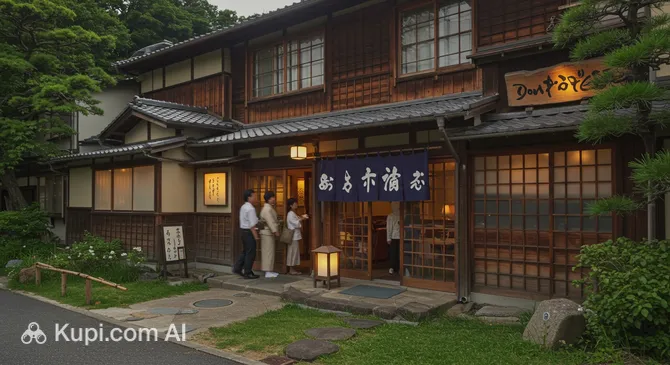
Evening entertainment in Hayama is mainly centered around numerous restaurants, many of which specialize in fresh seafood and offer magnificent views of Sagami Bay. The atmosphere in such establishments is usually relaxed, conducive to a leisurely dinner. Popular spots include La Marée Restaurant, known for its elegant setting and French cuisine with Japanese accents, and Restaurant Dona, which offers dishes made from local ingredients. The crowd here is typically respectable, valuing quality and comfort. The dress code is most often smart casual.

La Marée Restaurant. Illustration.
Source: Kupi.com AI

Traveler photos:

As for bars, in Hayama they are most often small cozy establishments or part of restaurants where you can enjoy a drink while admiring the sea scenery. Some coastal cafes may also stay open until late evening, especially during the summer season. However, there are practically no specialized nightclubs or large concert venues in the city. Instead, Hayama's nightlife offers quiet walks along the waterfront or sitting in a cafe with a view of the stars.

When planning an evening in Hayama, it's worth noting that many establishments may close earlier than in major cities, especially on weekdays and outside the tourist season. It is recommended to book tables in popular restaurants in advance. The average check in restaurants can vary but generally corresponds to resort levels. You can get to your hotel at night by taxi, as public transport may run less frequently late at night. You can call a taxi through the hotel or restaurant reception, or by using mobile apps.

Don's Restaurant. Illustration.
Source: Kupi.com AI

Traveler photos:

Hayama is considered a very safe city, like most places in Japan. Evening walks here are pleasant and safe. However, as elsewhere, it is worth observing basic precautions.

During the day, Hayama offers many opportunities for active and cultural recreation. The town is famous for its beautiful beaches, such as Isshiki, Morito, and Choyagasaki, where you can enjoy water sports or just sunbathe. Nature lovers will appreciate the scenic parks, such as Tateishi Park with its famous rock, or Hayama Shiosai Park, located on the grounds of a former imperial villa. Although there are no large museums or theaters in the town, its charm lies in its natural beauty and calm atmosphere.

Tateishi Park. Illustration.
Source: Kupi.com AI

Traveler photos:

Hayama Shiosai Park. Illustration.
Source: Kupi.com AI

Traveler photos:

Parks & Museums

Hayama, a charming coastal town in Japan, offers its guests a perfect balance between outdoor recreation and immersion in local culture. Here you will find picturesque parks with ocean views, peaceful shrines preserving the spirit of old Japan, and interesting art spaces.

Among the green oases of Hayama, Hayama Shiosai Park particularly stands out. Situated on the site of a former imperial villa, it enchants with traditional Japanese gardens, serene ponds, and magnificent views of Sagami Bay. The park also houses a small but interesting museum telling the story of the region's marine flora and fauna, as well as the history of the imperial family associated with this place. No less attractive is Tateishi Park, famous for its unique rock formations at the water's edge, which are especially photogenic at sunset. For those who appreciate panoramic views and quiet walks, Hayama Prefectural Park is an excellent choice, offering breathtaking coastal landscapes.

Hayama Shiosai Park. Illustration.
Source: Kupi.com AI

Traveler photos:

Tateishi Park. Illustration.
Source: Kupi.com AI

Traveler photos:

Hayama's cultural heritage is vividly represented not only in ancient traditions but also in modern art. The main spiritual and historical attraction is the Morito Shinto Shrine. This ancient shrine, picturesquely located right by the sea, attracts visitors with its calm atmosphere and rich history, serving as a wonderful place to learn about Japanese traditions and Shinto beliefs. For art lovers, a significant place is the Museum of Modern Art, Kamakura & Hayama. Its Hayama building presents collections of Japanese and international modern art, often with an emphasis on the post-war period, and attracts visitors not only with its interesting exhibitions but also with its modern architecture and ocean views. The charm of Hayama lies precisely in such authentic places where culture and nature are inextricably linked.

Morito Shrine. Illustration.
Source: Kupi.com AI

Traveler photos:

For a complete experience and to find unique vantage points, visit Cape Choyagasaki. From here, stunning views of the coast open up, and on clear days, you can even see the majestic Mount Fuji. A leisurely stroll through the quiet streets of the town can also yield unexpected discoveries, whether it's a small art gallery of a local master or a cozy cafe with an authentic atmosphere.

Getting Around

Getting around Hayama and its surroundings can be done in several ways, although, given the size of the town, the public transport system here is quite compact. Local buses play the primary role in transportation, connecting various areas of the town and providing links to the nearest railway stations, from where you can head to larger cities in the region.

Buses are the main form of public transport in Hayama. The route network covers key points in the town, including beaches, residential areas, and shopping streets. Buses run according to a schedule, which can be found at stops or checked using online route planning services. Typically, you board the bus through the back or middle door and exit through the front, where payment is made.

The fare payment system in Hayama, as in many Japanese cities, is quite convenient. The most common method is using rechargeable IC cards, such as Suica or Pasmo. These cards can be purchased and topped up at railway stations, in some convenience stores, and at vending machines. When entering the bus, you tap the card against the reader, and again when exiting if the fare depends on the distance. Cash payment directly to the driver upon exiting is also possible; in this case, it is recommended to have small change, as getting change for large bills can be difficult. There may not be specialized tourist passes specifically for Hayama, but IC cards provide a universal and convenient way to pay.

For tourists, it is important to know that buses usually start running early in the morning and end in the evening, around 22:00-23:00, depending on the route. On weekends and holidays, the schedule may differ. Tickets as such (paper ones for a single trip) are not issued when paying with cash—payment happens upon exit. If you use an IC card, the validation process happens automatically when you tap the card on the reader.

As an alternative to public transport, taxis are available in Hayama. They can be found at stands near stations or called by phone. This is a more expensive but comfortable way to travel, especially if you are traveling with luggage or in a group. Given Hayama's coastal location and scenic surroundings, bicycle rental can also be a great option for leisurely rides and sightseeing. Some hotels and guesthouses may offer bicycles for rent. Car sharing in small towns like Hayama is less common than in metropolises.

Accommodation

When planning a trip to Hayama, you will find a variety of accommodation options to suit different preferences and budgets. The town offers traditional Japanese ryokans and minshuku (guesthouses), as well as more familiar hotels and apartments for short-term rent. This allows you to choose accommodation that matches your travel style—from cozy family establishments to more modern options.

Many tourists prefer to stay in areas close to the coast to enjoy sea views and easy access to beaches. Also popular are locations from which it is convenient to reach the main attractions, such as the Morito Shinto Shrine or scenic parks like Tateishi Park and Hayama Shiosai Park. The choice of area depends on your priorities: a secluded getaway or proximity to urban infrastructure.

Although the provided list of attractions does not include specific hotels, Hayama offers accommodation for every taste—from budget-friendly options to more comfortable hotels. The price range varies from budget to mid-range and above, depending on the level of comfort, location, and season. It is recommended to explore offers on popular online booking platforms or consider direct booking through hotel websites.

To guarantee the best choice and prices, especially if your trip falls during the peak tourist season (such as the summer months or cherry blossom periods), it is recommended to book accommodation in advance. This will allow you to find the optimal option that meets your expectations and budget, making your stay in Hayama as comfortable as possible.

Nearby Cities

For those who want to explore the surroundings, Hayama serves as an excellent starting point for day trips to several interesting nearby locations. You can easily diversify your vacation by visiting neighboring cities, each of which has its own unique charm.

For example, just a few kilometers away is Yokosuka, a city with a rich maritime history where you can visit Verny Park, named after a French engineer, or see ships at the naval base. A little further is Fujisawa, a popular destination thanks to the famous Enoshima Island with its shrines, caves, and beautiful views, as well as its well-known beaches. If you are ready for a longer trip, Yokohama, Japan's second-largest city, offers you a chance to dive into the atmosphere of a major port metropolis with its futuristic Minato Mirai 21 district, vibrant Chinatown, and magnificent gardens like Sankeien.

CityPopulationDistance
Zushi56 9963 km
Yokosuka390 2758 km
Kamakurayama172 9298 km
Fujisawa436 74411 km
Torihama9 64313 km

These nearby destinations provide a more complete picture of the diverse culture and landscapes of the Kanto region, complementing the impressions of your stay in Hayama.

Shopping & Souvenirs

Hayama, being a charming coastal town, offers leisurely shopping with an emphasis on unique local goods rather than a hunt for global brands. Here you can find small boutiques, art galleries, and shops reflecting the maritime spirit and creative atmosphere of the town. Special attention should be paid to handmade products and goods related to the sea.

In Hayama, there is no single dedicated shopping street like in large metropolises. Small shops and souvenir stalls are scattered throughout the town, especially along coastal roads and in the area of the central streets leading to the beaches. A walk through the town will allow you to discover interesting places for shopping.

Hayama is not the place to look for large shopping centers. Shopping here is more intimate and focused on small independent shops and boutiques. For a big-mall shopping experience, it is better to head to neighboring, larger cities.

While Hayama may not have large, permanent markets like big cities, local fairs or farmers' markets may occasionally be held here, where you can purchase fresh produce, items from local artisans, and unique souvenirs. It is worth checking for information on such events upon arrival.

From Hayama, it is worth bringing back souvenirs that reflect its coastal location and creative spirit. These could be handmade ceramics, textiles with nautical motifs, paintings by local artists, accessories made of shells or wood, as well as high-quality Japanese home goods. Also, look out for local delicacies if any are available.

Most shops in Hayama, as in Japan in general, are typically open from 10:00-11:00 to 19:00-20:00. Some small shops may have their own, more flexible schedules. Credit cards are accepted in many places, especially in shops catering to tourists; however, it is always useful to have some cash on hand, especially for purchases in small shops or at occasional fairs.

Tourists in Japan can take advantage of the Tax-Free system when making purchases over a certain amount in participating stores. Usually, these are stores with the corresponding "Tax Free" logo. To process a tax refund, you will need your passport. Check the conditions directly in the stores.

Reached the end of the page?

That means the route is fully explored