Support

Yokosuka

About

Yokosuka is a charming city where maritime expanses meet a rich history, and centuries-old traditions harmoniously intertwine with the dynamics of modern life. It possesses a special atmosphere that attracts travelers looking for authentic experiences and a unique flavor.

The city is nestled on the southern coast of the Miura Peninsula in Kanagawa Prefecture, just an hour's drive from Tokyo. Thanks to its strategic position between Tokyo Bay and Sagami Bay, Yokosuka has historically been an important port for Japan and continues to play a significant role today, attracting visitors with picturesque ocean views, green hills, and a mild seaside climate. The population of Yokosuka is about 390,000 people, making it not only a large city but also an important administrative center for the region.
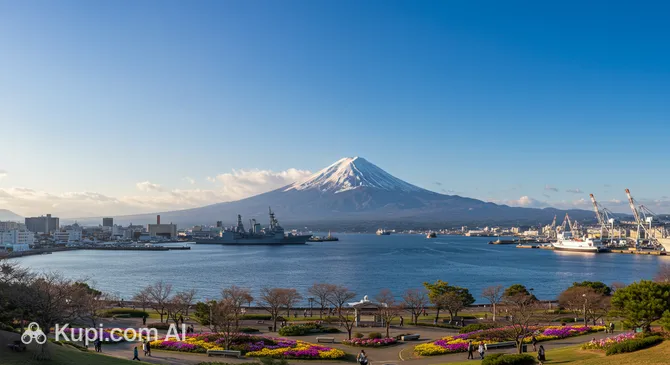
Yokosuka. Illustration.
Source: Kupi.com AI

Yokosuka literally breathes the sea: here you can see fishing boats on the horizon, enjoy the fresh sea air, and go on exciting boat trips. The city is famous for its unique blend of historical heritage, reflected in its ancient streets and temples, and modern aspects such as lively shopping streets, colorful markets, and cultural spaces. Gastronomy lovers will appreciate the opportunity to try the freshest seafood for which this seaside city is so famous.

Yokosuka is worth visiting for its unique character, where everyone will find something for themselves: from leisurely walks along the embankments and exploring historical sites to immersing themselves in the vibrant urban life. This is a city for those who value discoveries and strive to feel how the past and present merge in amazing harmony.

You can find more interesting facts on the Yokosuka city history page.
Weather Overview

The weather in Yokosuka is characterized by clearly defined seasons. Summer, especially in July and August, is warm and humid, with average temperatures reaching 25-27°C and frequent precipitation. Winters, from December to February, are cool, with average temperatures around 6-8°C and less precipitation. Spring and autumn offer mild weather with moderate temperatures and varying amounts of rain.

Overall, expect warm summers with occasional rain and cool, drier winters. To get more detailed weather information by month, including data on temperature, precipitation, and sunny days, you can check the Yokosuka Climate page.

Average monthly temperature

Average monthly precipitation

Interesting Facts

Beyond its well-known naval bases and scenic parks, Yokosuka hides many surprising stories and curious details. This city is capable of surprising even the most seasoned traveler with its unexpected facets.

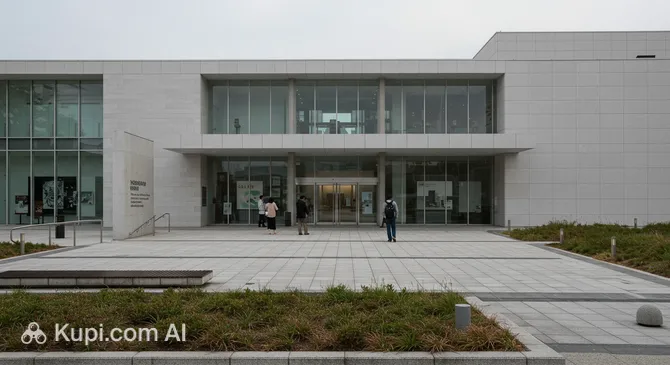
Minatomirai Industrial Museum. Illustration.
Source: Kupi.com AI

Traveler photos:

  • Cradle of the Fleet and Industry: Yokosuka played a key role in the modernization of Japan, transforming from a small fishing village into one of the main centers of shipbuilding. It was here that the first modern-type Japanese warships were built. Part of this history can be traced by visiting places like the Minatomirai Industrial Museum, which tells the story of the region's technological development.

  • The English Samurai: The city is closely linked to the name of William Adams, a 17th-century English navigator who became the first European to receive the rank of samurai, known in Japan as Miura Anjin. His legacy and supposed grave are believed to be located in the vicinity of Yokosuka, in Tsukayama Park, attracting history buffs.

  • The "American Dream" Street: The famous Dobuita Street is a colorful mix of Japanese and American cultures. After World War II, it became a popular spot for sailors, which defined its unique look with bars, "sukajan" souvenir jacket shops, and American-style diners.

  • A Cultural Kaleidoscope of Festivals: Yokosuka is famous for its vibrant festivals, which showcase an amazing fusion of cultures. Here, traditional Japanese dances and music harmoniously combine with modern rhythms and genres, creating a unique atmosphere of celebration and unity.

How to Get There

The most convenient way to reach Yokosuka, located in Kanagawa Prefecture, is through the major international airports serving the Tokyo metropolitan area. The nearest and one of the busiest is Haneda Airport (HND). It is located in Tokyo, about 31.6 km from the center of Yokosuka. A trip from here by taxi or express bus to Yokosuka will take approximately 1 hour to 1 hour 15 minutes. Haneda serves a huge number of both international and domestic flights, making it a very convenient choice for travelers.

Another major international air hub is Narita International Airport (NRT), also located in Tokyo, but at a greater distance – approximately 84.1 km from Yokosuka. The journey from Narita to Yokosuka can take about 2 to 2.5 hours by car or bus. Despite the greater distance, Narita offers a wide selection of international flights. From both airports, Yokosuka can be reached by trains (with transfers), buses, or taxis. It is also worth considering the rail connection if you are already in Japan and traveling from other cities in the country.

For convenience, here is summary information on the main airports through which you can reach Yokosuka:

AirportPassenger trafficDistance
Haneda Airport85.7 mln32 km
Narita International Airport40.8 mln84 km
Ibaraki Airport776 063120 km
Shizuoka Airport691 274146 km
Matsumoto Airport112 618186 km

Main Attractions

Yokosuka, a port city with a rich history, offers its guests a variety of attractions capable of satisfying the interests of the most diverse travelers. Here you can find both natural beauty and interesting cultural sites.

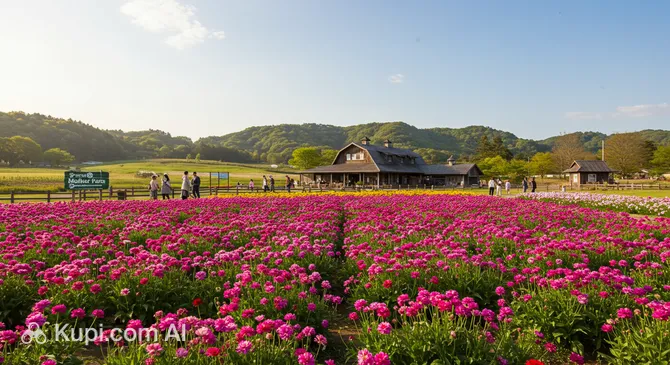
One of the popular places for family vacations and nature lovers is Mother Farm. This is a vast farm park where you can interact with animals, enjoy seasonal flowers, participate in various workshops, and taste fresh farm products. It is especially beautiful here in spring and autumn, when nature delights with a riot of colors.

Mother Farm. Illustration.
Source: Kupi.com AI

Traveler photos:

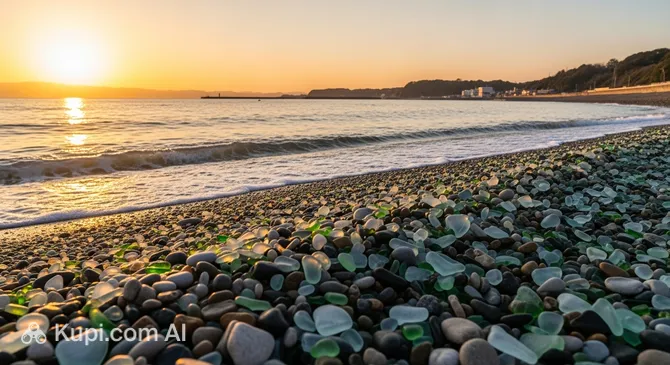
For those who prefer relaxing by the water, Glass Beach is an interesting destination. This unique spot is known for its multi-colored glass pebbles polished by the sea. The beach attracts visitors not only for the opportunity to swim but also for its unusual beauty, perfect for photos and peaceful walks.

Glass Beach. Illustration.
Source: Kupi.com AI

Traveler photos:

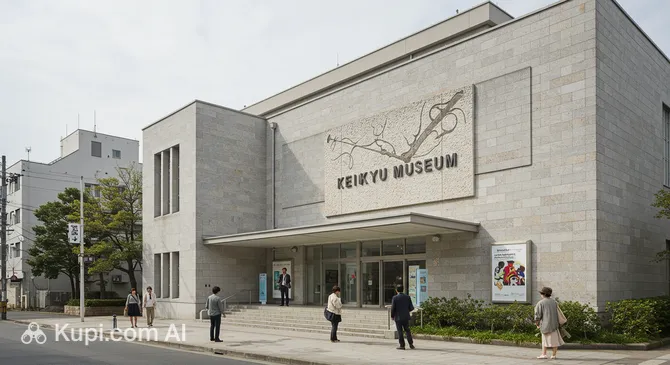
Fans of engineering and railway history should visit the Keikyu Museum. The museum's exhibition is dedicated to the history and development of the Keikyu Corporation, a private railway company that plays an important role in the region's transport system. Here you can see train models, historical artifacts, and learn a lot about Japanese railways.

Keikyu Museum. Illustration.
Source: Kupi.com AI

Traveler photos:

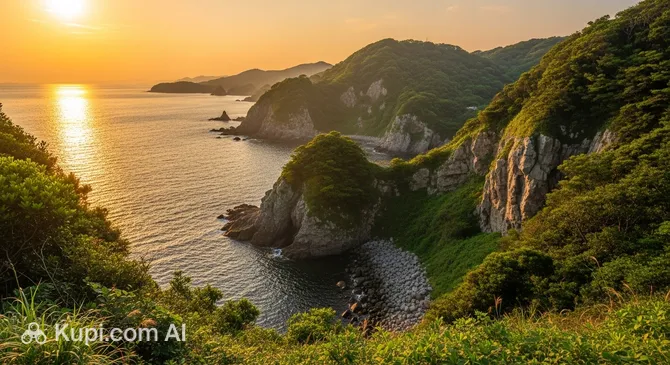
Another gem for nature enthusiasts is Taibusa Cape Nature Park. This park offers magnificent views of Tokyo Bay and the surrounding landscapes. Walking trails, observation decks, and fresh sea air make it an ideal place for hiking and peaceful relaxation away from the city bustle.

Cape Taibusa Nature Park. Illustration.
Source: Kupi.com AI

Traveler photos:

Local Cuisine

The gastronomic scene in Yokosuka is a fascinating blend of maritime traditions and unique local specialties. The city's main pride is its fresh seafood. At the Yokosuka Port Market, you can enjoy the full variety of the sea's bounty: from melt-in-the-mouth sashimi and oysters to sea urchins. Here, the fish is always fresh, and dishes are prepared according to recipes passed down through generations.

Be sure to try two of Yokosuka's iconic dishes. The first is "Yokosuka Kaigun Curry" (Yokosuka Navy Curry), the famous Japanese curry that has become the city's calling card. This hearty and fragrant dish has maritime roots: it was once part of the sailors' rations, and today it is served in almost every cafe. The second is the "Yokosuka Navy Burger." These juicy burgers, which emerged under the influence of the naval base, have become a true gastronomic symbol reflecting the city's unique mix of cultures.

Street food in Yokosuka is an adventure in itself. On the lively streets and markets, you can find appetizing grilled squid, octopus on skewers, and a variety of onigiri (rice balls) with seafood fillings. These snacks are perfect for a quick and tasty bite while exploring the city.

As for drinks, in Yokosuka, as throughout Japan, you will find a wide selection. Among alcoholic beverages, sake and shochu are popular and perfectly complement seafood dishes. Beer lovers will be offered both local and imported brands. Among non-alcoholic drinks, green tea is always popular, as are various lemonades, including the famous Japanese "ramune."

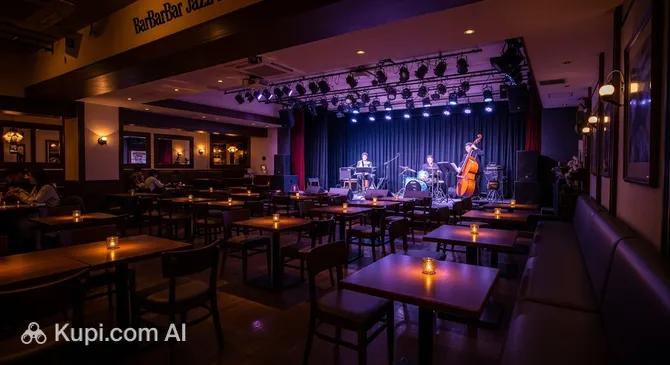
The food culture in Yokosuka is diverse. Locals and tourists can choose between traditional Japanese restaurants, cozy cafes serving curry and burgers, and lively street stalls. For a special evening, you can visit places with a unique atmosphere, such as the Jazz Restaurant BarBarBar, where you can enjoy not only food but also live music. The city is also famous for its gastronomic festivals, especially the seafood festival, which turns Yokosuka into a true paradise for gourmets.

BarBarBar Jazz Live Restaurant. Illustration.
Source: Kupi.com AI

Traveler photos:

Overall, Yokosuka's gastronomy attracts tourists with its unique combination of fresh seafood, historical dishes with a naval past, and vibrant street food. It is a place where everyone will find something to their taste and discover new gastronomic horizons.

Travel Tips

Welcome to Yokosuka – a city with a rich maritime history and a unique blend of Japanese traditions and international influence! To make your journey through this interesting port city as comfortable and memorable as possible, we have prepared some practical tips.

  1. Clothing for the Season and Comfortable Shoes:

    The climate in Yokosuka is temperate, with hot, humid summers and cool winters. In summer, choose light, breathable clothing; in spring and autumn, layering is useful; in winter, a warm jacket, sweater, hat, and gloves. Comfortable shoes are your best companion, as you will be doing a lot of walking. Don't forget an umbrella or raincoat, especially during the rainy season (June-July). For visiting temples and some traditional establishments, you may need to remove your shoes, so choose footwear that is easy to take off. Also, bring an adapter for electrical appliances (Japan uses Type A and B sockets, 100V voltage).

  2. Getting Around the City:

    Public transport in Yokosuka, as in all of Japan, is excellently developed. The main railway lines – JR Yokosuka Line and Keikyu Line – connect the city with Tokyo, Yokohama, and other areas. Local buses also run. Taxis are available but can be expensive. Car rental is possible with an International Driving Permit, but keep in mind that parking in the city can be difficult and costly. Public transport is the most convenient and economical way to get around.

  3. Financial Matters:

    The local currency is the Japanese Yen (JPY, ¥). It is recommended to always have some cash with you, as not all small shops, cafes, or temples accept cards. Credit and debit cards (Visa, Mastercard) are widely accepted in hotels, major stores, and restaurants. ATMs accepting international cards can be found in post offices (Japan Post Bank) and 7-Eleven convenience stores. Tipping in Japan is not practiced and may cause confusion – good service is already included in the bill.

  4. Health and Safety:

    Yokosuka, like Japan in general, is a very safe city with a low crime rate. Pharmacies ("kusuri" 薬) are easy to find, but staff may not always speak English. It is recommended to have travel medical insurance. If medical assistance is needed, you can visit major hospitals. Observe standard precautions: keep an eye on your belongings, especially in crowded places.

  5. Language and Connectivity:

    The official language is Japanese. English is common in tourist spots, hotels, and at major stations. In Yokosuka, due to the presence of the US naval base, you may encounter more English-speaking people, especially around Dobuita Street. Learn a few basic phrases: "konnichiwa" (hello), "arigato" (thank you), "sumimasen" (excuse me/sorry). For connectivity, it is convenient to buy a local SIM card or rent a pocket Wi-Fi router at the airport or online in advance. Free Wi-Fi is available in many hotels, cafes, and some public places.

  6. Respect for Local Customs:

    Japanese people highly value politeness and respect for tradition. When greeting, a slight bow is sufficient. In public places, especially on transport, try to speak quietly and not disturb others. Remove your shoes when entering homes, some temples, and traditional restaurants (there is usually a special place for this). Wait patiently in lines, which are a common occurrence here.

  7. What to Avoid:

    Avoid sticking chopsticks vertically into a bowl of rice – this is associated with funeral rituals. It is also not customary to talk loudly on the phone in public transport or point at people with your finger (use an open palm instead).

  8. Try Local Specialties and Explore Unique Spots:

    Yokosuka is famous for its culinary specialties – be sure to try "Yokosuka Navy Curry" and the "Navy Burger," which reflect the city's maritime heritage. Stroll down the lively Dobuita Street, known for its American-Japanese flair and "sukajan" souvenir jacket shops. Don't miss the chance to visit Mikasa Park with its historic battleship or take the ferry to Sarushima Island (Monkey Island) – the only natural island in Tokyo Bay.

We hope these tips help you better prepare for your trip and get the most out of your stay in Yokosuka. We wish you a fascinating and unforgettable journey through this unique city in Japan!

Entertainment & Nightlife

Evening and nighttime Yokosuka offers a unique combination of Japanese culture and American influence, which is particularly noticeable due to the presence of the naval base. The city comes alive after sunset, offering entertainment for all tastes, from lively bars to cozy restaurants and music venues.

The main center of Yokosuka's nightlife is undoubtedly Dobuita Street. This colorful district is known for its eclectic atmosphere, where American and Japanese traditions mix. Here you will find many bars, pubs, clubs, and restaurants catering to both locals and international visitors. The atmosphere here is usually lively, especially on weekends. Many establishments offer live music, billiards, and darts. The dress code in most places is quite casual, though some clubs may have their own rules.

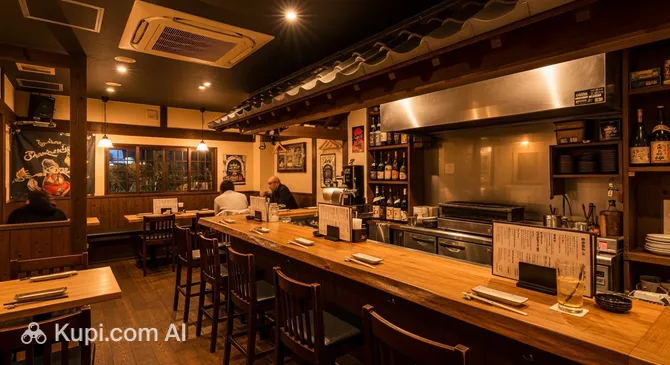
Among the places where you can spend a pleasant evening, Charcoal Stand Noge is worth noting. This place attracts with its atmosphere and choice of drinks, making it ideal for meeting friends or a relaxed evening. Another interesting spot is the Jazz Restaurant BarBarBar, where you can enjoy live jazz music in a stylish setting. This establishment offers a more sophisticated getaway for connoisseurs of good music and quality drinks.

Charcoal Stand Noge. Illustration.
Source: Kupi.com AI

Traveler photos:

Beyond Dobuita Street, there are other areas in Yokosuka with nightly entertainment. You can always find traditional Japanese izakayas (pubs) serving local snacks and drinks, or drop into one of the many karaoke bars – a popular pastime in Japan. Some restaurants stay open late, offering dinner in a quiet setting. While large, permanent night markets are not a characteristic feature of Yokosuka, evening food stalls and souvenir stalls may appear during local festivals or special events.

Practical tips: The best time to visit night spots is Friday and Saturday when the streets are most crowded. Prices can vary from budget bars to more expensive clubs and restaurants. Public transport, particularly trains, stops running around midnight, so plan your route in advance or use a taxi. Taxis can be called via apps or found at designated stands.

Regarding safety, Yokosuka is generally considered a safe city. The Dobuita Street area is well-lit and patrolled. However, as in any busy nightlife district, it is worth taking standard precautions: keep an eye on your belongings and avoid conflict situations. You can call a taxi through hotel reception desks, special apps, or simply catch one on the street in busy areas.

During the day, Yokosuka also offers a lot of interest. You can visit various museums, such as the Keikyu Museum, stroll through picturesque parks, or explore shopping streets. However, it is after dark that the city reveals its special, energetic side, attracting lovers of nocturnal adventures.

Parks & Museums

Yokosuka is a city where natural beauty and a rich cultural heritage harmoniously combine. Here you will find picturesque parks for peaceful relaxation and fascinating museums telling the history and achievements of the region, making it an attractive destination for curious travelers.

Among the green oases of Yokosuka, Taibusa Cape Nature Park particularly stands out. This is a magnificent place for nature lovers, offering scenic hiking trails, observation decks with breathtaking views over Tokyo Bay, and the opportunity to enjoy the beauty of local flora and fauna. The park is ideal for leisurely strolls and picnics in the fresh air, allowing for a break from the city bustle.

Another popular spot for family vacations and nature lovers is Mother Farm. Although it is a working farm, it features vast green spaces with flower fields, a petting zoo, and various entertainment for children and adults. It is a wonderful choice for spending a whole day in nature, especially if you are traveling with family.

For those who prefer seaside recreation, Yokosuka offers several interesting beaches. For example, Glass Beach attracts with its unusual beauty – its shore is covered with multi-colored glass pebbles polished by the waves. Also popular is Tatarehama Beach, which is excellent for swimming and sunbathing during the summer season.

The cultural program in Yokosuka is equally rich. The Minatomirai Industrial Museum is of great interest. Here, visitors can delve into the history of the region's industrial development and view exhibits demonstrating technological achievements and production processes. The museum will be particularly educational for those interested in science, technology, and industrial heritage.

Fans of transport history and railway affairs should visit the Keikyu Museum. This museum's collection is dedicated to the history and activities of the major railway company Keikyu Corporation, which plays a significant role in the transport infrastructure of Kanagawa Prefecture. Guests will see train models, historical documents, photographs, and interactive displays telling the story of railway development.

Yokosuka also carefully preserves the memory of its rich maritime history, which is an integral part of the city's identity. Although not mentioned in the detailed attraction list, iconic sites such as Mikasa Park, where the historic Battleship Mikasa is permanently moored, or Verny Park, named after the French engineer Léonce Verny, who played a key role in modernizing the Japanese fleet, attract many tourists interested in Japan's naval heritage.

For an authentic experience of Yokosuka, take a stroll down the lively Dobuita Street. Here you can feel a unique blend of Japanese and American cultures, find original souvenirs, and try local dishes, including the famous "Navy Curry". And if you are seeking peace, look into one of the lesser-known but charming in their own way local temples or shrines found in various parts of the city.

Getting Around

In Yokosuka, the backbone of public transport consists of trains and buses. The city is served by the railway lines of JR East (e.g., the Yokosuka Line) and Keikyu Corporation, which provide convenient movement both within the city and to neighboring areas. The bus network, managed mainly by Keikyu Bus, complements the rail service, covering routes not reached by trains and providing access to more remote points.

For fare payment, the most convenient method is using rechargeable smart cards, such as Suica or Pasmo. These cards are valid on most trains and buses not only in Yokosuka but also in the wider Kanto region. They can be purchased or topped up at machines at railway stations. Single-trip tickets for specific journeys are also available and are bought at the same machines before boarding. To plan routes and check schedules, we recommend using popular public transport navigation apps.

Train tickets and IC cards are purchased at railway stations in special machines or ticket offices. When using an IC card, you must tap it against the reader on the turnstile when entering and exiting the station. On buses, the card is usually tapped against a validator when entering (most often at the front door). Public transport in Yokosuka begins operation early in the morning, around 5:00 AM, and ends around midnight. During peak hours, service intervals are minimal.

As an alternative to public transport in Yokosuka, you can use taxi services. They are easily available, especially at stations and tourist sites, but are a more expensive option. For leisurely strolls and exploring coastal areas, bicycle rentals can be found in some parts of the city. Car rental is also possible, but you should consider the peculiarities of local traffic and parking.

One of the interesting transport features of Yokosuka is the ferry service to Sarushima Island – a popular vacation spot and natural attraction. This small ferry can be considered part of the local transport system for reaching the island. Overall, the city's railway network is highly efficient and punctual, making train travel the preferred method for medium and long-distance travel within Yokosuka and its surroundings.

Accommodation

When planning a trip to Yokosuka, you will find a variety of accommodation options to suit different preferences and budgets. The city offers a choice ranging from budget guesthouses and hostels for thrifty travelers to comfortable mid-range hotels, and perhaps apartments for those who prefer a more home-like setting or plan a long stay. This allows every tourist to find the optimal option for their vacation.

When choosing a place to stay in Yokosuka, it is worth looking at areas located near major transport hubs, such as railway stations (e.g., Yokosuka-Chuo Station), or within walking distance of key attractions and business centers. Such a location will ensure ease of movement around the city and save time on travel to your sites of interest.

The price range for accommodation in Yokosuka varies: you can find budget options as well as mid-range and higher-class hotels. Various types of hotels are represented in the city, meeting the needs of both tourists and business travelers. Booking accommodation is most convenient through popular international online booking platforms, which allow you to compare prices and conditions, or directly on hotel websites if you prefer that method.

To guarantee the best choice and the most favorable conditions, it is recommended to book accommodation in Yokosuka well in advance. This is especially relevant if your trip falls during the peak tourist season, major local festivals, or other popular events. Early booking not only expands the choice of available options but often allows you to take advantage of more attractive prices.

Nearby Cities

For those who want to explore the surrounding area, Yokosuka serves as an excellent starting point for day trips to several interesting nearby locations:

CityPopulationDistance
Zushi56 9968 km
Hayama31 5468 km
Torihama9 64311 km
Kamakurayama172 92915 km
Miura41 80716 km

These nearby destinations offer a glimpse into the region's diverse culture and landscapes. Each of these cities offers its own unique attractions: from vibrant urban centers and historical temples to picturesque parks and coastal zones, making them excellent choices for a short trip from Yokosuka.

Shopping & Souvenirs

Shopping in Yokosuka offers tourists a unique combination of Japanese goods and products with American influence, stems from the city's long history as a port center and the site of a naval base. Here you can find traditional Japanese souvenirs as well as exclusive items reflecting the local flavor.

One of the city's main shopping arteries is the famous Dobuita Street. This area became famous for its shops selling "sukajan" jackets – bright embroidered bomber jackets that have become a symbol of Yokosuka. Additionally, there are many shops with American-style clothing, military memorabilia, accessories, and souvenirs. Walking along this street is an interesting activity in itself, allowing you to immerse yourself in the city's special atmosphere. Shopping outlets are also concentrated around major railway stations, such as Yokosuka-Chuo.

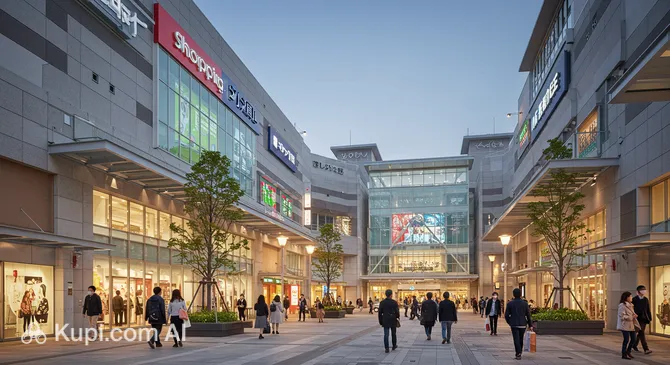
For those who prefer shopping in large complexes, Landmark Plaza is worth a visit. Although it is in neighboring Yokohama, it is easily accessible from Yokosuka and offers a huge selection of famous brand stores, restaurants, and entertainment. This is a place where you can spend the whole day combining shopping with relaxation.

Landmark Plaza. Illustration.
Source: Kupi.com AI

Traveler photos:

While Yokosuka might not be famous for massive traditional markets like some other Japanese cities, you can find local markets selling fresh seafood, vegetables, and fruits. These places offer an authentic experience and the chance to buy quality local produce. Occasionally, flea markets are held in the city, where you can find interesting vintage items and souvenirs.

From Yokosuka, it is worth bringing back several characteristic souvenirs. The absolute hits are the aforementioned "sukajan" jackets. Items with a naval theme are also popular: ship models, clothing, and accessories. Don't forget the famous "Yokosuka Navy Curry" – it can be bought in ready-to-eat sets or as spices. Of course, traditional Japanese sweets, ceramics, and textiles are always relevant.

Most shops in Yokosuka operate on a standard schedule for Japan: from approximately 10:00 or 11:00 AM to 8:00 or 9:00 PM. Large shopping centers may have longer working hours. Regarding payment, credit cards (Visa, Mastercard, American Express) are accepted in most stores, especially in tourist areas and major retail outlets. However, it is always useful to have some cash on hand, especially for purchases at small markets or in tiny shops.

For foreign tourists in Japan, a Tax-Free system is in place. In shops participating in this program (they usually have a corresponding sign), you can arrange for a consumption tax refund when purchasing goods over a certain amount. To do this, you will need to present your passport. Check the conditions directly in the shops.

Reached the end of the page?

That means the route is fully explored