Support

Hiratsuka

About

Hiratsuka is a true gem of Kanagawa Prefecture, comfortably nestled on the scenic Pacific coast. The city is located about an hour's train ride from the bustling metropolis of Tokyo, making it easily accessible for travelers. Spanning between green hills and the seashore, Hiratsuka offers its guests a unique combination of fresh breezes and tranquil landscapes. Many consider it an excellent starting point for exploring the Shonan region, known for its magnificent beaches and relaxed atmosphere.

With a population of about 257,000 people, Hiratsuka is a large yet not overcrowded urban center. It is an important administrative and cultural hub where modern infrastructure is harmoniously interwoven with centuries-old traditions and natural beauty. Here, you will find both modern shopping complexes and ancient temples, as well as many cozy parks perfect for leisurely strolls.
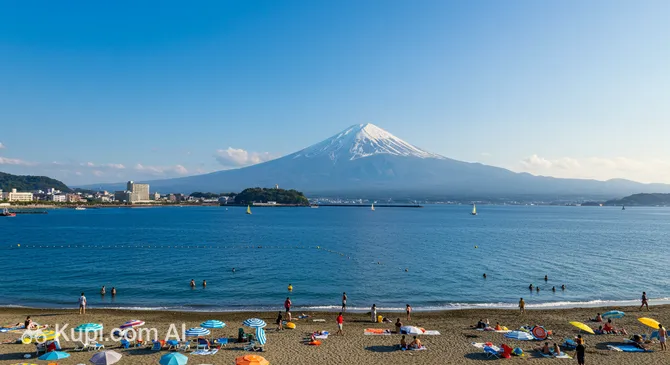
Hiratsuka. Illustration.
Source: Kupi.com AI

The main atmosphere of Hiratsuka is one of tranquility and sincere hospitality. The city is ideal for those who dream of experiencing the authentic spirit of Japan away from the noise and bustle of megacities, enjoying the fresh sea air, or admiring breathtaking panoramic views from the local hills. Hiratsuka is famous for its colorful festivals, diverse sporting events, and rich cultural life, making it an attractive destination for tourists of all ages.

Among the city's key features, its proximity to the popular Shonan beaches stands out, where you can enjoy the sun and the sea. Hiratsuka is also rich in historical shrines, such as Hiratsuka Hachimangu Shrine, and offers many opportunities to experience local culture, such as visiting traditional markets. The city is known for hosting one of the largest Tanabata festivals in Japan – Hiratsuka Tanabata Matsuri, which attracts thousands of visitors.

If you are looking for a place where you can harmoniously combine a beach holiday, immersion in Japanese culture, and active entertainment, Hiratsuka will definitely not disappoint you. This hospitable city is ready to offer everyone something special, leaving the warmest memories in your heart.

You can find more interesting facts on the Hiratsuka city history page.
Weather Overview

The weather in Hiratsuka is characterized by distinct seasonal changes. Summer, especially in July and August, is warm, with average temperatures around 25-26°C and maximums reaching 29°C. The summer months also see the highest amount of precipitation and rainy days. Winters, from December to February, are quite cool, with average temperatures ranging from 4.7°C to 7.0°C, occasionally dropping to 0.8°C, while precipitation is minimal. Spring and autumn are transitional seasons with moderate temperatures and changeable weather. Overall, expect a warm, humid summer and cool, drier winters. You can learn more about the Hiratsuka Climate in detail on the special page.

Average monthly temperature

Average monthly precipitation

Interesting Facts

In addition to its famous landmarks and picturesque beaches, Hiratsuka holds many fascinating secrets and lesser-known facts that make this city truly special. Here are just a few of them:

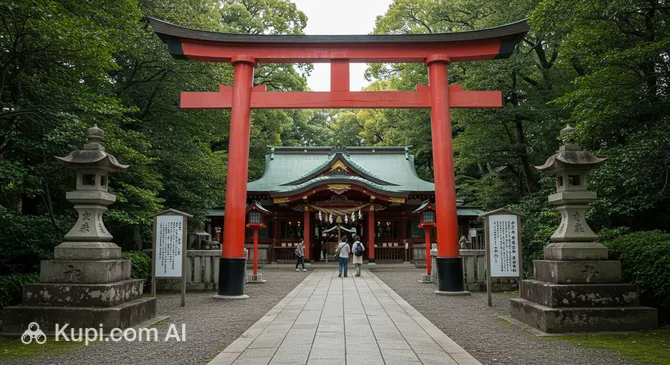
Hiratsuka Hachimangu Shrine. Illustration.
Source: Kupi.com AI

Traveler photos:

  • Hiratsuka is host to one of the most grand Tanabata festivals (Star Festival) in Japan. Every summer, the city streets are transformed by thousands of colorful paper streamers, and the evening sky is lit up with fireworks, attracting hundreds of thousands of visitors. This celebration is considered one of the largest Tanabata festivals in the country.

  • The city is home to Hiratsuka Hachimangu Shrine, one of the oldest Shinto shrines in the region, where pilgrims and tourists flock annually to touch the history and mysterious atmosphere of ancient Japan.

  • The city is the home of the famous football club "Shonan Bellmare," which competes in the top division of the Japanese J-League. Hiratsuka is rightfully proud of its sporting traditions, and locals enthusiastically support their team.

  • Not far from Hiratsuka lies the picturesque Komayama Park (also known as Shonandaira), which offers breathtaking panoramic views of Sagami Bay and the majestic Mount Fuji on a clear day. This is a favorite spot for picnics and nature contemplation for both locals and tourists alike.

How to Get There

The most convenient way to reach the city of Hiratsuka is by air, as Hiratsuka itself does not have its own airport. The main gateways are the major international airports located in Tokyo and its surrounding areas.

The closest and one of the most convenient options is Haneda Airport (HND). It is located in Tokyo, approximately 46 km from Hiratsuka. Haneda Airport is a massive transport hub serving numerous domestic and international flights. A trip from the airport to Hiratsuka by taxi or express bus usually takes about 1.5 hours, though travel time can vary depending on traffic conditions.

Another significant international airport is Narita International Airport (NRT), which also serves Tokyo. It is located further from Hiratsuka — approximately 105 km away. Narita Airport handles a large number of flights from all over the world. Traveling from Narita to Hiratsuka via public transport (e.g., train with transfers) or taxi can take between 2.5 and 3 hours.

For clarity, here is a summary of the main airports used to reach Hiratsuka:

AirportPassenger trafficDistance
Haneda Airport85.7 mln46 km
Narita International Airport40.8 mln105 km
Shizuoka Airport691 274122 km
Ibaraki Airport776 063135 km
Matsumoto Airport112 618159 km

After arriving at one of the airports, Hiratsuka can be reached by train, bus, or taxi. Rail connections in Japan are very well-developed, and this is often the fastest and most convenient way to move between cities.

Main Attractions

Hiratsuka, snugly situated in Kanagawa Prefecture, offers its guests a variety of attractions that combine culture, history, and the natural beauty of the Shonan coast. Here, everyone will find something interesting, from art galleries to ancient shrines and picturesque beaches.

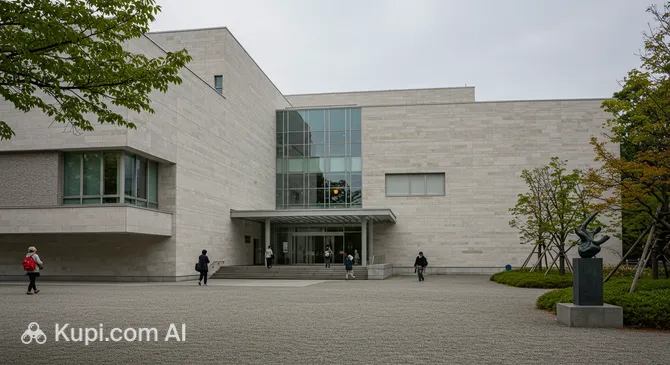
One of the city's cultural centers is the Hiratsuka Museum of Art. This museum attracts art lovers with its collections, often focusing on the works of contemporary artists as well as art related to the Shonan region. A visit to the museum is a great opportunity to get acquainted with the local art scene and see unique exhibitions.

Hiratsuka Museum of Art. Illustration.
Source: Kupi.com AI

Traveler photos:

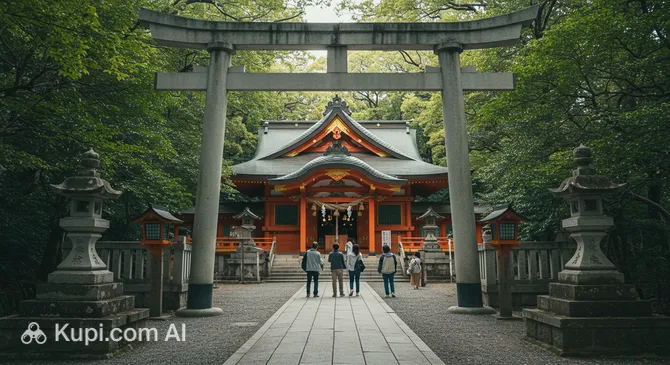
For those interested in traditional Japanese culture and spirituality, a visit to Hiratsuka Hachimangu Shrine is a must. This significant Shinto shrine is dedicated to the deity Hachiman, the protector of warriors. The shrine impresses with its architecture and peaceful atmosphere, and it is an important place for locals where various festivals and ceremonies are held.

Hiratsuka Hachimangu Shrine. Illustration.
Source: Kupi.com AI

Traveler photos:

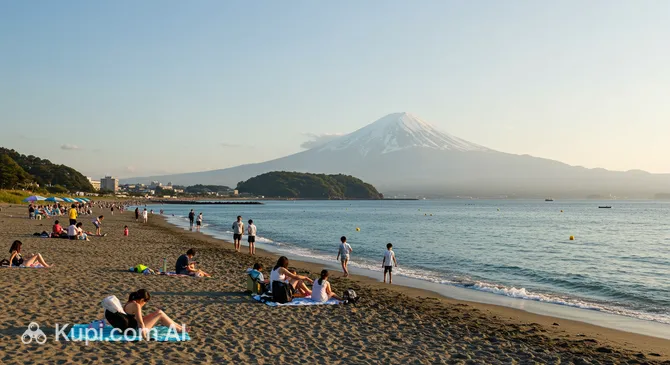
Fans of seaside relaxation and active pastimes should head to Shonan Beach Park. This extensive park stretching along the coast is a popular spot for walking, picnicking, sports, and, of course, beach activities. Here you can enjoy the fresh sea breeze and beautiful views of Sagami Bay. Nearby is also the Shonan Beach Hiratsuka Center, which offers various facilities for visitors.

Shonan Beach Park. Illustration.
Source: Kupi.com AI

Traveler photos:

Another interesting place to experience local traditions is Sakitori Shrine. Although it may be less known than Hachimangu, it possesses its own charm and offers visitors a chance to immerse themselves in the calm atmosphere of a Japanese shrine, far from the city's hustle and bustle. It is a wonderful place for reflection and learning about local history.

Sakitori Shrine. Illustration.
Source: Kupi.com AI

Traveler photos:

Local Cuisine

The gastronomic scene in Hiratsuka is a true immersion into the world of the freshest seafood and authentic Japanese flavors. The city is rightfully proud of its cuisine, which is dominated by the bounty of the sea. Local restaurants offer exquisite sashimi made from freshly caught fish, classic sushi, and traditional eel dishes. A special pride of Hiratsuka is shirasu – small whitebait prepared in many ways: as a donburi (rice bowl), added to salads, or served as a savory snack with beer.

In addition to restaurant delicacies, Hiratsuka boasts a thriving street food and market culture. Be sure to try tako-yaki – delicious batter balls with pieces of octopus inside, and yakisoba – aromatic stir-fried noodles with vegetables and seafood. During food festivals, which are common here, you can sample unique dishes prepared according to ancient recipes and soak up the atmosphere of a feast for the taste buds. One place where you can experience the local cuisine is Aosato Honten.

Aosato Main Restaurant. Illustration.
Source: Kupi.com AI

Traveler photos:

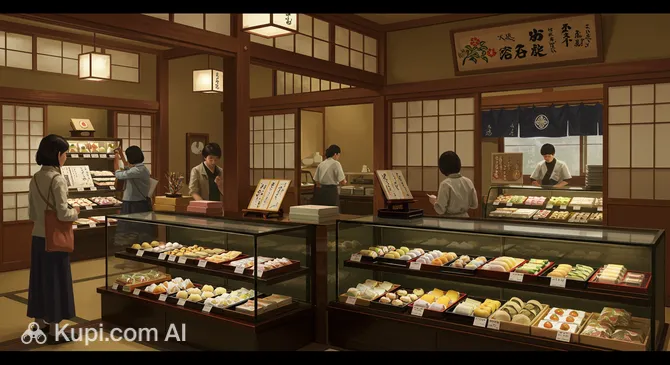
For those with a sweet tooth, Hiratsuka offers traditional Japanese wagashi desserts, which pair perfectly with green tea. During festivals, stalls appear on the streets selling hot taiyaki – fish-shaped waffles filled with sweet adzuki bean paste. Among drinks, besides classic green tea and beer, various refreshing drinks based on seasonal fruits are popular.

Dining culture in Hiratsuka is closely tied to seasonality and product freshness. Locals and tourists often visit farmers' markets where you can buy the freshest vegetables, fruits, and unique local delicacies. It is the emphasis on seasonal ingredients that gives Hiratsuka's cuisine its special freshness, originality, and appeal to gourmets wishing to experience real Japanese food.

Travel Tips

Welcome to Hiratsuka! To make your journey to this charming Japanese city as comfortable and pleasant as possible, we have prepared some practical tips. They will help you better navigate and enjoy every moment of your stay in Japan.

  1. Clothing and Essentials:

    The climate in Hiratsuka, as in all of Japan, has four distinct seasons. In summer (June–August), it is hot and humid, so bring light, breathable clothing and a raincoat, especially during the "tsuyu" rainy season (usually June–July). Spring and autumn offer mild weather – an ideal time for layered clothing. Winter can be chilly, with occasional snow, so warm clothes are useful. Comfortable shoes are extremely important, as you will be walking a lot. Don't forget a universal adapter (Japan uses Type A and B sockets, 100V). When visiting temples and shrines, choose modest clothing that covers shoulders and knees, and be prepared to remove your shoes.

  2. Transport:

    The most convenient way to get around Hiratsuka and its surroundings is by public transport. The main way to reach the city and travel to neighboring metropolises like Tokyo and Yokohama is the JR Tokaido train line. A network of local buses operates within the city. Taxis are available but can be expensive; you can use apps like JapanTaxi. Car rental is possible (an international driving permit is required) but usually less convenient due to city road layouts and parking. We strongly recommend purchasing an IC card (Suica or Pasmo) for easy payment on trains, buses, and even in some shops.

  3. Finance:

    The local currency is the Japanese Yen (JPY, ¥). You can exchange money at airports, major banks, and some hotels. It's best to have some cash on arrival. Credit cards (Visa, Mastercard) are widely accepted in cities, hotels, and department stores, but smaller establishments, markets, or temples may require cash. International cards work, but check the conditions with your bank. ATMs supporting international cards can be found in 7-Eleven stores (Seven Bank), at the post office (Japan Post Bank), and at some major banks. Tipping is not practiced in Japan – excellent service is considered the norm.

  4. Health and Safety:

    Japan, and Hiratsuka in particular, is a very safe country with low crime rates. Pharmacies ("kusuri" 薬) are easy to find, though pharmacists may not always speak English. The standard of medical care is high; travel insurance is mandatory. In emergencies, call 119. Follow standard precautions: keep an eye on your belongings, especially in crowded places. Japan has an excellent lost and found system – if you lose something, contact the nearest police box ("koban").

  5. Communication:

    The official language is Japanese. English is common in tourist zones, but knowing a few basic Japanese phrases (e.g., "konnichiwa" – hello, "arigato gozaimasu" – thank you, "sumimasen" – excuse me) will be very helpful and appreciated by locals. For connectivity, it's convenient to rent a pocket Wi-Fi router or buy a tourist SIM card at the airport or electronics stores. Free Wi-Fi is not everywhere, but apps like "Japan Connected-free Wi-Fi" can help you find it. Google Maps works great for navigation, including public transport schedules.

  6. Local Etiquette:

    Japanese people value politeness highly. When greeting, a slight bow is customary; a nod is sufficient for tourists. On public transport, it is customary to keep quiet and not talk loudly on the phone. Eating and drinking while walking is not common – it's better to stop and have a snack. Always remove your shoes when entering homes, many temples, and traditional restaurants with tatami mats. Be patient and smile when communicating, even if there is a language barrier.

  7. What to Avoid:

    Try not to stick your chopsticks vertically into a bowl of rice – this is associated with funeral rituals. It is also not common to blow your nose loudly in public; if necessary, do it discreetly or step aside. Pointing at something or someone with one finger is considered impolite – it's better to use an open palm.

  8. Additional Tip for Hiratsuka:

    If your trip falls in early July, try not to miss the Shonan Hiratsuka Tanabata Festival (Shonan Hiratsuka Tanabata Matsuri). It is one of the largest Tanabata festivals in Japan, famous for its colorful decorations and street food – an unforgettable sight! Also, Hiratsuka is located near the Shonan coast, so in summer you can enjoy a beach holiday at Hiratsuka Beach.

We hope these tips make your trip to Hiratsuka even more exciting and carefree. Enjoy the hospitality of Japan and the unique atmosphere of this city!

Entertainment & Nightlife

While Hiratsuka might not boast the scale of Tokyo's nightlife, the city offers its own cozy and authentic options for evening leisure. Here you will find a calmer and more local atmosphere, ideal for those who want to relax after a busy day rather than seek out loud nightclubs or large concert venues, which are rare here. Night markets are also not a characteristic feature of the city.

The main concentration of evening establishments is traditionally focused in the areas adjacent to Hiratsuka's main railway station. This is where you can immerse yourself in the local atmosphere by visiting various izakayas – traditional Japanese pubs serving sake, beer, and a variety of snacks. Also popular are small bars with local drinks and, of course, karaoke boxes – a favorite Japanese pastime for having fun with friends. For a pleasant dinner, you might consider the restaurant Aosato Honten, known for its cuisine. Overall, the nightlife here is oriented toward local residents, which creates a special, friendly atmosphere. Specific links to bars or clubs from the provided data are limited, so it is best to look for these general types of establishments.

The atmosphere in most Hiratsuka establishments is quite casual. The dress code is usually relaxed – neat casual clothes are sufficient. Many bars and restaurants stay open until late evening, especially on Fridays and Saturdays. The best time to visit is from early evening when izakayas and restaurants open (usually from 5:00 PM – 6:00 PM) until midnight. Regarding prices, they are generally more moderate than in major metropolises: dinner at an izakaya might cost between 2,000 and 4,000 yen per person, with drinks starting from 500 yen.

In terms of safety, Hiratsuka, like most cities in Japan, is considered a very safe place for night walks. However, it is always wise to take basic precautions. Public transport, mainly trains, stops running around midnight or 1:00 AM. After this time, you can use a taxi. They can be found at taxi stands near the station, called from an establishment, or through mobile taxi apps like "GO" or "JapanTaxi" (if they operate in the region). A taxi ride will be more expensive than public transport, so it is recommended to plan your return route in advance if you plan to stay out late.

During the day, there is also plenty to do in Hiratsuka, although there are no major amusement parks or large theaters here – for that kind of entertainment, it's better to head to larger neighboring cities. Culture enthusiasts can visit the Hiratsuka Museum of Art, which features interesting exhibitions. For outdoor walks and relaxation, Shonan Beach Park is perfect, especially in good weather. You can also stop by the Shonan Beach Hiratsuka Center to learn more about local beach activities and relax by the sea.

Shonan Hiratsuka Beach Center. Illustration.
Source: Kupi.com AI

Traveler photos:

Parks & Museums

Hiratsuka offers its guests not only popular landmarks but also wonderful opportunities for peaceful relaxation in nature and getting to know the cultural heritage through less obvious but equally interesting spots. The city's parks and museums reveal different facets of life in Hiratsuka, from its coastal identity to the artistic traditions of Japan.

A central place for outdoor recreation is Shonan Beach Park. In addition to the already mentioned opportunities for walking and picnicking, this park is a popular venue for local festivals and sporting events, especially those related to water sports. The park's infrastructure includes convenient paths for running and cycling, as well as family recreation areas for children. Its proximity to the Shonan Beach Hiratsuka Center makes it a convenient starting point for exploring the coast.

Shonan Beach Park. Illustration.
Source: Kupi.com AI

Traveler photos:

Another significant green oasis in the city is Hiratsuka Sogo Park. Although it may not be on the main tourist routes, this vast multi-functional park is a favorite holiday spot for citizens. Here you can find sports facilities, spacious green areas for relaxation, playgrounds for children, and a well-maintained Japanese garden for meditative walks. The park often hosts city holidays and fairs, reflecting the local flavor.

In the cultural sphere, the Hiratsuka Museum of Art offers a deeper immersion than just viewing an exhibition. The museum actively supports artists associated with the Shonan region, and its collections often include unique works reflecting local identity and modern Japanese art trends. Pay attention to the special exhibitions, which are often dedicated to specific themes or techniques, as well as the architecture of the museum building itself and its small but cozy garden, which is a work of art in its own right and a place for reflection.

Hiratsuka Museum of Art. Illustration.
Source: Kupi.com AI

Traveler photos:

While Hiratsuka does not abound with a large number of major museums, besides the main art museum, the city's cultural mosaic is complemented by small exhibitions that may be held in community centers or galleries dedicated, for example, to the city's history or specific crafts. Such places are worth looking for to get a more complete picture of the cultural life of Hiratsuka.

Regarding historical sites, some shrines, such as Hiratsuka Hachimangu Shrine, in addition to their spiritual significance, often have beautiful grounds that can be viewed as a kind of historical park area. Walking through such places allows you to combine an acquaintance with traditional architecture with the enjoyment of silence and nature, complementing the impressions of visiting modern parks and museums.

Tip for connoisseurs: To see Hiratsuka from an unexpected side, try visiting Shonan Beach Park early on a weekday morning – you will find locals practicing tai chi or yoga on the shore, which adds authenticity to your experience. And at the Hiratsuka Museum of Art, don't miss the museum shop: you can often find unique souvenirs and exhibition catalogs there, which will serve as a great reminder of the cultural side of your trip.

Getting Around

Getting around Hiratsuka is quite convenient thanks to its well-developed public transport system. The main methods of transportation for tourists and locals are trains and buses.

Trains: The important JR Tokaido railway line passes through the city, connecting Hiratsuka with Tokyo and other major cities in the region. Hiratsuka Station is the main transport hub. Trains run frequently and on schedule, making them a reliable option for longer-distance travel.

Buses: The urban bus network, primarily operated by the Kanagawa Chuo Kotsu company (shortened to Kanachu), covers most areas of Hiratsuka, providing access to places where trains do not reach. Routes and schedules are usually available at stops and online.

Payment system: The most convenient way to pay for travel is by using rechargeable IC cards, such as Suica or Pasmo. These cards are accepted on both trains and buses. Simply tap the card on the reader at the entry and exit points of railway stations, and on buses – upon entry (sometimes at exit, depending on the specific route's payment system, but more often at entry to pay or to take a ticket with a zone number). You can buy or top up an IC card at machines in railway stations or in some convenience stores. You can also pay with cash. For trains, tickets are purchased from machines before boarding. For buses, cash payment is made to the driver; it's advisable to have small change, though some buses have change machines. The approximate cost of a short train ride within the city or to nearby stations starts at about 150-200 yen. A city bus ride usually costs around 200-250 yen, depending on the route and distance.

Practical tips for tourists: * Plan your route in advance, especially if using buses. Apps with schedules and route maps can be very helpful. * An IC card will significantly simplify the payment process and save time. * Public transport typically operates from early morning (around 5:00 AM – 6:00 AM) until late evening (around midnight). During peak hours, trains and buses can be crowded. * Stop and station names are often duplicated in English, making navigation easier for foreign tourists.

Alternative modes of transport: * Taxis: Available, especially at the railway station and in busy areas. This is a more expensive option but convenient for traveling with luggage or at night. * Bicycle rental: You can rent a bicycle in some parts of the city. Hiratsuka is quite compact, and cycling can be a pleasant way to see the sights, especially in good weather. * Walking: The central part of the city and the coastal areas are excellent for leisurely strolls.

Overall, Hiratsuka's transport system is well-organized and allows tourists to comfortably explore the city and its surroundings.

Accommodation

When planning a trip to Hiratsuka, you will find a variety of accommodation options to suit different preferences and budgets. The city features both standard business hotels offering comfort and convenience, as well as more budget-friendly options like guesthouses. You can also consider apartment rentals, especially if you are traveling with family or planning a long-term stay.

When choosing a place to stay, pay attention to the areas adjacent to JR Hiratsuka Station. This will provide you with easy access to the city's transport system and its surroundings, as well as shops and restaurants. For those who prefer proximity to nature and the sea, hotels and guesthouses in the Shonan coast area, near popular spots like Shonan Beach Park, would be a good choice. Staying here allows you to enjoy morning walks on the beach and beautiful views.

While Hiratsuka may not have the wide selection of luxury resorts found in major metropolises, there are plenty of mid-range hotels offering a good level of service. It is recommended to book accommodation in advance, especially if your trip coincides with popular local events like the famous Tanabata festival or during peak tourist season. This will help you find the best value-for-money options.

The price range for accommodation in Hiratsuka varies from budget to mid-range. You can find and book a suitable option through popular online booking platforms or, in some cases, by contacting the hotel directly. By comparing offers on different sites, you can choose the best option for your journey to Hiratsuka.

Nearby Cities

For those looking to explore the surrounding area, Hiratsuka serves as an excellent base for day trips to several interesting nearby locations:

Among them, Chigasaki stands out, located just 5 kilometers from Hiratsuka. This city can attract beach lovers and water sports enthusiasts thanks to its Shonan coastline. A bit further, about 13 kilometers away, is Fujisawa, known for its popular Enoshima Island, where you can visit shrines, enjoy beautiful views, and walk along picturesque trails. Both cities offer great opportunities for short, action-packed trips.

CityPopulationDistance
Oiso31 1215 km
Chigasaki242 3475 km
Isehara102 0888 km
Ninomiya27 5369 km
Atsugi225 00012 km

These nearby destinations provide a glimpse into the diverse culture and landscapes of the region.

Shopping & Souvenirs

While Hiratsuka may not be a major shopping destination in Japan compared to the megacities, the city offers enough shopping opportunities to satisfy the needs of tourists and introduce them to local products. Here you can find both small family-run shops and larger retail outlets offering a variety of goods – from daily necessities to unique souvenirs.

Main shopping areas in Hiratsuka are generally concentrated around the city's main railway station – Hiratsuka Station. Here and on the adjacent streets, you will find department stores, specialty shops, as well as traditional Japanese "shotengai" shopping arcades, where you can soak up the local atmosphere and find interesting goods and food products. These areas offer a good selection of clothing, electronics, cosmetics, and household goods.

Large, standalone shopping centers in the style of American malls may not be as common as in big cities, but there are usually department stores or shopping complexes in the Hiratsuka Station area offering a wide range of goods under one roof. They are convenient places for one-stop shopping where you can find both well-known brands and local labels.

Regarding markets, in Hiratsuka, as in many Japanese cities, you may stumble upon small local markets selling fresh produce, vegetables, fruits, and seafood. Although they may not be as tourist-oriented as major markets in tourist centers, visiting such a place can be an interesting experience. Specialized large flea or souvenir markets might not be available, but individual souvenir stalls are found at tourist spots.

As souvenirs from Hiratsuka, look for traditional Japanese crafts, local ceramics, or textiles, if available. Also popular are various Japanese sweets (wagashi), snacks, and tea. Don't forget the opportunity to purchase omamori (amulets) or other small souvenirs at local shrines, such as Hiratsuka Hachimangu Shrine or Sakitori Shrine. If the city is famous for any special products related to its coastal position (Shonan region), these can also make excellent gifts.

Most shops in Hiratsuka are typically open from 10:00 AM or 11:00 AM until 7:00 PM or 8:00 PM. Department stores and shops in shopping centers may stay open slightly longer. Regarding payment, cash is still widely used, especially in smaller shops and markets. However, credit cards (Visa, Mastercard, JCB, American Express) are accepted in many department stores, large shops, and tourist sites. Contactless payments and payment using IC cards (such as Suica or Pasmo) are also becoming increasingly common.

For foreign tourists in Japan, there is a consumption tax refund system (Tax Free). Look for shops with the "Tax Free Shopping" sign. Usually, to process a tax refund, you must make a purchase of a certain amount (most often over 5,000 yen) in one shop in one day and present your passport at a special counter. Check the conditions directly in the shops.

Reached the end of the page?

That means the route is fully explored